I still remember the first time. Floating in the inky black water off the Kona coast, holding onto a floating light board. Then, from the darkness below, a shape emerged—wings spanning wider than my car, a silent, graceful shadow. A manta ray. It rolled into a somersault right in front of my mask, its white belly and gaping mouth filtering plankton from the beams of light. Time stopped. That moment, more than any other, cemented my love for the ocean. Snorkeling with manta rays isn't just a tourist activity; it's a profound encounter with one of the ocean's most intelligent and gentle giants.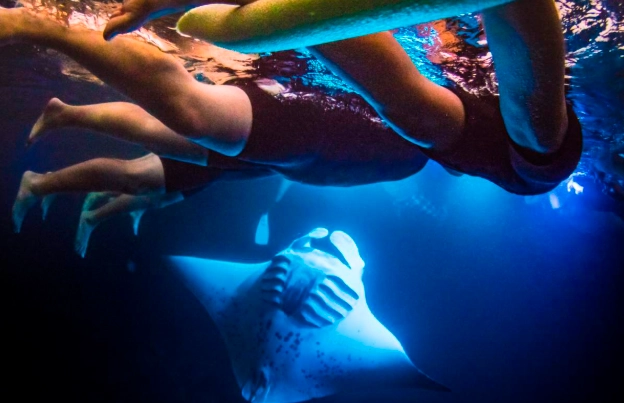
But here's the thing. Not all manta ray experiences are created equal. A poorly run tour can stress the animals, damage the environment, and leave you feeling underwhelmed. After a decade of guiding and seeking out these creatures from Hawaii to Indonesia, I've seen the good, the bad, and the downright ugly. This guide cuts through the hype. You'll get the real, actionable information you need to plan an unforgettable—and responsible—adventure.
Your Quick Dive into This Guide
Where to Go: Top Global Locations for Manta Ray Snorkeling
Mantas are found in tropical and subtropical waters worldwide, but certain spots offer remarkably reliable encounters. The "best" place depends on what you want: guaranteed night action, pristine reefs, or a specific species. Let's break down the top contenders.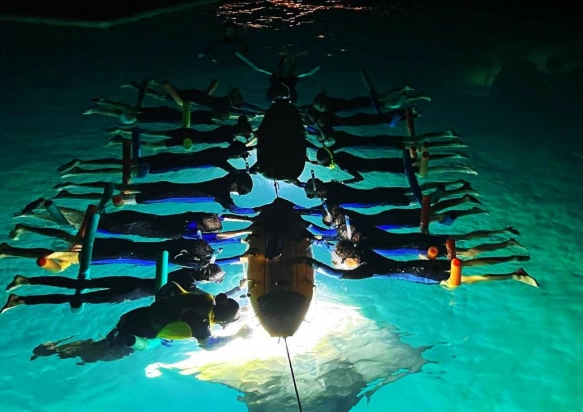
| Location | Best Time to Visit | Type of Encounter | Key Notes & What Makes it Unique |
|---|---|---|---|
| Kona Coast, Hawaii (Big Island) | Year-round | Night Snorkel | The original. Boats use large LED light boards to attract plankton, which in turn attracts mantas. It's a theatrical, almost guaranteed show. You'll see the giant oceanic manta ray (Manta birostris). |
| Ningaloo Reef, Western Australia | April to October | Day Snorkel / Swim | You can literally swim with them from the beach at Coral Bay. The reef manta ray (Manta alfredi) is common here. It's a more natural, less staged encounter in crystal-clear water. |
| Maldives (Multiple Atolls) | December to April (Dry Season) | Day & Night, Cleaning Stations | Several resorts have house reefs where mantas visit cleaning stations daily. You can snorkel right from your water villa at places like Baa Atoll, a UNESCO Biosphere Reserve. Peak season brings massive aggregations. |
| Komodo & Raja Ampat, Indonesia | April to November | Day Snorkel at Cleaning Stations | Part of a liveaboard dive trip. Sites like Manta Point (Komodo) offer heart-pounding drift snorkels with dozens of reef mantas in strong currents. It's advanced but incredibly rewarding. |
| Isla de la Plata, Ecuador | June to September | Day Snorkel | "The Poor Man's Galapagos." Humpback whale season overlaps with reliable manta sightings. It's a wild, remote feeling experience. |
Pro Tip: When researching locations, don't just look for "manta ray" mentions. Search for specific cleaning station names (e.g., "Manta Sandy" in Komodo) or famous snorkel sites. Local dive operators' blogs often have the most current and detailed information.
How to Choose the Right Manta Ray Snorkeling Tour
Booking a tour is the most critical step. A good operator prioritizes animal welfare and guest safety; a bad one turns the experience into a stressful circus. Here’s what to look for: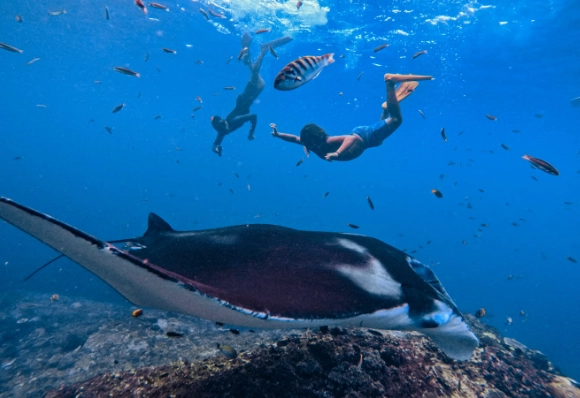
1. Group Size and Guide Ratio
Small groups are non-negotiable. Look for tours that limit snorkelers to 10-15 people max. A high guide-to-guest ratio (e.g., one guide per 4-5 snorkelers) ensures everyone gets attention and follows the rules.
2. Sustainability Practices
Ask questions! Do they have a marine biologist on staff? What’s their policy on approaching mantas? Responsible operators will:
- Maintain a minimum distance (usually 3 meters/10 feet) from the animals.
- Instruct guests not to swim directly at mantas, but to let them come to you.
- Use reef-safe sunscreen and brief guests on its importance.
- Support local manta research or conservation projects (e.g., Manta Trust).
3. Safety Briefing and Equipment
The briefing should be thorough, covering not just manta interaction but also currents, hand signals, and emergency procedures. Quality, well-maintained gear (masks, snorkels, fins) is a sign of a professional outfit. They should also provide wetsuits or rash guards for sun and sting protection.
4. Reputation and Reviews
Read between the lines of online reviews. Look for comments about the crew’s knowledge, respect for wildlife, and handling of nervous swimmers. Avoid operators with multiple reviews mentioning crowded boats or chaotic conditions.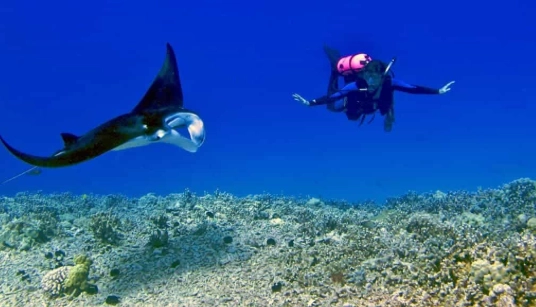
Essential Gear for a Successful Manta Snorkel
While tours provide basics, your personal gear can make or break the experience.
- A High-Quality Mask That Fits: This is your window to the underwater world. A leaking mask is a nightmare. Invest in a mask with a soft silicone skirt and test the fit before you travel (press it to your face without the strap; it should seal with a gentle inhale). Consider a low-volume mask for a wider field of view.
- Your Own Snorkel: A dry-top snorkel prevents water from entering when you dive below the surface. Having your own is more hygienic and reliable.
- Fins: Full-foot fins are best for snorkeling from a boat. They provide efficient propulsion with minimal effort. Practice using them before the trip to avoid leg cramps.
- Wetsuit or Rash Guard: Even in tropical waters, you can get cold during a 45-minute snorkel. A 2-3mm wetsuit or a long-sleeved rash guard provides warmth, sun protection, and a barrier against accidental jellyfish stings.
- Anti-Fog Solution: Nothing is worse than a foggy mask during a manta encounter. Use a dedicated anti-fog gel or, the old diver’s trick, a tiny dab of baby shampoo rubbed in and rinsed out.
- Waterproof Camera (Used Responsibly): If you must take photos, use a GoPro or similar with a wrist strap—never a selfie stick. Remember, experiencing the moment is more important than capturing it perfectly. Keep flash and bright video lights off.
The Responsible Snorkeler's Guide: Behavior & Ethics
You are a guest in the manta’s home. Your behavior directly impacts their well-being and the longevity of these encounters.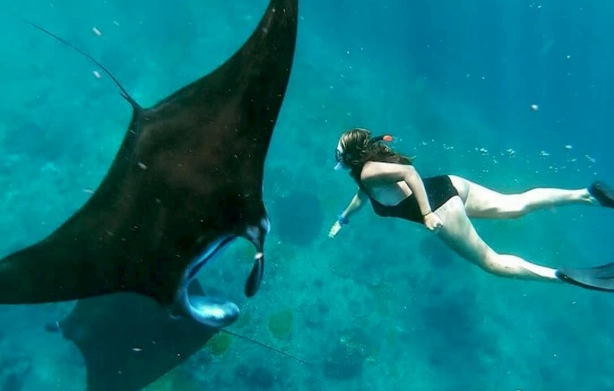
The Golden Rule: Observe, don't disturb. Mantas are curious but sensitive. Let them control the interaction.
What TO DO:
- Stay Horizontal and Streamlined: Float calmly on the surface. Use gentle fin kicks from your hips to avoid stirring up sediment or hitting the reef.
- Breathe Normally: Loud, rapid breathing (snorkel “Darth Vader” sound) can spook marine life. Try to relax and breathe slowly.
- Keep Your Hands to Yourself: Do not touch, chase, or attempt to ride a manta ray. The mucus coating on their skin protects them from infection; touching removes it.
- Listen to Your Guide: They are there for your safety and the animals' protection. Follow their hand signals immediately.
What NOT TO DO:
- Never stand on or touch the coral reef. Coral is a living animal that takes decades to grow. A single fin kick can destroy it.
- Avoid excessive splashing or rapid movements.
- Do not use flash photography. It can startle and disorient mantas and other marine life.
- Never feed or attempt to feed marine animals.
Your Manta Ray Snorkeling Questions Answered
Most reputable tours require participants to be comfortable swimmers and confident in open water. You don't need to be an Olympic athlete, but you must be able to swim unaided, tread water, and handle mild currents. Many operators provide flotation devices (noodles or life jackets), which I highly recommend for anyone less confident. The key is being relaxed in the water; panic is the real danger. If you're unsure, book a day trip to a calm reef first to gauge your comfort level before committing to a night manta snorkel, which is more challenging.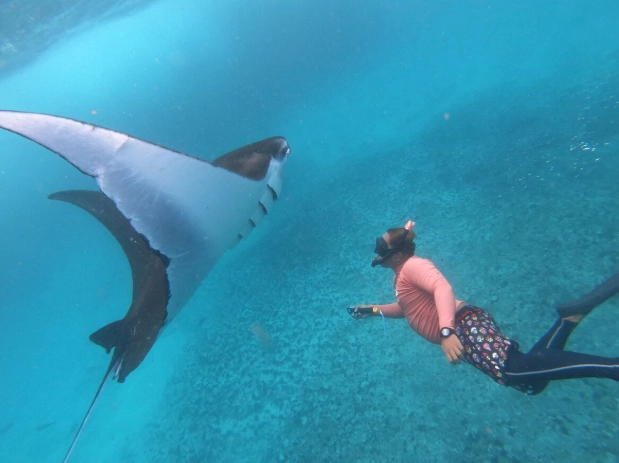
Beyond the obvious (touching the animals), it's poor fin technique. People often forget they have long fins on and kick from the knees, creating a frantic, splashing motion. This not only scares mantas away but also exhausts you and increases the risk of kicking other snorkelers or the fragile reef. The correct technique is a slow, steady flutter kick from the hips with mostly straight legs. Practice in a pool first. A calm, minimal-movement snorkeler is far more likely to have a prolonged, close encounter.
No ethical operator can guarantee sightings. Manta rays are wild animals. However, tours to established cleaning stations or feeding areas (like the Kona coast night dives) have incredibly high success rates, often above 90%. Season matters immensely. In places like the Maldives or Indonesia, sightings peak during the plankton-rich dry season. A good captain and guide will use local knowledge, but there's always an element of luck. My advice: manage expectations, embrace the overall ocean experience, and consider any manta sighting a wonderful bonus.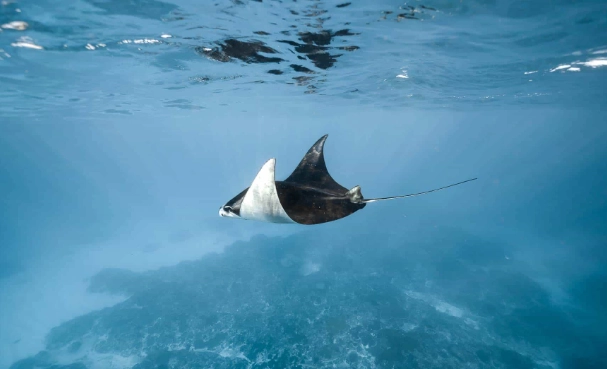
Prioritize operators with clear sustainability certifications (like Blue Flag or local eco-tourism awards) and small group sizes. Ask specific questions: What is their manta interaction protocol? Do they use LED light boards responsibly (attracting plankton, not blinding the mantas)? What is their guide-to-guest ratio? Read reviews, but look for details about crew knowledge and respect for marine life, not just 'we saw mantas.' A cheaper, crowded boat with inexperienced staff can ruin the experience and harm the environment. The best investment is an operator that values the animals as much as your satisfaction.
Snorkeling with manta rays is a privilege. It’s a chance to connect with the ocean’s grandeur in a deeply personal way. By choosing your tour wisely, preparing with the right gear, and committing to respectful behavior, you’re not just ensuring an amazing trip for yourself—you’re helping protect these magnificent creatures for generations of snorkelers to come. Now, go make some bubbles and memories.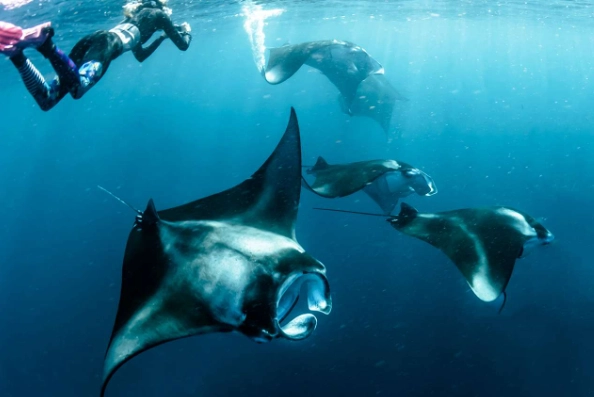
Reader Comments