Quick Guide
Let's cut right to the chase. You're floating on the surface, peering down at a stunning coral reef or a curious school of fish. The classic snorkeling view is great, but you want to get closer. That thought pops into your head: can you dive when snorkeling?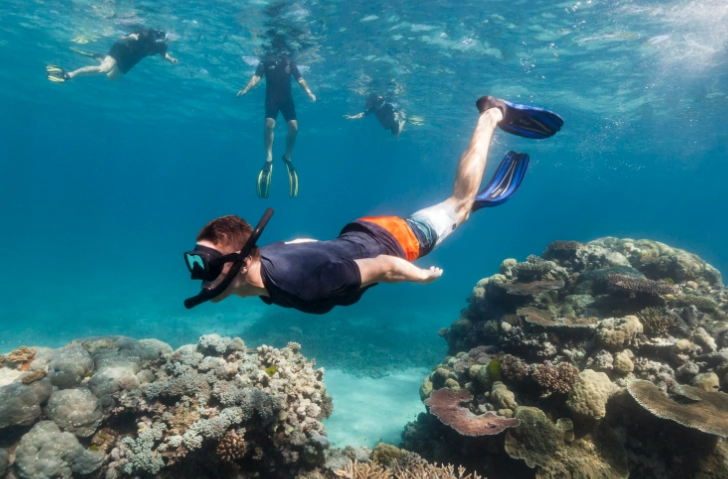
The short, simple answer is yes, absolutely. But here’s the thing – what you're actually doing at that moment stops being called "snorkeling" and starts being called something else: freediving or skin diving. It's a natural and incredibly fun progression. Snorkeling gets you the surface tour; diving down lets you visit the neighborhood up close.
I remember my first time trying it on a trip to Hawaii. I was just snorkeling, honestly a bit bored of seeing the same parrotfish from above. I took a big breath, kicked my legs up, and went down. Just for a few seconds, just a few meters. It was a complete game-changer. The silence, the closeness, the different perspective. It felt like I'd unlocked a secret level of the ocean.
But (and this is a big but), going from a surface snorkeler to someone who dives down safely requires a bit of know-how. It's not complicated, but ignoring the basics can range from making your dive uncomfortable to putting you in real danger. This guide isn't here to scare you off; it's here to equip you. We'll strip away the jargon and talk about exactly what happens when you decide to dive while snorkeling, how to do it safely, and how to get better at it.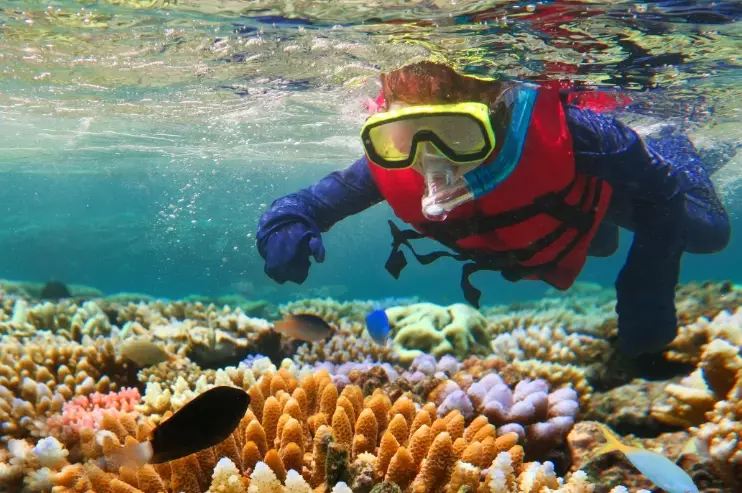
Snorkeling vs. Diving Down: What's Actually Happening?
It helps to clear up the terminology first, because it explains the activity. When you're snorkeling, your primary goal is to breathe comfortably through the tube while floating face-down on the surface. Your body is horizontal, and you're observing the world below. The moment you take a breath, hold it, and propel yourself downward to explore depth, you've transitioned into the realm of freediving.
Think of snorkeling as the taxi ride that gets you to the general area. Diving down is getting out of the taxi to walk around the interesting market you spotted. They're part of the same outing, but they're different actions.
So, to directly answer the core question, can you dive when snorkeling? You're not just *able* to; it's a natural combo. A typical ocean session involves both: snorkeling to cruise and spot things, and freediving to investigate them closely.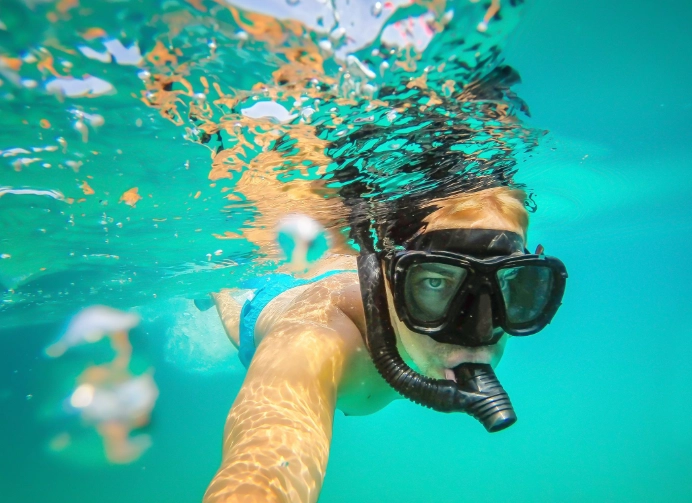
The Freediving Basics: How Deep and How Long?
This is what most new folks want to know. When you start, forget about impressive numbers. Your first dives might only be 2-3 meters (6-10 feet) deep and last 15-30 seconds. And that's perfectly fine, even great. The goal is comfort and control, not depth records.
- Recreational Depth: For most people enjoying this as part of their snorkeling adventure, a depth of 5-10 meters (15-30 feet) is a fantastic and achievable range. It allows you to reach most reef tops, interact with marine life, and explore interesting formations.
- Breath-Hold Time: Similarly, a breath-hold of 30 seconds to a minute is very common and plenty for a good look around. Pushing this time is a skill that requires specific relaxation techniques and should never be forced.
Here’s a quick reality check. That video you saw of someone diving down 20 meters to touch the sand? That’s a trained freediver, likely with years of practice, using advanced techniques. When you're starting out, trying to imitate that is like trying to run a marathon on your first jog. It’s a surefire way to have a bad time or get hurt.
Gearing Up: What You Need to Dive While Snorkeling
Your standard snorkeling kit gets you 90% of the way there. But if you plan to make diving down a regular part of your fun, a few tweaks can make a world of difference.
The Essential Snorkeling Kit:
- Mask: A low-volume mask is a game-changer. It sits closer to your face, meaning there's less air inside to squeeze or equalize as you go down. It also reduces drag. Try one on in a store if you can—fit is everything. A leaking mask ruins the dive.
- Snorkel: A simple J-shaped snorkel is best for diving. The fancy dry snorkels with the float valve on top? They can sometimes trap a bit of water or add drag. I’ve switched back to a basic one for diving down because it's more reliable.
- Fins: This is the most important upgrade. Long, flexible freediving fins are amazing, but even good, stiff snorkeling fins are okay to start. Avoid short, floppy "pool" fins. You need power to get down and back up efficiently. Blisters from new fins are a real pain, so wear protective socks if needed.
The "Nice-to-Have" Upgrades:
- Wetsuit: Even in warm water, a thin (1-2mm) wetsuit or rash guard provides buoyancy, sun protection, and guards against minor scrapes on coral. As you dive, you lose body heat faster than when floating.
- Weight Belt (Used Cautiously!): This is advanced territory. A little weight can help you sink initially, but too much makes you sink like a stone and fight to get back up. Never use one without understanding buoyancy and always with a buddy.
The Core Technique: How to Actually Dive Down Safely
Okay, you're geared up, floating over something cool. Here’s a breakdown of the move from snorkeler to freediver. It feels awkward at first, then becomes second nature.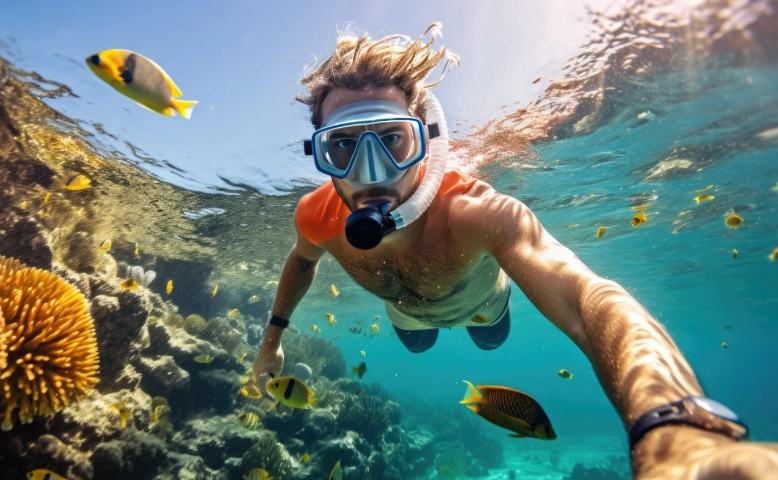
Step 1: The Breath-Up and Final Breath
Don't hyperventilate. Just take 30-60 seconds of normal, relaxed breaths through your snorkel. This oxygenates your blood normally. Then, for your dive breath, take a full, deep breath—filling your lungs comfortably, not to the point of straining your chest. A smooth, deep inhale, then close your mouth.
Step 2: The Surface Dive
There are two main ways to start your descent:
- Duck Dive: The efficient method. From a horizontal float, lift your hips up, point your head down, and let your legs follow. Use a strong arm pull to initiate the descent. It takes practice to get it sleek.
- Head-First Drop: Simpler for beginners. Tread water vertically, take your breath, then simply bend at the waist and point yourself down, kicking to follow.
The key is to get your body vertical. Snorkeling is horizontal; diving is vertical.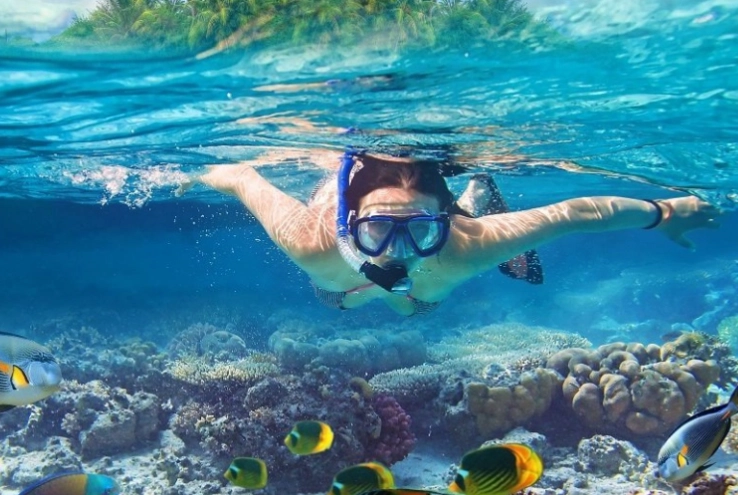
Step 3: Equalizing Your Ears (The Non-Negotiable Step)
This is the make-or-break skill. As you descend, water pressure increases and pushes your eardrums inward. You must push air into your middle ear to balance this pressure.
How to do it (The Valsalva Maneuver): Pinch your nose through your mask skirt. Gently try to blow air out of your nose. You'll feel a "pop" or relief in your ears. Do this early and often. Equalize the moment you feel pressure, before it becomes pain. Never force it if it doesn't work—ascend a foot and try again.
Step 4: The Descent and Ascent
Use slow, powerful fin kicks. Glide when you can to conserve energy and oxygen. Relax every other muscle. Tension burns oxygen fast. Look around, enjoy it.
For the ascent, simply look up, kick gently, and let your natural buoyancy help. Never hold your breath tightly on the way up. Keep your airway open (a soft "ahh" sound helps) to let expanding air escape. As you surface, exhale forcefully through your mouth to clear your snorkel, then take a smooth, controlled breath in.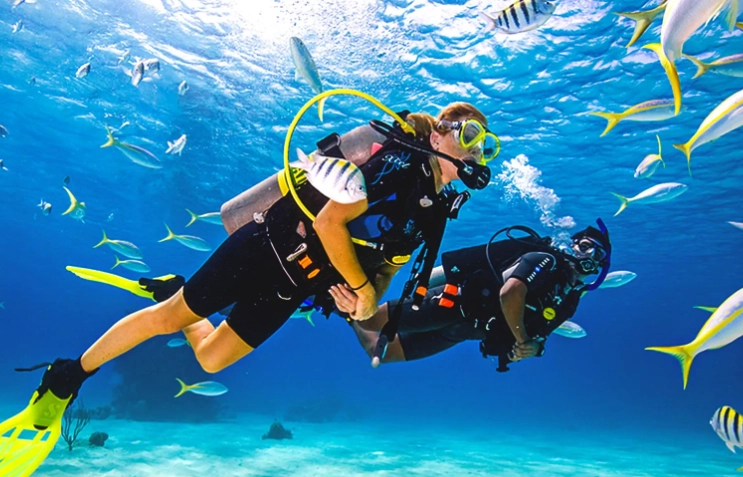
The Safety Rules You Cannot Ignore
This is the most important part of this entire guide. Diving while snorkeling is incredibly safe if you follow fundamental rules. Ignoring them is how people get into trouble.
The Golden Rule: Never Dive Alone. Ever. Your buddy stays on the surface, watching you. You take turns. This is non-negotiable. A shallow water blackout (a sudden loss of consciousness near the surface) can happen to anyone, even experts. A buddy is your only lifeline.
Listen to Your Body. Feel a strong urge to breathe? Come up. Feel dizzy or strange? Come up. Ears won't clear? Come up. Your body's signals are your primary safety system. Ignoring them to see that one more fish is pure ego, not adventure.
Know Your Limits and Build Slowly. Don't try to match your friend's depth or time. Your dive is your own. Each session, aim for comfort and slight improvement, not personal records.
Check Your Environment. Currents, boat traffic, marine life. Be aware. A strong current can sweep you away from your entry point or your buddy.
For comprehensive and authoritative safety guidelines, the Professional Association of Diving Instructors (PADI) Freediver course standards are an excellent resource to understand the formal safety protocols, even if you're not taking a course. Additionally, the National Oceanic and Atmospheric Administration (NOAA) has valuable information on diving safety and physiology that underscores the science behind the rules.
Common Questions (Stuff People Really Worry About)
Do I need a special certification to dive while snorkeling?
Legally, no. For simple, shallow dives in good conditions, you don't need a card. But here's my strong opinion: taking a one-day introductory freediving course is one of the best investments you can make for your enjoyment and safety. They teach you the proper techniques for breathing, equalizing, and safety in a controlled pool or confined water setting. It builds confidence massively.
Can kids dive when snorkeling?
Yes, but with extreme caution and much shallower limits. Children have smaller lung capacities and may not understand equalization or their limits as well. Constant, close supervision by an adult in the water is mandatory. Make it a game, keep it very shallow (like 1-2 meters), and focus on fun, not achievement.
What's the difference between this and scuba diving?
Night and day. Scuba diving involves carrying a tank of compressed air that lets you breathe underwater for extended periods (30-60 minutes). It requires significant training, certification, and more complex equipment. Freediving (diving while snorkeling) is breath-hold diving. It's simpler, more minimalist, and connects you to the water in a very direct, silent way. Scuba lets you stay down; freediving lets you visit.
I get water up my nose! How do I stop that?
This usually means your mask isn't sealed perfectly or you're grimacing as you equalize. Ensure your mask strap isn't too tight (it should seal by suction, not strap pressure). Practice equalizing gently. Sometimes a small amount of water gets in, and you just have to clear it by looking up, pressing the top of the mask, and exhaling through your nose—a useful mask-clearing skill to learn.
How do I avoid scaring the fish away?
Move slowly and smoothly. Avoid frantic kicking or splashing at the surface before your dive. Approach from the side, not head-on. Often, if you descend calmly and hang motionless, marine life will come to you. It's magic when it happens.
My Personal Learning Path (And What I'd Do Differently)
I learned by just doing it, which I don't fully recommend. I swallowed seawater, struggled with equalization, and had a few scary moments of pushing my breath-hold too far because I didn't know any better. I was lucky.
If I could start over, here’s the path I’d take:
- Master surface snorkeling first. Be utterly comfortable floating, breathing, and clearing your snorkel.
- Practice breath-holds on dry land, sitting down. Just to get a feel for the sensations, without any pressure.
- Take a formal introductory course. Even a 3-hour pool session would have saved me years of bad habits.
- Start in a pool or very calm, shallow, clear ocean area. Practice the duck dive and equalization where you can stand up anytime.
- Always, always dive with a buddy who understands the deal. This is the single biggest factor.
The journey from asking "can you dive when snorkeling?" to doing it gracefully is short and incredibly rewarding. It opens up a whole new dimension of the ocean. It turns a passive activity into an active exploration.
So yes, you can dive when snorkeling. And with a bit of knowledge and a lot of respect for the water, you absolutely should.
Reader Comments