I’ll never forget the first time I saw someone panic while snorkeling. It was in Hawaii, calm as a lake. One minute they were fine, the next they were thrashing, swallowing water, eyes wide with terror. Their buddy yanked them to the surface. It was over in 30 seconds, but it changed how I view the water. Snorkeling feels effortless when it’s right, but that feeling is deceptive. Safety isn’t just about avoiding sharks; it’s a hundred small, unsexy decisions that most guides gloss over.
This isn’t a list of obvious tips. It’s the stuff I’ve learned guiding trips and making my own stupid mistakes over fifteen years. The subtle errors that turn a dream trip into a stressful—or worse—situation.
What's Inside This Guide?
Gear Safety: Your First Line of Defense (And Failure)
Rental gear is a gamble. I’ve seen masks so scratched you can’t see, fins with broken straps, and snorkels held together with old silicone. Your gear is your life support system. Treat it that way.
The Mask: Fit is Everything
Forget brand names for a second. A leaking mask is the single biggest annoyance that leads to constant clearing, frustration, and taking your face out of the water in rough spots. The test is simple: place the mask on your face without the strap. Inhale gently through your nose. If it sticks for a few seconds, you’re golden. If it falls, try another. Pay special attention to the bridge of your nose and your cheekbones. Many Western-brand masks are too wide for narrower faces—look for “Asian fit” models if you have a slimmer profile.
Snorkels: Simple is Safer
I have a strong opinion here: avoid dry snorkels with complex purge valves for your first few years. Why? They can fail to seal, giving you a false sense of security. When they do flood, clearing them requires a massive, forceful exhale that new snorkelers often botch. A simple J-shaped snorkel or one with a basic splash guard is easier to understand and clear reliably. You know exactly how it works.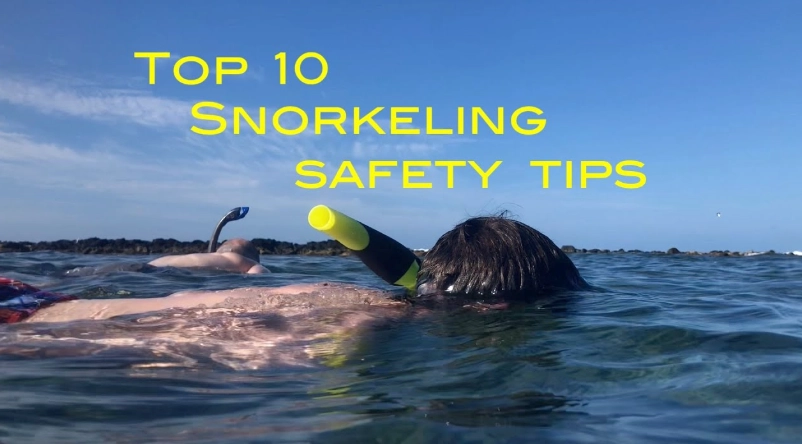
Fins: The Power Source
Ill-fitting fins cause blisters and cramps. They should be snug but not cutting off circulation. Full-foot fins are great for warm, calm water from a boat. If you’re walking over rocks or a reef from shore, open-heel fins with booties are mandatory. They protect your feet and give you traction.
| Gear Piece | Safety Priority | Common Mistake |
|---|---|---|
| Mask | Perfect seal, anti-fog treatment | Choosing based on color/price, not face shape. |
| Snorkel | Easy clearing, comfortable mouthpiece | Using a complex “dry” snorkel without knowing how to clear it when it fails. |
| Fins | Proper fit, correct type for activity | Using full-foot fins on rocky shore entries, causing slips and cuts. |
| Exposure Protection | Prevents hypothermia & sunburn | Thinking you don’t need a rash guard in tropical sun (you do). |
| Flotation | Provides rest, visibility, confidence | Relying on a pool noodle in current or skipping it altogether to look “pro.” |
Reading the Water: Environmental Safety Checks
You wouldn’t cross a busy street without looking. Don’t enter the ocean without reading it. This skill separates tourists from seasoned snorkelers.
Assess the entry and exit point first. Is it sandy, or are there slippery rocks? Are waves breaking directly on it? Always plan your exit before you enter. A calm entry can become a treacherous exit if the tide has come in or the swell has picked up.
Current is the invisible threat. Look for clues: Are other snorkelers drifting quickly in one direction? Is there a line of foam or debris moving steadily? Are the fish all facing the same way? If you suspect a current, swim against it at the start of your snorkel when you’re fresh. That way, the return trip is an easy drift back to your exit point.
Weather changes fast. A sunny morning can turn into a windy afternoon with choppy water and reduced visibility. Check local marine forecasts. Resources like the National Oceanic and Atmospheric Administration (NOAA) provide coastal forecasts and small craft advisories that are invaluable.
Here’s a non-consensus point: tide charts are more important than wave forecasts for many shore snorkels. A reef that’s perfect at high tide can be a dangerous, shallow obstacle course at low tide. You risk both getting cut on coral and being stranded if the water recedes. Know the tide schedule.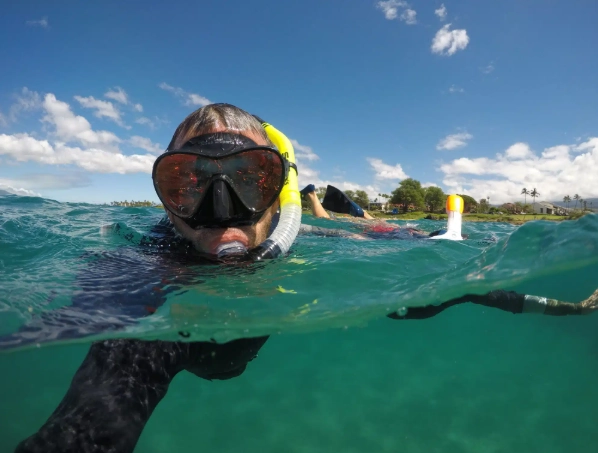
Technique Safety: How to Move and Breathe
Good technique isn’t about style; it’s about efficiency and panic prevention.
Breathing: Breathe slowly and deeply. In through the mouth, out through the mouth. The sound should be a steady, Darth Vader-like rhythm. Shallow, rapid breathing (hyperventilation) can lead to lightheadedness and doesn’t properly clear CO2 from the snorkel.
Position & Kicking: Stay horizontal. Your body should be flat, like a plank. Look forward at about a 45-degree angle, not straight down. Why? Looking down forces the back of your head up, which pushes the snorkel tip underwater. The moment you inhale water, panic starts. Kick from your hips with mostly straight legs, using long, relaxed flutter kicks. Tiny, frantic kicks from the knees exhaust you and scare fish.
- Practice Floating First: Before you even put your face in, practice rolling onto your back and floating. If you get tired, cramp, or need to adjust gear, this is your safe position.
- The Buddy System is Non-Negotiable: Stay close enough to make eye contact regularly. Agree on hand signals (OK, problem, look at that, let’s go in). A buddy isn’t someone 100 meters away.
- Conserve Energy: Use your arms minimally. Let your fins do the work. Glide whenever possible.
Specific Hazards & First-Aid Must-Knows
Marine Life
Don’t touch anything. Ever. This protects you and the ecosystem. Most “attacks” are defensive. Give rays, eels, and sea urchins a wide berth. For jellyfish stings, rinse with vinegar (not fresh water or urine, which can make some stings worse). Scraping off tentacles with a credit card is often recommended. Knowing the local hazardous marine life is key—check with dive shops.
Sun & Heat
You’re in the water, so you don’t feel yourself burning. A long-sleeve rash guard (UPF 50+) is the best snorkeling safety gear after your mask. Apply waterproof sunscreen to exposed areas like your face, neck, hands, and the backs of your knees. Dehydration happens quickly. Drink water before and after.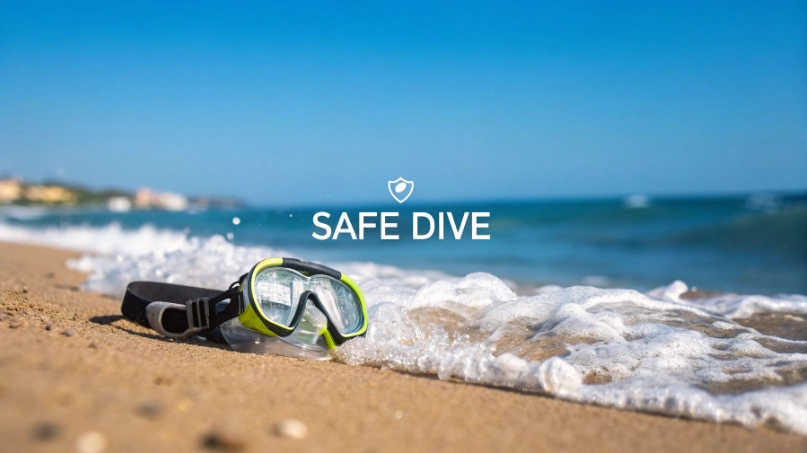
Cramps & Exhaustion
If you get a cramp, don’t fight it. Roll onto your back, float, and gently stretch the muscle. Signal your buddy. For calf cramps, pull your toes toward your shin. For exhaustion, float and signal. This is where a snorkel vest or even a simple inflatable belt can be a lifesaver—literally. It gives you effortless buoyancy to rest.
Common Safety Myths Debunked
Myth 1: “I’m a strong pool swimmer, so I’ll be fine.” Ocean swimming is different. Currents, waves, and saltwater buoyancy change everything. Endurance matters more than speed.
Myth 2: “The lifeguard will see me if I’m in trouble.” Many great snorkel spots don’t have lifeguards. Even if they do, you’re a small head in a big ocean. You are your own primary rescuer.
Myth 3: “If I see a shark, I should splash and yell to scare it away.” This is generally bad advice for the curious reef sharks you’re likely to see. Sudden, erratic movements can trigger a predator’s interest. The standard advice from shark experts is to stay calm, maintain eye contact, and slowly back towards your exit or boat. Most encounters are brief and inquisitive.
Snorkeling safety boils down to preparation, awareness, and humility. The ocean doesn’t care about your vacation plans. Respect it, prepare for its whims, and those small, conscious choices will let you relax and truly enjoy the breathtaking world below the surface.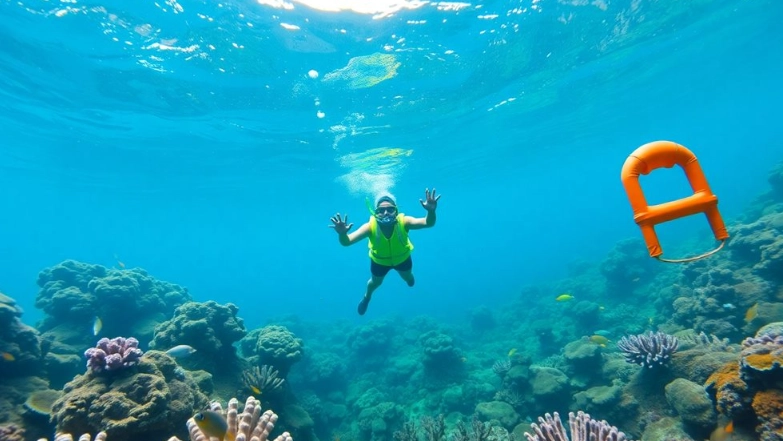
Your Snorkeling Safety Questions Answered
How do I choose a snorkeling mask that won't leak?
What's the single biggest mistake snorkelers make that leads to panic?
Is it safe for my child to snorkel, and what age is appropriate?
What should I do if I get a leg cramp while snorkeling far from shore?
Reader Comments