Quick Navigation
- The Core Four: Non-Negotiable Safety Gear
- Beyond the Basics: The Real Safety Kit
- The Snorkeling Safety Gear Reviews: Breaking Down Top Contenders
- The Buying Guide: How to Vet Gear Yourself
- Maintenance: The Safety Practice No One Talks About
- Answering Your Questions (The FAQ We All Need)
- Wrapping It Up: Your Safety Checklist
Let's talk about snorkeling safety gear reviews. You've probably read a few. They all seem to promise the world, don't they? "The ultimate mask!" "Fins that will make you a dolphin!" It gets overwhelming fast. I've been there, scrolling through pages of five-star ratings and slick marketing photos, trying to figure out what's actually worth my money and what's just clever packaging.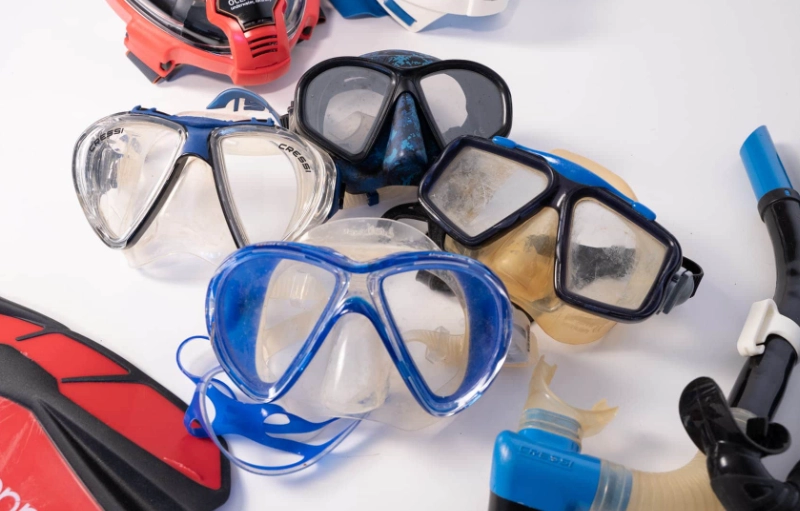
The truth is, when you're floating above a coral reef, the last thing you want to worry about is your gear failing. A foggy mask can ruin your view. A fin strap that snaps can turn a relaxing swim into a stressful paddle back to the boat. And that's just the annoying stuff. Real safety gear – the stuff that can genuinely help in a tricky situation – is a whole different conversation that most product reviews barely scratch the surface of.
So I decided to stop just reading and start testing. Over the last few years, I've bought, borrowed, and tried out a silly amount of snorkeling equipment. Some of it was fantastic. Some of it was... well, let's just say it taught me expensive lessons. This isn't just another list of affiliate links. This is a deep dive into what actually works, what doesn't, and why you should care about the difference. Think of it as your no-nonsense guide to buying gear that makes your snorkeling safer, not just more Instagrammable.
Why Safety Gear Isn't Optional: It's easy to think of snorkeling as just swimming with a tube. But you're entering an environment where you're a guest. Currents change. Visibility drops. You can get tired. Even a simple cramp can become a problem if you're far from shore. Good safety gear isn't about fear; it's about respect for the ocean and confidence in your own adventure.
The Core Four: Non-Negotiable Safety Gear
Before we get into specific brands and models, let's define what we're even talking about. When I say "safety gear," I'm focusing on four core categories that directly impact your security in the water. A perfect snorkeling safety gear review should dissect each of these.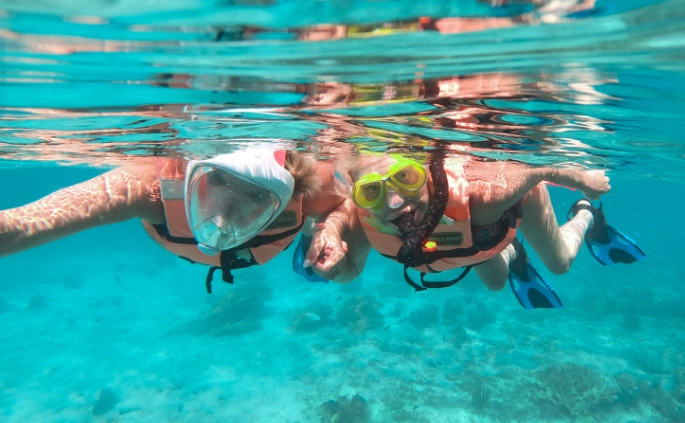
1. The Mask: Your Window to the World (And Your Air)
This is your most critical piece of equipment. A leaky or foggy mask isn't just annoying; it can disorient you and force you to surface constantly, wasting energy and potentially putting you in a bad spot if there's boat traffic or a strong current.
What most reviews get wrong is focusing only on the lens shape or color. The real safety features are in the skirt and the frame.
- Skirt Material & Fit: Silicone is the standard for a reason—it's hypoallergenic, flexible, and creates a good seal. But not all silicone is equal. Softer, medical-grade silicone molds to your face better, especially if you have facial hair or unique bone structure. A hard, cheap skirt will leave red marks and likely leak. I made this mistake with a bargain-bin mask once. After 20 minutes, I had a headache from the pressure and a constant trickle of water down my face. Never again.
- Field of View vs. Seal: Panoramic masks are trendy. They offer an incredible, wide-angle view. But here's the catch: a larger lens area means a longer skirt seal that has to be perfect. If your face isn't a perfect match for that specific mask's geometry, it's more prone to leaking. For pure safety and reliability, a traditional two-lens mask with a low-volume design often provides a more secure, leak-proof fit. It's a trade-off.
- The Purge Valve Debate: Some masks have a little one-way valve at the bottom to let water out. In theory, great. In practice, they can be a point of failure. Sand or debris can jam them. They add complexity. For a beginner, the simplicity of just tilting your head and exhaling through your nose to clear a traditional mask is a more reliable skill to master.
My Go-To: After trying probably a dozen masks, I keep coming back to a simple, low-volume design from a reputable brand like Cressi or Aqua Lung. The fit is just superior for me. Forget the gimmicks—a perfect seal is the ultimate safety feature.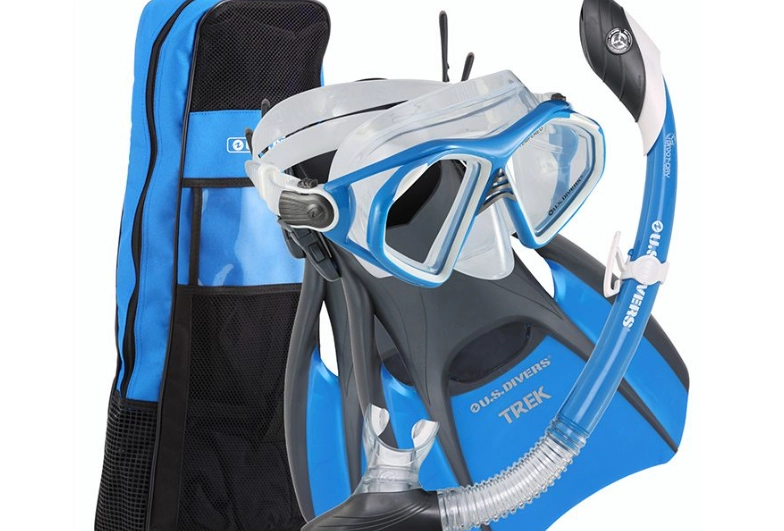
2. The Snorkel: Your Lifeline to Air
The humble snorkel has evolved into a tech gadget. Dry snorkels, semi-dry snorkels, splash guards, purge valves, flexible tubes... it's a lot.
Let's simplify. The key safety question for any snorkel is: How reliably does it keep water out of my airway when I'm not expecting it?
- Dry Snorkel Top: This has a floating ball or mechanism that seals the top when submerged. It's fantastic for preventing water from pouring in if a wave goes over you or you dive down briefly. Essential for beginners and a major safety boost. The downside? They can sometimes stick, and the mechanism needs rinsing to prevent salt/sand buildup.
- Splash Guard vs. Dry Top: A splash guard is just a little cover that deflects surface spray. It doesn't seal. Don't confuse the two. A "semi-dry" snorkel usually has a splash guard, not a full dry mechanism.
- Purge Valve: A valve at the bottom of the barrel lets you blast water out with a strong exhale. This is genuinely useful. Clearing a full traditional snorkel can take multiple breaths. With a good purge valve, one sharp exhale does it. Less effort, faster recovery.
- Flexible Tube Section: The part that curves around to your mouth is often flexible. This is good—it lets the mouthpiece sit comfortably without pulling on your mask strap. But if it's too floppy, it can wobble and let water in. Look for a firm but flexible material.
My take? For general safety, a dry-top snorkel with a purge valve is the sweet spot. It significantly reduces the chance of inhaling water unexpectedly, which is a primary cause of panic for new snorkelers.
3. Fins: Your Engine and Your Exit Strategy
Fins aren't just for going fast. They're your propulsion to fight a mild current, to conserve energy by moving efficiently, and to get yourself back to safety if you need to. Weak, floppy fins are a liability.
Here's what you won't find in a superficial snorkeling safety gear review: the blade stiffness is everything.
- Blade Stiffness: Stiffer blades transfer more power from your leg stroke to the water. They are more efficient. But they also require stronger leg muscles. A fin that's too stiff for you will tire you out quickly. A fin that's too soft will have you kicking like crazy to make headway. The right stiffness is a personal safety calculation based on your fitness.
- Full-Foot vs. Open-Heel: Full-foot fins (like slip-on boots) are great for warm, calm water from a beach. They're simple and comfortable. Open-heel fins require booties. Why is this a safety feature? Booties protect your feet from hot sand, sharp rocks, and coral. Open-heel fins with adjustable straps also typically offer more power and are the only choice for colder water. If your snorkeling involves any entry/exit over rocky shores, booties and open-heel fins are a safety must.
- Channel vs. Pivot Blades: Some modern fins have blades that "pivot" on your foot, supposedly improving efficiency. They can be great, but the mechanism is another potential point of failure. Traditional, one-piece channel fins are dead simple and reliable. In my gear reviews, I tend to favor simplicity for core safety items.
Watch Out: The cheapest fins often have very soft blades and weak, plastic straps that can snap. I had a strap break on a calm day in Cozumel. It wasn't dangerous, but it was a long, awkward, one-legged swim back to the boat. Not fun. Invest in fins with reinforced straps and solid buckles.
4. Exposure Protection: More Than Just Warmth
This is the category most often overlooked in basic snorkeling safety gear reviews. Exposure protection means rash guards, wetsuits, and dive skins.
Their primary job is thermal—keeping you warm. But a secondary, crucial safety function is protection from the sun and from abrasions.
Sunburn is a real threat on the water. A bad burn can ruin your trip, but more importantly, severe sunburn can lead to heatstroke and dehydration, which are serious medical issues. A long-sleeve rash guard with a high UPF rating (50+) is a simple, effective barrier.
Abrasion protection is huge. A light brush against fire coral or a rough rock can cause nasty cuts that sting and can become infected. A 1mm or 2mm neoprene top or full suit provides a protective layer. It also offers surprising buoyancy, which helps you conserve energy.
Don't think of a thin wetsuit as just for "cold" water. Think of it as your all-purpose dive skin for safety and comfort.
Beyond the Basics: The Real Safety Kit
Okay, you've got your mask, snorkel, and fins (the "big three"). Most people stop there. But if you're serious about safety, your kit needs a few more items. These are the things that separate the prepared from the purely hopeful.
Surface Marker Buoy (SMB) or Safety Sausage
This is, without a doubt, the most important piece of additional safety gear you can own, yet it's almost never mentioned in mainstream snorkeling safety gear reviews. It's a bright orange (usually) inflatable tube that you can deploy on the surface.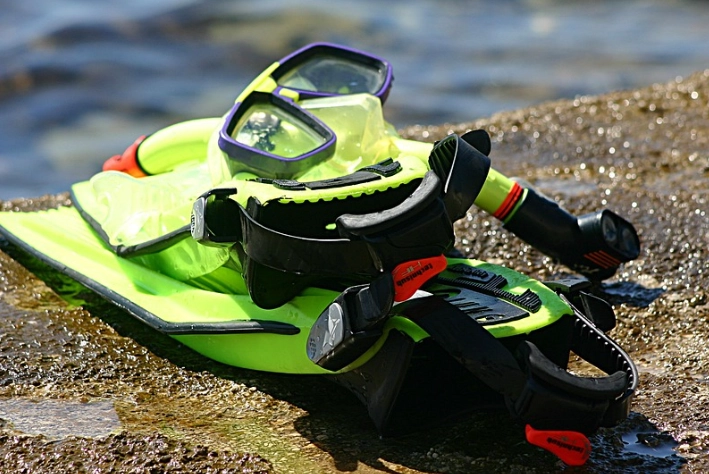
Why it's a game-changer: It makes you highly visible to boat traffic. If you're tired, have a cramp, or are with someone who needs help, you inflate it and you instantly become a much bigger, brighter target for help. It takes up little space in your gear bag but adds a massive layer of security, especially when snorkeling from a shore where boats might be present. You can learn more about their importance from diving safety organizations like DAN (Divers Alert Network), which emphasizes visibility as a primary safety principle.
Dive Alert or Whistle
How do you get someone's attention on a boat or shore when you're 100 yards away? Yelling is exhausting and often futile. A Dive Alert is a small plastic device attached to your low-pressure inflator hose (if you have a BCD) or it can be a standalone oral-inflated horn. It makes a loud, piercing sound that carries over water. A simple, pea-less whistle attached to your snorkel or buoyancy aid works too. Sound signals are a fundamental part of marine safety.
A Snorkeling Vest or Buoyancy Aid
Not to be confused with a bulky life jacket. Modern snorkeling vests are minimalist, inflatable bladders you wear around your neck or integrated into a harness. You orally inflate them when you need extra buoyancy—if you get tired, need to rest, or assist someone else. They deflate flat when not in use. They provide peace of mind, especially for less confident swimmers or when in deeper water. Some models are even mandatory for tours in certain locations.
A Waterproof First Aid Kit & Dry Bag
Keep a small, waterproof first aid kit in a dry bag on the boat or beach. It should have seasickness pills, antiseptic wipes, bandages, and antihistamines for jellyfish stings. The dry bag is also for your keys, phone, and wallet. Losing your car keys is a safety issue too, just of a different kind!
The Snorkeling Safety Gear Reviews: Breaking Down Top Contenders
Alright, let's get specific. Based on my testing and the criteria above, here's a breakdown of how some popular and highly-reviewed gear stacks up from a true safety perspective. Remember, the "best" is what fits you and your specific needs safely.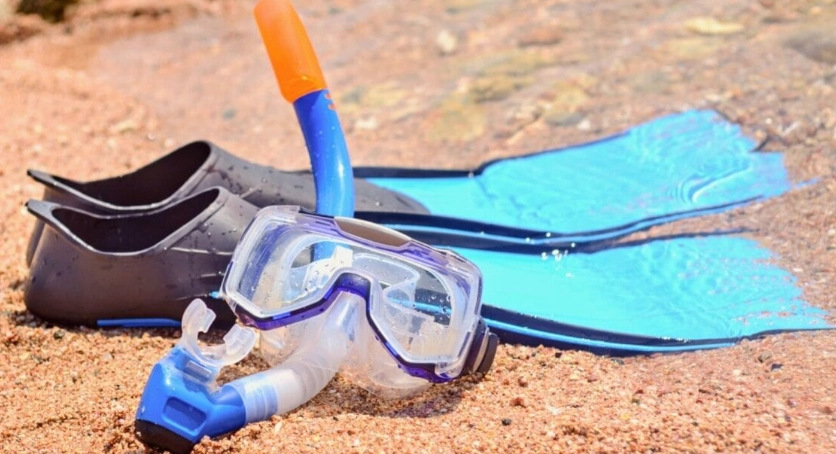
| Gear Category | Top Safety-Focused Pick | Key Safety Features | Potential Drawback (The Real Talk) | Who It's For |
|---|---|---|---|---|
| Mask | Cressi F1 Frameless Mask | Super-soft silicone skirt for exceptional seal, low volume for easy clearing, tempered glass lens. | Frameless design can feel less durable (though mine has held up for years). Minimalist look. | Snorkelers who prioritize a leak-proof seal above all else. Great for varied face shapes. |
| Snorkel | Cressi Supernova Dry Snorkel | Reliable dry-top mechanism, large purge valve, comfortable flex tube. | The dry-top can occasionally be slow to open if you surface aggressively. Needs a good rinse. | Beginners and intermediates who want maximum protection from unexpected water intake. |
| Fins (Full-Foot) | Mares Avanti Superchannel Full Foot | Excellent blade stiffness/power ratio, durable foot pocket, efficient channel design. | Stiffness may be too much for very casual swimmers. Sizing can run small. | Snorkelers who want efficient, powerful kicks from beach entries. Good swimmers. |
| Fins (Open-Heel) | Scubapro Seawing Nova | Pivot blade is incredibly efficient, reducing fatigue. Great for current. Requires booties. | Premium price. The pivoting mechanism, while robust, is more complex than a simple fin. | Serious snorkelers who cover distance, face currents, or also try scuba. |
| Exposure Suit | O'Neill Reactor 2mm LS Springsuit | 2mm neoprene for warmth & abrasion protection, flatlock stitching, UV protection. | Can be warm in the hottest tropical sun if you run hot. | Almost everyone in water below 82°F (28°C), or anyone wanting sun/scratch protection. |
| Safety Device | IST Sports Deluxe Snorkeling Vest | Oral inflate/deflate, compact, integrates with a backpack strap. Provides ~15 lbs buoyancy. | You have to remember to put it on and use it. Not automatic. | Snorkelers wanting buoyancy insurance, less confident swimmers, or those in deeper sites. |
See, a useful snorkeling safety gear review table shouldn't just list features. It should connect those features to real-world outcomes—like reducing fatigue or improving visibility. That's the stuff that matters when you're in the water.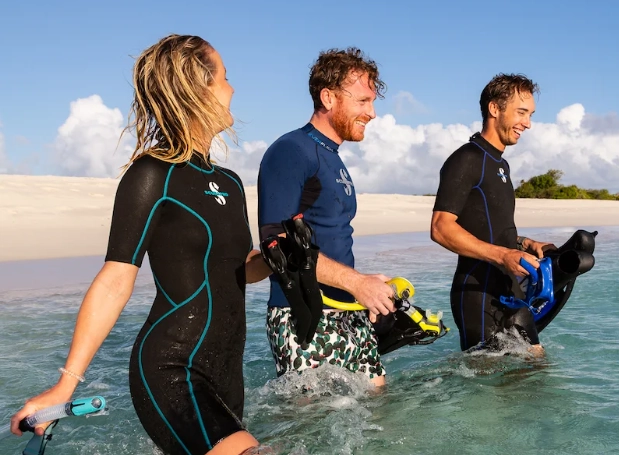
The Buying Guide: How to Vet Gear Yourself
You can't always trust a single review (not even this one!). Here's how to apply critical thinking when you're researching.
Quick Tip: Before you buy anything online, if possible, go to a local dive shop. Try masks on. Feel the fin blades. The staff are usually snorkelers and divers themselves and can offer priceless, non-commissioned advice (sometimes!).
- Look Beyond the Star Rating: Read the 3-star reviews. They often have the most balanced, detailed critiques. The 1-star reviews might reveal a consistent flaw. The 5-star reviews are often just "It came on time and looks great."
- Check the Source: Is the review on a site that sells the product? Take it with a grain of salt. Look for reviews on independent forums like ScubaBoard's snorkeling section, or trusted editorial sites like those from Outside Magazine or Scuba Diving Magazine, which often have rigorous testing protocols.
- Beware of Jargon: "Hydrodynamic!" "Aerospace polymer!" It often means nothing. Ask: What does this do for me? Does a wider fin make me safer or just slower? Does a mirrored lens help me see better or just look cool?
- Consider the Ecosystem: Some brands design their masks, snorkels, and fins to work together. The snorkel might clip to the mask strap in a specific way. This isn't essential, but it can reduce annoying drag and entanglement.
Maintenance: The Safety Practice No One Talks About
The best gear in the world fails if you don't take care of it. Your post-snorkeling routine is a safety routine.
- Rinse Everything in Fresh Water: Salt, sand, and sunscreen are the enemies of silicone, neoprene, and mechanisms. A quick rinse as soon as you're done extends the life and reliability of every part.
- Defog Your Mask Properly: Spit and rinse is the old diver trick. It works because the enzymes in saliva break down the oils. Commercial defog is more pleasant. Never use toothpaste on a new mask—that's an old myth that can scratch lenses. Baby shampoo diluted with water is a great, cheap alternative.
- Dry in the Shade: Never leave your gear in direct, hot sunlight to dry. UV radiation breaks down silicone and neoprene, making them brittle and prone to cracking. Hang it in a shaded, well-ventilated area.
- Store It Gently: Don't crush your mask in a backpack. Don't leave fins bent under heavy objects. Store them flat and relaxed.
Answering Your Questions (The FAQ We All Need)
I get a lot of questions from friends getting into snorkeling. Here are the big ones.
Wrapping It Up: Your Safety Checklist
Let's bring this all home. Before your next snorkel trip, run down this list. It's the culmination of all these snorkeling safety gear reviews and lessons learned the hard way.
Pre-Trip Safety Check:
- Mask: Clean, defogged, strap in good condition, seal checked.
- Snorkel: Mouthpiece not cracked, purge valve moves freely, dry-top mechanism works.
- Fins: Straps/buckles intact, blades not cracked or overly bent.
- Exposure Suit: No major tears, clean.
- Extras: SMB/whistle packed. Vest packed. First aid/dry bag ready.
- Knowledge: Checked weather & tide reports. Briefed buddy on plan & hand signals.
The goal of all this isn't to scare you or make snorkeling seem like a dangerous, gear-intensive special ops mission. It's the opposite. When you have confidence in your equipment and your knowledge, you can truly relax. You can focus on the turtle gliding below you, the way the light dances on the sand, the incredible silence of the underwater world.
That's the real payoff. Safety gear isn't a constraint; it's the thing that sets you free to enjoy the experience fully, knowing you've done what you can to be prepared. So take these snorkeling safety gear reviews as a starting point, find what works for your face, your fitness, and your favorite snorkel spots, and get out there. Just do it smartly.
The ocean is waiting. And now, you're ready.
Reader Comments