My Snorkeling Journey Highlights
Let's be honest, you've probably seen those pictures. Crystal clear water, fish so colorful they look Photoshopped, and someone floating effortlessly above a coral garden. The dream of snorkeling in the Philippines is a powerful one. I had it too, for years. Then I finally went. And you know what? It's better. But also, sometimes, a bit more complicated.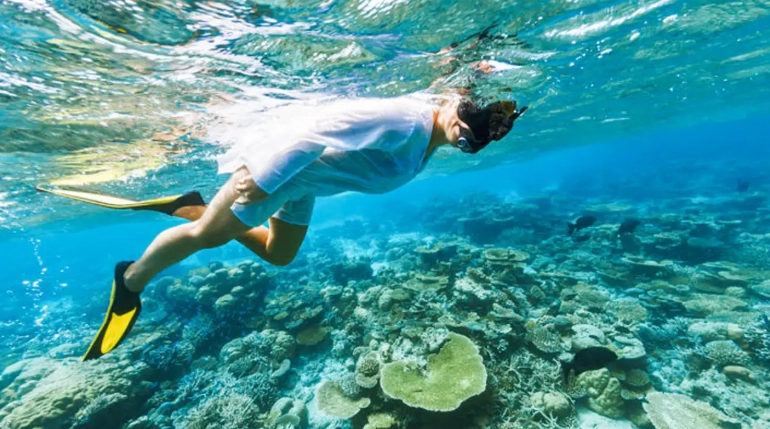
I'm not here to sell you a postcard. I want to give you the straight story – the breathtaking sights, the logistical headaches, the spots that are worth the long journey, and the ones that might be past their prime. Because planning a trip for snorkeling in the Philippines isn't just about picking a pretty island on a map. It's about understanding seasons, currents, conservation efforts (or lack thereof), and finding that perfect slice of underwater heaven that matches your skill level.
Where to Go: The Best Spots for Snorkeling in the Philippines
This is the big question, right? With over 7,000 islands, the choice is paralyzing. Everyone shouts about Palawan and Boracay, but there are gems most tourists never hear of. The truth is, the "best" spot depends entirely on what you're after. Are you a beginner who wants calm, shallow water? A thrill-seeker looking for big fish? A photographer obsessed with macro life? Let's break it down.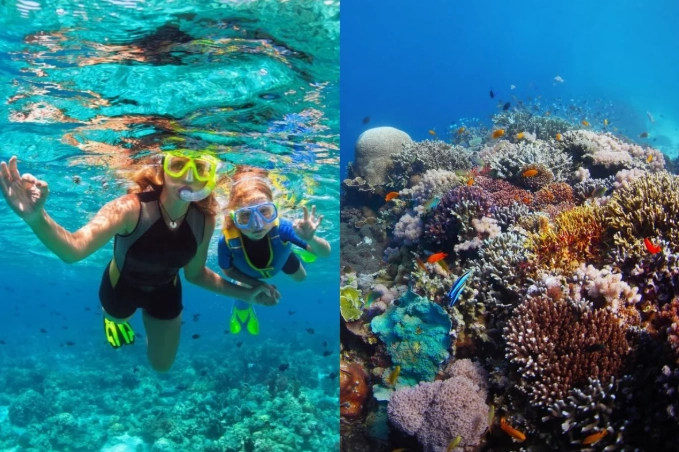
| Location | Best For | Vibe & Accessibility | Marine Life Highlight | My Honest Take |
|---|---|---|---|---|
| Coron, Palawan | Advanced snorkelers, wreck lovers | Adventure-focused, boat trips are long, less developed than El Nido. | WWII Japanese shipwrecks visible from the surface, stunning coral cliffs. | Unforgettable and unique. Not for first-timers. The wrecks are deep (10m+) so free diving skills help. Can feel crowded at popular wreck sites. |
| Moalboal, Cebu | Everyone, especially sardine run enthusiasts. | Easy. The famous sardine ball is literally 20m from the beach in Panagsama. Lots of dive shops. | The Sardine Run (millions of fish), turtles at nearby Pescador Island. | Almost guaranteed satisfaction. Seeing the sardine storm is a life-affirming experience. The beach itself isn't white sand, it's a functional diver's town. |
| Apo Island, Negros | Serious snorkelers & conservation fans. | Protected marine sanctuary. Requires a boat from Dauin. Day trips only or basic overnight stays. | Incredibly healthy, dense coral gardens. Huge populations of turtles (seen 8 in one snorkel!). | The gold standard for marine health in the Philippines. Feels responsible. Currents can be strong. It's a pilgrimage for a reason. |
| El Nido, Palawan | Landscape lovers, island-hoppers. | Touristy but stunning. All snorkeling is done via organized Tour A, B, C, or D. | Dramatic limestone backdrops, hidden lagoons, diverse reefs. | The scenery is unbeatable. The snorkeling spots on the tours can get busy with 20+ boats. Quality varies per spot. Secret Beach snorkeling is mediocre, but Entalula Beach is great. |
| Balicasag Island, Bohol | Wall snorkeling, drift snorkeling. | Day trip from Panglao/Alona Beach. Popular, so go early. | Sheer drop-offs (walls) swarming with jackfish, trevallies, and sometimes dolphins on the boat ride. | Feels like open ocean snorkeling. Can be choppy. The wall is an adrenaline rush. Not a relaxed float. |
See what I mean? Coron is epic but intense. Moalboal is accessible and mind-blowing in its own way. You have to pick your flavor. A common mistake is trying to cram in too many regions. The travel between islands eats up time. I'd suggest picking one or two bases for a 10-14 day trip max.
The Underrated Contender: Southern Leyte
Nobody talks about this. And maybe that's good. If you want to get away from the tour groups, look at Sogod Bay in Southern Leyte. The snorkeling right off Padre Burgos is shockingly good – pristine coral, tons of nudibranchs, and a fraction of the people. It's not fancy. The accommodations are simple. But if your goal is pure, undisturbed snorkeling in the Philippines, it's a secret worth knowing. The local government and NGOs have done great conservation work there, which you can read about on the official Philippine Department of Tourism website under their regional highlights.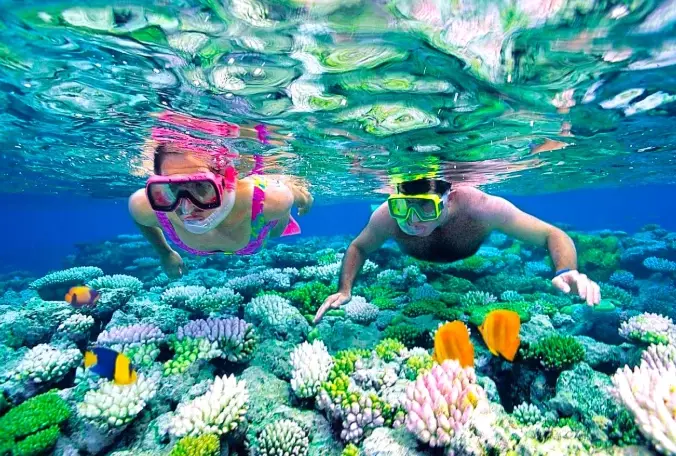
When to Go: It's Not Just About Sunshine
Timing is everything. The dry season (roughly November to May) is your best bet. But within that, there are nuances.
- November - February: Cooler, less humid, but can be windy (Amihan season). This means north-facing coasts (like most of Boracay) can have rough water and algae. South-facing coasts (like Moalboal) are perfect. Visibility is often superb.
- March - May: Hot, calm seas, generally great conditions everywhere. This is peak tourist season, so prices are up and spots are busier.
- June - October: Rainy/typhoon season. I don't recommend planning a snorkeling trip here. Island hopping tours get canceled frequently, visibility drops, and it's just a gamble. Some operators offer cheap rates, but it's a real risk.
Gearing Up: What You Really Need
You can rent gear anywhere. But should you? Here's my brutally honest take.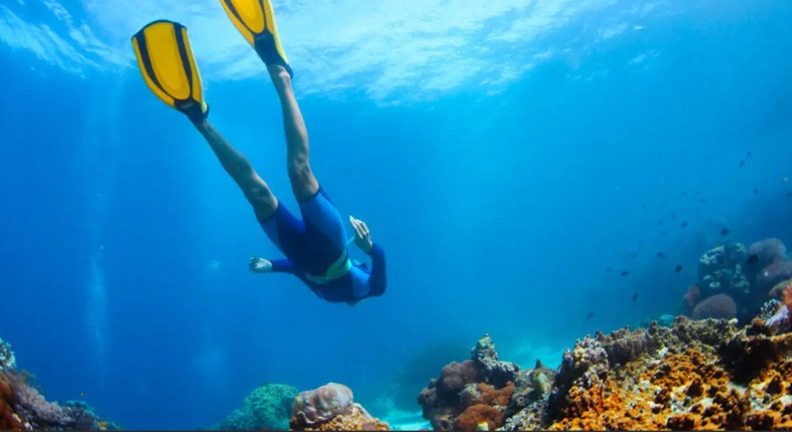
My Non-Negotiable Packing List for Snorkeling
- Your own mask and snorkel. This is number one. A leaky, foggy mask ruins the experience. A dry snorkel (with a valve to stop water entering) is a game-changer, especially if you're not super confident. I learned this after swallowing half the South China Sea through a cheap rental.
- Fins. Rent these if baggage is tight, but try them on first. Ill-fitting fins cause blisters. Open-heel fins with booties are best for rocky entries.
- Rash guard or thin wetsuit. Not just for sun protection (which is critical near the equator), but for buoyancy and warmth. Even in warm water, an hour of snorkeling can make you chilly. A 1mm or 2mm "shorty" is perfect.
- Reef-safe sunscreen. Please. This isn't a suggestion. Chemicals in regular sunscreen (oxybenzone, octinoxate) kill coral. Many places in the Philippines, like Coron and El Nido, are starting to ban non-reef-safe products. Brands like Stream2Sea or Badger are reliable. Better yet, cover up with a rash guard.
- A waterproof dry bag. For your boat trips. Trust me.
- Antifog spray or gel. A tiny bottle lasts forever. Spit works in a pinch, but this is better.
What about an underwater camera? GoPro-type cameras are ubiquitous. But consider this: sometimes, just experiencing it without a screen between you and the fish is more powerful. If you must, get a floating hand-grip. I've seen too many cameras sink to the abyss.
Safety & Etiquette: Don't Be *That* Snorkeler
Snorkeling is safe, but the ocean doesn't care about your Instagram feed. A little awareness goes a long way.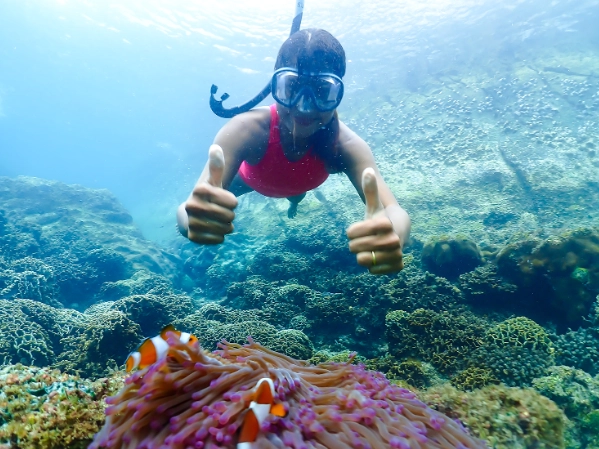
Critical Safety Rules:
Never snorkel alone. Ever. Use the buddy system. Tell someone on the boat/beach your plan.
Check currents. Before jumping in, look at where the boat is anchored, or ask the guide about water movement. A gentle drift can quickly become a problem.
Don't touch anything. This is rule number one for snorkeling in the Philippines. Coral is alive and fragile. A single touch can kill a colony that took decades to grow. Some corals sting, some fish bite. Just look.
Be aware of boat traffic. Always have a surface marker (a bright float or tube) if you're away from a group, especially in busy areas.
Etiquette is just as important. Local communities depend on these reefs. Your behavior matters.
- Do not chase or harass marine life. Yes, even the turtles. Let them come to you. Frenzied swimming stresses them out.
- Do not feed the fish. It disrupts their natural behavior and diet.
- Take all trash back with you. Even biodegradable items like fruit peels.
- Support responsible operators. Choose companies that have mooring buoys (so they don't drop anchor on coral) and whose guides enforce good practices.
Why Responsible Snorkeling in the Philippines Matters
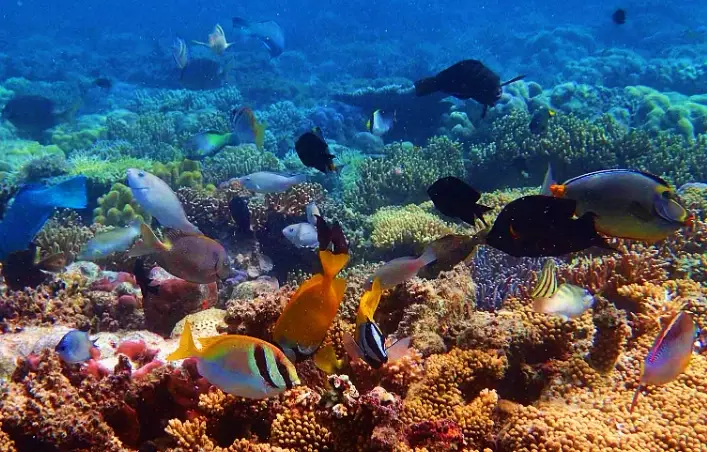
The Philippines is part of the Coral Triangle, the global epicenter of marine biodiversity. It's literally the rainforest of the sea. But according to reports from the International Coral Reef Initiative, the country has lost a significant portion of its coral cover over the decades due to a mix of factors, including irresponsible tourism. When you choose a good operator, use reef-safe sunscreen, and don't touch the coral, you're voting for the future of these places. It's that simple.
Beyond the Obvious: Answering Your Real Questions
Making It Happen: A Final Thought
Planning your snorkeling adventure in the Philippines can feel overwhelming. Palawan, Visayas, Luzon... the options are endless. My advice? Don't try to see it all. Pick one cluster. The Cebu-Bohol-Leyte triangle offers insane variety (sardines, walls, turtles, healthy sanctuaries). Or dive deep into Palawan (Coron's wrecks, El Nido's scenery).
Remember, the goal isn't to tick off every famous site. It's to have those moments of pure wonder, floating weightlessly above a world of silent, staggering beauty. It's about the laugh you have with your buddy when a curious clownfish darts at your mask. It's about the respect you feel for a ancient turtle gliding by.
Do your homework, pack smart, respect the ocean and the locals, and you'll have an experience that goes far beyond a holiday. You'll understand why, despite the long flights and the occasional hassle, people call snorkeling in the Philippines a life-changing experience. It just is.
Now go look at flights. The fish are waiting.
Reader Comments