I still remember my first time snorkeling in a coral reef—the vibrant colors, the curious fish, and the sheer awe of it all. But I also remember the sunburn, the foggy mask, and that moment of panic when I kicked a coral by accident. Over the years, I've learned that snorkeling in coral reefs isn't just about jumping in; it's about doing it right to protect yourself and these fragile ecosystems. This guide cuts through the fluff to give you the real deal, from gear picks to hidden gems, so you can plan a trip that's safe, fun, and unforgettable.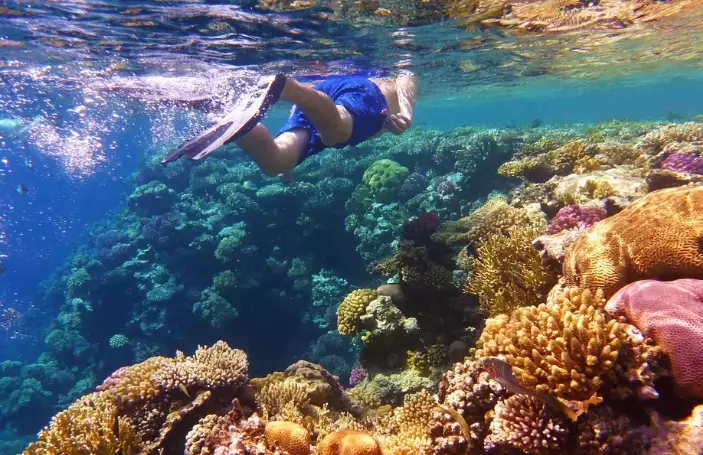
What You'll Find Inside
How to Prepare for Snorkeling in Coral Reefs: Gear & Safety First
Let's get practical. Snorkeling in coral reefs requires more than just a mask and fins—it's about comfort, safety, and minimizing your impact. I've seen too many beginners waste money on cheap gear that ruins their experience.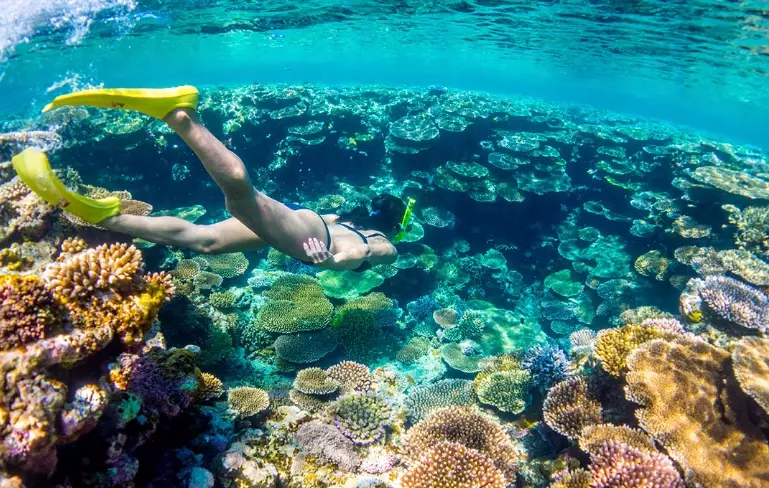
Choosing the Right Snorkeling Gear
Skip the all-in-one kits from discount stores. They often leak or fog up. Instead, invest in a few key pieces:
- Mask: Look for a silicone skirt that seals well on your face. Test it by placing it without the strap and inhaling gently—it should stay put. A fog-resistant coating helps, but I prefer using baby shampoo as a DIY defogger (rinse lightly).
- Snorkel: Dry-top snorkels are worth it for preventing water entry, but avoid overly complex valves that can jam. A simple J-shaped tube works fine for most.
- Fins: Full-foot fins are great for warm water; open-heel fins with boots suit rocky entries. Ensure they're not too tight—cramps are a real buzzkill.
Here's a quick comparison based on my trials:
| Gear Item | Key Feature | Approx. Price | Why It Matters |
|---|---|---|---|
| Mask | Silicone skirt, tempered glass | $30-$80 | Prevents leaks and fogging; essential for clear vision. |
| Snorkel | Dry-top valve | $20-$50 | Keeps water out when diving down, reducing choking risk. |
| Fins | Adjustable straps | $40-$100 | Provides propulsion without straining your feet. |
Safety Tips You Can't Ignore
Coral reefs are beautiful but hazardous if you're careless. Always snorkel with a buddy—I once got caught in a mild current and was glad for the extra pair of eyes. Check weather forecasts via local sources like the National Weather Service for sudden changes. Apply reef-safe sunscreen (zinc oxide-based) at least 30 minutes before entering the water; chemicals in regular sunscreen harm corals, as highlighted in reports from the NOAA.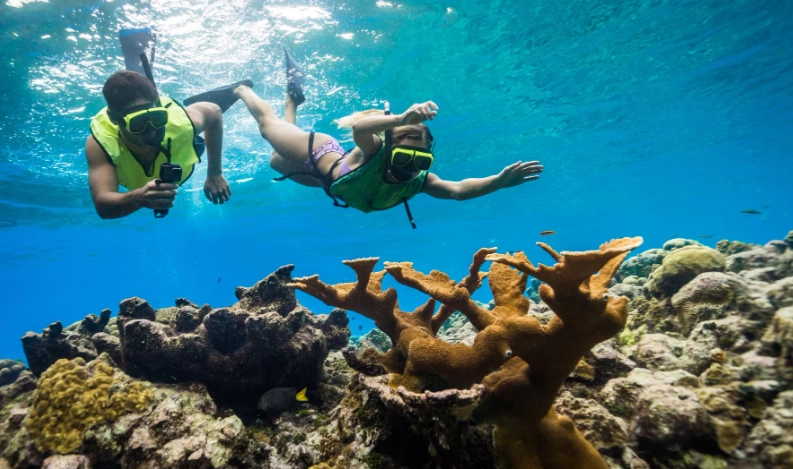
Pro tip: Practice floating horizontally before you go. Many beginners swim vertically, kicking corals accidentally. It's a subtle error that damages reefs and drains your energy fast.
Top Coral Reef Snorkeling Destinations: Where to Go & What to Know
Picking a spot isn't just about popularity—it's about timing, access, and your skill level. I've snorkeled in over a dozen reefs, and here are my top picks based on accessibility and marine life.
Great Barrier Reef, Australia
The iconic choice, but don't just book any tour. Avoid the crowded day-trip hubs like Cairns if you want serenity. Instead, head to the Outer Reef via Port Douglas; operators like Quicksilver offer pontoon access with fewer people. Costs range from $150-$300 AUD for a full day, including gear and lunch. Best time: June to October for clear water and mild weather. Remember, parts are recovering from bleaching, so choose eco-certified tours.
Raja Ampat, Indonesia
This is for the adventurous. Raja Ampat has the highest marine biodiversity on Earth, but it's remote. You'll need a liveaboard boat or stay in homestays on islands like Kri. Budget around $50-$100 per day for accommodations and local guides. The snorkeling is free once you're there, but the journey from Sorong can be tricky. I found September to November ideal—calm seas and manta ray sightings.
Mesoamerican Reef, Mexico & Belize
Perfect for beginners. In Mexico, Cozumel's Palancar Reef is easily accessible from shore or short boat rides ($20-$50 for tours). In Belize, the Hol Chan Marine Reserve near Ambergris Caye charges a $20 USD park fee but offers guided snorkels with nurse sharks. Both spots have warm water year-round, but avoid hurricane season (August to October).
Here's a snapshot to help you decide:
- For families: Hawaii's Hanauma Bay (reservations required, $25 entry) or the Florida Keys (John Pennekamp Park, $10 admission).
- For solitude: Tubbataha Reefs in the Philippines (liveaboards only, $2000+ trips) or the Red Sea in Egypt (Sharm El Sheikh, budget-friendly packages).
Common Snorkeling Mistakes in Coral Reefs (And How to Avoid Them)
After guiding snorkelers for a decade, I've noticed patterns. Most mistakes stem from excitement or lack of awareness—they're easy to fix if you know what to watch for.
Touching or standing on corals: It seems obvious, but under water, buoyancy tricks you. I've seen people grab corals for balance, killing polyps. Solution: Master neutral buoyancy by breathing deeply and using a snorkel vest if needed. If you need to rest, float on your back or head to sandy areas.
Overestimating fitness: Snorkeling for hours in currents exhausts even strong swimmers. On a trip to the Maldives, I pushed too far and had to signal for help. Plan short sessions (30-60 minutes) and hydrate well—dehydration causes cramps.
Ignoring local guidelines: Many reefs have no-anchor zones or restricted areas. In Bonaire, for example, snorkeling without a permit can lead to fines. Always check with local dive shops or authorities like the Bonaire government site for rules.
My personal blunder: I once wore a loose-fitting rash guard that snagged on fire coral, causing a nasty sting. Now, I opt for snug, lycra suits that protect against sun and abrasions without dragging.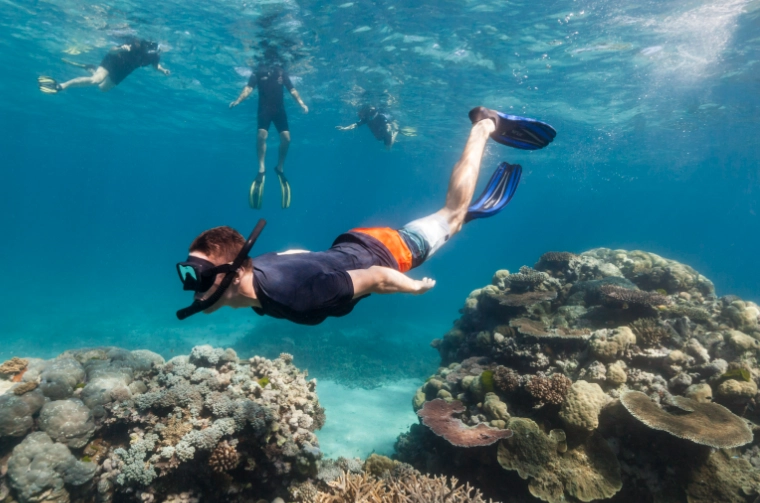
Your Snorkeling Questions Answered
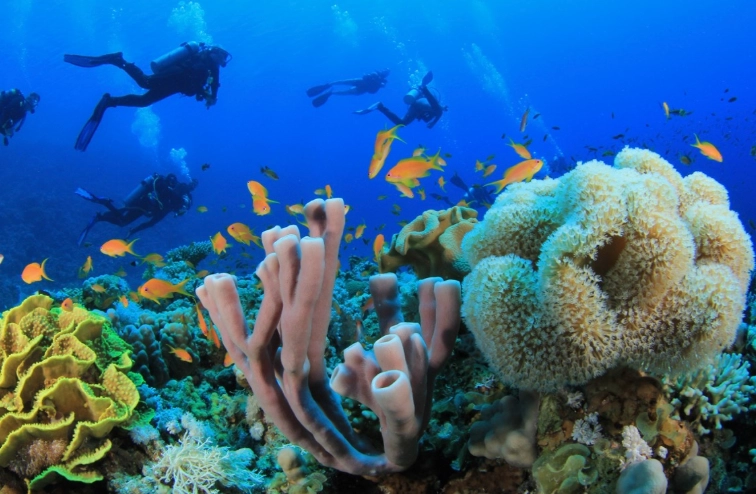
Snorkeling in coral reefs is more than a hobby—it's a way to connect with nature responsibly. By choosing the right gear, respecting local ecosystems, and learning from others' slip-ups, you'll create memories that last. Now, grab your mask and dive into planning; the underwater world is waiting.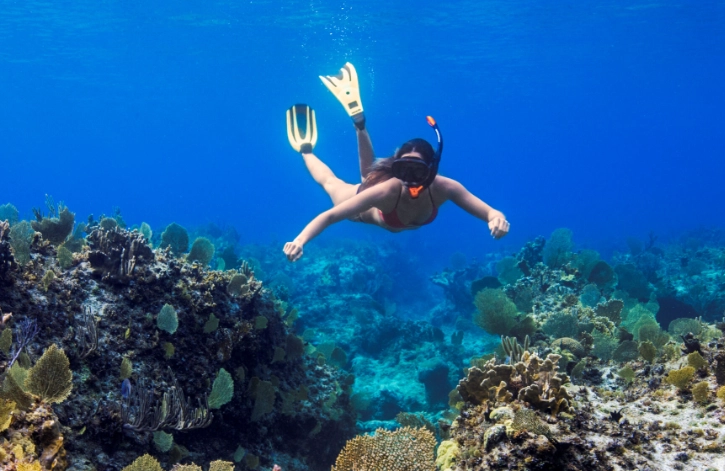
Reader Comments