Snorkeling is one of those activities that looks effortless in photos—gliding over coral reefs, fish swirling around—but as a beginner, it can feel overwhelming. I remember my first time: fumbling with gear, saltwater up my nose, and that constant fear of sinking. Let's cut through the noise. With the right approach, snorkeling is accessible to anyone, even if you've never set foot in the ocean. This guide gives you the real deal, no fluff.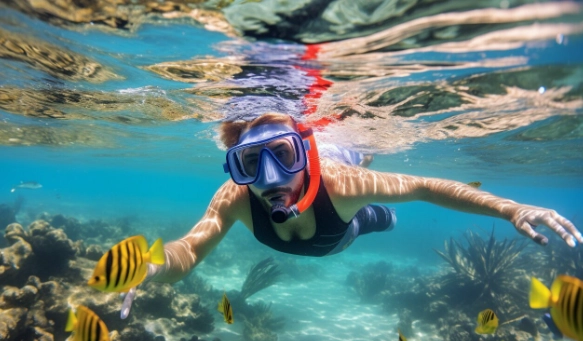
Here's What You'll Learn
Essential Gear for Beginner Snorkelers
Gear makes or breaks your experience. Don't just grab the cheapest set online—I've seen too many beginners quit after one try because of poor equipment. Focus on three core items: mask, snorkel, and fins.
How to Choose the Right Snorkeling Mask
The mask is your window to the underwater world. A common mistake? Buying without trying. Fit is everything. Look for a silicone skirt—it's softer and seals better than plastic. Press the mask to your face without the strap; if it sticks for a few seconds, you're golden. Avoid masks with a single lens if you have a narrow face; they might leak. I prefer low-volume masks—they're easier to clear if water gets in.
Picking the Perfect Snorkel and Fins
For snorkels, go with a simple J-shaped or semi-dry top. Dry snorkels sound great, but they can be bulky and harder to clear. A semi-dry has a splash guard that keeps most water out. Fins should be snug but not tight. Full-foot fins are best for beginners—they're easier to walk in and provide enough thrust. Avoid split fins initially; they require more technique. Rent first if you're unsure, but if buying, prioritize comfort over fancy features.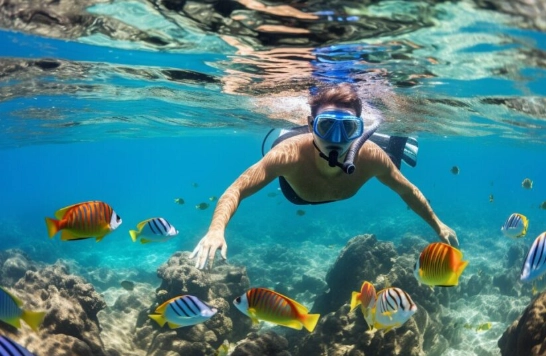
Pro tip: Test your gear in a pool before hitting the ocean. It saves you from surprises like a leaky mask or stiff fins.
Step-by-Step Guide to Your First Snorkeling Session
Let's walk through a typical first snorkel. Imagine you're at a calm beach in Hawaii or the Caribbean—somewhere with gentle waves.
Step 1: Gear up on land. Put on your mask first, adjusting the strap so it's snug but not digging in. Attach the snorkel to the mask strap on the left side (most people find this natural). Slip on your fins last—walk backward to the water to avoid tripping.
Step 2: Practice breathing in shallow water. Wade in until you're waist-deep. Put your face in the water and breathe slowly through the snorkel. Focus on deep, even breaths. If water enters, exhale sharply to clear it. Spend 5-10 minutes here; it builds confidence.
Step 3: Start floating. Lean forward, let your legs rise, and kick gently with your fins. Keep your arms at your sides or crossed—flailing wastes energy. Look down, not ahead, to see the marine life.
Step 4: Navigate and explore. Use slow, steady kicks. Turn your head slightly to breathe if needed, but try to keep the snorkel upright. If you see something interesting, stop kicking and just float—it minimizes disturbance.
I guided a friend through this last year. She was nervous, but after 20 minutes in shallow water, she was spotting fish like a pro. The key is patience.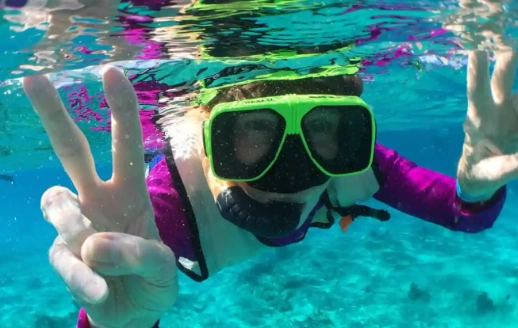
Top Safety Tips Every Beginner Must Know
Safety isn't just about rules; it's about enjoying yourself without worry. Here are non-negotiables I've learned from a decade of snorkeling.
- Never snorkel alone. Always have a buddy, even in calm waters. If something goes wrong—like cramps or fatigue—you need someone nearby.
- Check weather and currents. Use apps like Windy or consult local guides. Avoid days with strong winds or high surf. Rip currents can pull you out fast; swim parallel to shore if caught.
- Stay hydrated and sun-protected. Dehydration sneaks up on you. Drink water before and after. Wear reef-safe sunscreen—it protects your skin and the ocean. A rash guard is even better.
- Know your limits. If you're tired, head back. Don't push to see "one more fish." Exhaustion leads to poor decisions.
I once ignored a weather warning and got caught in a sudden current. It was scary, but my buddy helped me swim sideways to escape. Lesson learned.
Choosing the Best Snorkeling Spots for Beginners
Location matters. You want calm, clear water with minimal boat traffic. Here's a quick table of beginner-friendly spots based on my travels.
| Spot | Why It's Good for Beginners | Best Time to Visit |
|---|---|---|
| Hanauma Bay, Hawaii | Protected marine preserve, gentle slopes, abundant fish | Morning (less crowded) |
| Molnsey Island, Thailand | Shallow lagoons, clear visibility, guided tours available | November to April (dry season) |
| John Pennekamp Park, Florida | Calm waters, coral reefs accessible from shore | Year-round (avoid summer storms) |
| Great Barrier Reef (shore areas) | Designated beginner zones, lifeguards on duty | June to October (cooler weather) |
When picking a spot, look for features like sandy bottoms (easier to stand), depth under 10 feet, and lifeguard presence. Avoid areas with heavy boat traffic or sharp coral drops.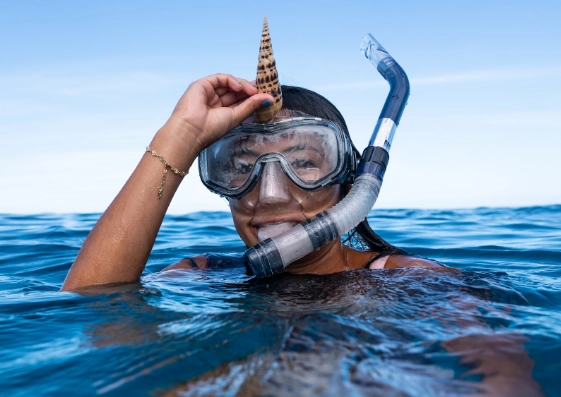
Common Mistakes and How to Avoid Them
Beginners repeat the same errors. Here's how to sidestep them.
Mistake 1: Over-kicking. You're not in a race. Rapid kicks scare fish and tire you out. Solution: Use slow, fluid motions from the hips, not the knees.
Mistake 2: Holding your breath. This causes buoyancy issues and panic. Solution: Breathe normally through the snorkel. If anxious, count your breaths—inhale for four, exhale for four.
Mistake 3: Touching marine life. It harms the ecosystem and can be dangerous (some corals sting). Solution: Keep a respectful distance. Use a waterproof camera if you want close-ups.
Mistake 4: Skipping the pre-swim check. Gear failures happen. Solution: Test your mask seal, snorkel valve, and fin straps before entering the water.
I made the over-kicking mistake early on. After 30 minutes, my legs were jelly, and I saw nothing but sand. Slowing down changed everything.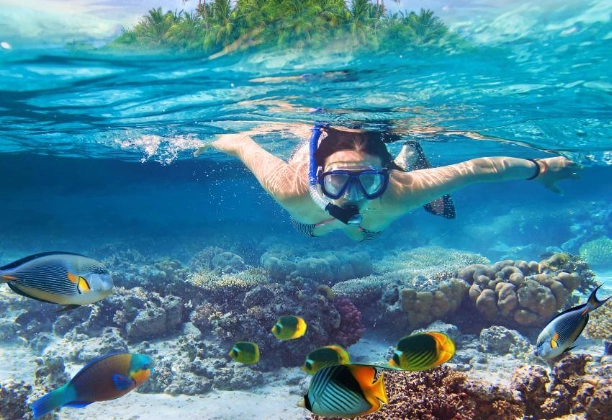
Your Questions Answered
Snorkeling for beginners isn't about perfection; it's about curiosity and gradual progress. Start small, respect the ocean, and soon you'll be hooked. I still get that thrill every time I dip below the surface—it's worth the initial hiccups. Grab your gear, find a calm spot, and take the plunge.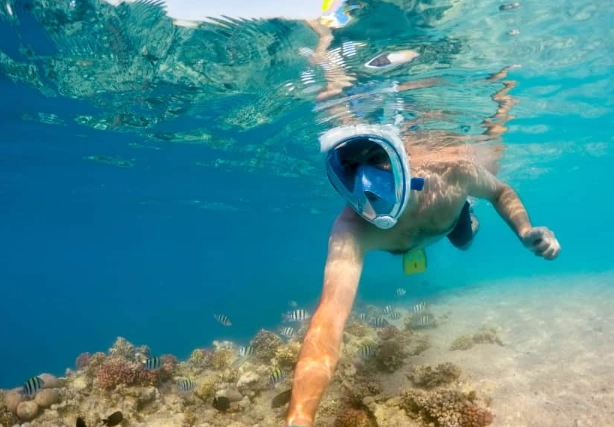
Reader Comments