Let's cut to the chase. You're thinking about snorkeling in Jamaica because you've heard the water is impossibly blue and the reefs are teeming with life. You're right. But here's the thing most blogs don't tell you: where you go makes all the difference. Picking the wrong spot or tour can turn a dream day into a crowded, disappointing float. Having explored these waters for years, I can tell you that Jamaica's snorkeling scene is a mix of absolute gems and overhyped tourist traps.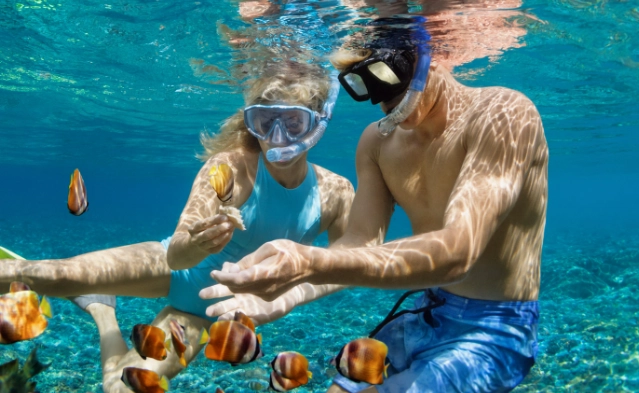
The secret isn't just finding clear water—it's knowing where the fish actually hang out, how to avoid the cruise ship crowds, and which local operators genuinely care about the reef. This guide is built on that knowledge. We'll move past the generic lists and get into the specifics that help you plan a perfect day underwater.
Your Quick Guide to Diving In
The Real Top Spots: A Coast-by-Coast Breakdown
Jamaica's coastline is diverse. The north coast, from Negril to Ocho Rios, has the most accessible reefs. The south coast is wilder, with different opportunities. Forget just one "best" spot. Your best spot depends on where you're staying and what you want to see.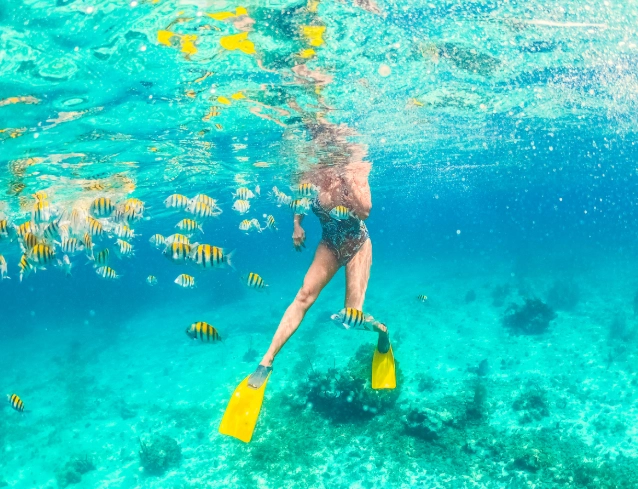
Montego Bay Area: Convenience & Variety
If you're flying into MBJ and staying nearby, you have solid options right on your doorstep.
Doctor's Cave Beach is famous, and for good reason. The water is strikingly clear. You can snorkel right from the beach. The downside? It gets packed. The reef close to shore has seen better days due to heavy traffic. My advice? Swim out further along the cliff sides to the left (facing the sea). You'll find more interesting coral formations and fish away from the main crowd. Entry is about $6 USD for adults, and it's open from 8:30 am to sunset. It's a 10-minute taxi ride from the cruise port or most MoBay hotels.
Walter Fletcher Beach & Aquasol Theme Park is a more controlled environment. It's a small, protected cove perfect for nervous first-timers or families with kids. You'll see parrotfish, sergeant majors, and maybe a ray. It's not a wild reef experience, but it's safe, easy, and has facilities. Entry is around $5 USD.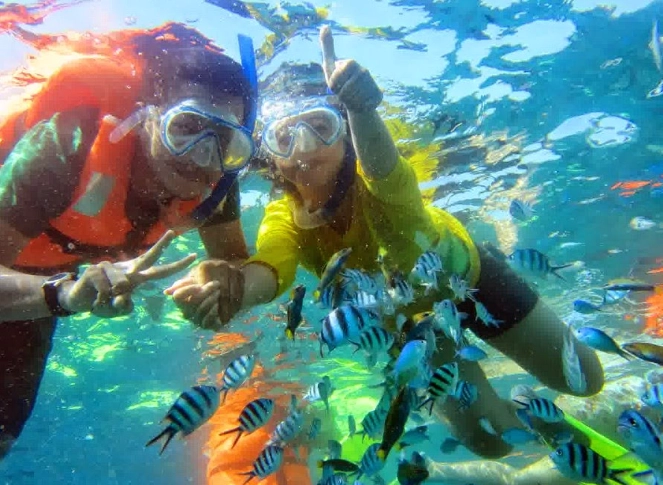
For a bigger adventure, the Montego Bay Marine Park is the goal. This protected area encompasses several reefs. You need a boat to get to the best parts, like the **Widowmaker's Cave** or **Airport Reef**. This is where booking a tour pays off.
Negril: The Seven-Mile Beach & Beyond
Negril's famous beach is sandy, not rocky. For snorkeling, you must go offshore.
The Negril Coral Reef Preserve (often called the "Negril Reef") is a boat ride away from the cliffs or the beach. This is classic Caribbean snorkeling: brain coral, sea fans, schools of blue tang, and the occasional nurse shark napping under a ledge. Boats typically moor at designated buoys. The west end of the preserve, closer to the lighthouse, tends to be less crowded than the areas directly off Seven-Mile Beach.
Here's a local nugget: Ask a boat captain if they can take you to "The Throne" or "The Canyon". These are specific reef structures within the preserve known for bigger fish and more dramatic topography. Not all standard tours go there.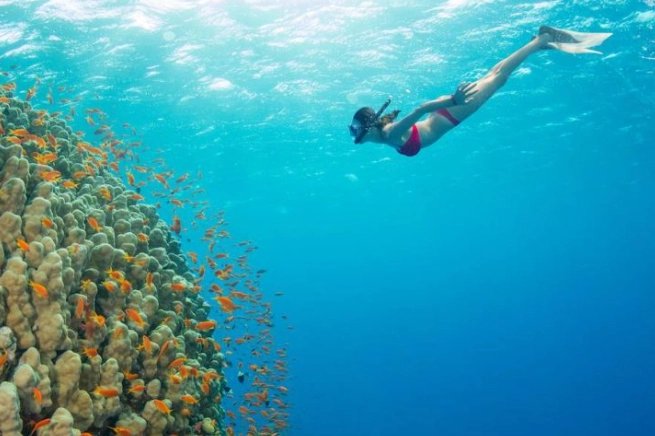
Ocho Rios & Runaway Bay: Dunn's River & Secret Gardens
Ochi is dominated by one major attraction, but there's more beneath the surface.
Yes, you can snorkel at Dunn's River Falls. The area where the river meets the sea creates a unique brackish environment. It's interesting, but it's also the busiest patch of water in Jamaica. Manage your expectations—it's more about the novelty than pristine reef life.
A far better choice is the Ocho Rios Marine Park, particularly areas like **Turtle Reef**. I've had some of my most consistent turtle sightings here. The reef is healthy and slopes gently, making it great for all levels. Operators in Ochi also run trips to more distant reefs like **Mountain Reef** which are worth the extra time.
Further east, near Runaway Bay, look for tours to "The Gardens." It's a massive, shallow reef system with endless coral gardens. The visibility is often exceptional.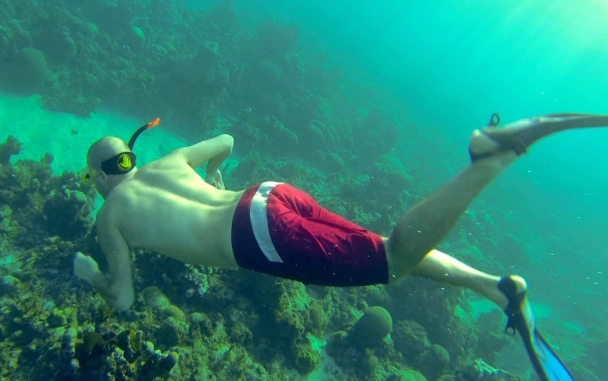
| Spot & Location | Best For | Access & Cost (Approx.) | Pro Tip / Watch Out |
|---|---|---|---|
| Doctor's Cave Beach (Montego Bay) | Beginners, convenience, beach day combo. | Walk-in. $6 USD entry + gear rental ($15-20). | Avoid midday crowds. Swim left for better coral. |
| Montego Bay Marine Park (Boat Access) | Serious snorkelers, variety, healthy reef. | Tour required. $45-$70 USD for 2-3 hr tour. | Choose a licensed park operator for eco-friendly practices. |
| Negril Coral Reef Preserve | Classic reef scenery, fish diversity, boat trip. | Boat from beach/cliffs. $30-$50 USD. | Request the "West End" or specific reef names for less crowd. |
| Turtle Reef (Ocho Rios Marine Park) | Turtle sightings, gentle slopes, family-friendly. | Often part of tours. $40-$60 USD. | Go in the morning for calmer water and better animal activity. |
| The Gardens (Runaway Bay) | Experienced snorkelers, coral formations, visibility. | Boat tour from Runaway Bay/ Ochi. $50-$75 USD. | Can have stronger currents. Not ideal for absolute beginners. |
Booking a Tour vs. Going DIY: What You Really Get
This is a major decision point. Renting gear and swimming out from a beach is cheaper and offers freedom. Booking a tour costs more but unlocks better reefs.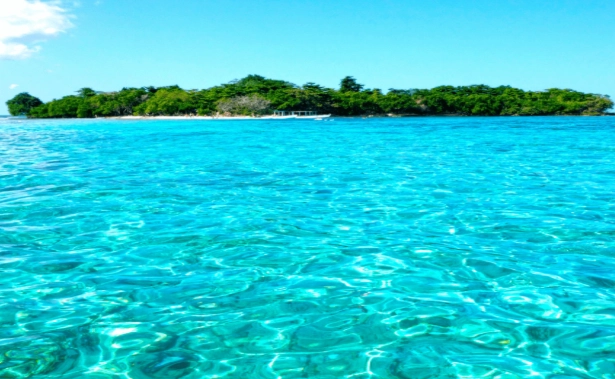
The DIY Route: Works well at places like Doctor's Cave or some sections of Seven-Mile Beach where you can access water from shore. You control your time. But, you're limited to the often-degraded reef close to shore. You're also responsible for your own safety, currents, and knowing where the good stuff is.
The Tour Route: A good operator takes you to protected, vibrant reefs only accessible by boat. Gear, guidance, and safety are included. The best guides point out hidden creatures (like well-camouflaged flounder or moral eels) you'd totally miss. They also (should) brief you on not touching the coral. Look for small-group tours or catamaran sails that include snorkeling—they're often less rushed than the big party boats.
How to choose a good tour? Don't just pick the cheapest. Read reviews for mentions of "knowledgeable guide," "uncrowded spot," and "healthy reef." Ask them directly: "Which specific reef will we be visiting?" A vague answer is a red flag. Reputable operators are proud of their spots.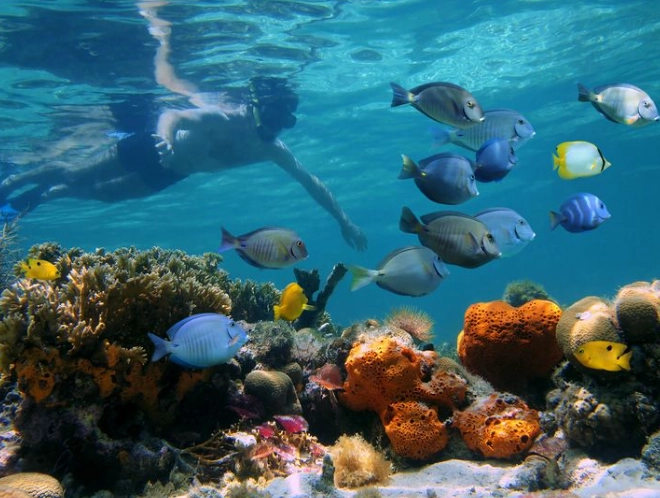
Planning Your Snorkeling Day: A Sample Itinerary
Let's make this concrete. Say you're staying in Montego Bay and want a full, no-hassle snorkeling day.
Morning (8:30 AM): Get picked up from your hotel by a tour operator heading to the Montego Bay Marine Park. A 30-minute boat ride gets you to a site like Widowmaker's Cave. Spend a solid 45-60 minutes in the water with a guide.
Late Morning (11:00 AM): The boat moves to a second, different reef site—maybe a shallow garden reef. Another 45-minute session.
Midday (12:30 PM): The tour often includes a beach stop or a simple lunch back at the dock. You're done by 1:30 PM.
Afternoon (2:30 PM): Feeling ambitious? Take a taxi to Doctor's Cave Beach. Pay the entry, rent gear if you didn't bring your own, and relax. Snorkel from the shore at your own pace, applying the tips from your morning guide. The light is beautiful later in the day.
Key: Book the boat tour for the morning. Seas are calmer, visibility is better, and you have the whole afternoon free.
Gear & Local Tips Most Beginners Miss
Bring your own mask and snorkel if you're serious. A proper fit is everything. Rental masks often leak, and that generic snorkel can ruin the experience. A cheap set from a sports store is better than a bad rental.
Fins are less critical from a boat (they usually provide decent ones), but for shore snorkeling, they give you the power to get past the sandy bottom to the good stuff.
Now for the subtle mistakes:
Sun Protection: Wear a rash guard or a thin long-sleeved shirt. Not only does it prevent a terrible back sunburn (the most common snorkeling injury!), but it also keeps you warmer and protects you from accidental coral scrapes. Reef-safe sunscreen is non-negotiable. Look for zinc oxide or titanium dioxide-based formulas. The National Environment and Planning Agency (NEPA) in Jamaica is strict about protecting marine life. Chemicals in regular sunscreen bleach coral.
Hydration: You're in the sun and saltwater all day. Drink way more water than you think you need. Dehydration leads to fatigue and headaches, cutting your day short.
The Entry/Exit: From a boat, listen to the crew. Enter feet first, don't jump on top of the reef. From shore, walk backwards into the water with your fins in your hands until you're waist-deep, then put them on. It looks silly but prevents falls.
Reader Comments