Your Snorkeling Roadmap
Let's cut to the chase. You're dreaming of those crystal-clear waters, swimming alongside turtles, and floating over gardens of coral. You've picked Seychelles, which is a fantastic choice. But now you're staring at your calendar, wondering when to book those flights to make sure your underwater dreams don't turn into a blurry, windy, or downright disappointing experience. I've been there. I've also made the mistake of going at the wrong time.
Figuring out the best time for snorkeling in Seychelles isn't just about picking a sunny month. It's a dance between the wind, the waves, the water clarity, and what you actually want to see. The islands have two main seasons, and your snorkeling experience changes dramatically between them. Some months are pure magic. Others? Well, let's just say you might spend more time battling waves than spotting fish.
This guide is going to walk you through everything. We'll break down the seasons month-by-month, talk about where to go when, and answer all those nitty-gritty questions you might be too embarrassed to ask in a travel agency. Forget generic advice. We're getting into the specifics.
The Two Faces of Seychelles: Understanding the Seasons
Seychelles sits comfortably near the equator, which means it's warm year-round. Thank goodness for that. But the wind dictates life here, especially in the water. The archipelago has two dominant wind patterns that create two very distinct seasons.
The Northwest Trade Winds blow from around November to March. This is generally considered the wetter season, with higher humidity and more frequent, though usually brief, rainfall. Don't let "wet season" scare you off completely. The rain often comes in short, heavy bursts and then clears up to brilliant sunshine. The sea on the northwest coasts (like around Mahé) can be calmer during this time.
Then the wind flips. The Southeast Trade Winds take over from about May to September. This is the dry, cooler (relatively speaking), and windier season. The southeast coasts bear the brunt of the wind, making seas rougher there, while the northwest coasts become sheltered havens. This seasonal flip is the single most important factor in planning your snorkeling trip.
So, is there a bad time for snorkeling in Seychelles? Not really a "bad" time, but there are definitely less ideal times depending on your skill level and what you value most. A seasoned snorkeler might not mind a bit of chop, but a family with young kids or someone prone to seasickness would.
The Transition Months: The Sweet Spots?
This is where it gets interesting. The periods between these dominant seasons—April and October—are often hailed as the ultimate best time for snorkeling in Seychelles. Why? The winds are at their weakest, changing direction. The sea is often at its flattest, resembling a giant swimming pool. Visibility can shoot up to 30 meters or more on a good day. It's phenomenal.
But (there's always a but), these are also the most popular and often most expensive times to visit. You're trading perfect conditions for more crowds. Still, for sheer reliability of calm, clear water, it's hard to beat.
Month-by-Month Snorkeling Breakdown
Let's get practical. Here’s what you can realistically expect throughout the year. I've based this on average conditions, but remember, nature has its own mind.
| Month | Season & Wind | Water Vis. & Conditions | Marine Life Highlights | Best For... |
|---|---|---|---|---|
| January | NW Trades, Warm, Some Rain | Good (15-25m), Variable NW calm, SE can be rough. | Turtle activity, Reef fish. | West/North coasts, Avoiding peak crowds post-New Year. |
| February | NW Trades, Similar to Jan | Good to Very Good, Warm water. | Good general reef life. | Consistently warm weather, Calm NW bays. |
| March | NW Winds Easing, End of rainy period. | Improving, Sea settling. | Fish spawning periods possible. | Transition towards calmer seas. |
| April | TRANSITION, Light winds. | Excellent (25m+), Often very calm. | Fantastic visibility for all life. | Top choice for clarity & calm. Beginner-friendly. |
| May | SE Trades begin, Cooler, drier. | Very Good on North/West coasts. SE side rough. | Manta ray sightings increase (especially Aldabra). | Sheltered NW coasts (Beau Vallon), Wildlife enthusiasts. |
| June | SE Trades established, Windy. | Good on sheltered sides. Can be choppy. | Whale shark season begins in outer islands. | Experienced snorkelers, Seeking whale sharks. |
| July & August | Peak SE Trades, Coolest, windiest. | Variable. Stick to NW coasts for calm(er) water. | Whale shark peak (remote areas). Bird nesting on islands. | Wind sports, Diving, Targeting specific outer island trips. |
| September | SE Winds start to ease. | Improving conditions overall. | Still chance for whale sharks early month. | A balance of good weather and less wind. |
| October | TRANSITION, Light winds return. | Excellent, Warm, calm seas return. | Visibility peaks, Reef life vibrant. | Another prime month. Great all-round conditions. |
| November | NW Trades return, Warmer, humid. | Good, Seas generally calm. | Coral spawning often occurs (post-full moon). | Warm water lovers, Unique natural events. |
| December | NW Trades, Warm, Holiday season. | Good, but rain showers possible. | Busy reef life. | Festive atmosphere, Calm bays, Expect crowds. |
Looking at that table, April and October really do stand out, don't they? It's not just hype. I was there in late October once, and the water around Curieuse Island was so still and clear it felt like floating in air. You could see every detail on the sea floor 10 meters down. That's the kind of experience these transition months offer.
Beyond the Calendar: What Really Makes the Best Snorkeling Time for YOU?
The month is just the starting point. The real best time for snorkeling in Seychelles depends heavily on you. Let's match the conditions to different types of snorkelers.
For Families with Kids or First-Timers
Your priorities are calm, shallow, protected water and easy beach access. You want to wade in without fighting waves.
- Top Choice Months: April, October, late November to February (focusing on calm western bays).
- Best Islands/Spots: Mahé's Beau Vallon Bay (protected from SE trades), Praslin's Anse Lazio (north tip, usually calm), La Digue's Anse Sévere. These spots have gentle slopes and are often lifeguarded or busy enough to feel safe.
- Avoid: The windier months of June-August on exposed beaches. Even Beau Vallon can get a bit choppy then.
For Underwater Photographers & Visibility Junkies
You live for that crystal-clear, blue-water shot. Sediment and particles are your enemy.
- Top Choice Months: April and October, without a doubt. The calm water means less suspended sand, and the light penetration is stunning. May and November can also be excellent on their best days.
- Pro Tip: Snorkel in the morning. Afternoon sun can create backscatter. The light is also softer and more even before midday.
I remember trying to photograph a trumpetfish in September. The water was okay, but a slight surge kept moving me and blurring the shot. Went back to a similar spot in April, and it was a completely different, much more photographer-friendly world.
For Wildlife Enthusiasts & Adventure Snorkelers
You're willing to put up with some wind or take a boat ride to see the big stuff.
- Whale Sharks: While rare around the main inner islands (Mahé, Praslin, La Digue), the outer islands like Alphonse, Astove, and Desroches have seasonal peaks. The best chance is during the SE trade wind season, from June to November, with August-September often cited as peak. Organizations like the Marine Species portal track sightings, but a dedicated tour operator is your best bet.
- Manta Rays: Again, more common in outer atolls like Aldabra. The SE wind season (May-October) seems to bring better chances, as the wind pushes plankton-rich water.
- Turtles: You can see green and hawksbill turtles year-round, but they are often more active during the warmer NW monsoon months. They nest on beaches at night, so remember to keep your distance and use red lights if observing.
The Island Factor: Where Matters as Much as When
You can't talk about the best time for snorkeling in Seychelles without talking about location. A spot that's perfect in April might be a washing machine in August, and vice versa.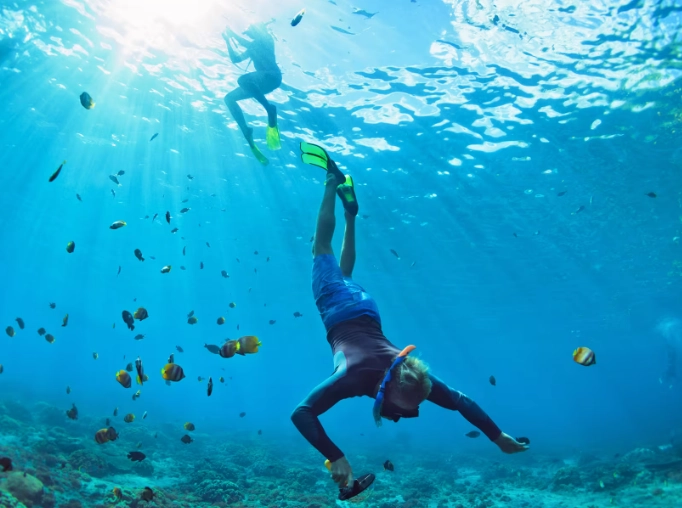
Mahé
The main island has both windward (southeast) and leeward (northwest) coasts. This is a huge advantage.
- Northwest Coast (e.g., Beau Vallon, Glacis): Sheltered from the SE Trades. This is your go-to zone from May to September. The water is calm, the beaches are protected. During the NW monsoon, it can get a bit more swell, but it's often still swimmable.
- Southeast Coast (e.g., Anse Royale): Beautiful but exposed to the SE winds. Best visited during the NW monsoon (Nov-Mar) when the sea is calmer on that side.
- Marine Parks: The Ste Anne Marine National Park and Port Launay are fantastic, protected areas. They offer good snorkeling year-round, though boat rides to Ste Anne can be bumpy in the SE wind season.
Praslin & La Digue
Similar rules apply. The northern tips (Anse Lazio on Praslin, Anse Sévere on La Digue) are generally calmer during the SE trades. The famous Anse Source d'Argent on La Digue is protected by its bay and granite boulders, making it a relatively safe bet much of the year, though water depth can be very low at low tide.
Praslin's Côte d'Or beach is long and faces northeast, offering good protection from southerly winds.
The Outer Islands & Atolls
This is a different ball game. Places like Aldabra, Alphonse, and Desroches have their own microclimates and are famous for pristine reefs and pelagic action. The best time for snorkeling in these remote paradises is almost universally agreed to be during the transitional and NW monsoon seasons (April, October-November, March), when seas are calmest for accessing dive sites and visibility is supreme. The Seychelles Islands Foundation, which manages Aldabra, often plans research and limited tourist expeditions during these calmer windows.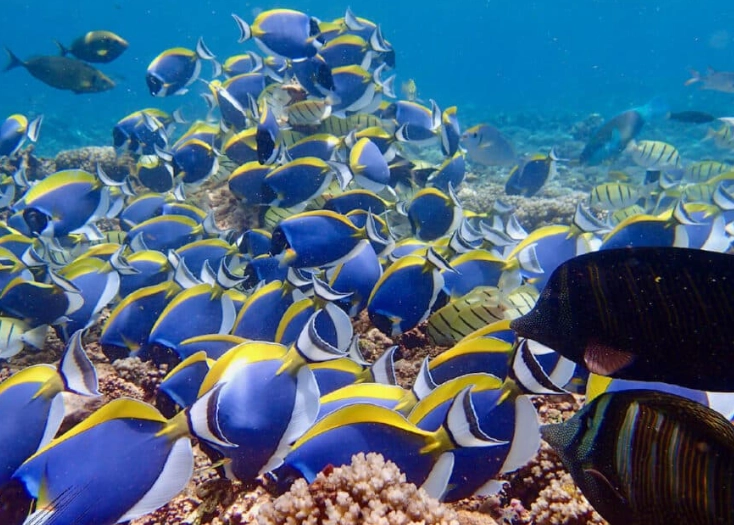
Answering Your Burning Questions (FAQs)
Is snorkeling good in Seychelles in August?
It's the windiest month. So, it's conditional. On the sheltered northwest coasts of Mahé and the north coasts of Praslin/La Digue, yes, it can still be very good. The water might be a bit choppier, and visibility might drop slightly due to wind-driven particles. But it's far from closed. However, boat trips to outer reefs or to spots on the windward side will be rougher and less enjoyable. If August is your only option, just plan your base and beach choices carefully.
What about water temperature? Will I need a wetsuit?
Rarely. Water temps range from about 26°C (79°F) in July/August to 30°C (86°F) in March/April. Most people are fine in a swimsuit or rash guard. A thin 1-2mm lycra suit or shorty can be useful for two reasons: 1) sun protection (critical!), and 2) slight buoyancy and protection against accidental coral brushes or the occasional jellyfish larvae ("sea lice") that can appear in certain seasons. I always pack a rash guard. Sunburn on your back while snorkeling is a real vacation killer.
Are there jellyfish or other hazards?
Generally, Seychelles' snorkeling sites are safe. You might encounter harmless moon jellies or, very rarely, small box jellyfish during certain plankton blooms (often after rains). Stings are uncommon but can happen. A vinegar rinse is the standard first aid. The bigger hazard is the sun, sharp coral, and strong currents in channel areas. Always snorkel with a buddy, assess conditions from the beach first, and don't touch anything. The coral is fragile, and some fish can be territorial.
Can I snorkel straight from the beach, or do I need boat trips?
Both are fantastic! Seychelles is unique in having world-class snorkeling accessible from many beaches. Anse Lazio, Anse Georgette, Beau Vallon, and countless others offer great reefs just a short swim from shore. Boat trips (to places like St Pierre island near Praslin, Cocos Island, or the marine parks) allow you to access deeper, more dramatic drop-offs and different ecosystems. For your first trip, a mix is ideal: enjoy the convenience of beach snorkeling but treat yourself to at least one guided boat trip.
Final Thoughts: Pulling It All Together
So, after all this, what's the final verdict on the best time for snorkeling in Seychelles?
If you want the highest probability of perfect, calm, clear conditions and don't mind the higher prices and crowds: aim for April or October.
If you're on a tighter budget, don't mind a bit more wind, and want to focus on sheltered areas: the shoulder months of May, November, and even March can offer fantastic value and great conditions.
If you're a wildlife fanatic chasing whale sharks and don't mind rough seas: plan a dedicated outer island trip between July and September.
For families, stick to the calmer seasons and the protected western and northern bays.
Ultimately, there is no single worst time. There's only a time that's less ideal for *your* specific preferences. Seychelles' underwater world is vibrant year-round. By understanding the seasonal rhythm—the dance of the trade winds—you can choose your partner (the island and the coast) wisely and have an unforgettable experience.
Just book it. Then get your mask, snorkel, and reef-safe sunscreen ready. The turtles are waiting.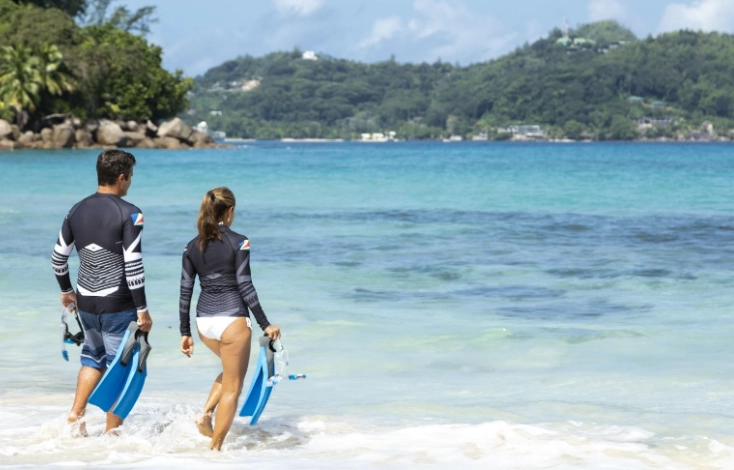
Reader Comments