Quick Guide to This Article
- Fiji's Reefs: More Than Just One Big Coral Garden
- Where to Experience Fiji's Coral Reefs: A Quick-Reference Table
- So, How Do You Actually Visit These Reefs Responsibly?
- The Hard Truth: Threats to Fiji's Coral Reefs
- What's Being Done? The Fight to Protect the Reefs
- Your Burning Questions Answered (The Real FAQs)
- Making Your Choice and Leaving a Positive Impact
Let's cut straight to the point. Is there a coral reef in Fiji? That's like asking if there's sand on a beach. The answer isn't just yes; it's a resounding, spectacular, world-famous YES. Fiji isn't just near a coral reef—it's practically built on them. The country is often called the "Soft Coral Capital of the World," and once you stick your head underwater here, you'll understand why that title isn't just marketing fluff. It's the real deal.
I remember my first time diving off the coast of Viti Levu. The moment I descended, the sheer density of life was overwhelming. It wasn't a silent, blue world. It was a bustling, neon-colored metropolis. Fish in electric blues and yellows darted between formations that looked like giant, intricate brains and delicate, swaying trees. That's the Fijian reef experience. It's not a passive thing you look at; it surrounds you, moves with the current, and completely recalibrates your sense of what's possible in nature.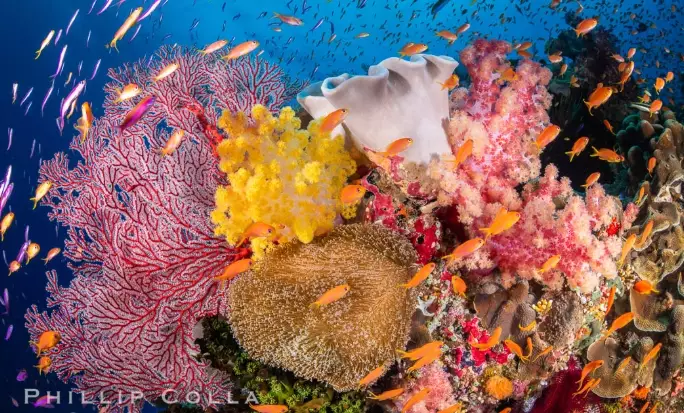
The Core Fact: Fiji sits in the heart of the "Coral Triangle," the global epicenter of marine biodiversity. Its waters contain over 10,000 square kilometers of coral reef systems. That includes vast barrier reefs, fringing reefs hugging the islands, and mysterious patch reefs out in the lagoons. So, to anyone wondering "is there a coral reef in Fiji," you're asking about the very foundation of the nation's environment, culture, and tourism.
Fiji's Reefs: More Than Just One Big Coral Garden
People often picture one giant reef. Fiji's reality is more complex and fascinating. The system is a mosaic, each piece with its own personality. The two heavyweight champions are the Great Sea Reef and the Great Astrolabe Reef.
The Great Sea Reef (known locally as Cakaulevu) is a monster. It's the third-longest continuous barrier reef system on the planet, stretching over 200 kilometers along the northern coast of Vanua Levu. It's a bit more remote, which means its ecosystems are incredibly pristine. Diving there feels exploratory.
Then you have the Great Astrolabe Reef, encircling Kadavu Island. This is the poster child for dramatic drop-offs and adrenaline-pumping drift dives. The currents bring in nutrients, which in turn bring in the big stuff—sharks, barracuda, massive schools of fish. It's raw and powerful.
But here's the thing most generic travel blogs miss: the magic is often in the smaller, unnamed fringing reefs. The ones you access by simply stepping off the beach of your resort in the Mamanucas or Yasawas. These are the reefs for lazy afternoon snorkels, where you might find a shy octopus in a crevice or a friendly turtle that seems genuinely curious about you. The scale may be smaller, but the intimacy is greater.
Where to Experience Fiji's Coral Reefs: A Quick-Reference Table
To make planning easier, here’s a breakdown of some key locations. This isn't just a list of names; it's a guide to matching the reef with your travel style.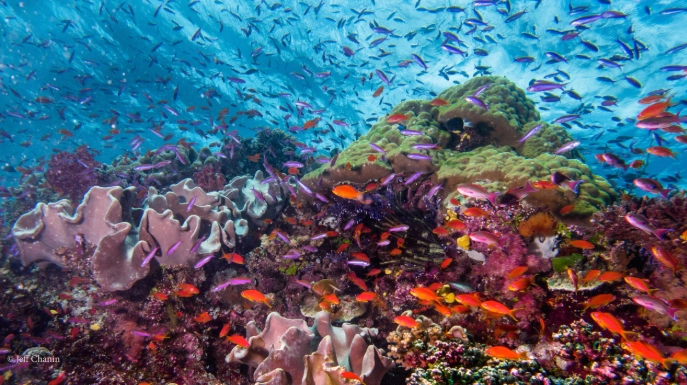
| Region/Reef Name | Best For | Signature Experience | Accessibility |
|---|---|---|---|
| The Mamanuca & Yasawa Islands | First-time visitors, families, snorkelers, resort-based trips. | Vibrant, accessible fringing reefs right off the beach. Excellent coral cover and fish life with calm waters. | Very High. Short boat rides from Nadi/Denarau. |
| The Great Astrolabe Reef (Kadavu) | Experienced divers, adventure seekers, those wanting isolation. | World-class wall diving, shark encounters, strong currents (drift dives), breathtaking soft coral formations. | Moderate to Low. Requires a domestic flight to Kadavu and transfer to a dive resort. |
| The Great Sea Reef (Vanua Levu) | Divers and snorkelers looking for pristine, less-visited sites. | Immense biodiversity, giant clams, remote and untouched reefscapes. Fantastic for manta ray sightings in certain seasons. | Moderate. Fly to Savusavu or Labasa, then boat trips. |
| Beqa Lagoon (Viti Levu) | All levels of divers, especially famous for a unique activity. | The legendary Shark Reef Marine Reserve—controlled, safe shark dives with up to 8 species, including bulls and tigers. Also has beautiful soft coral reefs. | High. Day trips from Pacific Harbour or nearby resorts. |
| Bligh Water & Namena Marine Reserve | Serious divers on liveaboard boats or at dedicated dive resorts. | Some of Fiji's most acclaimed dive sites (like Grand Central Station). Pelagic action, stunning walls, and a protected, thriving marine reserve. | Low. Primarily accessed via liveaboards or resorts like Namena Island. |
| Taveuni (Rainbow Reef & Somosomo Strait) | Underwater photographers, coral enthusiasts. | The epicenter of the "Soft Coral Capital" title. Famous sites like the Great White Wall and Zooanthid Island explode with color, especially during incoming tides. | Moderate. Fly to Taveuni, stay at north island resorts. |
Looking at that table, you might wonder, "Is there a coral reef in Fiji that's right for me?" The beauty is, there almost certainly is. If you're a nervous first-time snorkeler, the calm lagoons of the Mamanucas are your playground. If you live for the thrill of a fast drift dive alongside sharks, the Astrolabe Reef is calling your name. Fiji's portfolio is that diverse.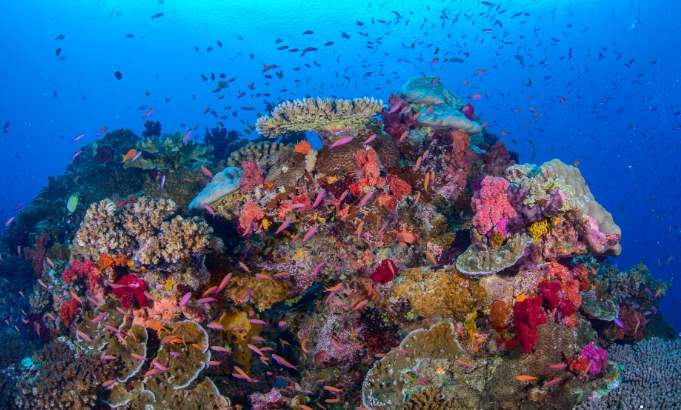
A quick personal take: I found the hype around the "Soft Coral Capital" to be absolutely accurate in places like the Somosomo Strait. During the right tide, it's like swimming through a swirling, psychedelic avalanche of color. But I also have a soft spot for the simpler reefs off the Yasawas at sunset—less dramatic, but profoundly peaceful.
So, How Do You Actually Visit These Reefs Responsibly?
This is the part that matters. Knowing that there is a magnificent coral reef in Fiji is one thing. Visiting it without harming it is another. Coral is a living animal, incredibly fragile. A single careless fin kick can break a coral colony that took decades to grow.
Let's talk practical, non-preachy tips.
First, your feet and fins. Always practice buoyancy control. If you're a diver, get your weighting right before you go near the reef. If you're snorkeling, never stand on the coral. Ever. It might look like a rock, but it's a colony of living polyps. Use sandy patches to adjust your gear or rest.
Second, what you put on your skin matters. A huge one: sunscreen. Many common chemical sunscreens contain oxybenzone and octinoxate, which are proven to bleach and kill coral larvae, even in tiny concentrations. The rule is simple: use only mineral-based ("reef-safe") sunscreen with zinc oxide or titanium dioxide as the active ingredient. Better yet, wear a rash guard or long-sleeved swim shirt. It's more effective and creates zero pollution. Fiji is actually considering bans on harmful sunscreens, following the lead of places like Hawaii and Palau. You can read more about the science behind this on the National Oceanic and Atmospheric Administration (NOAA) website.
Pro Tip: Don't wait to buy "reef-safe" sunscreen at a resort shop—it might be expensive or unavailable. Pack it from home. Look for brands that are certified by third parties like the Haereticus Environmental Laboratory's Protect Land + Sea certification. It's a small step that makes a big difference.
Third, hands off. I know it's tempting to touch that cute sea cucumber or pick up a pretty shell. Don't. The ecosystem relies on everything staying in its place. Feeding fish is also a big no-no—it alters their natural behavior and diet. Just observe. Be a ghost in their world.
Finally, choose your operator wisely. Look for dive shops and tour companies that are actively involved in conservation. Do they mention mooring buoys (so boats don't drop anchors on the reef)? Do they run clean-up dives or partner with local conservation groups? A good sign is membership in organizations like Project AWARE or adherence to the Fiji Tourism's sustainable tourism guidelines. Your dollars support good practices.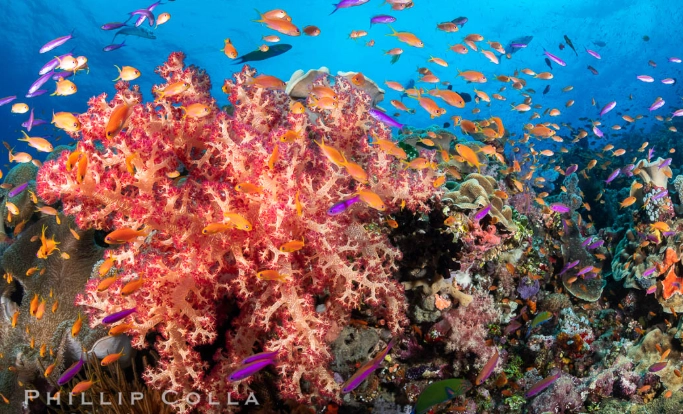
The Hard Truth: Threats to Fiji's Coral Reefs
We can't just celebrate these reefs without acknowledging the challenges they face. It's not all postcard perfection. When you ask "is there a coral reef in Fiji," you also need to ask about its health.
The biggest global threat is climate change. Rising sea temperatures cause coral bleaching. When water gets too warm, corals expel the symbiotic algae (zooxanthellae) that live in their tissues and give them color and food. The coral turns bone white—it's "bleached." If the temperature drops quickly, they can recover. If the heat stress lasts, the coral starves and dies.
Fiji has experienced severe bleaching events, notably during global El Niño years. The United Nations Climate Change reports detail how Pacific Island nations like Fiji are on the front lines. I've seen patches of reef that were once colorful gardens now reduced to grey, skeletal landscapes. It's heartbreaking, and it's a stark reminder that the reef is fragile.
Local Threats: Beyond climate change, localized issues like land-based pollution (sediment and runoff from poor farming and construction practices), overfishing, and unsustainable coastal development also chip away at reef health. A healthy reef needs clean, clear water.
But here's where the story turns from despair to hope. Fiji is a global leader in community-based marine conservation.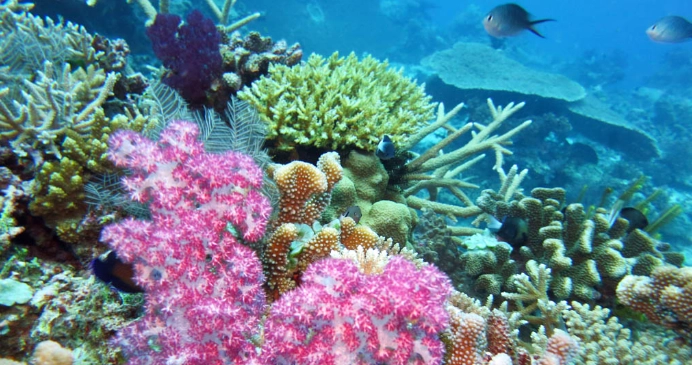
What's Being Done? The Fight to Protect the Reefs
Fijians don't just see the reef as a tourist attraction. It's their supermarket, their storm barrier, and their heritage. This deep connection has fueled one of the world's most impressive grassroots conservation movements.
The cornerstone is the "qoliqoli" system—traditional fishing grounds managed by local communities (vanua). Hundreds of villages have established locally managed marine areas (LMMAs). They set aside "tabu" areas (sacred, no-take zones) where fishing is completely banned, allowing fish stocks and corals to recover. The results have been phenomenal. In areas with strong tabu zones, fish are bigger, more abundant, and spill over into areas where fishing is allowed.
Organizations like the Fiji Locally Managed Marine Area (FLMMA) network support these communities with science and planning. It's a powerful blend of traditional knowledge and modern marine biology.
There's also incredible work in coral restoration. Resorts and NGOs run coral nurseries where they grow fragments of resilient coral species on underwater frames before "outplanting" them onto damaged sections of reef. It's slow, meticulous work, but it's rebuilding the underwater architecture piece by piece.
As a visitor, you can sometimes participate in these efforts. Some resorts offer guided "coral planting" experiences for a fee, which directly funds the work. Just make sure it's a legitimate, science-backed program, not just a gimmick.
Your Burning Questions Answered (The Real FAQs)
Is there a coral reef in Fiji that is easy for beginners?
Absolutely. The lagoons and fringing reefs around the Mamanuca and Yasawa Islands are perfect. The water is generally calm, shallow, and the coral gardens start right at the surface. Most resorts have a "house reef" you can snorkel directly from the beach. It's the most stress-free way to start.
What is the best time of year to see Fiji's coral reefs?
The dry season (May to October) offers the best visibility (often 30+ meters) and calmest seas. However, this is also peak tourist season. The wet season (November to April) can have warmer water and more plankton, which sometimes reduces visibility but can increase the chance of seeing manta rays and whale sharks feeding. Avoid February and March if you're sensitive to rain and potential cyclones.
Can you see the coral reef in Fiji without diving?
One hundred percent yes. Some of Fiji's best reef experiences are had while snorkeling. The colors and fish life are most vibrant in the top 5-10 meters of water, which is perfect snorkeling depth. For something truly unique, many resorts offer clear-bottom kayaks or paddleboards, and there are even semi-submersible boat tours where you stay dry while viewing the reef through underwater windows.
Is it safe to swim near the coral reef?
Generally, yes. But practice common sense. Don't touch anything (some corals can sting, and stonefish can hide in the sand). Be aware of currents, especially on outer reef passages. Listen to your guide's briefing. The marine life is not out to get you; most injuries come from people accidentally touching or stepping on things.
How does Fiji's coral reef compare to the Great Barrier Reef?
It's different. The Great Barrier Reef is vastly larger—a continent-sized system. Fiji's reefs are more intimate, often with denser soft coral growth (those amazing colorful, flowing corals). Fiji is also much easier to navigate for a one or two-week trip. You can experience world-class reef sites without days of open-ocean sailing. Some divers argue the sheer intensity of color and life in top spots like the Somosomo Strait rivals anything on the GBR.
What animals will I see on a Fiji coral reef?
The list is endless, but here's a taste: Parrotfish (the loud crunching you hear is them eating coral), clownfish in their anemones, angelfish, butterflyfish, moray eels peeking from holes, graceful turtles, and if you're lucky, reef sharks (mostly harmless white-tip and black-tip reef sharks). On specific dives, you can see manta rays, eagle rays, and in dedicated spots like Beqa Lagoon, larger bull and tiger sharks in a controlled setting.
The question isn't really "is there a coral reef in Fiji?" It's "which incredible part of Fiji's vast coral universe will I explore first?"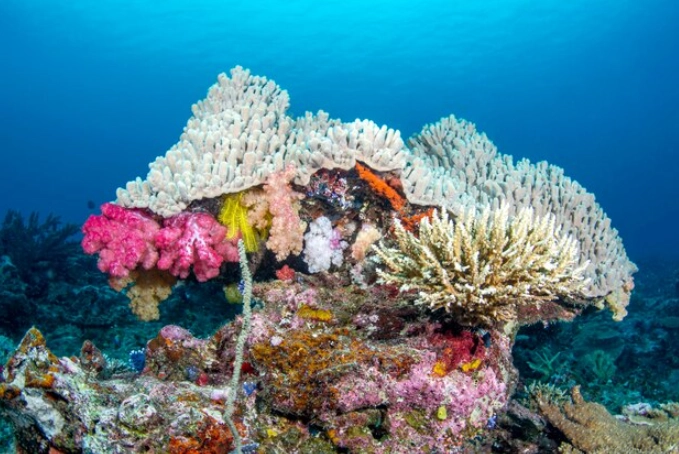
Making Your Choice and Leaving a Positive Impact
By now, you should have a crystal-clear picture. Fiji's coral reefs are real, they are spectacular, and they are under the care of a nation that fiercely values them. Your trip can be more than just a vacation; it can be a vote of support for sustainable tourism and conservation.
When you book, ask questions. Choose operators who care. Pack your reef-safe sunscreen and a reusable water bottle (to reduce plastic waste). Follow the simple rules in the water. Consider donating to or volunteering with a local conservation group like the Coral Triangle Center, which works throughout the region.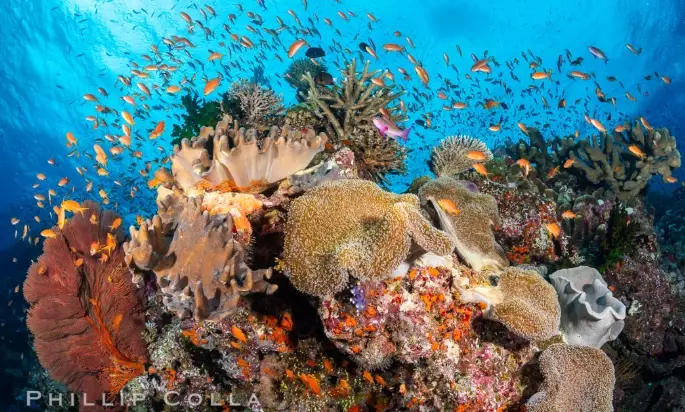
The vibrant, pulsing heart of the South Pacific is waiting beneath the waves. It's a living masterpiece that has taken millennia to create. Whether you're a seasoned diver or someone who just wants to float face-down in wonder for the first time, the answer to "is there a coral reef in Fiji" is your invitation to one of the greatest shows on Earth. Just remember to tread lightly.
Go see it. Be amazed by it. And do your part to ensure the answer to that question is a vibrant "yes" for generations to come.
Reader Comments