In This Guide
- Before You Even Search: What Kind of Snorkeler Are You?
- How to Vet a Snorkel Tour Operator (The Real Questions to Ask)
- The Essential Gear: What You Need vs. What's Nice to Have
- What to Expect on the Day: A Realistic Timeline
- Answering Your Top Questions About Snorkeling Tours
- Making Your Final Choice and Booking
Let's be honest. You type "snorkeling tours near me" into Google and you're hit with a wall of options. Big company ads, local outfitters, five-star reviews, one-star warnings. It's enough to make you close the laptop and just go to the pool instead. But don't do that. The feeling of floating weightlessly over a coral garden, watching a turtle munch on seagrass, or seeing a school of neon fish swirl around you is worth the hassle of figuring it out. I've been on my fair share of amazing tours and some real duds. The difference wasn't the location, but the tour itself. This guide is here to help you skip the bad ones and find an experience you'll remember for all the right reasons.
We're not just going to list operators. Anyone can do that. We're going to talk about how to think about your search, what questions to ask that most people don't, and how to prepare so you actually enjoy the day. Whether you're a first-timer terrified of looking silly or a seasoned snorkeler looking for that secret spot, there's a tour for you.
Before You Even Search: What Kind of Snorkeler Are You?
This is the step everyone misses. They jump straight to the search results without a filter. Get a coffee, think about this for a second.
Are you going with young kids who need constant attention and might get scared? Are you and your partner strong swimmers looking to cover some distance and see specific wildlife? Is your main goal to get that perfect Instagram photo of a sea turtle, or are you just happy to float and see pretty fish? Your answers change everything.
For families, a "snorkeling tour near me" that uses a large, stable pontoon boat with a shallow, sandy entry area and dedicated guides for kids is a godsend. For adventure seekers, that same tour would be painfully boring. They'd want a smaller, faster boat that gets to more remote sites, maybe even with a bit of current for a fun drift snorkel.
The Big Three: Boat, Shore, or Resort Tour?
Most snorkeling tours near me will fall into one of these categories. Knowing the pros and cons saves you from disappointment.
- Boat Tours: The classic. You get ferried from a dock to specific reefs or sites. Pros: Access to deeper, healthier, and less crowded reefs. Usually includes gear, a guide, and sometimes snacks. The boat ride itself can be fun. Cons: More expensive. You're committed for the duration (often 3-5 hours). Seasickness is a real possibility. If the weather turns, it gets canceled.
- Shore Tours: You meet a guide at a beach, get geared up, and swim out from the shore. Pros: Often cheaper and shorter (great for testing the waters). No seasickness worries. More flexible timing. Cons: You're limited to reefs accessible from shore, which can be more impacted by weather (surf, visibility). Requires more swimming energy to get out to the good spots.
- Resort/Hotel Tours: Often the most convenient. The operator picks you up from your hotel lobby. Pros: Zero logistical headache. Geared towards tourists and beginners. Cons: Can be the most generic and crowded experience. Often the highest price for what you get. You might be grouped with people of wildly different abilities.
I made the mistake once of booking a resort tour for a "secret cove." It was a beautiful cove, alright. Shared with 60 other people from three different resort buses. The coral was mostly dead from all the traffic. I learned my lesson.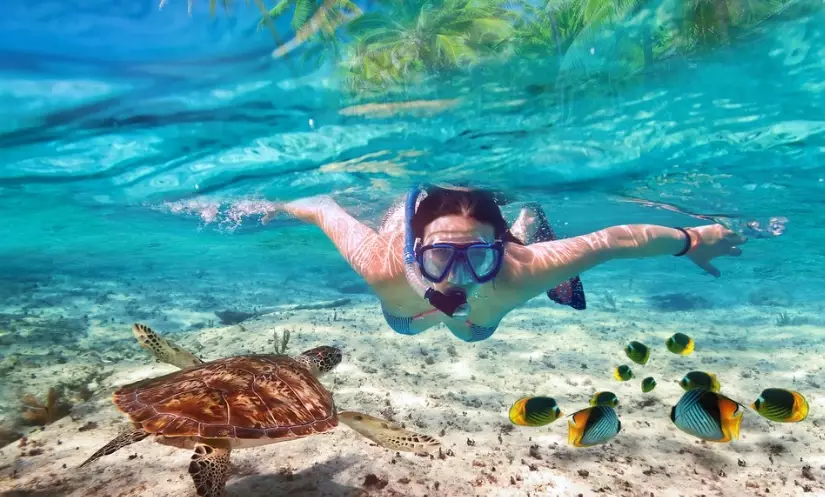
How to Vet a Snorkel Tour Operator (The Real Questions to Ask)
Okay, you've found a few promising options for snorkeling tours near me. Now, don't just look at the star rating. Dig deeper. Here’s what you should be looking for, and what you should ask if you call or email them.
1. Group Size & Guide-to-Guest Ratio. This is the single biggest factor for quality. A guide trying to herd 30 people is a lifeguard, not a guide. A guide with 8-10 people can point out hidden creatures, help with gear, and give personal attention. Ask directly: "What is the maximum number of guests on this tour, and how many guides will be in the water with us?" A good ratio is 1 guide per 8-10 guests.
2. Their Environmental Stance. This matters more than ever. Do they preach reef-safe sunscreen? (Check if the NOAA has great resources on why this is critical). Do they have a "no touch, no stand" policy for coral? Do they contribute to local conservation? Supporting these operators is better for the reefs you're visiting.
3. What's *Really* Included? "Includes gear" can mean old, leaky masks that fog up instantly. It can also mean high-quality, recently sanitized equipment. Ask: "Is the mask a standard design or do you have options for different face shapes (like a low-volume mask for those who wear glasses)?" Do they provide wetsuits or rash guards? Even in warm water, a thin suit protects from sun and scrapes. Is there water on the boat? A simple snack? These things seem small but make a big difference in your comfort.
4. Their Plan for Non-Swimmers/Beginners. A great operator has a plan for everyone. Do they offer foam noodles, proper flotation belts, or even guided "intro sessions" in shallow water before heading to the reef? If you're nervous, ask this question. Their answer will tell you everything about their patience and customer service.
5. The Boat Details. If it's a boat tour, ask about the vessel. Is there shade? A marine toilet (head)? A ladder or a sturdy platform to get back on board? Getting back onto a boat with flippers on is the most awkward part of the day for many. A good ladder makes it easy.
The Essential Gear: What You Need vs. What's Nice to Have
Even if gear is included, bringing a few key items of your own can upgrade your experience from good to fantastic.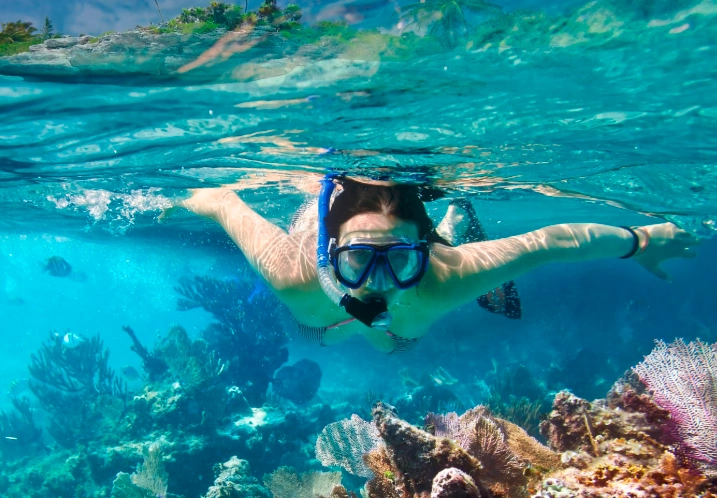
| Item | Why It's Essential or Nice | Personal Recommendation / Note |
|---|---|---|
| Your Own Mask & Snorkel | ESSENTIAL if you snorkel often. A perfect fit prevents leaks and fogging. More hygienic. | Invest in a mid-range mask from a dive shop where they can help you fit it. For the snorkel, a simple J-shaped one is fine; purge valves often just break. |
| Reef-Safe Sunscreen | NON-NEGOTIABLE. Chemicals in regular sunscreen harm coral polyps. | Look for mineral-based (zinc oxide/titanium dioxide) formulas. Apply it 30 mins before getting wet for it to bind to your skin. |
| Rash Guard or UV Shirt | HIGHLY RECOMMENDED. Protects from sun without constant reapplication. Prevents chafing from life jackets. | This is my #1 tip for comfort. A long-sleeve shirt is a game-changer. You'll use less sunscreen and stay warmer. |
| Water Shoes / Reef Booties | Depends on the tour. Essential for shore entries over rocky bottoms. | Cheap aqua socks from a sporting goods store work. Protects your feet from urchins and sharp coral. |
| GoPro or Waterproof Case | Nice to have. But don't let filming ruin the experience of just watching. | Practice using it in a pool first. Get a floaty handle so you don't drop it to the abyss. I've seen it happen. |
| Sea-Sickness Remedy | Essential if you have any doubt. A ruined trip is a waste of money. | Non-drowsy formulas like meclizine (Bonine) work well. Take it before you feel sick, as directed. |
What to Expect on the Day: A Realistic Timeline
Knowing how the day flows reduces anxiety. Here’s a typical schedule for a half-day boat tour:
Check-in (30 mins before): Paperwork, signing waivers. Don't be late. They will leave without you.
Briefing (15-20 mins): Pay attention! They'll cover safety (hand signals, where the ladder is), the itinerary, the marine life you might see, and the rules (don't touch anything!). This is where you see if the guide is engaging and knowledgeable.
Boat Ride to Site (15 mins - 1 hour): Enjoy the view, listen to the guide's commentary, get your gear ready.
First Snorkel Session (45-60 mins): This is it! Get in, get comfortable. Stay near your buddy. Don't chase the fish; let them come to you. Breathe slowly and deeply through the snorkel.
Back on Board / Snack Break (20-30 mins): Rehydrate, have a piece of fruit or a cracker. Guides often give a mini-debrief on what everyone saw.
Second Snorkel Session (45-60 mins): Usually at a different site with different topography or marine life.
Boat Ride Back (15 mins - 1 hour): Relax, dry off, share stories with other guests. Tip your guides if they were great (cash is king, $5-$10 per person is standard).
See? It's not just two hours of non-stop snorkeling. There's a rhythm to it. The breaks are important. Snorkeling is more tiring than you think, especially if you're fighting current or your own buoyancy.
Answering Your Top Questions About Snorkeling Tours

Making Your Final Choice and Booking
You've done the research. You have 2-3 operators that fit your criteria. How to choose?
- Read the 3-Star Reviews. Ignore the raving 5-star and the angry 1-star. The 3-star reviews are usually the most balanced and mention specific pros and cons that might matter to you (e.g., "Great guide, but the boat was crowded" or "Amazing fish, but the provided lunch was just a granola bar").
- Check Their Social Media. Look at their recent posts. Do the photos look like the same crowded spots, or do they show small groups and happy faces? Do they post about local marine conservation events? It gives you a feel for their ethos.
- Book Directly When Possible. Using a giant third-party travel site might seem easier, but if there's a problem (weather cancelation, need to reschedule), dealing directly with the operator is always smoother. They also keep more of the profit.
- Ask About Their Weather Policy. What happens if it rains? If the sea is choppy? A good operator will cancel for unsafe conditions and offer a reschedule or full refund. A bad one will go out in rough seas and have a miserable, seasick group.
When I finally found my perfect snorkeling tour near me in Hawaii, it was because I called. I asked about group size (max 10), their environmental policy (reef-safe only, they provided shirts), and their plan for beginners (my friend was nervous). Their answers were immediate and detailed. The tour itself was flawless—small group, hilarious and knowledgeable guide, and we saw an endangered Hawaiian monk seal napping on the reef. It was magic, and it was because I did the legwork.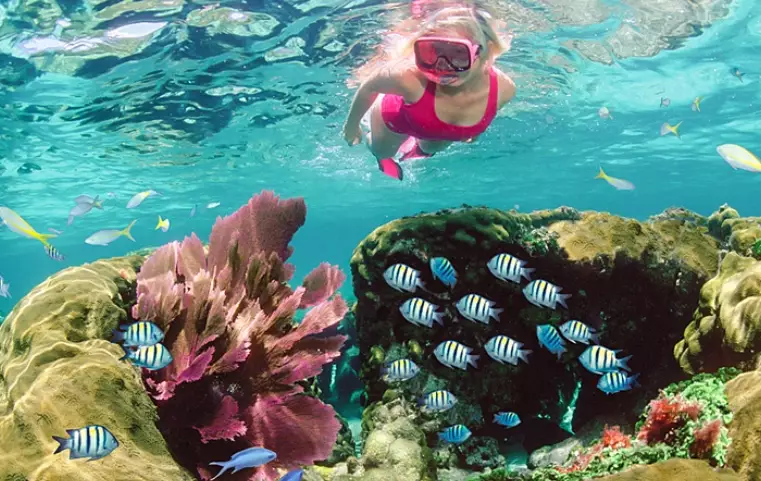
So, close those 25 browser tabs. Think about what you really want. Use the questions here. Make the call. Then get ready to experience a world that, for all its vastness, feels peacefully quiet just beneath the surface. Your adventure is waiting, and now you're smart enough to choose the right one.
Reader Comments