Quick Navigation
- The Big No-Nos: Activities Almost Universally Prohibited
- The Gray Areas and Commonly Misunderstood Rules
- A Quick-Reference Table: The Do's and Don'ts at a Glance
- How to Actually Find the Rules for a Specific MPA (This is Crucial)
- Answers to Your Burning Questions (The FAQ You Actually Need)
- The Bottom Line: How to Be a Perfect MPA Visitor
So you're planning a trip to the coast, maybe for some diving, fishing, or just a peaceful boat ride, and you see the signs or hear the term: Marine Protected Area (MPA). Your first thought is probably a simple one: What can't you do in a marine protected area? It's a great question, and the answer isn't always as straightforward as you'd hope.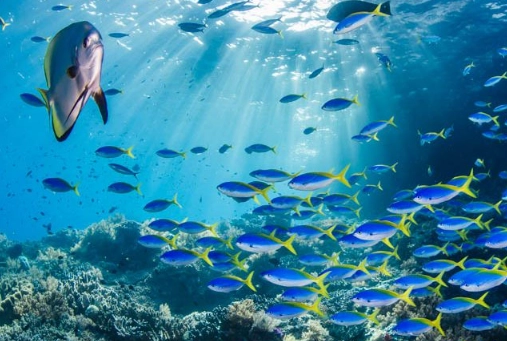
I remember my first time kayaking near one. I saw the buoys marking the boundary, but the rules posted on shore were faded and full of legal jargon. I ended up playing it super safe, probably missing out on some cool spots, just because I was nervous about breaking a rule I didn't fully understand. It was frustrating.
The truth is, every MPA is a bit different. They're not all "no-go" zones. Think of them more like national parks for the ocean, with different zones for different levels of protection. But there are common threads, activities that are almost always a hard "no" if you want to be a responsible visitor. Let's break it down, cut through the confusing language, and talk about what you actually need to know.
Key Takeaway First: An MPA isn't necessarily a "marine prohibited area." The core idea is protection. The rules are designed to protect fragile habitats, rebuild fish populations, and preserve biodiversity for the long haul. What you can't do is directly tied to what that specific spot needs to heal or thrive.
The Big No-Nos: Activities Almost Universally Prohibited
These are the activities that will get you in serious trouble, no matter which MPA you're in. They're the fundamental threats these areas are designed to stop.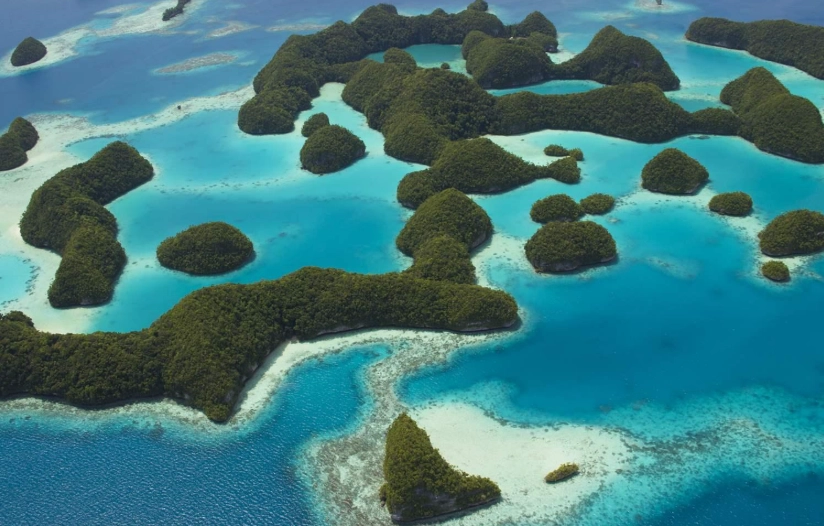
Fishing and Harvesting (In Most Zones)
This is the big one. For most people, the first thing that comes to mind when asking "what can't you do in a marine protected area" is fishing. And you're mostly right.
- Commercial Fishing: This is typically heavily restricted or banned outright in core protected zones. Trawling, longlining, and dredging are especially damaging and are common targets for prohibition.
- Recreational Fishing: This is where it gets zonal. In "no-take" zones (also called marine reserves), all fishing, spearfishing, and gathering of shellfish (like clams, lobsters, or urchins) is 100% off-limits. In other zones, you might be allowed to fish with a permit, specific gear, or for certain species. Never assume. Always check the specific regulations for the exact area you're in.
- Collecting "Souvenirs": This is a major faux pas. Taking live coral, shells (if they might be inhabited), sea stars, or any other marine life is a definitive no. It disrupts the ecosystem. Photos are the only souvenirs you should take.
I've spoken to fisheries scientists who've shown me data from places like the NOAA-monitored MPAs in the US, and the recovery in no-take zones is stunning. Fish are bigger, more abundant, and that life eventually spills over to help surrounding areas. The rule exists for a reason.
Damaging the Seafloor: Anchoring and Dredging
Out of sight, out of mind? Not in an MPA. The seafloor is where critical habitats like coral reefs, seagrass meadows, and sponge gardens live.
Dropping an anchor haphazardly can smash centuries-old coral or rip up seagrass that provides nursery grounds for fish. In sensitive MPAs, unregulated anchoring is often prohibited. The solution? Use established public mooring buoys if they are provided. If you must anchor, you need to know the seabed type and use techniques to minimize damage, but in many core zones, it's just not allowed at all. Dredging (scraping the seafloor) for development or mining is, unsurprisingly, a catastrophic activity that's banned.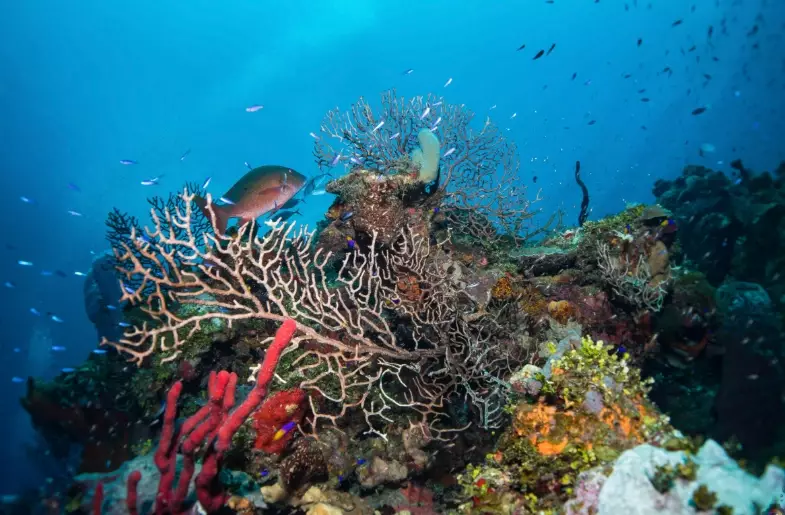
Pollution and Dumping
This should go without saying, but it's explicitly illegal. We're talking about:
- Discharging sewage or graywater (from sinks/showers). Many MPAs require the use of holding tanks.
- Releasing any trash, plastics, or debris.
- Spilling fuels or chemicals.
The goal is pristine water quality. Even "biodegradable" soaps can introduce nutrients that upset the balance.
Watch Out: Some of the heaviest fines for MPA violations come from illegal dumping or sewage discharge. It's not just a slap on the wrist; it's treated as a serious environmental crime.
The Gray Areas and Commonly Misunderstood Rules
This is where people get tripped up. Activities that seem harmless on land can be problematic in the delicate context of an MPA.
Swimming, Snorkeling, and Diving
Generally, these are not only allowed but encouraged! MPAs are often fantastic places to see healthy marine life. However, your behavior matters. What can't you do in a marine protected area while you're in the water?
- Don't touch or stand on anything. This is rule number one for eco-friendly diving/snorkeling. Coral polyps are living animals and can be killed by the oils on your skin or physical damage. Even stirring up sediment can smother them.
- No chasing or harassing wildlife. Don't pursue sea turtles, ride rays, or corral fish. Observe from a respectful distance.
- Be mindful of your gear. Ensure your fins don't kick up the bottom and your gauges/hoses don't drag across reefs.
Good dive operators will brief you thoroughly on this. If they don't, it's a red flag.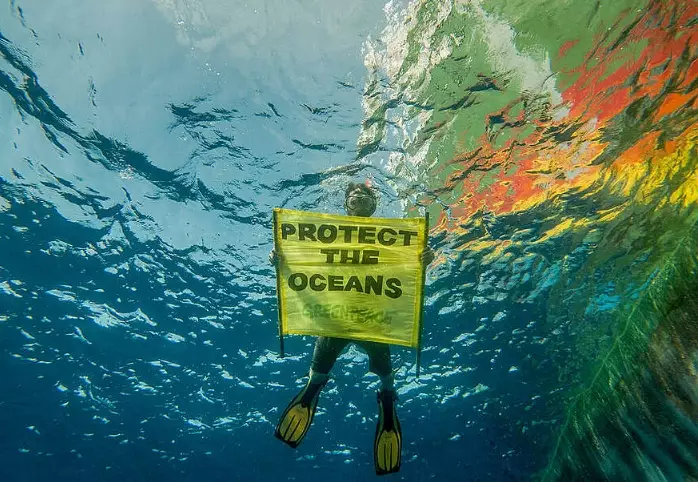
Boating and Personal Watercraft
You can usually transit through an MPA, but with caveats.
- Speed and Wake: Many MPAs have strict no-wake or low-speed zones. A large wake can erode sensitive shorelines and disturb wildlife.
- Access to Shore: Landing on protected islands or beaches within an MPA may be restricted to prevent disturbance to nesting birds or seals.
- Jet Skis/Personal Watercraft: These are sometimes banned outright due to noise, pollution, and disturbance, or restricted to specific corridors. Always check first.
Scientific Research and Commercial Activities
This is interesting. You might think everything is locked down, but with the proper permits, scientific research is not only allowed but vital. Scientists monitor the health of MPAs to prove their effectiveness. However, their work is tightly controlled to ensure it doesn't defeat the purpose of protection.
Similarly, commercial activities like tourism (dive boats, glass-bottom boats, eco-tours) usually require special permits. They operate under a set of agreed-upon best practices. The key for any non-recreational activity is prior authorization. You can't just show up and start a project.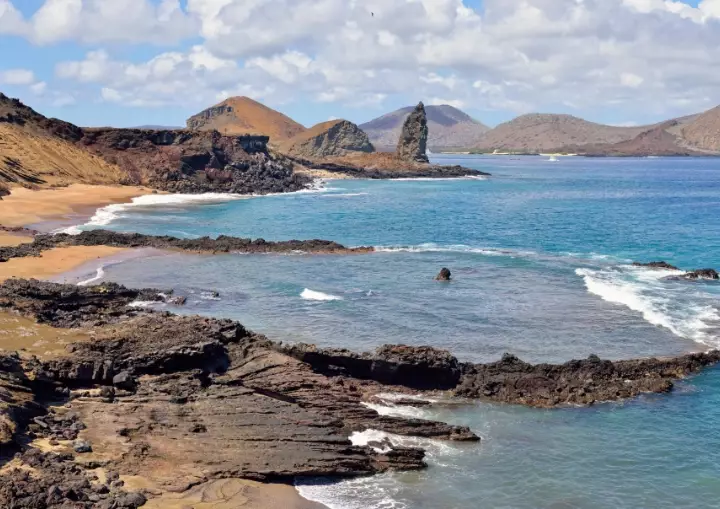
A Quick-Reference Table: The Do's and Don'ts at a Glance
| Activity | Typically PROHIBITED in Core Zones | Often ALLOWED with Conditions | Key Reason for Restriction |
|---|---|---|---|
| Fishing (Recreational) | Yes, in "No-Take" zones | Possibly in buffer zones, with size/bag limits | To rebuild fish stocks & allow natural behavior |
| Commercial Fishing/Trawling | Yes | Rarely, if ever | Prevents habitat destruction & overfishing |
| Anchoring | Yes, on sensitive seabeds (coral, seagrass) | On sand/mud, or using mooring buoys | Prevents physical destruction of critical habitat |
| Collecting Organisms/Shells | Yes | Almost never | Preserves biodiversity & ecosystem structure |
| Diving/Snorkeling | No (generally encouraged!) | Yes, but with strict "no touch" rules | Non-extractive use is a key benefit of MPAs |
| Discharging Waste | Yes | No | Maintains pristine water quality |
| High-Speed Boating/Jet Skis | Often in sensitive areas | Maybe in designated transit lanes | Reduces noise pollution & wildlife disturbance |
This table is a general guide. The real authority is always the local management plan.
How to Actually Find the Rules for a Specific MPA (This is Crucial)
Alright, so we've talked generalities. But you need to know about your spot. Here’s how to not be the clueless person who accidentally breaks the rules.
- Search for the Official Management Authority: Every MPA is managed by someone—a national park service, a fisheries department, a state conservation agency. A web search for "[MPA Name] regulations" or "[MPA Name] management plan" is your first stop. For a global database, the MPAtlas is an incredible resource.
- Look for Zonation Maps: These are the gold standard. A good management plan will have a map showing different colored zones (e.g., Sanctuary Preservation Area, Wildlife Management Area, Recreational Zone) with a clear legend stating what's allowed in each. Don't rely on verbal descriptions from friends; get the map.
- Ask Local Operators, But Verify: Charter boat captains, dive shops, and visitor centers usually know the rules. However, I've heard outdated info before. Use them as a starting point, but cross-check with official sources if something seems vague. A good operator will happily point you to the official rules.
- Read the Signs: When you arrive, look for posted signs at boat ramps, docks, and beach access points. They often have the most critical, summarized rules.
Pro Tip: Bookmark the official page on your phone before you go. Cell service can be spotty on the water, and having that digital reference can save you from guessing.
Answers to Your Burning Questions (The FAQ You Actually Need)
Let's tackle some of the specific, sometimes quirky, questions people have when they're trying to figure out what can't you do in a marine protected area.
Can I bring my dog to a beach in an MPA?
Maybe, but it's less about the water and more about the shore. Dogs can disturb nesting birds (like plovers or terns) and seals hauled out on beaches. They're often required to be on a leash, and in many sensitive habitat areas, they are not allowed at all. Check the specific rules for the shoreline access point.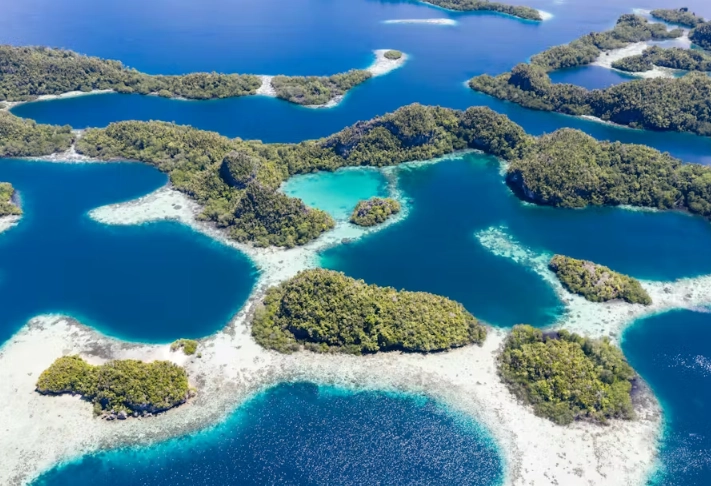
Is flying a drone over an MPA allowed?
This is a modern headache. Drones can stress wildlife (birds, marine mammals) immensely. Many MPAs, especially those managed as part of a national park or wildlife refuge, have strict no-drone policies without a permit. Even if the airspace isn't technically restricted, ethical and disturbance rules on the ground can make it illegal. Always, always check first. The assumption should be "no" until proven otherwise.
What happens if I accidentally break a rule?
Accidents happen—a hook snags on coral, an anchor drags. The key is intent and response. If you immediately try to minimize damage (carefully freeing the hook, re-anchoring), and it was a genuine accident, enforcement officers are typically understanding. However, ignorance of the law is rarely a defense. The onus is on you to know the rules. Fines for deliberate or negligent violations can be hefty, running into thousands of dollars.
Are all MPAs the same?
Absolutely not. This is the most important concept. The International Union for Conservation of Nature (IUCN) has different categories for MPAs, from strict nature reserves (Category Ia, where human access is very limited) to sustainable use zones (Category VI, where managed fishing is allowed). The level of protection dictates the rules. A "Marine Sanctuary" might have different rules than a "Marine Reserve." The name isn't standardized globally.
Why do these rules even exist? Does it really help?
This isn't just bureaucratic red tape. The science is solid. Well-designed and well-enforced MPAs lead to:
- More and bigger fish: Inside no-take zones, fish populations can rebound dramatically, often by hundreds of percent.
- Resilience: Healthy ecosystems in MPAs are better able to withstand stresses like climate change and disease outbreaks.
- Spillover: Adult fish and larvae from inside the MPA "spill over" into surrounding areas, actually boosting catches for fishermen outside the boundary.
In short, the rules aren't about stopping fun; they're about hitting the pause button on damage to ensure the ocean is still thriving for future generations. When you follow them, you're directly contributing to that success.
The Bottom Line: How to Be a Perfect MPA Visitor
Let's wrap this up with a simple mindset shift. Instead of just memorizing a list of prohibitions, think of yourself as a guest in a recovery room for the ocean.
Your job is to do no harm. Be aware, be prepared, and be humble. The fact that you're reading this article means you're already on the right track. You're asking "what can't you do in a marine protected area" for the right reasons.
The ocean gives us so much—food, recreation, beauty, oxygen. MPAs are one of our best tools for giving a little back. By understanding and respecting the rules, you're not just avoiding a fine; you're becoming part of the solution. And that’s a pretty good feeling, honestly better than any fish you could take home.
Now go enjoy that clear water and amazing wildlife—responsibly.
Reader Comments