I used to think snorkeling was only for strong swimmers. Then I met my friend Tom, who can't swim a stroke but desperately wanted to see coral reefs. We figured it out, and now I'm here to tell you: snorkeling for non-swimmers isn't just possible; it can be incredibly rewarding if you approach it right. Forget the fear—with the right gear, techniques, and spots, you can float safely and enjoy the magic below the surface. This guide cuts through the noise to give you a practical, no-nonsense plan.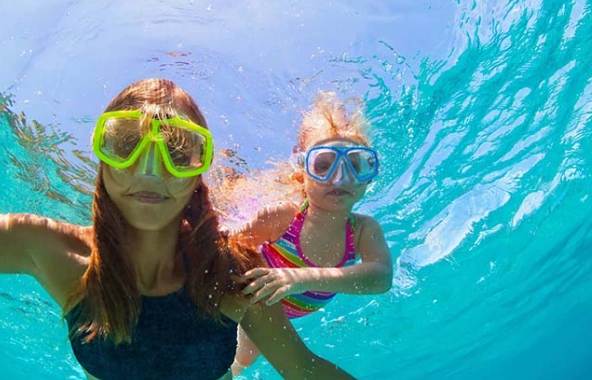
What You'll Learn in This Guide
What Exactly is Snorkeling for Non-Swimmers?
Snorkeling for non-swimmers isn't about learning to swim overnight. It's about adapting the activity so you can enjoy it with minimal risk. Think of it as floating rather than swimming. You use buoyancy aids, stay in shallow, calm waters, and rely on gear that keeps you safe. The goal is to observe marine life without the stress of staying afloat through swimming strokes.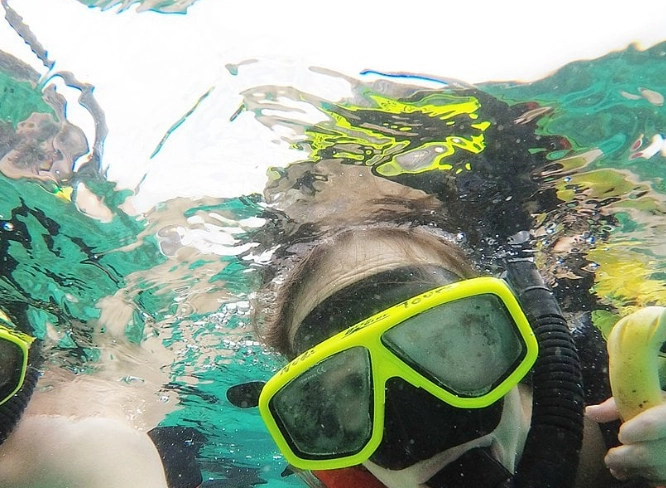
Many people assume you need to be a pro swimmer, but that's a myth. Organizations like PADI emphasize that with proper supervision and equipment, even non-swimmers can participate in snorkeling activities. The key is managing buoyancy and anxiety. I've seen folks cling to life jackets in panic, but with a few tweaks, they end up relaxed and amazed by fish gliding by.
The Must-Have Gear for Non-Swimmer Snorkeling
Gear makes or breaks your experience. Skip the fancy stuff and focus on these essentials. Here’s a breakdown of what you need and why.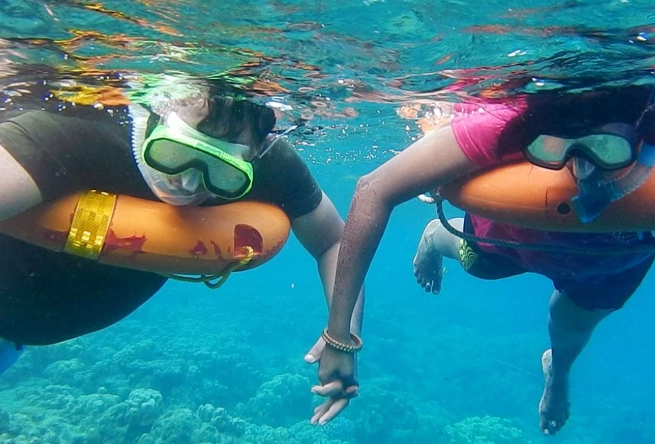
| Gear Item | Why It's Crucial for Non-Swimmers | Approximate Cost |
|---|---|---|
| Full-Face Snorkel Mask | Allows breathing through nose and mouth, reducing panic. No separate snorkel tube to manage. | $50 - $150 |
| Inflatable Snorkel Vest | Provides adjustable buoyancy; you can inflate/deflate as needed. More comfortable than bulky life jackets. | $30 - $80 |
| Fins with Straps | Helps with gentle propulsion without kicking hard. Avoid full-foot fins if you have foot issues. | $25 - $70 |
| Anti-Fog Spray | Keeps mask clear so you can see easily—critical for avoiding disorientation. | $5 - $15 |
Don't cheap out on the mask. A leaky one can ruin everything. I learned this the hard way on a trip to Hawaii; my budget mask fogged up, and I spent more time adjusting it than watching turtles. Go for a reputable brand like Cressi or Aqua Lung—they're worth the extra bucks.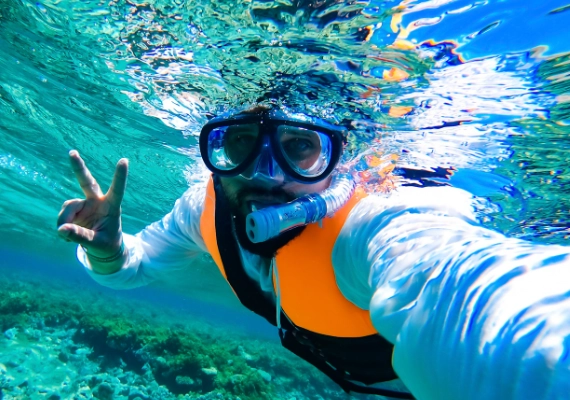
Also, consider a snorkel float or pool noodle for extra support. It sounds silly, but it works. You can rest your arms on it when tired.
How to Snorkel Safely Without Swimming Skills: A Step-by-Step Guide
Follow these steps in order. Rushing leads to mistakes.
Step 1: Practice in a Pool First
Never start in the ocean. Find a local pool, preferably with a shallow end (around 3-4 feet deep). Wear your gear and get used to floating with the vest inflated. Practice breathing through the snorkel mask while lying face-down. Spend at least 30 minutes doing this. It builds confidence without waves or currents.
Step 2: Master the Float Position
Your body should be horizontal, arms relaxed at your sides or holding a float. Keep your legs straight with gentle fin movements. The trick is to let the vest do the work. Many beginners tense up and sink; remind yourself to breathe slowly. Inhale deeply, exhale steadily—this regulates buoyancy.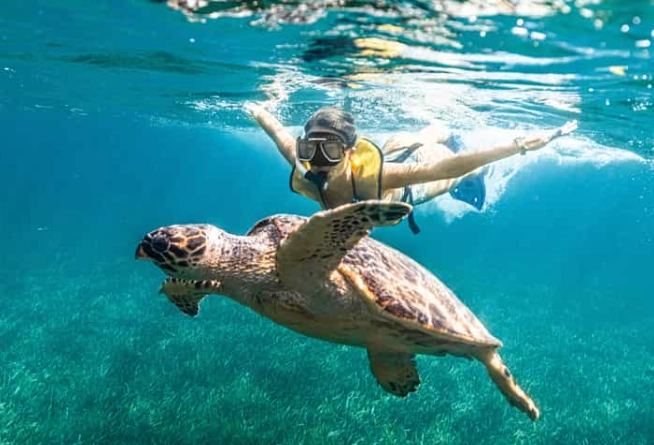
Step 3: Enter the Water Safely
Choose a spot with a gradual slope, like a sandy beach. Walk in until waist-deep, then lean forward into the float position. Avoid jumping or diving. If you're on a boat, use the ladder and descend slowly. Always have a buddy nearby, preferably someone who can swim.
Step 4: Navigate and Observe
Use your fins to paddle gently. Look down, not forward, to avoid neck strain. Keep movements minimal; thrashing scares fish and wastes energy. If you feel tired, signal your buddy and head back to shallow water. Most accidents happen from exhaustion, not lack of skill.
Expert Tip: A common mistake is over-inflating the vest. It makes you too buoyant, hard to submerge your face. Inflate just enough to keep your mouth above water when still. Test it in the pool first.
Where to Go: Top Snorkeling Spots for Non-Swimmers
Location matters. Pick places with calm waters, minimal currents, and easy access. Here are three spots I've personally tested with non-swimmer friends.
1. Hanauma Bay, Oahu, Hawaii
This is a protected nature preserve with a gentle slope. The bay is shallow near the shore (2-5 feet deep), perfect for beginners. You'll see colorful fish and maybe even a sea turtle. Go early to avoid crowds; it gets busy by 10 AM.
- Address: 7455 Kalanianaʻole Hwy, Honolulu, HI 96825
- Entry Fee: $25 per person (includes educational video)
- Best Time: 6:30 AM - 4 PM (closed Tuesdays)
- Getting There: Drive from Waikiki (about 30 minutes) or take TheBus route 22.
2. John Pennekamp Coral Reef State Park, Florida, USA
America's first underwater park. They offer guided snorkel tours with floats and vests. The water is clear and calm, especially at the shallow reefs like Key Largo Dry Rocks. I took Tom here, and he loved the Christ of the Abyss statue—it's visible from the surface.
- Address: 102601 Overseas Hwy, Key Largo, FL 33037
- Tour Cost: Around $40 for a 2.5-hour trip
- Hours: 8 AM - 5 PM daily
- Tip: Book online in advance; spots fill fast.
3. Silfra Fissure, Iceland (Yes, Really!)
This might surprise you, but snorkeling in glacial water between tectonic plates is doable for non-swimmers. Operators provide drysuits that keep you buoyant, and guides hold you the entire time. It's cold but surreal—like floating in pure blue air.
- Location: Thingvellir National Park, Iceland
- Tour Price: $150-$200, including all gear and guide
- Season: Year-round, but summer offers milder weather
- Note: You must be comfortable with cold; they give thorough briefings.
Each spot has lifeguards or guides trained to assist non-swimmers. Don't venture out alone.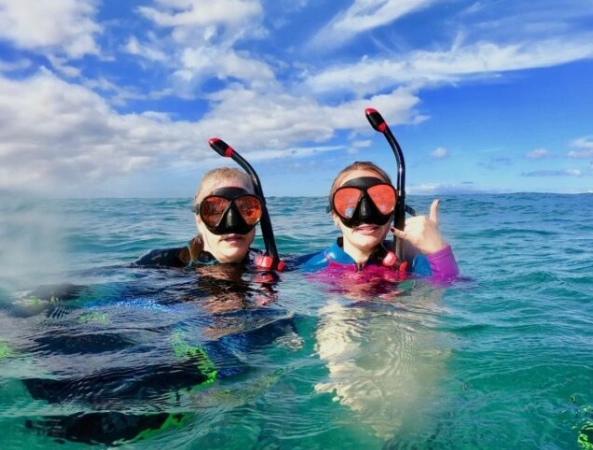
Common Pitfalls and Expert Tips to Avoid Them
After years of guiding beginners, I've seen patterns. Here’s what to watch for.
Pitfall 1: Ignoring Weather and Currents. Check forecasts. Windy days create waves that can overwhelm you. Resources like NOAA's marine forecasts are gold—use them. If the water looks choppy, reschedule.
Pitfall 2: Skipping the Buddy System. Never go alone. Even in shallow water, cramps or panic can strike. Your buddy should stay within arm's reach. I once saw a solo snorkeler drift too far; it took a boat to fetch them.
Pitfall 3: Overestimating Stamina. Start with short sessions, 20-30 minutes max. Fatigue leads to poor decisions. Hydrate well beforehand; dehydration causes cramps.
Expert Tip: Practice floating on your back as a rest position. It's a lifesaver if you get tired. Inflate your vest a bit more, roll over, and breathe. Most non-swimmers forget this simple move.
Frequently Asked Questions
Reader Comments