Quick Guide
Let's be real for a second. When you think about snorkeling with manta rays, your mind probably jumps straight to the Maldives or Indonesia, right? Turquoise water, white sand, the whole tropical dream. California might not be the first place that comes to mind. I thought the same thing, until I found myself floating in the cool, kelp-filled waters off the coast, staring up at a wingspan wider than my car.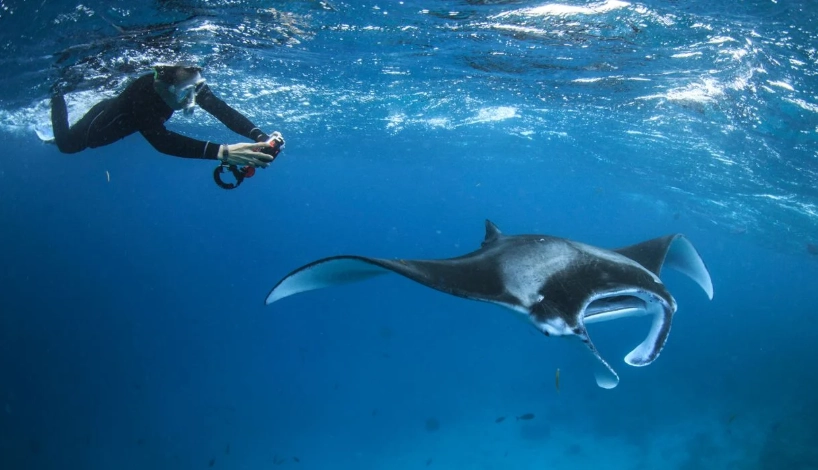
It's a different vibe entirely. Less postcard-perfect, more raw and wild. And honestly? That makes it more special. Snorkeling with manta rays near California isn't about lounging on a boat in a bikini. It's an adventure. It requires planning, a decent tolerance for cooler water, and a bit of luck with marine life that's just passing through. But if you get it right, it's an experience that sticks with you. This guide is everything I wish I'd known before I went, pieced together from my own trips and conversations with local guides who know these waters better than anyone.
The Core Truth: You won't find year-round, guaranteed manta ray cleaning stations like in Hawaii here. California's manta rays (primarily the Giant Oceanic Manta Ray, Mobula birostris) are pelagic travelers. Seeing them is about being in the right place, with the right conditions, at the right time of year. It's a chase, not a sure thing. And that's part of the thrill.
Where and When: The California Manta Ray Hotspots
First things first, let's clear up a major point of confusion. We're talking about snorkeling with manta rays near California. The key word is near. While extremely rare sightings can happen close to shore, especially in Southern California, your best bet for a consistent (though still seasonal) experience is at a specific offshore jewel.
The Undisputed Champion: The Revillagigedo Archipelago (Socorro Islands)
Okay, technically this is Mexico. But hear me out. For anyone searching for "snorkeling with manta rays near California," this is the premier answer. Located about 250 miles southwest of Cabo San Lucas, the Socorro Islands are a common destination for liveaboard dive boats departing from San Diego and other Southern California ports. The journey is a commitment—usually a 24-hour boat ride—but it transports you to what many call the "Galapagos of Mexico."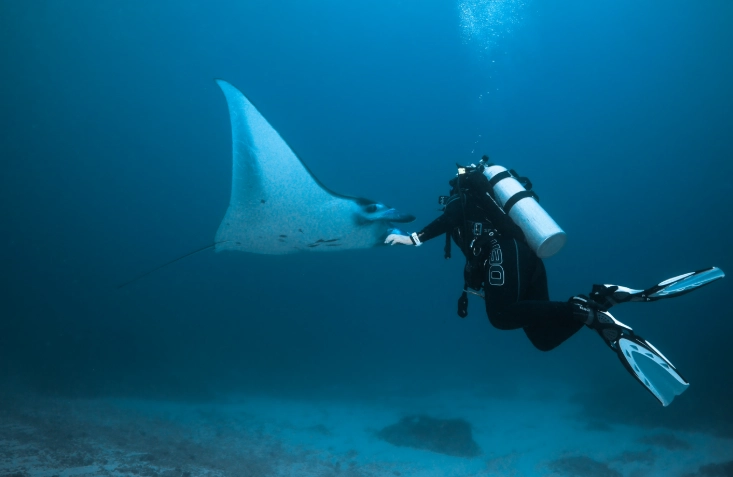
Why is it the top spot? Simple: predictability and numbers. From November to May, especially around San Benedicto and Socorro Islands, giant oceanic manta rays are abundant. They're famously curious, often approaching snorkelers and divers to interact. The water is clearer and warmer than mainland California, and you're swimming in a UNESCO World Heritage site teeming with life. If your goal is a high-probability, world-class manta ray encounter accessible from a California port, this is it.
I did a 10-day liveaboard trip from San Diego a few years back. The crossing can be rough, I won't sugarcoat it. But rolling into the water at a site called "The Boiler" at San Benedicto and having three mantas circle you for what felt like an hour... that makes you forget any seasickness pretty fast.
The Mainland Hopefuls: Coastal California
On the actual California coast, manta ray sightings are special events, not daily tours. They are pelagic animals, meaning they roam the open ocean. However, they do follow food (plankton) and can be drawn to areas of upwelling where nutrients rise.
- Monterey Bay & Big Sur: The deep Monterey Canyon creates rich feeding grounds. Giant oceanic mantas are occasionally spotted by kayakers, whale-watching tours, and lucky divers, particularly from late summer into fall (August-October). It's rare from shore, but pelagic birding or whale-watching trips sometimes get lucky. The Monterey Bay Aquarium is a fantastic resource for understanding local marine life patterns.
- Channel Islands National Park: Especially around Santa Barbara Island and the backside of San Clemente Island. These offshore islands are biodiversity hotspots. While not common, snorkelers and divers on multi-day trips to the islands have reported manta ray encounters, usually in late summer/fall when water visibility is best. You need to be on a dedicated diving or snorkeling charter to access these areas.
- Southern California Bight: From Point Conception down to San Diego. Random, thrilling sightings happen. I know a diver who saw one off the oil rigs near Huntington Beach. Another friend spotted a manta's wingtips breaking the surface near La Jolla Cove. These are anecdotal, lucky moments, not something you can plan for. They underscore that these magnificent creatures do travel through California's waters.
A Reality Check: If you book a generic "snorkeling tour" in Santa Monica or San Diego hoping to see a manta ray, you will almost certainly be disappointed. The coastal experience is about being on the water for other reasons (whales, dolphins, general snorkeling) and getting a miraculous bonus. Manage your expectations accordingly.
| Location | Access Method | Best Season | Likelihood of Encounter | Water Conditions |
|---|---|---|---|---|
| Revillagigedo (Socorro) | Liveaboard from San Diego | Nov - May (Peak: Dec-Apr) | Very High | Warm (70-80°F), Clear (60-100ft+) |
| Channel Islands | Diving/Snorkel Charter | Aug - Oct | Low to Moderate | Cool (55-70°F), Variable Vis (20-50ft) |
| Monterey Bay | Whale Watch/Kayak Tour | Aug - Oct | Low (but possible) | Cold (50-60°F), Often Murky |
Planning Your Trip: From Dream to Reality
So you're hooked on the idea. How do you actually make it happen? The path you take depends entirely on your budget, time, and appetite for adventure.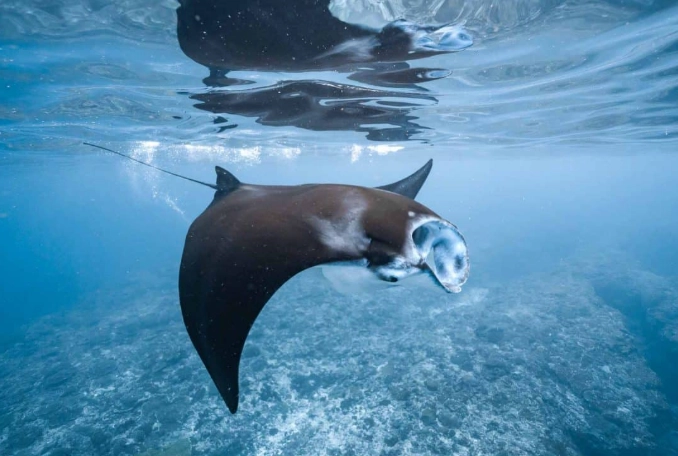
Option 1: The Liveaboard Expedition (For the Committed)
This is the gold standard for snorkeling with manta rays near California. You board a specialized dive boat in San Diego, endure a long but social crossing, and spend 5-10 days exploring remote islands. Companies like Nautilus Liveaboards or Solmar V routinely run trips to Socorro.
The Pros: Maximizes your time in the water at the best sites. Includes food, lodging, and guides. You're with a community of like-minded ocean lovers. The chance of multiple manta encounters is high.
The Cons: Expensive ($3,000-$5,000+). Requires a significant time commitment. The open ocean crossing isn't for those prone to severe seasickness. You need to be a confident snorkeler (or diver) in open water.
My take? The liveaboard cost stings upfront. But when you break it down per day, including all meals and multiple daily entries into what feels like another planet, the value is there. It's not a vacation; it's an expedition. Pack ginger candies and sea bands for the crossing.
Option 2: The Coastal Chance (For the Flexible Optimist)
This involves basing yourself in California and joining tours that might encounter mantas. Your best bets are:
- Multi-day diving charters to the Channel Islands: Operators like Truth Aquatics out of Santa Barbara run trips where mantas are a "hope for" bonus alongside sea lions, kelp forests, and other life.
- Fall whale-watching in Monterey: Companies like Monterey Bay Whale Watch focus on whales, but their naturalists know the area intimately. In late season, they're aware of any unusual sightings, including mantas. You might snorkel from a kayak or small boat if conditions allow and an animal is present.
The Pros: More affordable. Shorter trips. You get to experience California's incredible coastal beauty regardless.
The Cons: Very low guarantee. You're primarily going for other reasons. Water will be colder and often less clear.
What to Pack: The Non-Negotiable Kit
Forgetting something here can ruin your day. This isn't the Caribbean.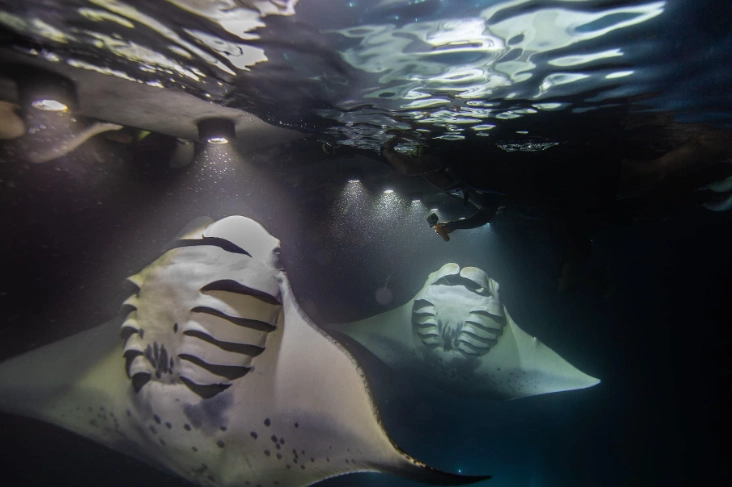
The Absolute Essentials:
- A 5mm to 7mm wetsuit (or a drysuit if you have one): Even in Socorro, a 3mm might leave you shivering after multiple sessions. For California coastal waters, a 7mm with hood, boots, and gloves is mandatory for most people. Rent a good one if you don't own it.
- Mask, Snorkel, Fins: A comfortable, leak-free mask is critical. Don't try a brand-new, untested mask on this trip. Fins should be open-heel for use with booties.
- Surface Marker Buoy (SMB) or Snorkel Float: For open water snorkeling, especially from a liveaboard, being highly visible to the boat is a major safety must. Many operators require it.
- Sea Sickness Remedies: Patches, pills, ginger—whatever works for you. Have a plan. The ocean can be choppy even in "good" weather.
Other useful stuff: A waterproof camera or GoPro (with a floaty handle!), a rash guard to wear under your wetsuit, reef-safe sunscreen (mandatory in many areas), a large water bottle, and lip balm. For liveaboards, bring books, cards, and a positive attitude for the journey.
How to Behave in the Water: Manta Ray Etiquette 101
This is the most important part of the guide. We are visitors in their home. Harassing wildlife for a photo is not only unethical, it can harm the animals and get you banned from reputable operators.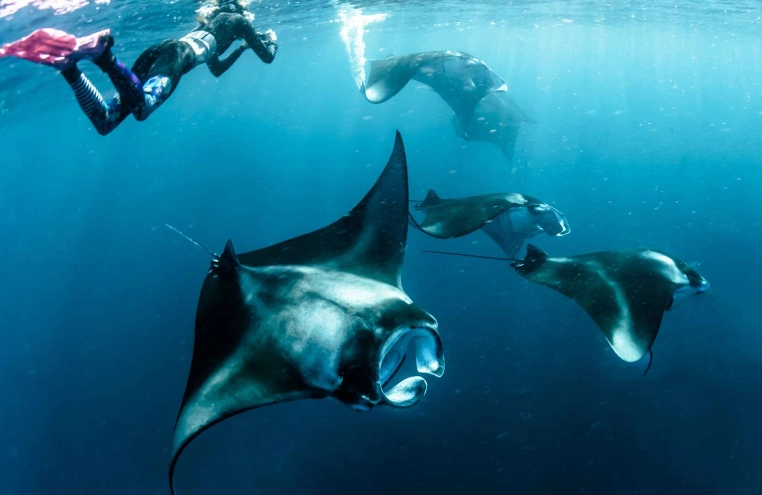
The goal of snorkeling with manta rays near California (or anywhere) is a passive, observational experience. Let them come to you.
- No Touching, Ever. Their skin is covered in a protective mucous layer. Our hands have oils and bacteria that can damage it. It's also stressful for the animal.
- Keep Your Distance. Don't chase them. If you're in the right place, they will often investigate you. If one swims away, let it go.
- Minimize Your Bubbles and Splashing. Calm, slow movements. They are sensitive to sound and vibration.
- Watch Your Fins. Be aware of where your fins are to avoid accidentally kicking the animal, the reef, or other snorkelers.
- No Flash Photography. It can startle them. Use natural light or video lights designed for underwater use if necessary.
The mantra is simple: Be cool. Be calm. Be still.
Beyond the Mantas: What Else Will You See?
The beautiful thing about targeting this experience is that even if the mantas are shy that day (which happens), you are in some of the most biodiverse waters in North America.
In the Revillagigedo Archipelago, you're almost guaranteed to see huge schools of fish, sharks (silvertips, Galapagos, hammerheads—from a safe distance), dolphins, and maybe even humpback whales. The Channel Islands offer breathtaking kelp forests, playful sea lions, harbor seals, and colorful reef fish. Monterey Bay is a whale-watching Mecca (gray whales, humpbacks, orcas) with sea otters and porpoises.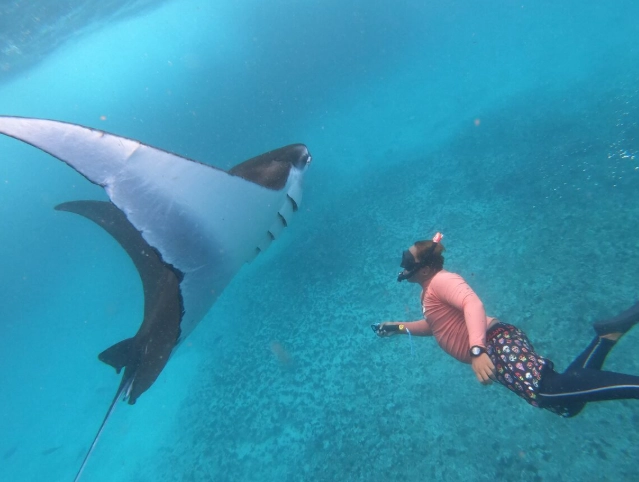
Think of the manta ray as the potential headline act in an already incredible festival lineup. The rest of the show is still world-class.
Frequently Asked Questions (The Real Stuff People Worry About)
Yes, mantas are gentle giants with no stingers (like stingrays) and no teeth designed for biting. They are filter feeders. The primary risks are environmental: boat traffic (always use a surface marker!), currents, cold water, and general ocean hazards. A reputable guide will manage these risks. The animal itself poses no threat.
For a Socorro liveaboard, you need to be comfortable swimming and floating in open ocean, sometimes with mild currents. Operators will assess this. For coastal chances, you need to be able to handle cold water and potential surf entry/exit. Always be honest with your guide about your comfort level. Snorkeling with manta rays near California is not a beginner's pool activity.
Great question! They're related. Giant Oceanic Mantas (M. birostris) are huge (up to 23ft wingspan), with a triangular body, and mouth at the front of their head. Reef Mantas are smaller. Devil rays (Mobula) are generally much smaller, have a mouth on the underside, and some species famously leap from the water. You might see Mobulas off California too! The NOAA Fisheries page on Giant Mantas has excellent identification info.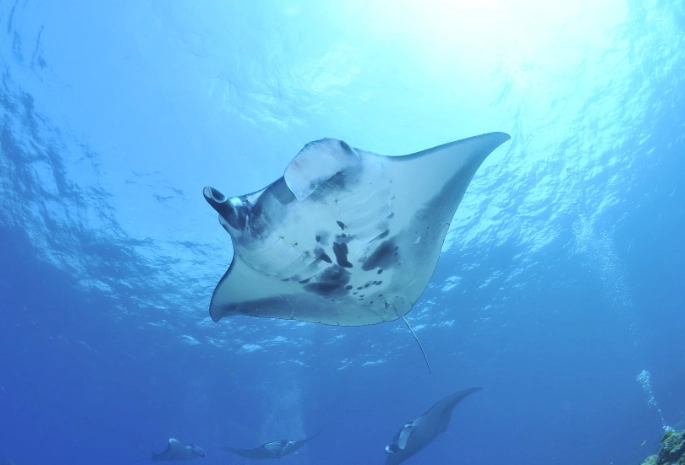
1) Go to the right place (Socorro in season). 2) Go with an experienced operator who knows the patterns. 3) Be patient and spend as much time in the water as conditions allow. 4) A little luck never hurts!
It can be, if done responsibly. Choose operators with strong environmental policies (no touching, no feeding, small groups). Support research—some operators contribute to ID databases like Manta Matcher. Be aware that Giant Oceanic Manta Rays are listed as Endangered on the IUCN Red List. Our encounters must prioritize their well-being. Ask operators about their conservation practices.
Making Your Choice and Getting Ready
So, where does this leave you? If you have the budget and time, and your heart is set on a near-guaranteed, majestic encounter, start researching liveaboards to Socorro. Book well in advance—a year or more is common for prime dates.
If you're more of an adventurer who loves the California coast and wants to take a chance while exploring the Channel Islands or Monterey Bay, book a multi-day charter or specialized tour. Keep your eyes peeled and your camera ready.
Whichever path you choose, remember that snorkeling with manta rays near California is about connecting with the wild, open ocean. It's unpredictable, sometimes challenging, and requires respect for the environment. But when you're suspended in the blue, watching one of the ocean's most graceful creatures glide silently past you, every bit of planning becomes worth it.
Final Thought: This isn't a zoo visit. We're seeking out wild animals on their terms. That's what makes a successful encounter—even a brief glimpse—so profoundly rewarding. Do your homework, choose your operator wisely, pack for cold water, and go in with a sense of wonder rather than a checklist. The ocean will give you what it gives you. And trust me, it's usually more than enough.
Reader Comments