Let's cut to the chase. The best snorkeling beaches share a few non-negotiable traits: calm, clear water you can wade into from the sand, healthy coral or interesting rock formations close to shore, and an abundance of fish that aren't scared of you. Forget complicated boat trips for a second. The magic happens right where the sand meets the sea. I've spent over a decade chasing that magic, from crowded tourist hubs to hidden coves, and I've learned that the perfect spot is about more than just a pretty fish—it's about access, conditions, and that feeling of effortless discovery.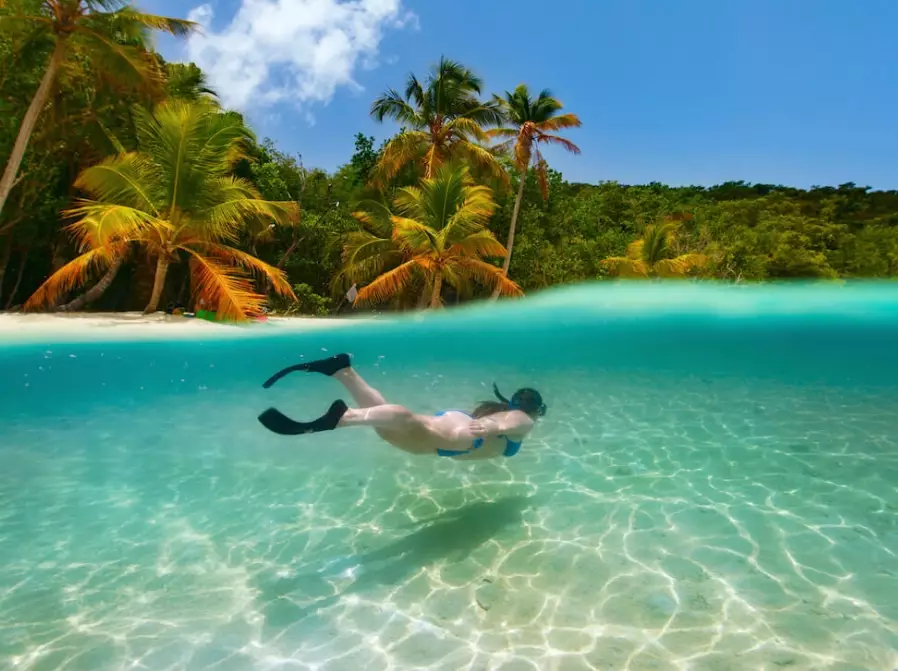
What's Inside This Guide
How We Ranked the Best Snorkeling Beaches
This isn't just a list of pretty places. I judged each beach on criteria that actually matter when you're planning a trip. A beach with amazing coral but huge waves half the year isn't much use. I prioritized spots where you have a high chance of a great experience, factoring in consistency, accessibility, and the overall vibe.
Accessibility from Shore: Can you just walk in? This is the biggest factor. Boat-only spots are amazing, but they're a different category.
Water Clarity & Calmness: Murky water or constant chop ruins the fun. I looked for places known for reliable conditions.
Marine Life Density & Diversity: It's not just about seeing one turtle. The best spots feel alive, with schools of fish, interesting invertebrates, and maybe a surprise or two.
Infrastructure & Amenities: Is there parking? Can you rent gear nearby? A bathroom? These practical things make or break a day at the beach.
Crowd Factor: I balanced famous, can't-miss spots with a few lesser-known gems where you might have the reef to yourself.
Top 5 Best Snorkeling Beaches in the World
Based on the criteria above, here are my top picks. These are places where everything aligns—easy entry, stunning visuals, and that guaranteed "wow" moment.
1. Hanauma Bay, Oahu, Hawaii
Yes, it's famous. Yes, it can be crowded. But there's a reason it's iconic. This nature preserve is a sunken volcanic crater, creating a near-perfect, protected cove. The fish here are practically tame because feeding was once allowed (it's now strictly prohibited—please don't do it).
Need to Know: You must make an online reservation in advance through the City and County of Honolulu's website. No walk-ins. There's an entry fee (discounted for locals) and a mandatory 9-minute conservation video. Parking fills up by 9 AM. Go on a weekday, right at opening (7 AM), for the calmest water and fewest people. Rent gear at the top of the hill before you walk down—the walk back up is steep!
What You'll See: Parrotfish, butterflyfish, trumpetfish, and the occasional green sea turtle resting on the sand patches. The reef starts just a few feet from the water's edge.
2. Trunk Bay, St. John, U.S. Virgin Islands
Home to the famous 225-yard underwater snorkeling trail, Trunk Bay is managed by the U.S. National Park Service (NPS). The trail has submerged plaques identifying coral and fish species. It's brilliant for beginners who want to learn what they're looking at.
The beach itself is a postcard-perfect crescent of white sand. The water is almost always calm on the north shore. You take a ferry from St. Thomas to Cruz Bay, then a taxi or rental jeep to the park. There's an entrance fee. The facilities are excellent—bathrooms, showers, a snack bar, and gear rental.
One piece of advice? Don't just follow the trail rope. Venture out to the rocky points on either side of the bay for less crowded, more vibrant coral formations.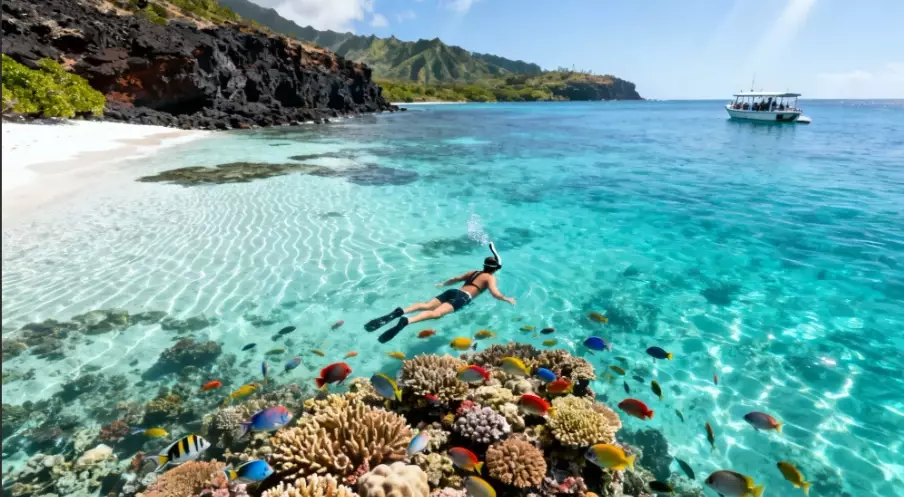
3. Green Island, Great Barrier Reef, Australia
This is the only coral cay on the Great Barrier Reef with a rainforest growing on it. What makes it a top "beach" snorkeling spot is the fringing reef that literally encircles the entire island. You can step off the sandy beach anywhere and be over coral within a few kicks.
You reach Green Island via a 45-minute catamaran ride from Cairns. It's a full-day trip. You can book through operators like Great Adventures. While there are resorts, day-trippers have full access to the beaches and the public swimming enclosure net (for peace of mind, though the risk is minimal).
The coral here isn't the deep outer reef variety, but it's incredibly accessible and teeming with life. Look for giant clams, clownfish in their anemones, and stunning blue starfish. It's a fantastic, manageable introduction to the Great Barrier Reef.
4. Playa La Piscina, Tulum, Mexico
For something completely different, head to the Yucatan's cenotes and beach reefs. Playa La Piscina, near the Tulum Archaeological Zone, is a public beach access point that leads to a stunning cove. The snorkeling here is over a vibrant, shallow reef just steps from the shore.
It's less organized than the other spots—just a dirt road, some palapa umbrellas for rent, and maybe a taco vendor. That's part of the charm. You'll need your own gear. Park where you can, respect the local community, and bring cash. The water is crystal-clear Caribbean turquoise. You'll see angelfish, sergeant majors, and maybe even a spotted eagle ray gliding by. Combine it with a visit to a freshwater cenote like Gran Cenote for a unique two-water-worlds-in-one-day experience.
5. Mnemba Atoll, Zanzibar, Tanzania
This is the wildcard, the bucket-list spot. Mnemba is a private island, but the stunning coral atoll that surrounds it is accessible via boat trips from the nearby beaches of Matemwe or Kiwengwa on Zanzibar's east coast.
I'm including it because the boat ride is short (15-20 minutes), and you jump into water so shallow and clear you can stand up in many places. It's like snorkeling in a giant, natural aquarium. The marine life is spectacular: resident green turtles, octopus, moray eels, and massive schools of blue tang. Book a local boat captain from the beach—negotiate, but support the community. The best time is during high tide for the deepest, clearest water.
| Beach | Location | Best For | Key Consideration |
|---|---|---|---|
| Hanauma Bay | Oahu, Hawaii, USA | Families, Beginners, Guaranteed Sightings | Requires advance reservation; can get crowded. |
| Trunk Bay | St. John, USVI | Learning, Easy Navigation, Calm Waters | Entrance fee; part of a larger island-hopping trip. |
| Green Island | Great Barrier Reef, Australia | Reef Accessibility, Full-Day Adventure | Requires a boat transfer from Cairns. |
| Playa La Piscina | Tulum, Mexico | Adventure, Combining Reef & Cenote | Minimal facilities; bring your own gear. |
| Mnemba Atoll | Zanzibar, Tanzania | Unforgettable Marine Life, Shallow Water | Accessed by short boat trip; best at high tide. |
How to Choose the Right Snorkeling Beach for You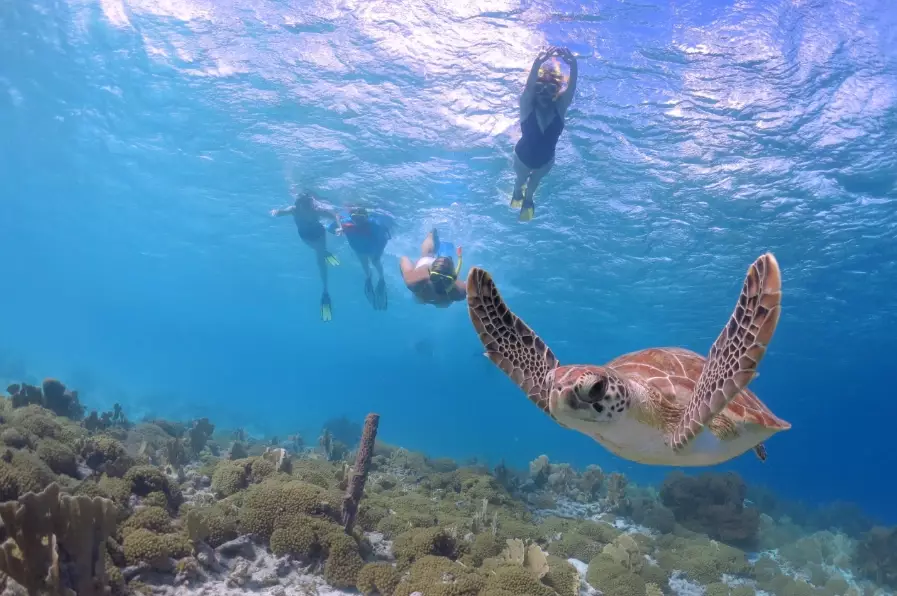
Picking from a list is one thing. Matching a beach to your specific trip is another. Ask yourself these questions.
Who's going? With young kids or nervous swimmers, prioritize beaches with extremely calm, shallow, protected waters like a bay or lagoon (Hanauma Bay, parts of Trunk Bay). For confident swimmers, you can explore more open beaches with slightly more movement.
What's your travel style? Do you want a full-service, easy day (Trunk Bay, Green Island) or are you happy to figure it out yourself for a more local feel (Playa La Piscina)?
What else is on the itinerary? Is snorkeling the main event, or a side activity? In Tulum, you can combine it with ruins. In Hawaii, you can pair Hanauma Bay with a hike up Diamond Head.
A mistake I see constantly: people checking the weather app but not the marine forecast. Look for terms like "wave height," "swell period," and "wind direction." A beach can be sunny but un-snorkelable if there's a big swell or onshore wind churning up the sand. Local dive shops or surf reports are often more accurate for water conditions than general weather sites.
Essential Gear & Pro Tips Most Beginners Miss
Good gear is the difference between a magical hour and a frustrating five minutes. It's not about expensive stuff; it's about fit and a few small hacks.
The Mask: This is everything. Before you buy or rent, do the suction test. Place the mask on your face without the strap, inhale slightly through your nose, and let go. A good mask will stay suctioned to your face for a few seconds. No hair under the skirt! If you have a mustache, a bit of silicone grease (sold at dive shops) can help seal it.
The Snorkel: A simple J-shaped snorkel is often better than a fancy "dry" snorkel with a float valve. Those valves can fail or make breathing harder. Just practice clearing it with a sharp exhale.
Fins: They should be snug but not cut off circulation. Blisters ruin a day. If you're walking from a car park over rocks or sand, get a pair of open-heel fins with booties, or bring water shoes to wear until you're in the water.
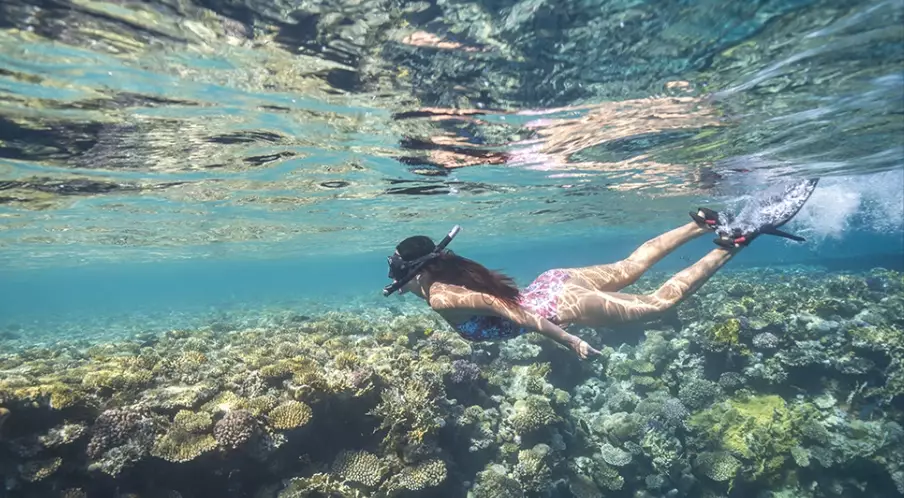
Here's the biggest non-gear tip I can give you: Look down and swim slowly. Most people kick furiously, scaring everything away. Use slow, gentle flutter kicks from the hips. Stop moving entirely and just float. That's when the reef life forgets you're there and comes out. Observe, don't chase. And for the love of the ocean, never stand on or touch the coral. It's a living animal, and you're killing it and ruining the spot for everyone else.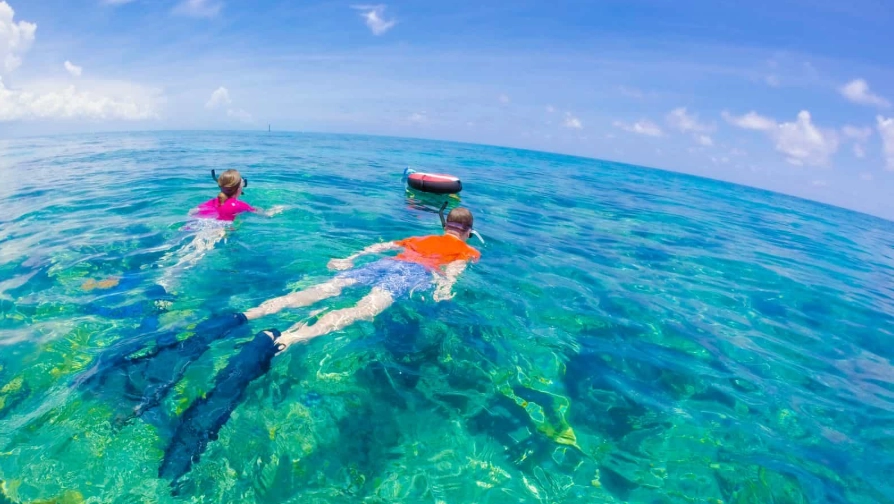
Your Snorkeling Beach Questions Answered
 How do I prevent my mask from fogging up?
Reader Comments