In This Guide
- Breaking Down the Seasons: When Honolua Bay Shines (And When It Doesn't)
- The Daily Clock: Why Morning Isn't Just a Cliché
- The Tide's Secret Role: It's a Game Changer
- Marine Life Calendar: What You'll See and When
- Your Honolua Bay Snorkeling Checklist: Beyond Timing
- Answering Your Burning Questions (The FAQ We All Need)
- Putting It All Together: Your Perfect Day at Honolua Bay
Let's be real. You're searching for the "best time to snorkel Honolua Bay" because you've heard the legends. The crystal-clear water, the towering coral cathedrals, the turtles that seem to pose for pictures. You want that postcard experience. But here's the thing everyone glosses over: there isn't just one "best" time. It's a puzzle where the pieces are weather, ocean conditions, tides, and even the time of day you decide to jump in.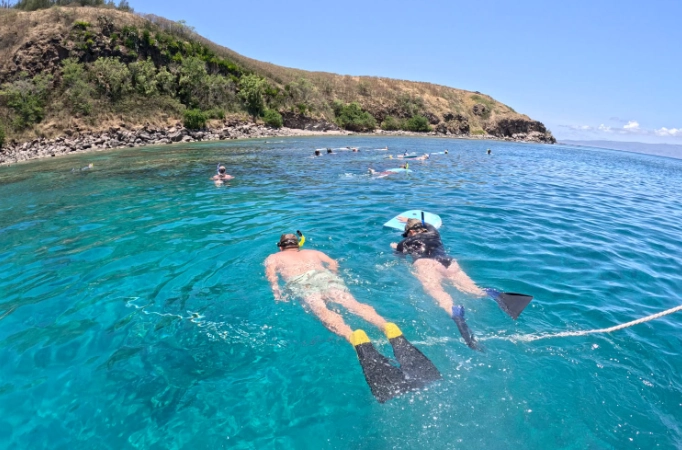
I've made the mistake of going at the wrong time. Picture this: choppy water, limited visibility where everything looks green and murky, and a current that made swimming feel like a workout. Not exactly the serene, fish-filled paradise I was promised. That experience taught me that timing is everything at Honolua.
So, if I had to give you the quick, no-nonsense answer to the best time to snorkel Honolua Bay, I'd say: a calm summer morning, during a rising or high tide, after a few days of light winds. But that's just the headline. The real story, the one that will make or break your trip, is in the details below.
Breaking Down the Seasons: When Honolua Bay Shines (And When It Doesn't)
Most guides will just say "summer is best" and leave it at that. That's lazy. Let's dig into what each season actually feels like in the water.
The single biggest factor affecting the best time to snorkel Honolua Bay is the northwest swell. Honolua Bay faces northwest, making it a direct target for winter Pacific storms. This isn't a minor detail—it's the main event.
Summer (May - October): The Prime Time Window
This is the golden period. The North Pacific chills out, and those giant winter swells are just a memory. The trade winds blow, but they're typically from the northeast, which actually helps shelter the bay. The water feels calmer, the sun feels brighter, and the visibility can stretch out to 100 feet on a perfect day.
Local Insight: Even in summer, check the wind forecast for "Lanai winds." These are rare westerly winds that can chop up Honolua Bay even in July. A quick glance at the Windfinder forecast for Honolua Bay can save you a disappointing drive.
But summer has its own crowd issue. More people know this is the best time to snorkel Honolua Bay, so the small parking lot fills up by 9 AM. My strategy? Be there by 7:30 AM. You'll have the water mostly to yourself for a magical hour.
Winter (November - April): The Rollercoaster
Winter is a game of chance. Between the massive swells, it can be flat, calm, and absolutely stunning. I've had some of my clearest snorkels here in December during a week-long break in the weather. But you have to be patient, flexible, and obsessively check the surf report.
Serious Warning: Do not even consider entering the water at Honolua Bay if there is a significant northwest swell (say, 6 feet and up). The waves crash directly into the bay's entrance, creating deadly rip currents and surging water over the rocky entry point. It's not worth the risk. The NOAA Surf Forecast is your bible during these months.
Does that mean you can't snorkel in the winter? No. It means you need to be a savvy weather-watcher. The windows of opportunity are smaller, but the reward can be fewer crowds and vibrant water after the winter rains have washed the land (though rain itself can hurt visibility).
Shoulder Seasons (April-May & September-October)
These are my personal favorites. You often get summer-like calm with fewer people. The water is still warm. In fall, you might even skip the occasional rain shower that pops up in late summer. It's a fantastic compromise if your travel dates are flexible.
Let's put this seasonal breakdown into a quick-glance table. This isn't just about good vs. bad; it's about setting the right expectations.
| Season | Typical Conditions | Visibility | Crowd Level | Our Verdict |
|---|---|---|---|---|
| Summer (May-Oct) | Calm seas, NE trade winds | Excellent (60-100+ ft) | Very High | The classic, reliable best time to snorkel Honolua Bay. Plan for early mornings. |
| Winter (Nov-Apr) | Unpredictable, NW swells common | Poor to Excellent (varies wildly) | Low to Medium | For flexible, weather-savvy travelers only. High risk of no-go days. |
| Spring/Fall (Apr-May, Sep-Oct) | Mostly calm, transitioning winds | Very Good to Excellent | Medium | The sweet spot. Great conditions with better chances for solitude. |
The Daily Clock: Why Morning Isn't Just a Cliché
Okay, so you've picked your season. Now, what time of day? This is where most people just say "go in the morning" without explaining why. Let me break down the science and the vibe.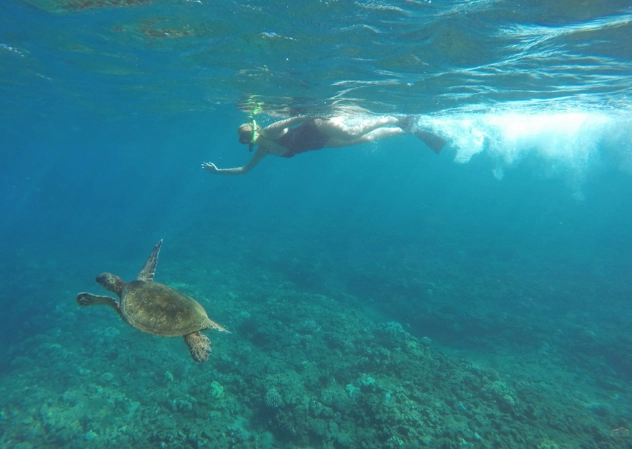
Early Morning (7 AM - 10 AM): This is the undisputed champion for the best time to snorkel Honolua Bay on any given day. The wind is usually asleep. The water is like glass. The light pierces the water column perfectly, making colors pop. Fish are more active. And, crucially, the sun is behind you as you swim into the bay, illuminating the coral ahead without glare. It's peaceful, almost spiritual.
Midday (10 AM - 2 PM): The trade winds usually pick up. This can create surface chop, which doesn't just make swimming less pleasant—it stirs up sediment and reduces visibility. The sun is directly overhead, which can cause glare and make it harder to see the bottom contours. The parking lot is a nightmare. Honestly, I avoid this window unless I have no other choice.
Afternoon (2 PM onwards): The wind often starts to ease late in the day. An afternoon snorkel can be lovely, but the morning magic is usually gone. The light is harsher, and you're looking into the sun as you swim out, which is tough on the eyes. However, if you missed the morning, a late afternoon dip after the wind drops can still be worthwhile.
The Tide's Secret Role: It's a Game Changer
This is the most overlooked factor in finding the best time to snorkel Honolua Bay. Tide isn't just about water depth; it's about water movement.
Honolua Bay is a small, partially enclosed bay. Water flows in and out with the tide. Think of it as the bay's breathing cycle.
- Incoming / Rising Tide: Fresh, clear ocean water is pulled into the bay. This is typically when visibility is at its peak. The water feels cleaner, and nutrients are brought in, attracting fish. A strong rising tide can also create a mild current heading into the bay, which can be a nice, effortless drift if you plan your route right.
- High Tide (Slack High): The water movement pauses. This is often very calm and great for exploring the inner reef areas that might be too shallow at low tide. It's a safe, easy time to snorkel.
- Outgoing / Falling Tide: Water drains from the bay back to the ocean. This can sometimes stir up sediment from the stream at the head of the bay, slightly reducing visibility. It can also create a current pulling you out of the bay, which you need to be aware of.
- Low Tide: This exposes more of the fringing reef. While interesting to see, it means you have to be much more careful not to kick or stand on coral. Some areas become too shallow to swim over safely.
My personal rule? I aim for a snorkel that starts during the last hour of the incoming tide or at high tide. To do this, you need a tide chart. Don't guess. The NOAA Tide Predictions for Honolua Bay are the official source and are incredibly accurate.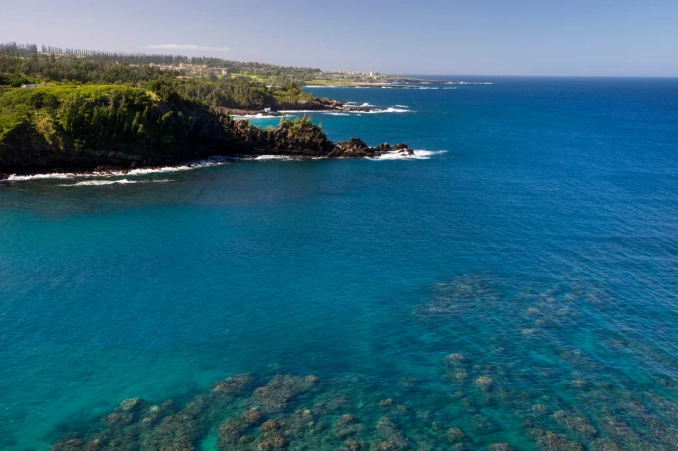
Marine Life Calendar: What You'll See and When
Part of the "best" experience is who you meet underwater. The cast of characters changes throughout the year.
- Year-Round Stars: Green sea turtles (Honu), reef triggerfish (Humuhumunukunukuapua'a), parrotfish, Moorish idols, and countless butterflyfish. The resident turtle population is fairly consistent.
- Winter (Dec-Apr): This is the prime time for seeing Hawaiian spinner dolphins in the bay. They often come in to rest in the calm morning hours. I've been circled by a pod of 50+—an unforgettable experience. Remember, federal law requires you to stay 50 yards away from dolphins.
- Summer (May-Oct): Increased activity from manta rays and eagle rays cruising the deeper channels. The warmer water also brings more vibrant coral spawning events (usually around summer full moons), though this is harder to witness.
- Seasonal Visitors: Occasionally, you might see a harmless whitetip reef shark napping under a ledge (more common in summer). In winter, the majestic humpback whales are breaching offshore—you'll hear their songs while snorkeling, which is surreal.
So, if your dream is to snorkel with dolphins, the best time to snorkel Honolua Bay shifts to a calm winter morning. For the absolute clearest water and calmest conditions to see the reef itself, summer still wins.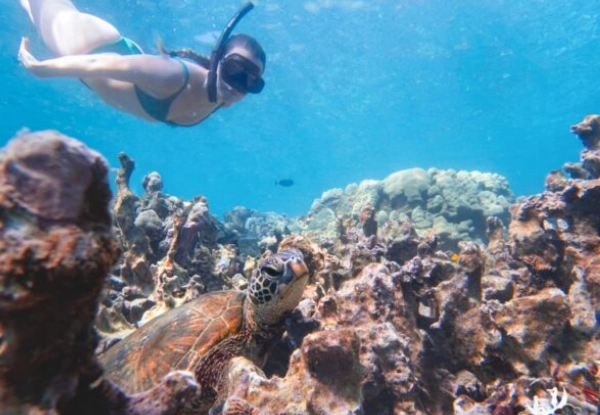
Your Honolua Bay Snorkeling Checklist: Beyond Timing
Knowing the best time to snorkel Honolua Bay is useless if you show up unprepared. Here’s what you need to do, from the moment you plan to the moment you leave the water.
Before You Go:
- Check the Triad: Look at 1) Surf forecast (NOAA), 2) Wind forecast (Windfinder/NOAA), and 3) Tide chart (NOAA). All three need to align for a perfect day.
- Gear Up: A well-fitting mask is non-negotiable. Foggy, leaking masks ruin the experience. Bring fins—the bay is big, and currents happen. A rash guard protects from sun and coral scrapes. Consider a floatation belt if you're not a strong swimmer.
- Parking Reality: There is no official lot. You park on the shoulder of the Honoapiilani Highway. It overflows quickly. Have a backup plan (like nearby Slaughterhouse Beach) if it's full.
At the Bay:
- The Entry: It's rocky and slippery. Use the designated path and enter the water via the concrete boat ramp or the sandy channel to the left. Water shoes are helpful until you're deep enough to put fins on.
- Navigating the Bay: Swim out along the left (north) side. The best coral and most fish are along this reef wall that stretches out to the point. Don't swim directly out the middle into the boat channel.
- Respect the Reef: NEVER stand on coral. It's alive, fragile, and takes decades to grow. Your one kick can destroy years of growth. Practice buoyancy control.
Pro-Tip for Photos: The best light for underwater photos is mid-morning, when the sun is high enough to light up the reef but before midday glare. If you're using a GoPro or phone case, shoot with the sun behind you for the clearest shots.
Answering Your Burning Questions (The FAQ We All Need)
Let's tackle the specific questions swirling in your head when you search for the best time to snorkel Honolua Bay.
Is there a "worst" time to snorkel Honolua Bay?
Yes. A winter day with a large northwest swell and strong onshore winds is the worst. The water will be brown, churned up, and dangerous. Also, any time after heavy rain on the West Maui mountains, as runoff from the stream muddies the bay for a day or two.
Can I snorkel Honolua Bay if I'm a beginner?
It's a mixed bag. On a calm summer morning at high tide, it's very beginner-friendly—protected, no waves, clear water. But the entry is rocky, the bay is deep in the middle, and conditions can change. If you're a total novice, consider starting at a more forgiving beach like Kapalua Bay first. Always snorkel with a buddy.
How long should I plan to snorkel?
Most people spend 60-90 minutes in the water. It's a big area to explore. You'll want time to drift along the reef, watch turtles, and not feel rushed. Factor in another 30 minutes for gearing up, the rocky entry/exit, and rinsing off.
Are there sharks?
This is Hawaii. Reef sharks are a normal part of the ecosystem. In hundreds of snorkels here, I've seen a handful of small whitetip reef sharks. They are shy, nocturnal, and pose no threat. Seeing one is a rare privilege, not a danger. The Hawaii DLNR Shark Safety page offers great, non-sensationalized info.
What about facilities?
There are no facilities. No bathrooms, no showers, no lifeguards, no food vendors. Bring water, snacks, and be prepared to change in your car or use a wrap. Pack out all your trash. This pristine feel is part of its charm, but it requires preparation.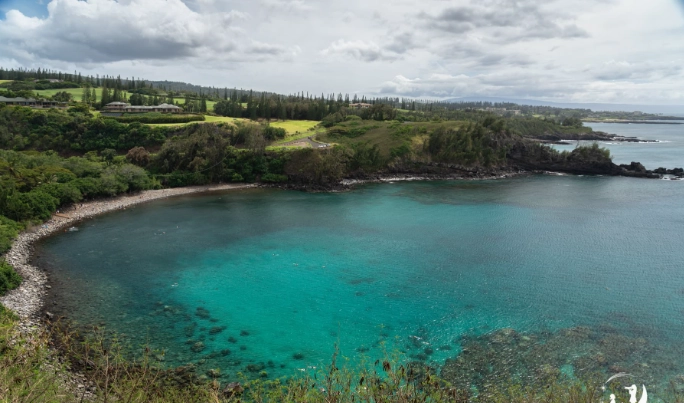
Putting It All Together: Your Perfect Day at Honolua Bay
Let's craft the ideal scenario, the holy grail of the best time to snorkel Honolua Bay.
It's a Tuesday in early June. You checked the forecast last night: winds under 10 mph from the NE, no northwest swell, no rain predicted. The NOAA tide chart shows a high tide at 8:15 AM.
You wake up early, pack your gear, and arrive at the bay at 7:20 AM. The parking shoulder is only half full. You sip some coffee, watch the sun light up the cliffs, and suit up. By 7:45 AM, you're carefully walking down the rocky entry into glassy, blue water. It's a rising tide, so a gentle push helps you glide into the bay.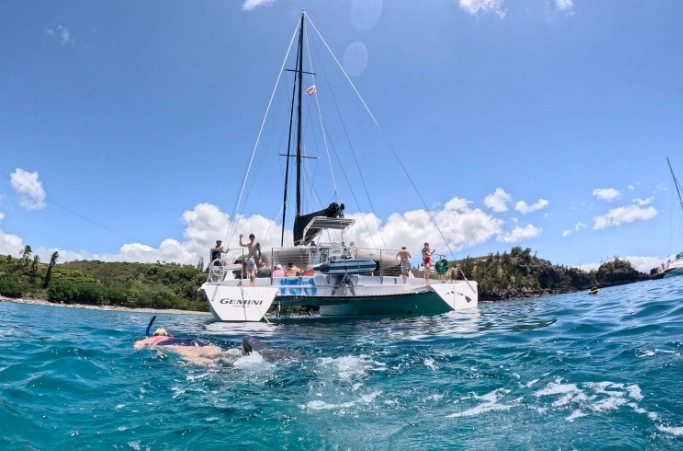
You spend the next glorious 90 minutes floating over coral castles. A turtle surfaces for air right next to you. Schools of yellow tangs shimmer below. The water is so clear you can see every detail on the reef 30 feet down. By 9:30 AM, you're back at your car, just as the wind starts to whisper and the first tour vans pull up. You feel like you discovered a secret.
That's the goal. It's achievable. It just takes understanding that the best time to snorkel Honolua Bay isn't a date on a calendar. It's the convergence of calm seas, favorable tides, and smart planning. Do your homework, respect the ocean, and Honolua Bay will reward you with one of the best snorkeling experiences on the planet.
Now you know. Go make your own perfect morning.
Reader Comments