Your Snorkeling Guide at a Glance
Let's be brutally honest right from the start. The dream is seductive: floating weightlessly over a coral garden, surrounded by rainbow-colored fish, all while breathing easily through a tube. It looks effortless in the brochures. But if you're standing on the shore, looking at that vast blue expanse and thinking "I can't even do a proper doggy paddle," that dream can quickly curdle into anxiety. The big question, the one that brings most people here, is this: is snorkeling safe for non swimmers?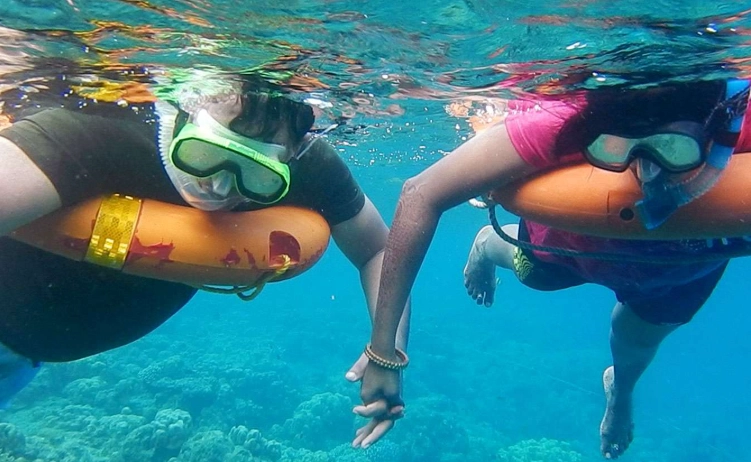
I've been there. I've seen the look of panic on a friend's face when their mask flooded for the first time. I've also seen the pure, unadulterated joy on someone's face when they saw a sea turtle for the first time, an experience they thought was forever out of reach.
The short, no-nonsense answer isn't a simple yes or no. It's: Yes, but with strict conditions. Snorkeling without swimming skills is like driving a car without knowing the rules of the road—possible with the right safeguards, but incredibly risky without them. This guide isn't here to sell you a pipe dream. It's here to give you the real, practical, and sometimes inconvenient truths so you can make an informed decision and, if you choose to proceed, do it with confidence instead of fear.
The Great Debate: Weighing the Calm Against the Chaos
Before we dive into the how-to, let's lay all the cards on the table. Why is this even a debate? Because your experience hinges entirely on which factors you control and which ones you ignore.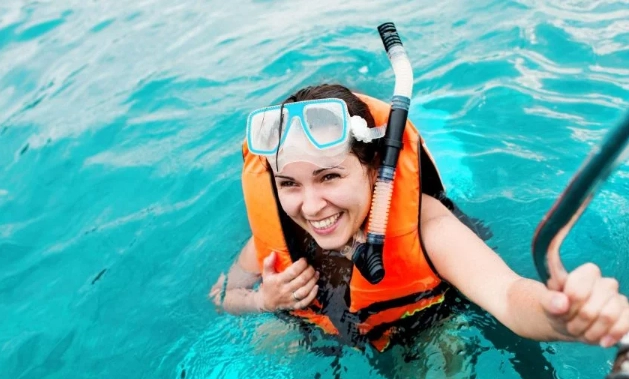
| What Makes It SAFE (The Green Light) | What Makes It RISKY (The Red Flags) |
|---|---|
| A High-Quality, Properly Fitted Flotation Device: Not just any life jacket, but a snorkeling vest you can orally inflate/deflate. This is your #1 non-negotiable piece of gear. | Overconfidence & Poor Gear: Relying on a cheap, pool noodle or an ill-fitting vest. Thinking "the water is shallow, I'll be fine." This is how most incidents start. |
| Absolutely Calm, Protected Water: Think hotel lagoons, sheltered bays ("caletas"), or specific reef pools with minimal current. Glassy surface, sandy bottom entry. | Unpredictable Open Water: Ocean currents, waves, wind chop, or sudden weather changes. These can overwhelm even strong swimmers, let alone non-swimmers. |
| Constant, Capable Supervision: A dedicated guide, instructor, or a very strong swimmer friend whose only job is to watch you. Not someone who's off exploring. | Being Alone or in a Negligent Group: No one paying close attention, or everyone assuming someone else is watching. Drifting away from the group unnoticed. |
| Mental Preparation & Basic Skills Practice: Learning to clear your snorkel and mask in a pool first. Getting comfortable putting your face in the water while being buoyant. | Panic: The #1 enemy. A flooded mask, swallowing a bit of water, or just sudden fear can trigger panic, leading to irrational actions like ripping off the mask and inhaling water. |
| Knowing Your Limits & Communicating Them: Being upfront about your anxiety, signaling for help immediately, and having a clear "abort mission" signal with your buddy. | Peer Pressure & FOMO: Feeling forced to go out further or stay out longer because everyone else is. This compromises safety for pride. |
See the pattern? Safety is a proactive checklist, not luck. The risk comes from ignoring that checklist. Asking is snorkeling safe for non swimmers is the wrong first question. The right first question is: "Am I willing to do what it takes to make it safe?"
The Non-Swimmer's Snorkeling Safety Bible: 10 Golden Rules
Forget everything you think you know from movies. These aren't suggestions; they are the commandments. I've boiled down years of observation and talking to guides into this list.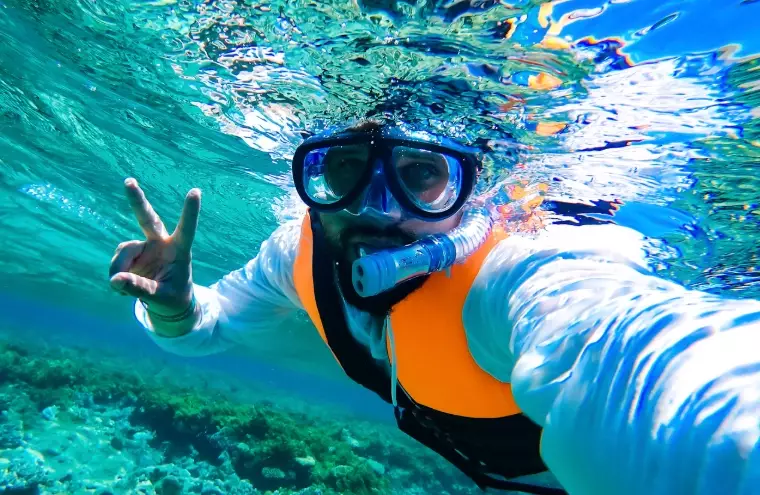
Rule #2: Your Buddy is Your Lifeline. The buddy system isn't optional. Your buddy must be a strong swimmer, aware of your limits, and must agree to stay within an arm's reach (literally) the entire time. Their job is to watch you, not the fish.
Rule #3: Location is Everything. Your first ten snorkeling experiences have no business being in the open ocean. Seek out these types of spots:
- The Hotel Lagoon or Cove: Man-made or natural, these are often walled off from waves and currents. Water is calm, shallow, and clear. Perfect for first-timers.
- Shallow Reef Flats at High Tide: Some reefs have large, table-like areas that are only 3-5 feet deep at high tide. You can often stand up if needed, and the water is phenomenally calm.
- Spring-Fed Cenotes or Inland Springs: Places like Florida's Crystal River or Mexico's cenotes (like Casa Cenote) often have zero current, crystal clear water, and designated swimming areas. The Florida Springs Institute is a great resource for finding these.
Rule #5: Master the "Look-Don't-Touch" Mentality. This is for the ecosystem's safety and yours. Don't chase fish, don't stand on coral (it's razor-sharp and living), don't touch anything. A startled moray eel or a annoyed triggerfish can ruin your day. The NOAA Office for Coastal Management has excellent guidelines on reef etiquette.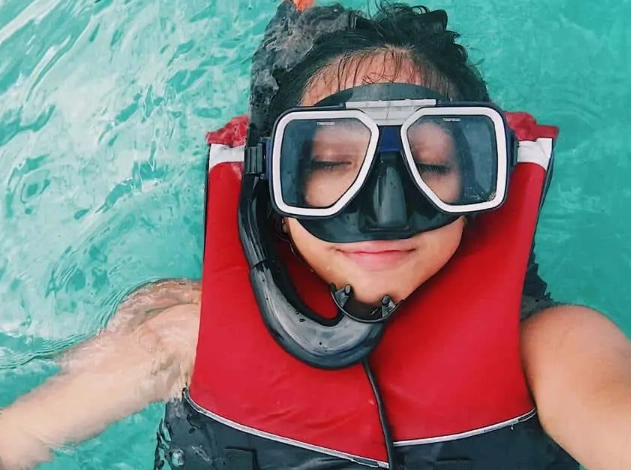
Rule #6: Never Snorkel Alone. Ever. I don't care how calm the water looks. I once saw a non-swimmer get caught in a sudden, invisible current in a supposedly "calm" bay in Mexico. If his friend hadn't been right there to grab him, it would have been a disaster. This rule is so important it's worth stating twice.
Rule #7: Check Weather and Water Conditions Religiously. Wind creates waves and currents. A morning that's calm can turn choppy by noon. Talk to local dive shops or lifeguards. If they say it's not a good day, believe them. Your vacation isn't worth the risk.
Rule #8: Hydrate and Use Sun Protection (Reef-Safe!). Dehydration and sunstroke sneak up on you in the water. Drink water beforehand. Use a rash guard or wetsuit instead of just sunscreen to protect your skin and provide a tiny bit more buoyancy. If you use sunscreen, make sure it's certified reef-safe to protect the very environment you came to see.
Rule #9: Have Clear, Pre-Arranged Signals. You can't talk with a snorkel in your mouth. With your buddy, agree on simple hand signals: Thumbs up = "I'm okay/I want to go up." Thumbs down = "I want to go down/go deeper." Hand waving = "I need help NOW." Pointing = "Look at that!"
Rule #10: Listen to Your Gut and Bail Early. Feeling tired? Cold? Anxious? Just not feeling it today? That's your body's wisdom. Signal to your buddy and get out. There's zero shame in a 10-minute successful, safe snorkel. The shame is in pushing past your limits and needing to be rescued.
Finding Your Perfect "Training Wheels" Snorkel Spot
Okay, so you're committed to the rules. Where on earth do you find these mythical calm waters? They're more common than you think, but you have to seek them out intentionally. Resorts in places like the Caribbean, Maldives, or the Great Barrier Reef often create their own safe zones.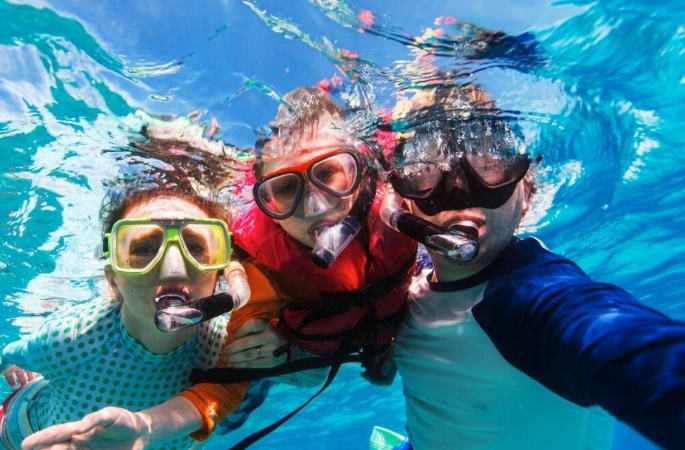
But let's get specific. Here are a few famous examples that are renowned for being gentle introductions:
- Hanauma Bay, Oahu, Hawaii: A nature preserve that's a volcanic crater, forming a natural, protected bay. It has a mandatory safety video, lifeguards, and a large, sandy, shallow area inside the reef. It gets crowded, so go early. The state's official park page has all the visitor info.
- John Pennekamp Coral Reef State Park, Key Largo, Florida: They offer guided snorkel tours that are perfect for beginners. The guides know the calmest areas, provide all gear (including proper vests), and keep a close eye on the group. It's a structured, safe introduction.
- Maui's Olowalu or Kapalua Bay, Hawaii: These are west-side Maui beaches protected by offshore reefs, breaking the big waves. The inner areas are often like giant, calm swimming pools. Local dive shops can tell you the best entry points.
- Resort Islands in the Maldives or Bora Bora: The overwater bungalow lagoons are typically dredged to be shallow and are completely protected by the resort's island. You can often snorkel right from your deck into waist-deep, crystal-clear water teeming with fish.
The key is to research the specific beach or tour, not just the country. Look for keywords: "protected cove," "calm lagoon," "family-friendly snorkeling," "beginner snorkel tour." Read recent reviews from other travelers who mention they are not strong swimmers.
Gear: Your Personal Survival Kit
For a swimmer, gear is about comfort. For you, it's a survival kit. Don't cheap out here.
The Holy Trinity: Mask, Snorkel, Vest
Mask: It must fit your face to create a seal. Go to a dive shop, press the mask to your face without the strap, inhale slightly through your nose, and let go. If it stays suctioned for a few seconds, it's a good fit. A leaking mask is distracting and panic-inducing.
Snorkel: A simple J-shaped snorkel is often better than a complex "dry" snorkel for beginners. Dry snorkels have a valve that can fail. A simple snorkel is easier to clear. Get one with a comfortable mouthpiece.
Snorkeling Vest (The Most Important Piece): This is not a water skiing vest. It's a slim, adjustable vest often with an oral inflator hose. You blow into it to add air, press a valve to release. It should fit snugly but not restrict breathing. When fully inflated, it should keep your head well above water even if you're motionless. Never, ever rent a vest that looks old, cracked, or doesn't hold air.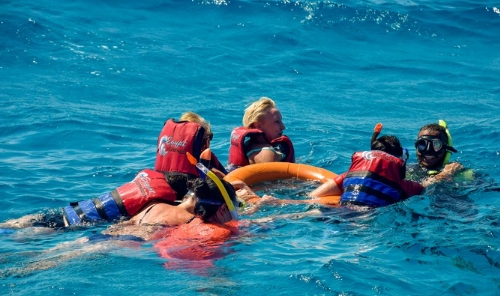
Supporting Cast
Rash Guard/Long-Sleeve Swim Shirt: Sun protection, a bit of warmth, and prevents chafing from the vest. A must-have.
Fins: Controversial for non-swimmers. They provide propulsion but can feel awkward. If you use them, practice in the pool first. Short, flexible "snorkeling fins" are better than long, stiff diving fins. Some non-swimmers prefer to just use their arms and not deal with fins at all—that's okay if you're in very calm water and just floating.
Waterproof Dry Bag: For your phone, keys, towel. Leave valuables on shore.
Answering Your "Yeah, But..." Questions (The FAQ)
The Final Reality Check
So, after all this, let's circle back to the original query: is snorkeling safe for non swimmers?
The path to a "yes" is narrow and requires deliberate, sometimes tedious, preparation. It requires you to swallow your pride, invest in the right gear, choose your location with obsessive care, and secure a vigilant buddy. It demands that you practice the boring skills in a pool before the big show.
But if you follow that path? The reward is transformative. It's the feeling of accessing a part of our planet that 99% of human history could only imagine. You'll see colors and creatures that seem from another world. You'll experience a silence and weightlessness that is profoundly peaceful.
It's not for everyone. If reading this guide filled you with more dread than excitement, that's a perfectly valid answer. There are glass-bottom boat tours and amazing aquariums that offer stunning views without the risk.
But if you feel a spark of "I think I can do this if I'm smart about it," then start planning. Book that lesson. Buy that vest. Research that calm lagoon. Do it right.
The ocean's beauty is a privilege, not a right. Earning that privilege as a non-swimmer takes more work, but that makes the first time you float over a garden of coral, breathing easily, watching a parrotfish munch on algae, all the more sweet. You didn't just get lucky. You made it happen, safely.
Reader Comments