Yes, snorkel vests do keep you afloat—but it's not as simple as just strapping one on. I've been snorkeling for over a decade, from the calm bays of Hawaii to the choppy waters of the Caribbean, and I've seen how these vests can be a lifesaver or a false sense of security. In the first 100 words, let's cut to the chase: a snorkel vest provides buoyancy by trapping air, helping you stay on the surface with minimal effort. However, its effectiveness depends on factors like inflation level, your body weight, and water conditions. If you're a beginner or nervous swimmer, it's a crucial tool, but experienced snorkelers often skip it for more freedom. This guide dives deep into how they work, when to use them, and common pitfalls you might not hear about elsewhere.
What You'll Learn in This Guide
How Snorkel Vests Actually Keep You Afloat
Snorkel vests rely on basic physics—buoyancy. When you inflate the vest, it displaces water, creating an upward force that counteracts your weight. Most vests use oral inflation, where you blow into a tube, or CO2 cartridges for quick inflation. The key is the air volume: a fully inflated vest can provide 15 to 30 pounds of buoyancy, enough to keep an average adult's head above water. But here's a nuance many miss: buoyancy isn't uniform. If you're leaning forward, the vest might roll you onto your back, which can be disorienting. I once saw a friend panic because her vest kept tipping her sideways in a current. It turned out she had over-inflated one side. So, while they do keep you afloat, it's about controlled buoyancy, not just floating.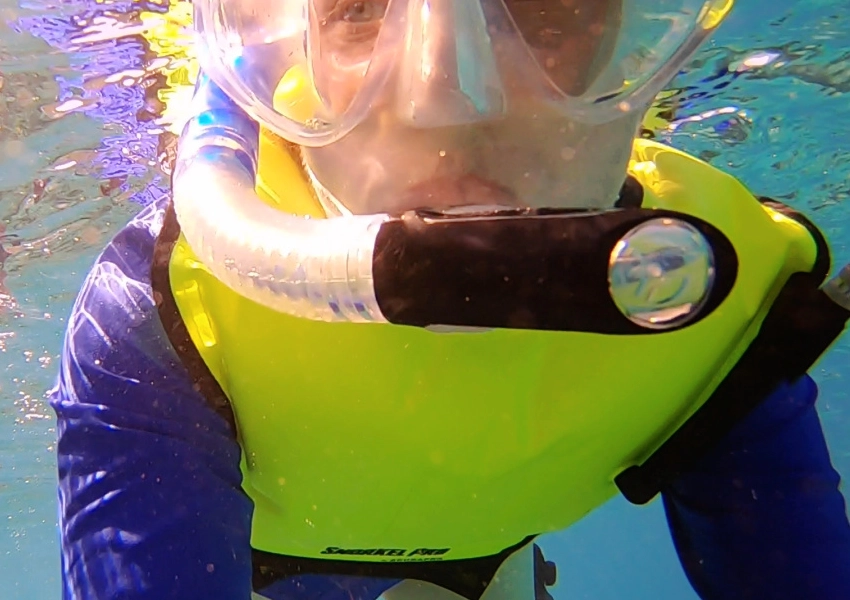
Types of Snorkel Vests and Their Buoyancy Levels
Not all snorkel vests are created equal. Based on my tests, here are the main types and how much float they offer:
| Type | Buoyancy Range | Best For | Key Feature |
|---|---|---|---|
| Oral Inflation Vest | 10-20 lbs | Beginners, calm waters | Adjustable buoyancy by blowing |
| CO2 Inflatable Vest | 15-25 lbs | Emergency use, rough conditions | Quick deployment via cartridge |
| Foam-Filled Vest | 20-30 lbs | Non-swimmers, children | Permanent buoyancy, no inflation needed |
| Hybrid Vest (Oral + CO2) | 15-25 lbs | All-round safety | Combines both methods for reliability |
Foam-filled vests are the most reliable for keeping you afloat because they can't deflate, but they're bulkier. Oral inflation vests give you control—you can add or release air as needed. I prefer hybrid vests for tropical trips; they're versatile, though some models feel cheap. Remember, buoyancy ratings assume proper fit. A vest that's too loose won't distribute force evenly, reducing effectiveness.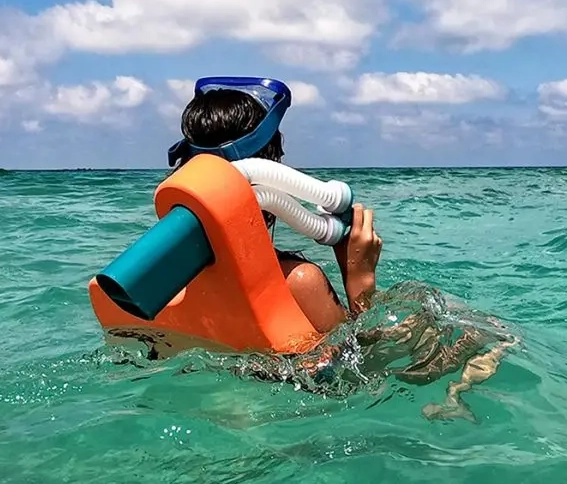
Common Misconceptions About Snorkel Vests
Many people think a snorkel vest is a foolproof life jacket. It's not. Life jackets, certified by bodies like the U.S. Coast Guard, are designed to turn an unconscious person face-up. Snorkel vests lack that feature—they're buoyancy aids, not life-saving devices. Another myth: more inflation equals more safety. Over-inflating can make the vest rigid, restricting movement and increasing the risk of it bursting if you bump into coral. I've witnessed tours where guides hand out vests without explaining this, leading to awkward floats. Also, vests don't replace swimming skills. If you're in a strong current, buoyancy alone won't get you back to shore; you need to paddle. This misconception is why some snorkelers get into trouble, relying solely on the vest.
Expert tip: Always test your vest in shallow water first. Inflate it halfway, see how your body responds, then adjust. Most beginners inflate too much, causing discomfort and reduced mobility.
When and How to Use a Snorkel Vest Effectively
To maximize safety, use a snorkel vest in specific scenarios. Calm, shallow reefs are ideal—think places like Hanauma Bay in Hawaii or the Great Barrier Reef's sheltered areas. In choppy water, a vest helps conserve energy, but pair it with a snorkel float or stay close to a boat. Here's a step-by-step approach I follow:
First, choose the right vest. Match it to your weight and skill level. If you're over 200 pounds, opt for a vest with higher buoyancy, like a foam-filled one. Second, fit it snugly but not tight. The straps should allow full arm movement without riding up. Third, inflate gradually. For oral vests, take deep breaths and blow in short bursts; stop when you feel light but still mobile. Fourth, practice floating. Lie on your back, relax, and let the vest do the work. Many people fight the buoyancy, which tires them out.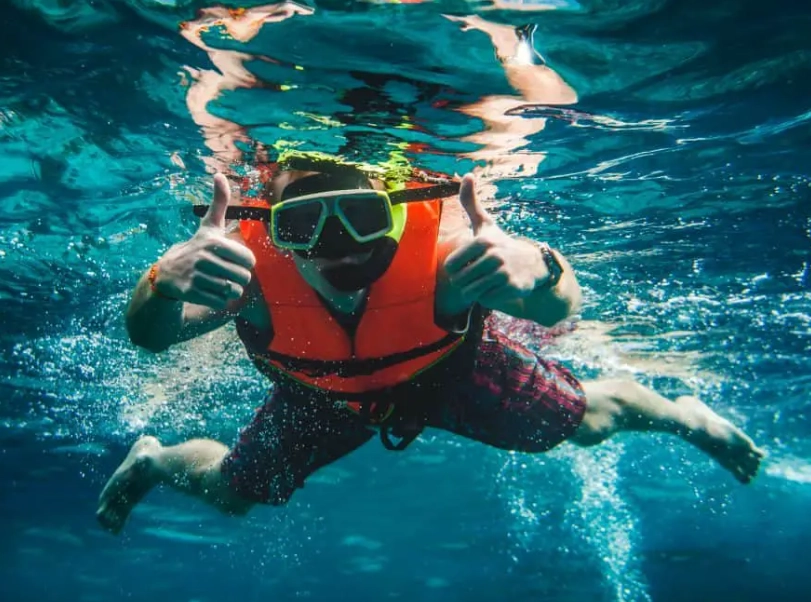
In terms of gear, I've had good experiences with brands like Cressi and Aqua Lung—their vests are durable and come with clear instructions. Avoid cheap knockoffs; they often have weak seams. A personal story: during a snorkel trip in Thailand, my vest's valve leaked slowly. I noticed because I was sinking slightly over time. It taught me to check equipment before every use, something guides rarely emphasize.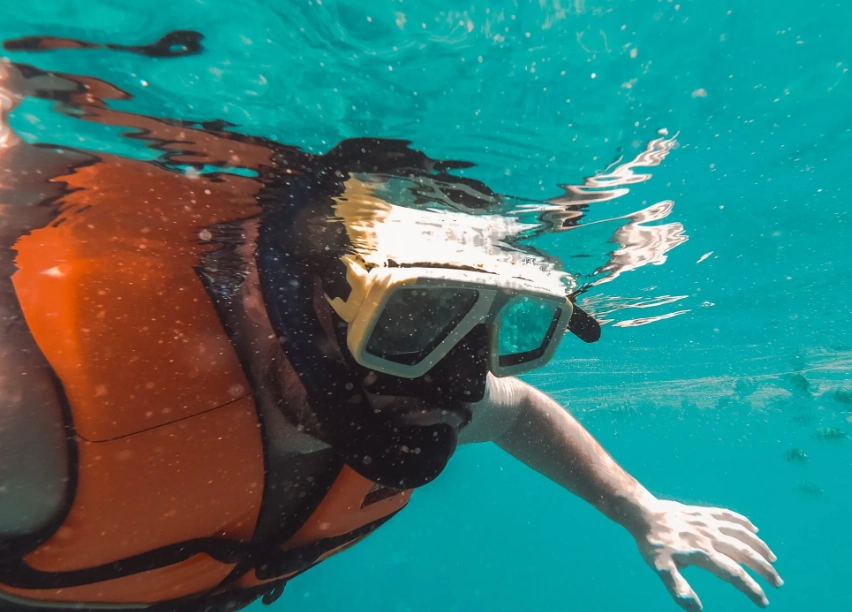
What to Do If Your Vest Fails
Vests can fail. Maybe a valve sticks, or a CO2 cartridge misfires. Don't panic. If you're with a group, signal for help—wave an arm. If alone, focus on slow breathing and use your snorkel as a float by holding it horizontally. Kick gently toward safety. This is why I always snorkel with a buddy, even with a vest. It's a simple habit that covers gaps in gear reliability.
Real-World Scenarios and Personal Experiences
Let's look at two cases where snorkel vests made a difference. In Cozumel, Mexico, the currents can be strong. A friend, a weak swimmer, used a hybrid vest. It kept her afloat while she admired the coral, but when she drifted, the vest's buoyancy helped her stay calm until the guide towed her back. Without it, she might have panicked. Conversely, in Bali, I saw a tourist ignore his vest, thinking he was a strong swimmer. He got exhausted fighting a current and had to be rescued—his vest was deflated in his bag. Moral: even if you're confident, wear the vest in unfamiliar waters.
Another scenario: snorkeling with kids. Children's vests, like those from Speedo, often have extra straps and bright colors. My niece used one in Florida; it kept her afloat effortlessly, but I had to adjust it frequently as she moved. The vest allowed her to focus on the fish, not staying up. For non-swimmers, I recommend foam vests—they're idiot-proof, though bulky. I've rented them in Maui, and while they're not stylish, they get the job done.
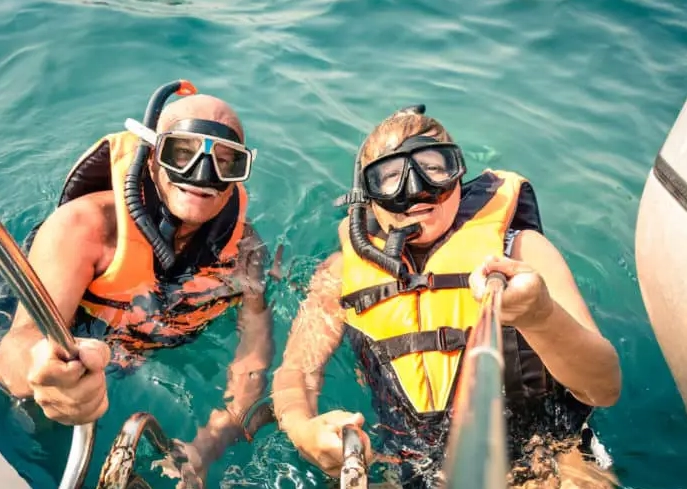
FAQ: Your Burning Questions Answered
To wrap up, snorkel vests do keep you afloat, but they're tools that require smart use. Whether you're a newbie or a seasoned snorkeler, understanding their limits enhances safety. For more authoritative info, refer to resources like the Professional Association of Diving Instructors (PADI) on buoyancy principles. Now, get out there, float smartly, and enjoy the underwater world—just don't forget to check that vest.
Reader Comments