Quick Guide
Let's cut to the chase. You're planning a snorkeling trip, you've got your gear ready, and then this question pops into your head: Is it best to snorkel at high or low tide? You google it, and you get a dozen different answers. Some sites swear by high tide, others are low tide evangelists. It's confusing, right? I've been there. I've floated over reefs wondering the same thing, and after years of getting it wrong and (eventually) right, I'm here to give you the messy, nuanced, real-world answer. Because the truth is, it's rarely as simple as picking one.
The short, unsatisfying answer is: it depends. But don't click away! The *long* answer is what you actually need to plan a great day in the water. It depends on where you are, what you want to see, and what the ocean is doing that day. Thinking it's always one or the other is the quickest way to have a mediocre snorkel or, worse, get into a tricky situation.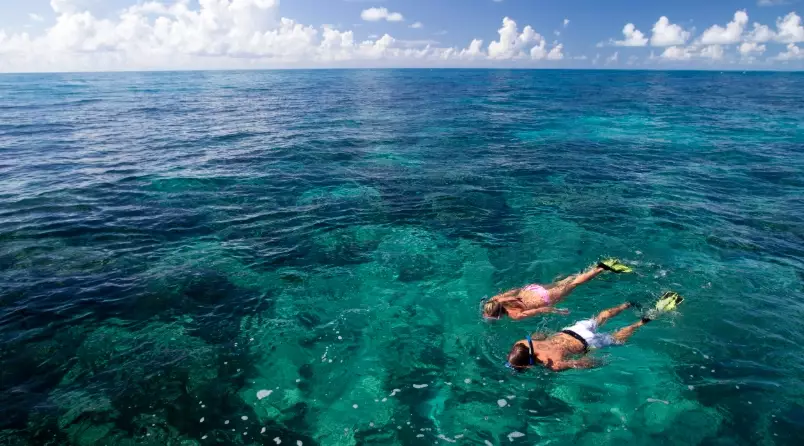
The Core Idea: Tides change the underwater landscape. They affect visibility, water depth, current strength, and how accessible marine life is. Your goal isn't to find the one "best" tide, but to understand how tides work so you can match them to your specific snorkeling spot and goals.
What Tides Actually Do to Your Snorkeling Spot
Before we dive into the high vs low debate, you need to know what you're dealing with. A tide isn't just "water level up" or "water level down." It's a massive movement of water that reshapes your snorkeling environment in a few key ways.
Visibility: The Big One
This is what most people care about. Can I see? The relationship between tide and visibility is the source of most confusion.
- High Tide Theory: More water can mean clearer water, as sediments settled on the bottom are less likely to be stirred up. Incoming tides often bring in fresh, clean ocean water from offshore.
- Low Tide Theory: The water is shallower, so sunlight penetrates more easily, making colors pop and everything seem brighter and closer. However, if there's wave action, it can stir up sand and silt from the now-closer bottom.
So which is true? Both. It's a tug-of-war. In calm, protected bays, high tide often wins for clarity. On windward coasts or sandy beaches, a rising tide might be clearer than a falling one that's churning up the bottom. I've been in Hawaii where the visibility at a certain bay was crystal clear at high tide and a milky soup just two hours later on the outgoing tide.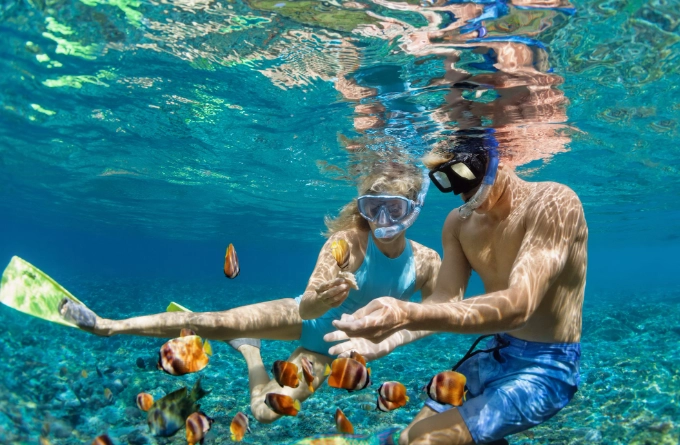
Watch Out: The worst visibility often happens during the change of the tide, especially when a strong current starts moving and lifting debris. Snorkeling at slack tide (the short period between high and low when water movement pauses) is often the visibility sweet spot.
Currents and Your Energy
This is the safety factor nobody talks about enough. Tides create currents. An incoming (flood) tide pushes water towards the shore. An outgoing (ebb) tide pulls water away from the shore. These currents can be gentle helpers or exhausting adversaries.
I learned this the hard way in Thailand. We entered at high tide, swam out lazily, and spent an hour admiring the reef. When we turned to go back, the tide had turned and was now ebbing. What was a gentle swim out became a strenuous paddle against a steady current. We made it, but it was exhausting and a bit scary. Now I always check the current direction.
A simple rule: Plan your route with the current.
Start by swimming against a mild current (when you're fresh), then let the current carry you back to your entry point when you're tired. This requires knowing if the tide is coming in or going out during your swim.
Marine Life Access and Behavior
Fish and critters don't just sit around waiting for you. Their behavior changes with the tides.
- Low Tide: This is like a condensed aquarium. Coral heads are closer to the surface, fish are concentrated in deeper pools, and you can often see more in a smaller area. It's fantastic for beginners or photographers who want subjects close up. You might see more tide pool creatures like octopus or moray eels hunting in the shallows.
- High Tide: The ocean's buffet is open! Many fish use high tide to move into shallower areas like mangroves or seagrass beds to feed, areas that are dry or too shallow at low tide. You might have to swim over deeper channels to see the reef, but you could encounter larger pelagic fish cruising in with the deeper water.
The High Tide vs Low Tide Showdown: A Spot-by-Spot Guide
Okay, let's get practical. Here’s where we really answer is it best to snorkel at high or low tide by looking at specific types of locations. This table breaks down the pros and cons based on my experience and talking to local guides.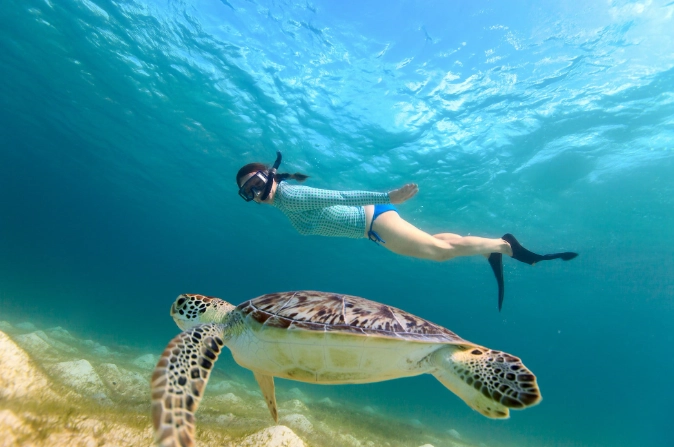
| Snorkeling Spot Type | Best Tide (Generally) | Why It Works | Potential Drawback |
|---|---|---|---|
| Coral Reef Drop-offs (e.g., many Caribbean sites) | High Tide | Deeper water over the reef top prevents accidental fin contact with coral. Often better visibility as offshore water comes in. | Reef fish may be deeper, requiring more diving to see them up close. |
| Protected Bays & Lagoons (e.g., Hanauma Bay, HI) | Mid to High Tide | Calmer water, less chance of stirring up sediment. More water volume can mean cleaner water flowing in. | Can get crowded. Exit/entry points might be trickier at the highest tide. |
| Shoreline Fringing Reefs (flat reef close to shore) | Mid to High Tide | Enough water to swim comfortably over the reef without scraping. Fish are more active. | At low tide, you might have to walk far out or even risk standing on coral (don't!). |
| Tide Pools & Rocky Coastlines (e.g., Pacific Northwest) | Low Tide | Reveals fascinating intertidal life (anemones, starfish, crabs) you can't see when submerged. Unique photography opportunities. | Water can be very cold and visibility poor if waves are breaking. Limited swimming. |
| Mangrove Channels & Estuaries | Incoming High Tide | Water floods the mangroves, bringing in fish and nutrients. You can snorkel into areas otherwise inaccessible. | Can have murky water from silt. Strong currents possible on a big tide change. |
| Sandy Bottoms with Patch Reefs | Slack Tide (around high or low) | Minimizes current and sand stirring. Lets you hover over patch reefs easily. | During strong tidal flow, sand gets kicked up, destroying visibility. |
See? No single winner. Your location is the boss here. A question like "is it better to snorkel at high tide or low tide in Maui?" is still too broad. You need to ask about Molokini Crater vs. Honolua Bay. They're totally different.
My Personal Rule of Thumb: For casual, first-time snorkeling at an unknown beach, I aim for a rising tide, about 1-2 hours before high tide. Why? The water is getting deeper (safer from bumps), visibility is often improving with incoming water, and I can ride the gentle incoming current back to shore if needed. It's not perfect everywhere, but it's a safer bet than a falling tide.
The Factors That Override Everything (Including Tide)
Sometimes, the tide debate is pointless because other factors are in charge. Here’s what can make high or low tide irrelevant.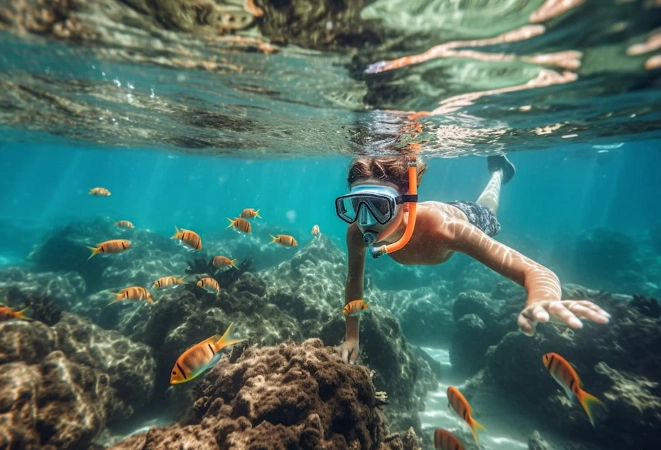
Weather and Waves: The Game Changers
A strong onshore wind will churn up the water no matter what the tide is doing. If it's been raining heavily, runoff from land will make near-shore water murky for days. I've checked tide charts perfectly for a low-tide reef walk, only to find huge surf crashing over the rocks, making it impossible and dangerous. Always check the marine weather forecast and surf report. The National Weather Service (for the US) or local meteorological sites are your best friends.
Local Knowledge is King
This is the ultimate SEO hack for snorkeling. The best answer to is it best to snorkel at high or low tide for *your specific spot* lives in the head of the local dive shop owner or a longtime resident. I always pop into a nearby shop, rent a cheap item, and just ask: "Hey, for snorkeling right out front here, what's the tide doing today? Is it good?" The info is gold. They know about hidden currents, sand movements, and where the octopus likes to hide on a spring tide.
Your Own Skill and Comfort Level
This is critical. A strong tidal current that's fun for an experienced snorkeler can be terrifying for a beginner. Low tide might mean a longer surface swim over deep water to reach the reef, which can be tiring. Be brutally honest with yourself. If you're not a strong swimmer, prioritize calm conditions (often found at slack high tide in protected areas) over chasing the "best" marine life viewing.
The Ultimate Checklist: How to Plan Your Snorkel Day
- Identify Your Spot: Get the exact name of the bay, beach, or reef.
- Check the Tide Chart: Use a site like NOAA Tides & Currents (US) or a reliable local app. Note the times for high tide, low tide, and the height difference.
- Check the Weather & Surf: Look for wind speed/direction, wave height, and any warnings.
- Cross-Reference: For your spot, does a local guide or website recommend a specific tide? (e.g., "Tidal pools are best explored at low tide").
- Make the Call: Choose your window. Is it a big tide day (spring tide)? Maybe avoid max current. Is it a small tide (neap tide)? Conditions will be milder overall.
- Have a Backup Plan: If the water looks murky or rough when you arrive, go to your plan B spot.
Answering Your Real Questions (The FAQ Part)
Let's tackle the specific things people worry about when they're searching this topic.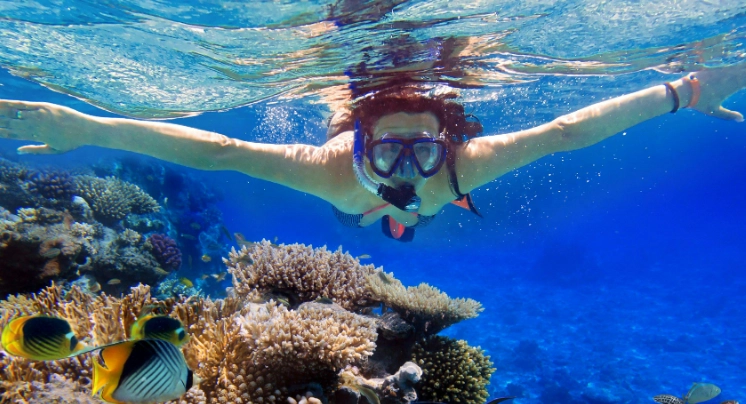
Is snorkeling at high tide dangerous?
Not inherently. But high tide can mean stronger currents, especially around headlands or in channels. The main danger is not being aware of the current direction and exhausting yourself trying to swim against it. Always have an exit plan and conserve energy.
Can you see more fish at high or low tide?
You see different fish. Low tide concentrates them, so you might see more individuals in a small area. High tide allows access to different habitats, so you might see a greater variety of species, including bigger fish that come in with the deeper water. For predictable, easy viewing, a healthy reef at low tide is hard to beat.
What is the absolute worst time to snorkel regarding tides?
The hour during and after a major tide change, especially on a large spring tide, if you're in an area known for currents (inlets, passes between islands). The water movement is at its peak, visibility is often worst due to stirring, and it's physically demanding. Also, snorkeling at the very lowest tide on a shallow reef can be risky as you have no buffer between you and the coral or rocks.
Do I need to be an expert to use tide charts?
Not at all. Just look for the date, find the location nearest you, and look at the predicted times for "High Tide" and "Low Tide." The key is relating that time to your swim time. If high tide is at 10 AM, and you swim at 9 AM, you're on an incoming tide. That's most of what you need.
Putting It All Together: A Real-World Example
Let's say you're going to a famous snorkeling beach like Trunk Bay in St. John. You check NOAA. High tide is at 8:47 AM (1.1 ft), low tide is at 3:02 PM (0.2 ft). It's a calm, sunny day with light winds from the east.
- Option A (High Tide): You go at 8:30 AM. The water is deeper over the famous underwater trail. The markers might be easier to see from the surface. The swim out to the reef might feel easier. Visibility is good with clear Atlantic water.
- Option B (Low Tide): You go at 2:30 PM. The coral formations are much closer. The colors are incredibly vibrant in the shallow, sunlit water. You might feel a very mild current starting to pull out as the tide begins to ebb. The sandy bottom is closer, making the water appear a brighter turquoise.
Which is best for snorkeling, high tide or low tide here? Honestly, both could be fantastic. The low tide might be more spectacular for photos and seeing coral detail. The high tide might feel more relaxed for swimming. The deciding factor might be your comfort with slightly shallower water (low tide) or your desire for that classic deep-blue water look (high tide).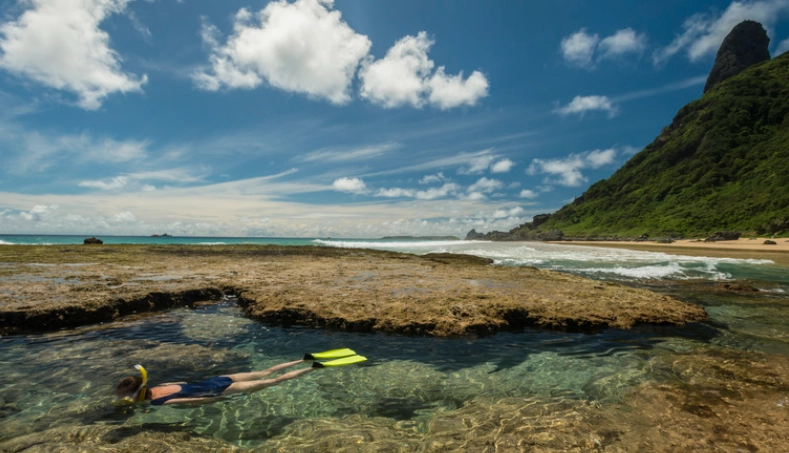
The magic is in the understanding, not the prescription.
So, stop searching for a simple yes or no. Embrace the complexity. Get the tide chart, check the weather, ask a local, and think about what you want from your snorkel. Sometimes you'll nail it. Sometimes you'll get it wrong and the water will be murky. That's part of the adventure. But now, at least you know the right questions to ask. You're not just wondering is it best to snorkel at high or low tide, you're thinking about water movement, marine life behavior, and your own safety. That's how you graduate from a casual floater to a savvy snorkeler who knows how to find the good water, almost every single time.
Now go check those charts. Your best snorkel day is waiting, and it might be on a tide you never expected.
Reader Comments