Explore the Guide
- Why Choose Tamarindo for Your Snorkeling Adventure?
- The Best Spots for Snorkeling in and Around Tamarindo
- Choosing the Right Snorkeling Tour in Tamarindo
- What Will You See? A Guide to Tamarindo's Marine Life
- The Best Time to Go Snorkeling in Tamarindo
- Gear, Safety, and Responsible Snorkeling
- Beyond Snorkeling: Making the Most of Your Tamarindo Trip
- Frequently Asked Questions (FAQs)
Let's be honest, when you think of Costa Rica, you probably picture zip-lining through cloud forests or watching sloths move at a pace that would put a snail to shame. But for me, some of the most magical moments happen just below the surface of the water. And Tamarindo, that bustling little surf town on the Pacific coast, is a surprisingly fantastic launchpad for underwater adventures. I'm talking about snorkeling in Costa Rica Tamarindo style – a mix of accessible fun, unexpected marine encounters, and that classic Tico chill vibe.
I remember my first time snorkeling here. I was expecting okay-ish visibility and maybe a few fish. What I got was a face-to-face meeting with a sea turtle the size of a coffee table, gliding past me like I was part of the scenery. It wasn't in some remote, hard-to-reach reserve either. That's the charm of this place. You don't have to be a hardcore diver to get a taste of the Pacific's wonders. Whether you're a family with kids, a couple looking for a relaxed adventure, or a solo traveler wanting to tick "swim with tropical fish" off your list, snorkeling around Tamarindo has got you covered.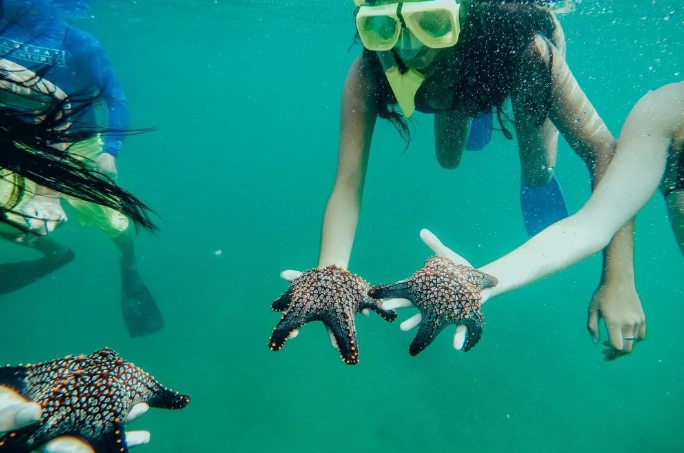
Why Choose Tamarindo for Your Snorkeling Adventure?
You might be wondering, with all of Costa Rica's coastline, why pick this particular spot? Good question. Tamarindo sits in the heart of Guanacaste province, a region blessed with a string of protected bays, rocky headlands, and several offshore islands. This geography creates calmer pockets of water perfect for floating around with a mask on. It's also incredibly convenient. The town is packed with tour operators, gear rentals, and hotels used to catering to water-loving tourists. You can literally have breakfast, book a tour for the afternoon, and be back in time for sunset cocktails. It's snorkeling without the logistical headache.
Beyond convenience, the marine life here is seriously underrated. We're talking about a transition zone where different currents meet, bringing in nutrients and a diverse crowd of sea creatures. You're not just looking at pretty coral (though there's some of that). The real stars here are the animals – turtles, rays, octopus, and massive schools of colorful fish like parrotfish, angelfish, and puffers. The Costa Rica Tourism Board often highlights the country's terrestrial biodiversity, but the marine world right off Tamarindo is a vibrant chapter of that same story.
The Best Spots for Snorkeling in and Around Tamarindo
Not all snorkeling spots are created equal. Some are right off the beach, perfect for a quick dip. Others require a boat ride, but the payoff is worth it. Here’s my breakdown of the top locations, based on multiple trips and chats with local captains.
Playa Conchal: The Gem on Your Doorstep
Just a 15-minute drive south of Tamarindo, Playa Conchal is often the first recommendation for good reason. The beach itself is made of millions of tiny crushed shells (hence the name 'Conchal'). But wade into the water and head towards the rocky points on either end of the bay. That's where the action is. The rocks provide shelter for fish, and you can often find pufferfish hiding in the crevices and schools of sardines shimmering in the sun. It's shallow, protected, and ideal for beginners or a relaxed afternoon. Parking can be a pain, and it gets crowded, but for easy access snorkeling in Costa Rica Tamarindo area, it's a solid choice.
Catalina Islands: The Premier Offshore Destination
This is the big leagues for Tamarindo-based snorkeling. The Catalinas are a cluster of rocky islets about a 45-minute to an hour boat ride away. The journey is part of the fun – you might see dolphins or manta rays on the way. Once you're there, the underwater landscape transforms. We're talking about larger rock formations that plunge into deeper water, attracting bigger pelagic life. This is one of the best places in Costa Rica to snorkel with giant Pacific manta rays (especially from November to May). Eagle rays are also common. The visibility here is typically far better than close to shore. It's a full-day tour commitment, and the water can be choppier, but for seeing something truly spectacular, it's unbeatable.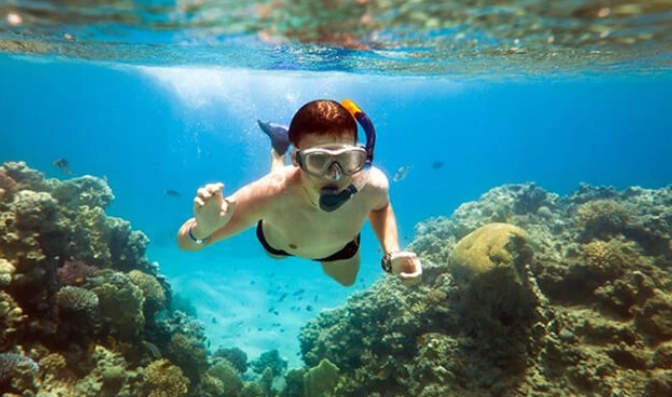
Playa Minas & Other Hidden Coves
Want to feel like you've discovered a secret? Ask a local captain about the smaller coves north of Tamarindo, like Playa Minas. These spots are often only accessible by boat or a bit of a hike, meaning fewer people. The snorkeling here can be wonderfully intimate. You might have a whole coral head to yourself, watching damselfish defend their territory and spotting moray eels peeking out from their holes. The marine life isn't necessarily bigger, but the experience feels more pristine. This is where going with a knowledgeable guide really pays off.
Here’s a quick comparison to help you decide:
| Spot | Access | Best For | Likely Marine Life | Tour Needed? |
|---|---|---|---|---|
| Playa Conchal | Drive/Shuttle | Beginners, Families, Quick Sessions | Reef Fish, Puffers, occasional Turtle | No |
| Catalina Islands | Boat Tour Only | Experienced Snorkelers, Seeing Big Animals | Manta Rays, Eagle Rays, Turtles, Large Schools | Yes |
| Playa Minas/Hidden Coves | Boat Tour or Tough Hike | Adventurers, Avoiding Crowds | Diverse Reef Fish, Moray Eels, Octopus | Usually Yes |
Choosing the Right Snorkeling Tour in Tamarindo
Walking down Tamarindo's main street, you'll be bombarded with tour company signs. How do you pick a good one? It's not just about the cheapest price. A great tour can make your day, a bad one can ruin it. I've been on both.
First, look for operators that mention small group sizes. A boat crammed with 40 people is chaotic. You'll spend half your time avoiding other swimmers' fins. A group of 10-15 is much more manageable and respectful to the environment. Second, ask what's included. Does the price cover gear, snacks, water, and fruit? A quality operator will usually provide all that. Third, and most importantly, gauge their emphasis on safety and education. Do they give a thorough briefing? Do they point out marine life and explain how to interact with it responsibly? Operators that partner with or follow guidelines from organizations like The Marine Conservation Institute are a good bet.
Here’s what a high-quality half-day snorkeling tour to the Catalina Islands typically includes:
- Hotel Pick-up: From Tamarindo, Langosta, or nearby beaches.
- Boat Ride: On a stable, purpose-built panga or catamaran with shade.
- Safety & Ecology Briefing: Before you even get wet.
- Quality Gear: Properly fitted mask, snorkel, fins, and usually a floatation vest (which I always recommend using, even if you're a strong swimmer).
- Two Snorkel Sessions: At different sites around the islands.
- Guide in the Water: A guide who actually gets in with you to point things out.
- Refreshments: Water, juice, fresh fruit, and sometimes a light lunch like sandwiches or ceviche.
- Wildlife Spotting: Guides keep an eye out for dolphins, whales (in season), and rays during the boat ride.
What Will You See? A Guide to Tamarindo's Marine Life
This isn't just about looking at pretty colors. Knowing what you're looking at turns a fun swim into a fascinating nature documentary where you're the star. So, who are your co-stars when you go snorkeling in Costa Rica Tamarindo waters?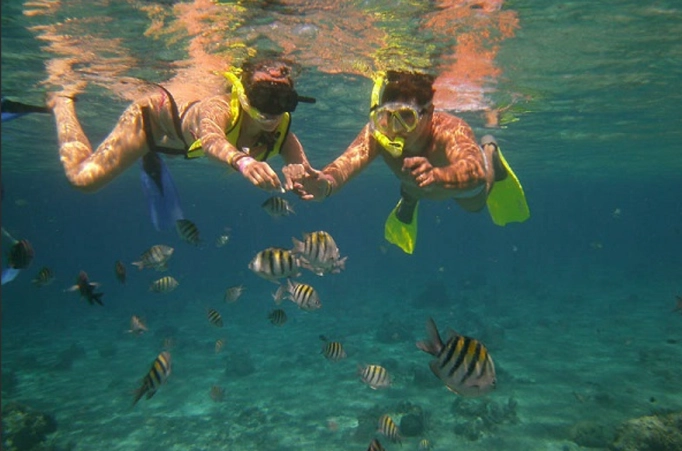
The Celebrities (The Big Stuff):
- Pacific Green Sea Turtles: These gentle giants are common around rocky reefs where they come to feed on algae. Seeing one is almost guaranteed on a Catalina Islands trip. Remember, look but don't touch – it's the law and it's for their protection.
- Manta Rays & Eagle Rays: The holy grail for many. Mantas, with their huge wingspans, glide gracefully through the water, often near cleaning stations. Eagle rays are smaller, darker, and often seen cruising alone over the sandy bottom. A sighting is breathtaking.
- White-tip Reef Sharks: Don't panic! These small, shy sharks are harmless to humans and are often seen resting in caves or under ledges during the day. They're a sign of a healthy reef.
The Supporting Cast (Colorful Reef Fish):
- Parrotfish: You'll hear them before you see them – a crunching sound as they scrape algae off rocks with their beak-like teeth. They're incredibly colorful and responsible for producing much of the white sand on tropical beaches.
- Angelfish: Regal, disc-shaped fish with striking patterns. The King Angelfish is a showstopper with its blue and orange rings.
- Pufferfish: Grumpy-looking and slow-moving. They inflate into a spiky ball when threatened. Fun to watch as they nibble on coral.
- Moray Eels: Often just a head poking out from a hole, jaws gaping (they're just breathing!). Spotted morays and green morays are common. Respect their space.
I once spent a full ten minutes watching an octopus change colors and textures on a rock in Playa Minas. It was more captivating than any TV show. That's the magic – the unexpected encounters.
The Best Time to Go Snorkeling in Tamarindo
Timing is everything. Costa Rica has two main seasons, and they dramatically affect your snorkeling experience.
Dry Season (Mid-November to April): This is the peak tourist season for a reason. Skies are sunny, rains are rare, and the ocean is generally calmer. For snorkeling in Costa Rica Tamarindo, this translates to the best visibility. The water can be incredibly clear, especially at offshore sites like the Catalinas. The downside? Everyone else knows this too. Beaches and tours are more crowded, and prices are at their highest. You need to book tours further in advance.
Green/Wet Season (May to Mid-November): Don't write this season off. Yes, it rains, usually in intense afternoon showers. But the mornings are often sunny and beautiful. The ocean is warmer, and there are far fewer tourists. The potential downside for snorkeling is runoff from the rivers. After heavy rains, the nearshore water (like at Playa Conchal) can be murky for a day or two as sediment washes into the sea. However, the offshore islands are less affected. This is also the best time for seeing manta rays at the Catalinas. Tours are cheaper, and you might get a more personalized experience.
 My personal favorite? The shoulder months of November and May. You often get dry season conditions with fewer crowds and better prices.
Gear, Safety, and Responsible Snorkeling
Let's get practical. Your safety and the health of the reef are paramount.
Essential Gear & Tips
Most tours provide gear, but if you're snorkeling from shore or want your own, here's what you need:
- A Good Mask: The single most important piece. It must seal comfortably on your face without the strap. Test it by placing it on your face without the strap, inhale slightly through your nose, and let go. It should stay suctioned for a few seconds. A leaky mask ruins everything.
- Snorkel: A simple J-shaped one is fine. Purge valves can be helpful if you're a beginner.
- Fins: Not flippers. Proper snorkeling fins give you propulsion without exhausting your legs. Make sure they fit snugly but don't pinch.
- Rash Guard or Wetsuit Top: The sun is intense at the equator, even through water. A long-sleeve rash guard protects your back from sunburn and also from accidental scrapes on rocks or jellyfish stings. A 1-2mm wetsuit top is perfect for longer sessions as the water, while warm, can still leach heat from your body.
Safety First
- Never Snorkel Alone: Always use the buddy system.
- Use a Floatation Vest: Even Olympic swimmers get cramps. A vest lets you relax and conserve energy, letting you focus on the fish, not on treading water.
- Check Currents: Always ask a local or lifeguard about conditions before entering from a beach. Riptides can occur.
- Hydrate: You're in the sun and saltwater. Drink plenty of water before and after.
Be a Responsible Snorkeler
This is crucial. We're visitors in their home.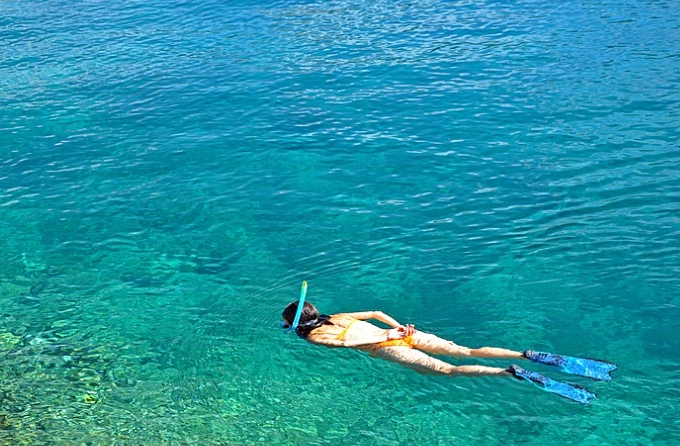
- NO TOUCHING: Don't touch the coral (it kills it), don't chase the turtles, don't harass the fish. Your sunscreen can also harm coral. Use a reef-safe, mineral-based sunscreen (zinc oxide/titanium dioxide). Many tours now require it, and places like the National Geographic have great guides on choosing the right one.
- Control Your Fins: Be aware of your fin tips. Kicking coral or stirring up sediment reduces visibility for everyone.
- Take Only Photos, Leave Only Bubbles: It's a cliché because it's true.
Beyond Snorkeling: Making the Most of Your Tamarindo Trip
Snorkeling is just one slice of the pie. Tamarindo is a fantastic base for other adventures.
After a morning on the water, consider a sunset sail on a catamaran – it's the perfect, relaxing counterpoint. If you want more marine life, take a trip north to the Las Baulas National Marine Park to see giant leatherback turtles nesting (seasonal, typically October to March). For a change of scenery, the rainforests of the Rincon de la Vieja National Park are just a couple of hours away, offering volcanoes, hot springs, and waterfalls.
And of course, you have to try surfing. Tamarindo's main beach offers gentle, long waves perfect for beginners. Taking a lesson is a rite of passage here.
Frequently Asked Questions (FAQs)
I get asked these questions all the time by friends planning their trips. Let's clear them up.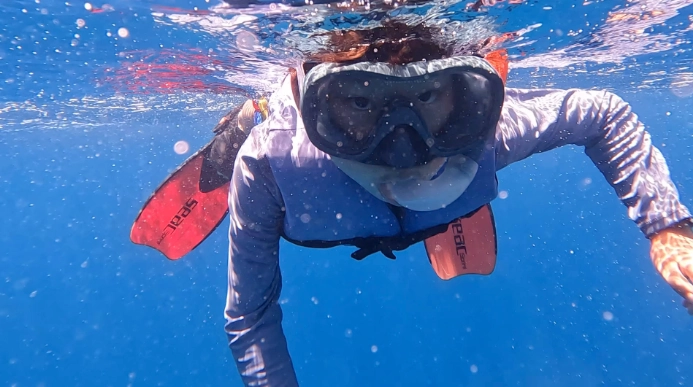
Do I need to know how to swim to go snorkeling in Tamarindo?
Yes, absolutely. You need to be a confident, comfortable swimmer in open water. Even with a life vest, you need basic swimming skills for safety and to maneuver. If you're not a strong swimmer, consider a glass-bottom boat tour instead.
Can I snorkel right from Tamarindo Beach?
Honestly, not really. Tamarindo Beach itself is a long, sandy beach with few rocks or reefs to attract fish. The water is often stirred up from surf and river runoff. For good snorkeling, you need to go to the spots mentioned earlier – Conchal, the Catalinas, or the hidden coves.
Is snorkeling in Costa Rica Tamarindo good for kids?
It can be fantastic for older, confident kids who are good swimmers. Playa Conchal is a great first spot for families. For younger children or nervous swimmers, a shorter tour or a boat ride with the option to just dip their mask in from the boat ladder is a better bet. Always prioritize safety and choose a family-friendly operator.
What should I wear/bring for a snorkel tour?
Wear your swimsuit, a rash guard, and sandals. Bring a hat, sunglasses, a towel, a change of clothes, reef-safe sunscreen, and a waterproof camera or GoPro. Don't forget a reusable water bottle to cut down on plastic waste.
Are there jellyfish?
Occasionally, yes. They are more common at certain times of the year. Wearing a rash guard or wetsuit top provides excellent protection against most stings. Guides are usually aware of conditions and will advise you.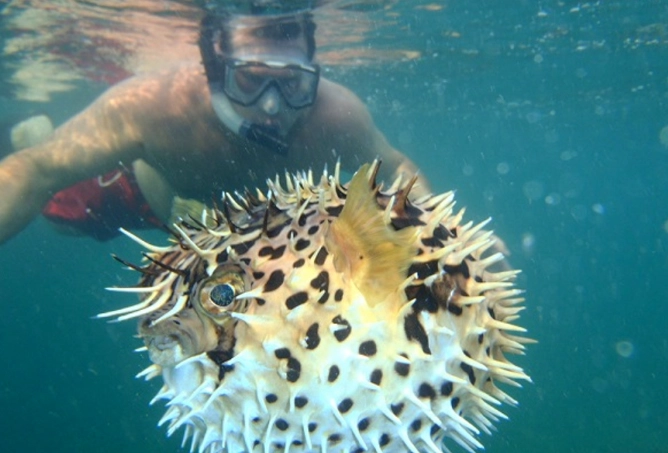
So, there you have it. Snorkeling in Costa Rica Tamarindo is about accessible adventure, surprising biodiversity, and that feeling of weightless wonder. It’s about floating above a garden of fish, locking eyes with a turtle, and coming back to shore with salt in your hair and a big smile on your face. Do your research, pick a responsible tour, manage your expectations, and most importantly, get out there and enjoy one of the most beautiful coastlines on the planet. Pura vida under the sea is waiting for you.
Reader Comments