Let's be honest. The single biggest mood-killer on a snorkeling trip isn't a jellyfish sting or a sudden rain shower. It's that slow, creeping fog that clouds your mask lens, turning a vibrant coral reef into a blurry, frustrating mess. You paid good money for this experience, and now you're constantly lifting your mask to clear it, breaking the magic. I've been there. For years, I used spit, baby shampoo, even toothpaste, with mixed results. Then I discovered anti-fog spray. It was a game-changer, but only when I learned to use it correctly. This guide isn't just a list of products. It's the deep dive into the science, the selection, and the often-missed application techniques that separate a clear 2-hour snorkel from another foggy disappointment.
What’s Inside This Guide?
How Anti-Fog Spray Actually Works (It’s Not Magic)
Fog forms on the inside of your mask when warm, moist air from your face meets the cooler surface of the lens. Tiny water droplets condense, scattering light and creating that milky film. Traditional defogging with spit or soap works by creating a temporary surfactant layer that makes the glass "wettable," causing droplets to spread into a thin, transparent film instead of beading up.
Modern anti-fog spray for snorkeling takes this further. It's a formulated blend of surfactants and polymers. The surfactants do the immediate work of spreading moisture. The polymers are the secret weapon—they leave behind a durable, hydrophilic (water-loving) coating on the lens that lasts through multiple dunks. Think of it as applying a microscopic, invisible shield that actively manages condensation. A good spray doesn't just prevent fog for a few minutes; it creates a surface where fog can't form effectively for an entire snorkeling session.
Choosing the Best Anti-Fog Spray: Ingredients & Top Picks
Not all sprays are equal. The cheap, generic ones often contain mostly alcohol and water, which evaporate quickly. You want a formula designed for marine use. Here’s what to look for on the label:
- Polymer-based formulas: These promise longer-lasting effects. Look for mentions of "long-lasting coating" or "polymer technology."
- Biodegradable & Reef-Safe: This is non-negotiable. Whatever washes off your mask enters the ocean. Opt for sprays that are explicitly biodegradable and free of oxybenzone, octinoxate, and other harmful chemicals. Organizations like the National Oceanic and Atmospheric Administration (NOAA) emphasize the importance of reef-safe products.
- Non-Toxic & Anti-Allergenic: It will be near your eyes and nose. Avoid heavy fragrances and opt for hypoallergenic options if you have sensitive skin.
Top Contender Breakdown
Based on personal testing and consistent feedback from dive communities, here’s how some leading options stack up. I’ve included a less-known trick for one of them.
| Brand / Product | Key Ingredients/Claim | What I Liked | What Could Be Better | Best For |
|---|---|---|---|---|
| Sea Buff Anti-Fog | Proprietary polymer formula, reef-safe, biodegradable. | Extremely long-lasting. One application survived a 3-hour snorkel in warm Bali waters with zero fog. The bottle lasts forever. | The nozzle can clog if not rinsed after use (a minor maintenance step). | Serious snorkelers and divers who need all-day clarity. |
| McNett Sea Drops | Concentrated gel, not a spray. Uses colloidal surfactants. | Incredibly effective with a tiny amount. The gel format means no risk of spray mist in your eyes. A single small bottle is a trip's worth. | The gel requires a bit more manual spreading than a spray. Can be messy if you over-apply. | Travelers wanting a compact, no-spill solution. |
| Stream2Sea Mask Defog | Certified biodegradable & reef-safe, uses plant-based polymers. | Strong eco-credentials verified by third parties. Works very well and feels gentle. The spray mechanism is reliable. | Slightly less longevity than Sea Buff in my tests, but still excellent for most 1-2 hour sessions. | Eco-conscious snorkelers prioritizing environmental impact. |
| Common "Dive Shop" Brand Spray | Often alcohol-based with surfactants. | Cheap, readily available, works okay for short periods. | Effect wears off quickly, especially in warm water. Can sometimes leave a slight residue. | The occasional snorkeler on a tight budget. |
My Non-Consensus Tip: The Toothpaste Myth
Many guides recommend toothpaste for defogging. As a one-time desperate measure, it can work. But here's the rarely mentioned downside: many toothpastes contain mild abrasives (for whitening) and mint oils. Over time, these can microscopically scratch your lens and degrade the silicone skirt of your mask. It's a hack, not a solution. Stick to products designed for the job.
How to Use Anti-Fog Spray Correctly: A Step-by-Step Guide Most People Get Wrong
This is where 90% of the failure happens. People spray and immediately rinse. That's like putting on sunscreen and jumping in the pool—it doesn't adhere. The polymer needs time to bond.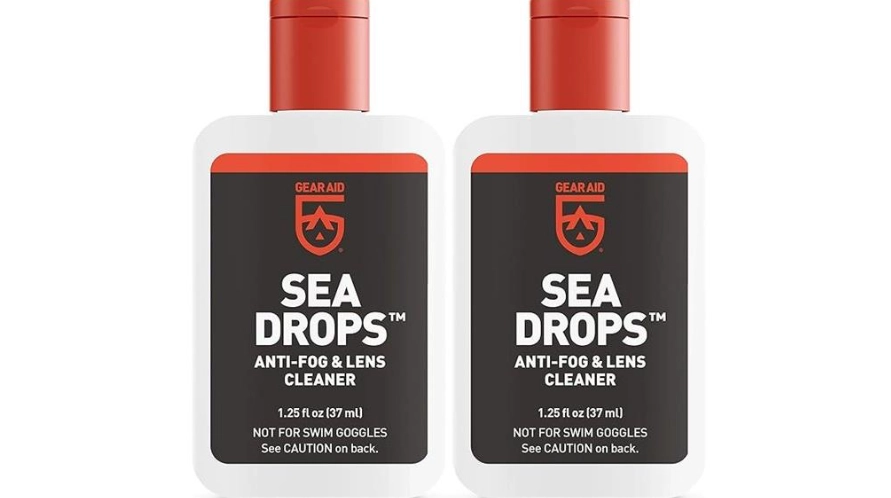
The Right Way (The 5-Minute Rule)
Do this on dry land, before you get to the beach.
- Step 1: Clean & Dry. Wash the inside of your mask lens with fresh water and mild soap. Rinse thoroughly. Dry it completely with a lint-free cloth or air dry. Any grease or old residue will block the spray.
- Step 2: Apply Liberally. Spray a generous amount onto the dry inner lens. One or two good spritzes per lens. Don't touch it.
- Step 3: The Critical Wait. Let the spray sit on the lens for at least 3-5 minutes. I set a timer. This lets the alcohol carrier evaporate and the active polymers form their coating. Go pack your towel, apply sunscreen.
- Step 4: Gentle Rinse. After waiting, hold the mask under a gentle stream of fresh water. Don't rub the lens. Let the water flow over it to rinse off the excess solution. You should see the water sheeting off smoothly.
- Step 5: Shake & Go. Give it a firm shake to remove most water droplets. A few beads are fine. The lens should look perfectly clear. Put it on and do not rinse it in seawater before putting it on your face—that reintroduces contaminants.
The One Mistake That Guarantees Fog
Never, ever use the spray on a wet or damp lens. The water dilutes the formula instantly, preventing the coating from forming. If your mask gets wet before application, dry it thoroughly first.
Anti-Fog Spray vs. Other Defogging Methods
Let's be real about the alternatives.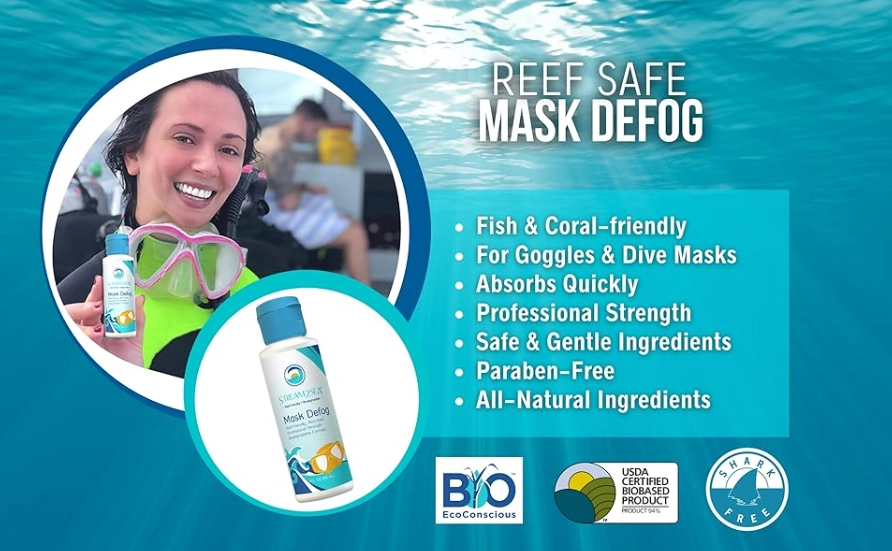
Spit: The classic. It's free and works in a pinch. Saliva contains enzymes that act as surfactants. Effectiveness is short-lived (15-30 minutes), varies by person, and, let's face it, is a bit gross. You're constantly reapplying.
Baby Shampoo: Better than spit. A drop mixed with water creates a decent defogging solution. It's cheap and gentle. However, it needs to be rinsed well (soap in the eyes is no fun), and its effectiveness also washes out relatively quickly. It's a step up, but not as durable as a dedicated spray.
Commercial Defogging Gels/Wipes: These are similar to sprays in function—often the same active ingredients in a different format. Gels offer precise application, wipes are convenient and pre-measured. Their performance is comparable to sprays from the same brand. The choice here is about personal preference and travel convenience.
The verdict? For reliability, longevity, and hassle-free experience, a good anti-fog spray is worth the $10-$15 investment. It's the difference between managing a problem and solving it.
Your Anti-Fog Questions, Answered by Experience
In tropical water, my anti-fog seems to wear off faster. Is that normal?
It's common, and it's due to the temperature differential. In very warm water, the lens stays closer to your face temperature, reducing the condensation effect slightly. However, the bigger issue is that warmer water and more sun exposure can degrade the polymer coating a bit quicker. The solution isn't a different spray, but more meticulous lens cleaning before application to ensure the best bond. Reapply at midday if you're doing a full-day trip.
Can anti-fog spray damage my mask's lens or silicone skirt?
Formulas designed for diving and snorkeling are generally safe for tempered glass lenses and silicone. The real damage comes from improper cleaning—using abrasive cloths or harsh chemicals like acetone or household glass cleaners. Stick to the spray and mild soap. If you see the silicone becoming stiff or discolored, it's more likely from sun exposure and salt degradation than from a proper defogger.
I followed the steps, but my mask still fogs a little around the edges. What gives?
Edge fogging is usually a fit issue, not a defogging issue. If the mask skirt isn't sealing perfectly against your face, warm air is leaking in from specific points, causing localized condensation. Try adjusting the strap—it should be snug but not tight, high on the back of your head. Also, ensure no hair is trapped under the skirt. A small amount of edge fog is normal; complete lens clearing is the goal.
How many uses can I get from one bottle of spray?
A standard 2-4 oz bottle is good for 50-100+ applications if used correctly (a light spritz, not a drenching). I've had a 3oz bottle last me two years of frequent snorkeling. It's one of the most cost-effective pieces of gear you'll buy.
Is it okay to use my dive mask anti-fog spray on swimming goggles?
Absolutely. The principle is the same. Just be extra cautious during rinsing to ensure none gets in your eyes, as goggle fit is even tighter. The coating will work just as well in the pool.
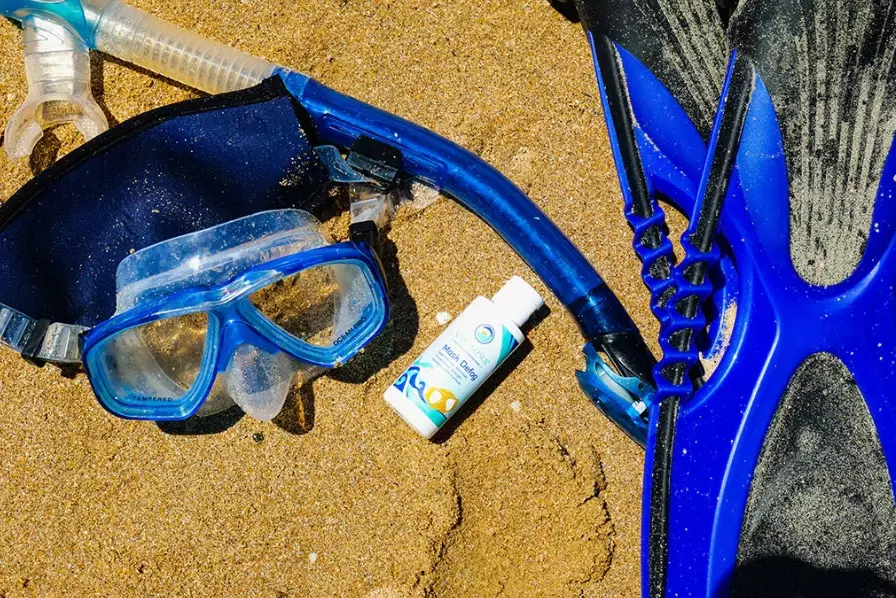 Look, fog happens. But it doesn't have to ruin your dive. A quality, reef-safe anti-fog spray, applied with a little patience using the right technique, transforms the experience. You stop thinking about your gear and start seeing the fish. That's the whole point, isn't it?
Reader Comments