I remember the first time I saw a bleached coral reef. It was in Bali, years ago. The guide pointed to a patch of ghostly white, brittle structure and shrugged. "It happens," he said. That moment stuck with me. Snorkeling lets us visit an alien world, but it's a fragile one. The connection between snorkeling and conservation isn't just theoretical—it's immediate, personal, and dictated by every choice we make, from the sunscreen we slather on to the operator we book with.
This guide isn't about guilt. It's about empowerment. You can have an incredible, awe-inspiring snorkeling experience while actively being part of the solution. Let's ditch the vague "be careful" advice and get into the actionable, specific steps that make a real difference.
What You'll Learn in This Guide
How to Choose an Eco-Conscious Snorkel Operator (It's Not Just a Logo)
This is your single biggest leverage point. A good operator enforces rules. A bad one turns a blind eye to tourists standing on coral. Don't just look for a "green" sticker on their website. Dig deeper.
Ask these questions before you book:
- What is your maximum group size? Operators committed to low impact keep groups small, often under 10-12 people per guide. Mass tourism boats stress the reef.
- Can you describe your environmental briefing? They should have a mandatory talk covering buoyancy, no-touch rules, and sunscreen policy. If they say "we just tell them to be careful," look elsewhere.
- Do you collaborate with any local marine research or restoration projects? Some operators fund coral nurseries or host citizen science days. This is a great sign.
Look for affiliations with real organizations, not just vague claims. Legitimate ones include Green Fins (a UN-supported initiative with strict standards), local Marine Park authorities, or the Coral Reef Alliance. A membership badge should link to a verifiable profile on the organization's site.
Red Flag: Beware of "greenwashing." An operator with a huge, powerful boat claiming to be "eco" because they serve organic snacks is missing the point. The boat's anchor damage and engine pollution matter far more.
Your Pre-Trip Conservation Checklist
Your preparation starts at home. Getting this right removes temptation and prevents accidents in the water.
The Sunscreen Dilemma: Mineral is Mandatory
Chemical sunscreens (containing oxybenzone, octinoxate) are a proven toxin to coral, contributing to bleaching and DNA damage. They're banned in destinations like Hawaii, Key West, and Palau. Don't wait for a law—make the switch now.
Buy a reef-safe, mineral-based sunscreen with zinc oxide or titanium dioxide as the active ingredient. Key words: "non-nano." This means the particles are too large to be ingested by coral. Brands like Stream2Sea, Badger, and Raw Elements are formulated specifically for aquatic life. Apply it at least 15 minutes before entering the water to let it bind to your skin.
Gear That Protects You and the Reef
A full-coverage rash guard or wetsuit is your best friend. It reduces the amount of sunscreen you need to near zero. It also prevents accidental scrapes—your skin against coral is bad for both of you.
If you're renting fins, ensure they're full-foot pockets, not open-heel with straps. Those dangling straps are notorious for smacking into coral. Practice your finning technique in a pool if you're a beginner. The kick should come from the hip, with gentle, fluid motions, not frantic bicycle kicks from the knee.
Essential In-Water Practices for Reef Protection
You're in the water. This is where intention meets action.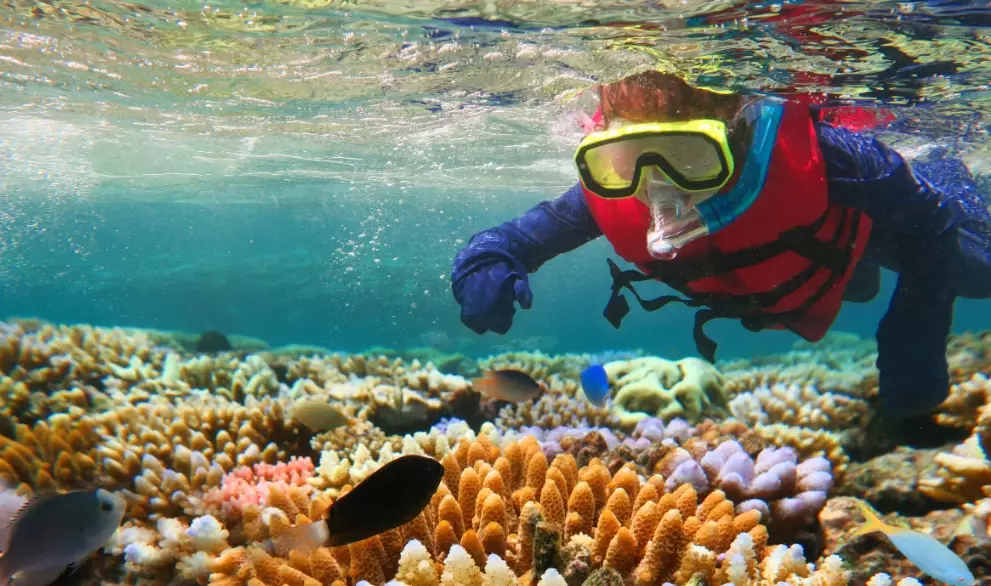
Master Your Buoyancy Before You Go. This is the non-negotiable skill. If you're constantly fighting to stay at the surface, you'll kick wildly. If you're sinking, you'll grab for anything. Use your snorkel vest properly, or consider a few pool sessions with a swim noodle to get comfortable. Perfect buoyancy means you hover effortlessly, fins well above the reef.
The Five-Finger Rule. Maintain a minimum distance of your arm's length (about five fingers wide in your vision) from any coral or marine life. This prevents accidental contact from waves or currents.
Nothing Leaves the Water. Ever. Not that beautiful shell, not the sea urchin skeleton. It's part of the ecosystem. Taking it disrupts natural processes. Photos are your only souvenir.
Feeding Fish is Harmful. It changes their natural behavior, makes them aggressive, and can introduce disease or unhealthy diets. Let them find their own food.
How to Extend Your Impact Beyond the Trip
Conservation doesn't end when you dry off. Here’s how to turn a one-time activity into ongoing support.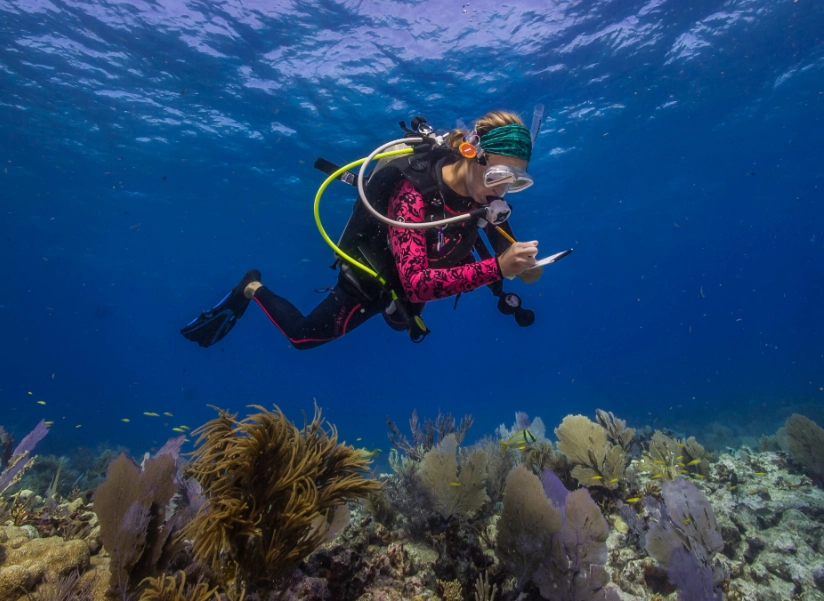
| Action | What It Does | Getting Started |
|---|---|---|
| Report Your Sightings | Turn your snorkel into a data collection tool. Scientists use crowd-sourced data to track species health, invasive species, and bleaching events. | Use apps like iNaturalist or SeaLife Watch. Simply upload your photos with location. Your casual snap can contribute to global research. |
| Choose Sustainable Seafood | Overfishing devastates marine food webs. Your dinner plate choices directly impact the health of the ecosystems you just visited. | Consult the Monterey Bay Aquarium Seafood Watch guide (website or app). Look for their "Best Choice" options when shopping or dining out. |
| Support Reputable NGOs | Financial support fuels long-term research, policy advocacy, and community-led conservation projects where you snorkeled. | Donate to or volunteer with organizations like The Ocean Foundation, Coral Reef Alliance, or a local marine park trust. Even small, recurring donations help. |
| Be a Vocal Advocate | Share your positive experience with eco-friendly operators and the beauty of a healthy reef. Peer influence is powerful. | Write detailed reviews highlighting the operator's conservation practices. Share your photos and stories on social media, tagging the responsible operators. |
The goal is to shift from being just a visitor to becoming a stakeholder. When you feel a sense of ownership, your actions naturally align with protection.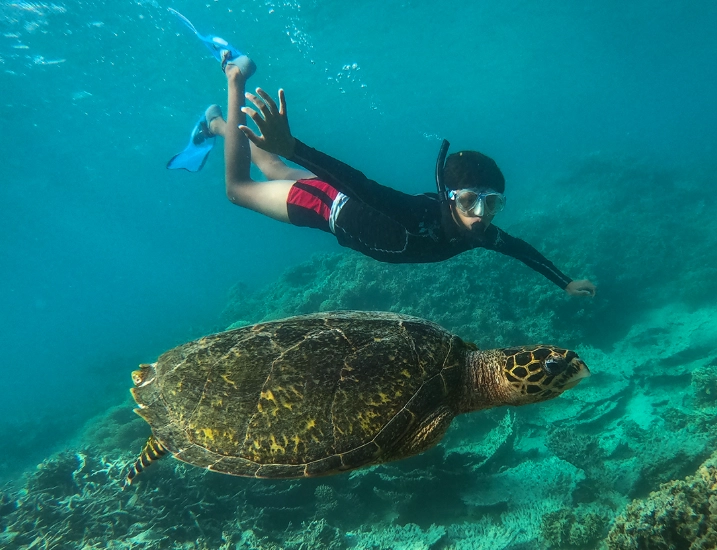
Your Snorkeling Conservation Questions Answered
Snorkeling with a conservation mindset doesn't limit the adventure; it deepens it. You're not just passing through. You're reading the story of the reef, understanding its characters, and choosing to help write a better next chapter. That connection—the shift from observer to guardian—is the most rewarding part of the journey.
Reader Comments