You just had an amazing day in the ocean. The water was clear, the fish were incredible, and your gear worked perfectly. Now you're back at your hotel or home, tired and happy. What's the last thing you want to do? Probably clean that wet, sandy snorkeling equipment. I get it. I've been there, tossing my gear in a corner to "deal with later." That's how I ended up with a snorkel mouthpiece that tasted like a science experiment and a mask strap that snapped after one season.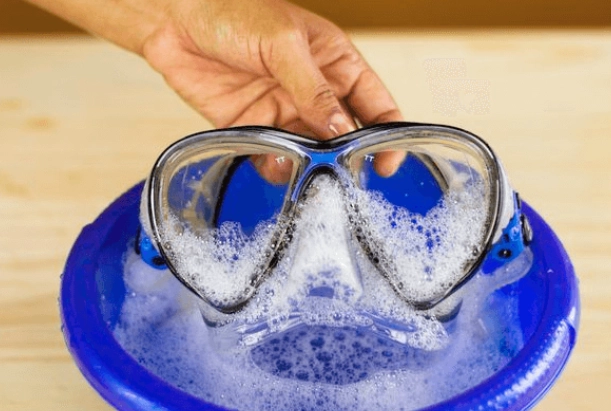
Proper cleaning isn't just about hygiene (though that's a huge part). It's about protecting your investment. A good mask can cost $50-$100, a snorkel $30-$50, and fins even more. Saltwater, sun, sand, and biological gunk are a brutal combination that shortens the lifespan of silicone, plastic, and rubber faster than you'd think.
More importantly, dirty gear is a health risk. Bacteria, fungi, and viruses can thrive in the moist, dark environment of a poorly stored snorkel or mask. The U.S. Centers for Disease Control and Prevention (CDC) has guidelines on recreational water illnesses, and while they don't single out snorkels, the principle is clear: anything that goes in your mouth or touches your face near mucous membranes needs to be clean.
What's Inside This Guide
How to Clean Your Snorkeling Gear After Every Use
This is the bare minimum. Do this religiously, even if you're exhausted. It takes five minutes and saves you hours of scrubbing later.
Find a freshwater source. A hose, a shower, or a large bucket of tap water works. Don't use hot water—lukewarm or cool is fine. Hot water can degrade the silicone skirt of your mask and the plastic of your snorkel.
Step 1: The Initial Rinse. Hold each piece under running fresh water. For the mask, rinse inside the lens and over the skirt and strap. For the snorkel, let water run through the tube and over the mouthpiece. For fins, rinse the foot pocket and the blade, getting rid of all sand and grit.
Step 2: The Gentle Swish. Fill a bucket or sink with fresh water. Submerge your mask and snorkel. Swish them around. This helps displace salt crystals and sand from crevices a direct spray might miss. Don't let your gear soak for hours here—just a minute or two.
Step 3: The Shake and Drip. Give each piece a firm shake to remove excess water. Wipe the lenses of your mask gently with a microfiber cloth (never paper towels, they scratch). Leave everything in a shaded, ventilated area to air dry. Not in direct sunlight, and not in a sealed bag.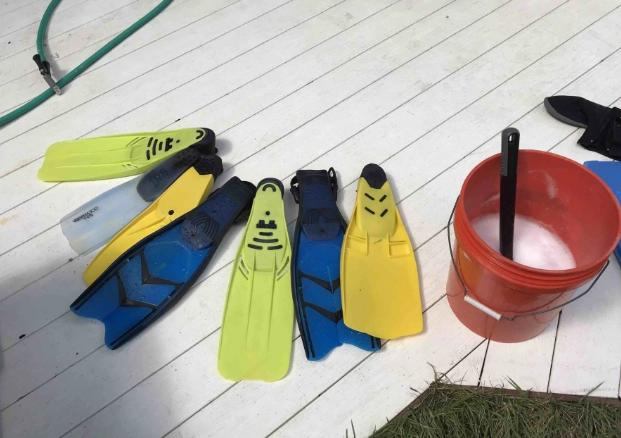
The Deep Clean: A Step-by-Step Guide for Each Piece
You should do a more thorough clean after every few uses, or immediately if you've been in water with lots of sediment, algae, or known contaminants. This is also your go-to method at the start and end of a season.
Cleaning Your Snorkeling Mask
The mask is critical—it's what lets you see the underwater world clearly. Fogging and scratches are the enemies.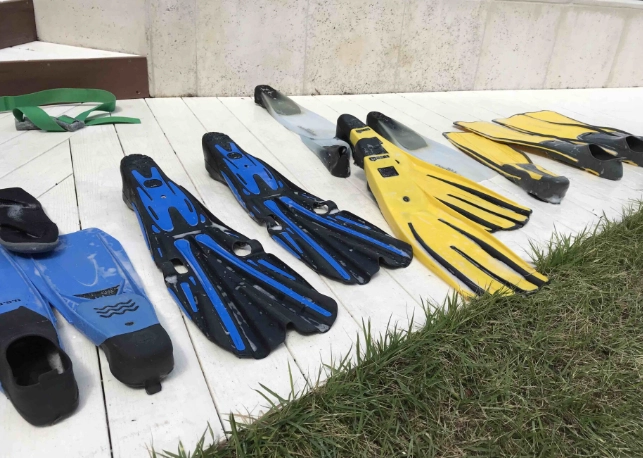
First, remove the strap. This lets you clean the buckle areas and the strap itself. Mix a solution of lukewarm water and a few drops of mild, non-abrasive dish soap (like Dawn) in a basin. Avoid soaps with lotions, degreasers, or strong fragrances.
Submerge the mask. Use your fingers to gently rub the silicone skirt, paying attention to the areas that contact your face and hair. For the lens, never use abrasive pads or brushes. Use a soft cloth or your clean fingertips. Rinse the mask thoroughly under running water until all soap residue is gone. Soap film on the inside lens will guarantee fogging.
For the strap, wash it in the soapy water, rinse, and set it aside.
Cleaning Your Snorkel
This is where most of the germs live. If your snorkel has a purge valve or a dry-top mechanism, pay special attention.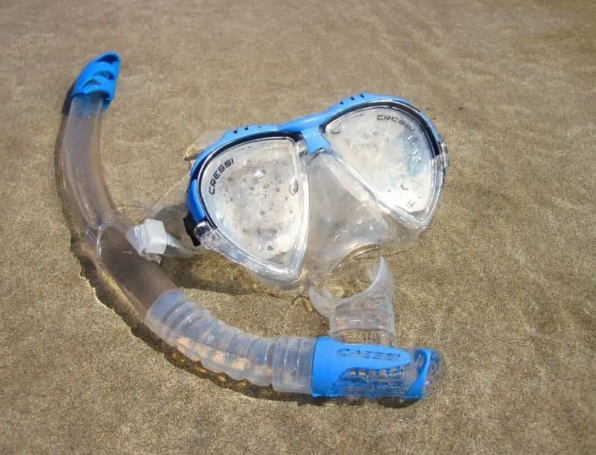
Prepare the same mild soapy solution. Submerge the snorkel. For a simple J-tube snorkel, you can run water directly through it. For a more complex dry snorkel, you need to be gentler. Use a soft, long brush (a baby bottle brush is perfect) to gently scrub the inside of the tube. Focus on the mouthpiece—use your fingers to rub all surfaces, including the bite tabs.
Rinse it more thoroughly than you think you need to. Run clean water through the tube for a good 30 seconds. Any leftover soap will taste terrible next time you use it.
Cleaning Your Snorkeling Fins
Fins are tough but can get smelly, especially closed-heel models.
Rinse off all external sand and dirt. For the foot pocket, turn them inside out if possible (check manufacturer guidelines first). Wash the interior with the mild soap solution and a soft brush to remove salt, sweat, and dead skin cells. This prevents odors and material breakdown. Rinse thoroughly.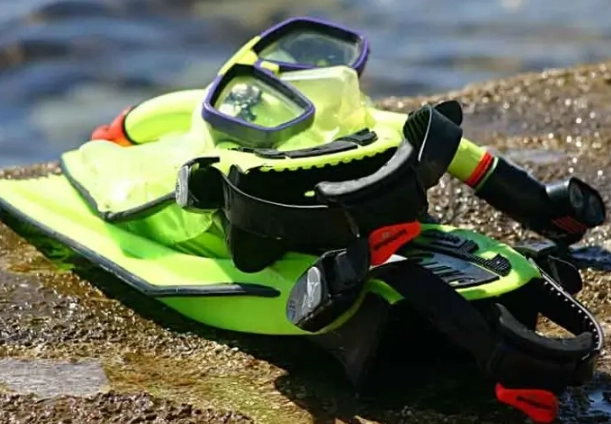
The Critical Step Everyone Forgets: Drying & Storage
This is arguably more important than the wash. Moisture left in dark places equals mold and mildew.
Dry Completely. I mean bone dry. Leave your gear in a well-ventilated, shaded area for at least 24 hours. Hang the snorkel if possible, with the mouthpiece facing down. This lets any trapped water drain out. Don't just lay it on a table where water can pool in the bend. For masks, dry them with the lenses facing up to avoid dust settling on them.
Storage is Key. Once 100% dry, store your gear in a cool, dry place. Don't cram it into a tight mesh bag or sealed plastic tub. Use a breathable storage bag or simply place it on a shelf. Keep it away from direct sunlight, heaters, and harsh chemicals (like in a garage near gasoline or paint).
I made the mistake of storing a slightly damp snorkel in a duffel bag after a trip. Two months later, I opened it to find black speckles of mold growing inside the tube. It was a total write-off.
The 3 Biggest Cleaning Mistakes (And How to Avoid Them)
- Using Hot Water or Direct Sunlight to Dry: Heat is the arch-nemesis of snorkel gear. It makes silicone brittle, causes plastic to warp and crack, and weakens adhesives (like on your mask lens). Always use cool to lukewarm water and dry in the shade.
- Using Harsh Chemicals: Bleach, ammonia, abrasive cleaners, alcohol-based defoggers, or strong solvents will eat away at the materials. They can remove the UV protection on mask lenses and break down the silicone's seal. Stick to mild soap and water.
- Poor Drying Before Storage: Storing gear while damp is an invitation for mold and a funky, permanent smell. That smell isn't just unpleasant; it's a sign of microbial growth. Be patient and let it dry fully.
What to Use (And What to Avoid) For Cleaning
Let's break down your cleaning cabinet options.
| What to USE | What to AVOID | Why |
|---|---|---|
| Lukewarm Fresh Water | Hot Water | Prevents material degradation. |
| Mild Dish Soap (e.g., Dawn) | Bleach, Detergents, Degreasers | Gentle, effective, and rinses clean without residue. |
| White Vinegar Solution (for descaling/disinfecting*) | Rubbing Alcohol, Acetone | Vinegar is a mild acid good for mineral deposits. Harsh solvents destroy materials. |
| Microfiber Cloth | Paper Towels, Abrasive Sponges | Prevents scratches on lenses and delicate surfaces. |
| Soft-Bristled Brush (toothbrush/bottle brush) | Wire Brushes, Steel Wool | Cleans crevices without causing damage. |
*For a vinegar rinse: Mix one part white vinegar with three parts water. Soak gear for 15-20 minutes to kill microbes and break down hard water/mineral deposits. Rinse extremely thoroughly afterward.
Your Snorkel Gear Cleaning Questions Answered
Can I use dish soap to clean my snorkeling gear?
Yes, but you have to be picky. Use a mild, non-abrasive, and non-moisturizing liquid dish soap. The kind labeled "gentle" or "for sensitive skin" is often a good bet. The goal is to cut through salt and oils without leaving a film. Avoid anything with added lotions, heavy fragrances, or degreasing power for pots and pans. These additives can coat your mask lens (causing fog) or break down silicone over time. Rinse with more water than you think is necessary.
How do I get the black mold out of my snorkel tube?
This is a common and frustrating problem. First, assess the damage. If it's surface-level speckles, you can try to salvage it. Make a stronger vinegar solution (1:1 with water) and let the snorkel soak for an hour. Use a long, soft brush to scrub the interior vigorously. Rinse for several minutes. If the mold stains are deep or the silicone mouthpiece is porous and stained, it's often a sign the material has broken down. Mold roots can penetrate soft plastics. For health reasons, if you can't get it 100% visually clean and odor-free, it's time to replace the snorkel. Prevention—thorough drying—is the only real cure.
Is it okay to clean my snorkel and mask in the washing machine or dishwasher?
Absolutely not. This is a surefire way to ruin your gear. The intense heat, harsh detergents, and powerful jets in dishwashers will warp plastic, melt adhesives, and shred silicone. Washing machines add brutal agitation into the mix. The repair or replacement cost will far exceed the minute you saved by not washing it by hand.
How often should I do a deep clean vs. a simple rinse?
Think of it like this: the freshwater rinse is for every single use, no exceptions. The deep clean with mild soap should happen after every 3-5 uses, or immediately after snorkeling in particularly murky, sandy, or algae-filled water. Also, always do a deep clean before storing your gear for an extended period (like at the end of summer). If you're a frequent snorkeler, making the deep clean part of your weekly routine is a good habit.
What's the best way to defog my mask without damaging it?
The best defogger is a clean lens. After washing, avoid touching the inside of the lens with your fingers, as oils from your skin cause fog. For extra protection, use a dedicated mask defog gel or spray. Baby shampoo is a popular, cheap, and gentle alternative. Put a tiny drop inside, smear it over the lens with your finger, then give it a very quick, light rinse in seawater just before you dive in. Avoid commercial anti-fog sprays that contain harsh chemicals, and never use spit if you've just cleaned your mask—you're putting bacteria right back on it.
Cleaning your snorkeling gear isn't glamorous, but it's a fundamental part of the sport. It extends the life of your equipment by years, ensures every trip starts with a clear view and a fresh taste, and most importantly, keeps you safe from waterborne irritants and infections. Treat your gear well, and it will be your reliable companion for countless underwater adventures.
Reader Comments