In This Guide
So you're dreaming of floating next to a school bus-sized fish that's gentler than your neighbor's golden retriever. I get it. The first time I saw a picture of someone swimming alongside a whale shark, I was hooked. But then the practical questions hit: when can you actually do this? Is there even a right time? The short answer is yes, but it's more like a puzzle with pieces scattered across the globe and across the calendar.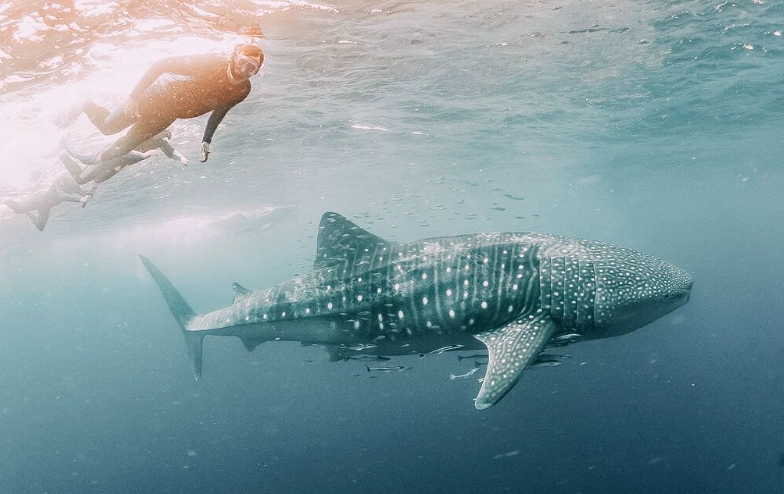
Figuring out what months you can swim with whale sharks isn't just about picking a date. It's about understanding ocean rhythms, animal behavior, and frankly, a bit of luck. I've talked to guides who've been on the water for decades, read a ton of scientific papers (like the ones from the IUCN Red List on their conservation status), and even had a trip where I missed the peak by a single week. It was frustrating, to say the least. That's why I'm putting this together—so you don't have that same sinking feeling.
The Quick Answer (Before We Dive Deep)
You can swim with whale sharks somewhere in the world during almost every month of the year. But the "best" months are entirely location-dependent. There's no single global season. Think of it as a migrating highlight reel that moves from the Caribbean to Asia to the Indian Ocean and back. Your job is to match your calendar to the hotspot.
Why the "When" Matters So Much
This isn't like booking a museum ticket. Whale sharks are wild, migratory animals. Their appearance is tied to two main things: food and water temperature. They follow massive blooms of plankton and tiny fish (like tuna spawn). So when you're asking "what months can you swim with whale sharks," you're really asking, "when does the buffet open for them in this specific part of the ocean?"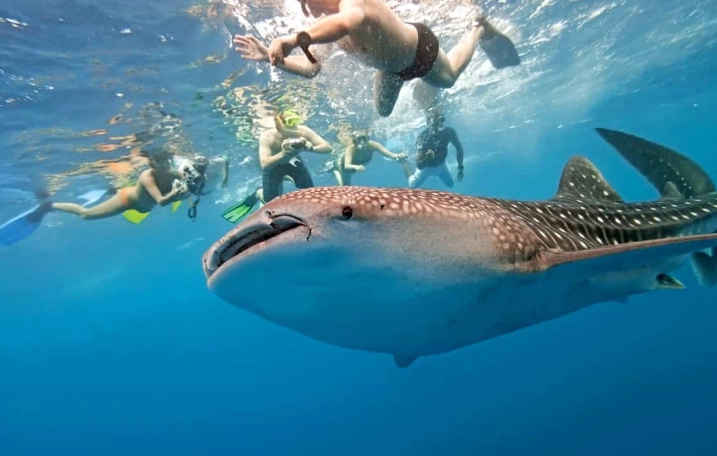
Get the timing wrong, and you might see crystal clear blue water and nothing else. Get it right, and you could be in the middle of what feels like a shark convention. The difference is stark.
It also affects your experience. Peak season often means more boats, more people. Shoulder season might mean fewer sightings but a more peaceful vibe. It's a trade-off.
The Top Destinations: A Month-by-Month Breakdown
Let's get specific. Here’s where the rubber meets the road. I've broken down the major spots, the months you're most likely to succeed, and what you can really expect. I'm also throwing in some personal opinions on the crowd levels and vibe.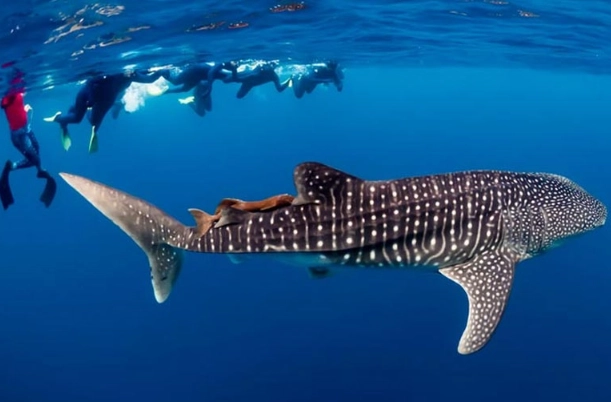
1. Isla Holbox & Isla Mujeres, Mexico
This is the big one. The Caribbean side of Mexico is arguably the most famous place on earth to answer the question of what months you can swim with whale sharks. The aggregation here is simply massive.
| Months | Likelihood | Conditions & Notes |
|---|---|---|
| June to September | Very High | This is the absolute peak. The water is warm, plankton is thick, and sightings are almost guaranteed on tours. July and August are bonkers busy. |
| May & October | Moderate to High | Shoulder seasons. The sharks are arriving or starting to leave. You might have fewer boats to share the space with, which is a huge plus in my book. |
| November - April | Very Low to None | Forget it. They're gone. The Mexican government officially closes the season to protect the sharks. Any operator offering trips is breaking the law. |
The Mexican government and researchers have done a great job managing this. The season is strict, and the rules (like no touching, no sunscreen before entering) are enforced. You can read about the official guidelines and conservation efforts on the CONANP (National Commission of Natural Protected Areas) website. It's a good model of how tourism can work.
2. Ningaloo Reef, Western Australia
The other heavyweight champion. While Mexico is a seasonal gathering, Ningaloo offers a more predictable, reef-based experience. The season is beautifully contained.
Core Season: March to August. The absolute sweet spot is April through July.
What's fascinating here is the ecological trigger. It's tied to the coral spawning event, which happens around March/April. This creates a plankton bloom that draws the sharks in and keeps them hanging around the reef for months. It's a slower, more relaxed season compared to Mexico's summer frenzy. The water is cooler, and you'll likely be wearing a wetsuit.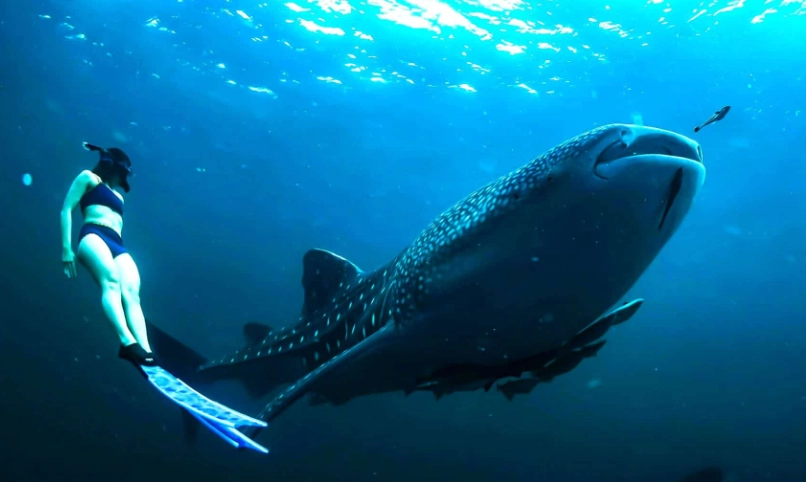
I've heard from friends that the operations out of Exmouth and Coral Bay are incredibly professional, with a strong emphasis on research. The Department of Parks and Wildlife site has solid info on the marine park regulations.
3. Oslob, Cebu & Donsol, Sorsogon (Philippines)
The Philippines is complex because it has two very different types of encounters.
Donsol: This is the natural, wild encounter. The season runs from November to June, with February to May being prime time. Donsol is where you go to see them behaving naturally, filter-feeding. It's a safari-style experience—you search for them from a boat. Some days you see many, some days none. That's the wild.
Oslob, Cebu: Here, the question of what months you can swim with whale sharks has a different answer: year-round. Why? Because the sharks are provisioned (fed) to keep them in the area. This is the most controversial spot on the list.
A Necessary Reality Check on Oslob
I have to be honest here. While Oslob guarantees a sighting, many conservationists and biologists are deeply concerned about this practice. It alters the sharks' natural migration and feeding behavior. The World Wide Fund for Nature (WWF) has published studies raising concerns about the long-term impacts. If an ethical, natural encounter is important to you (and it should be), Donsol is the better Philippine choice. Oslob feels more like a theme park attraction, and not in a good way.
Other Notable Spots for Your Calendar
- Mafia Island, Tanzania: October to March. The Indian Ocean's hidden gem. Less crowded, pristine.
- South Ari Atoll, Maldives: Year-round, but best August to November. Unique because a resident population lives there. You can see them on a liveaboard dive trip anytime, but the larger groups show up in that late-year window.
- Utila, Honduras: March to April. A shorter, less predictable season, but a great option for divers already in the Bay Islands.
- Galapagos Islands, Ecuador: June to November. This is for the hardcore divers. The sharks here are often deeper, and currents are strong. Not a snorkeling-first destination.
See the pattern? The world offers a patchwork of seasons. If your heart is set on July, Mexico or the Maldives are your bets. Dreaming of a December trip? Look at the Philippines or Tanzania.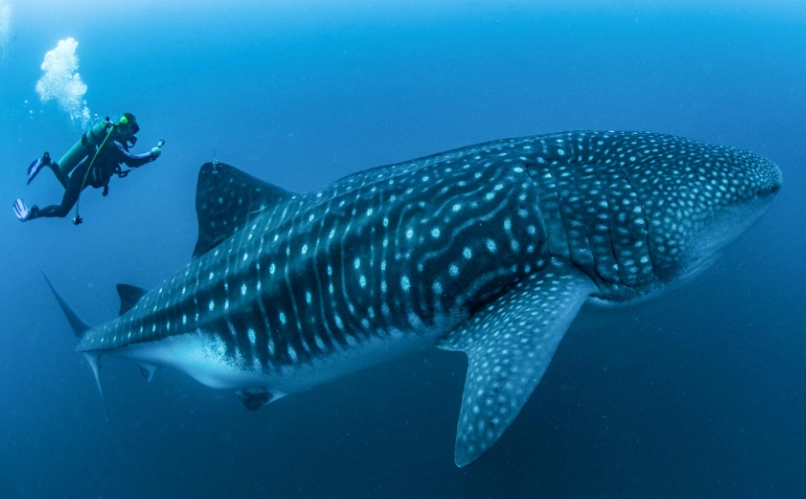
The Booking Guide: When to Plan Your Trip
Knowing the whale shark months is half the battle. The other half is actually getting on a good boat. This is where people mess up.
My Top Booking Tip
For peak season in popular places (Mexico in July, Australia in June), book your tour at least 3-4 months in advance. The best operators with the best guides and the best ethics sell out fast. I'm talking about the small outfits that limit group sizes. Don't wait until you land.
For shoulder season, you might have a bit more flexibility—maybe 4-6 weeks out. But honestly, booking early never hurts. It locks in your price and gives you peace of mind.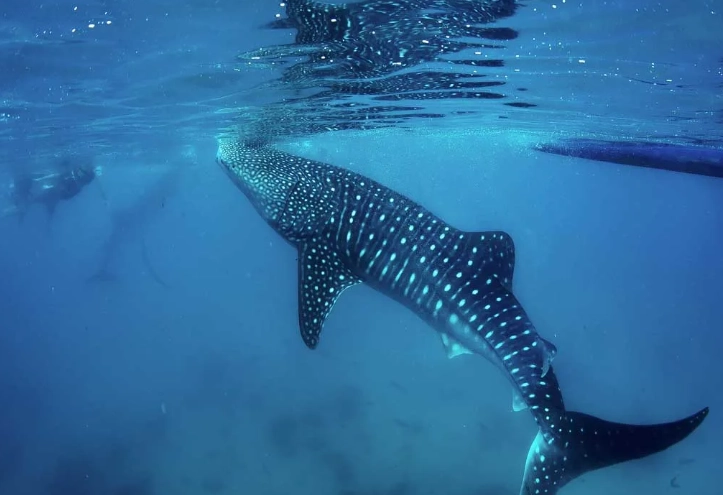
How to Choose an Operator (The Right Way)
Don't just pick the cheapest one. Please. A bad operator can ruin the experience for you and harm the sharks. Here’s what to look for:
- Code of Conduct: They should brief you thoroughly on the rules (stay 3-4 meters away, no touching, no flash photography).
- Boat Limit: How many swimmers per shark? 4-6 is good. 10+ is a circus.
- Researcher Collaboration: Do they contribute to ID databases? The best ones do.
- Small Groups: This is the biggest indicator of a quality experience.
You can often find operators affiliated with research projects like Wildbook for Whale Sharks, a global photo-ID database. Supporting them is a great choice.
Your Questions, Answered (The Real Stuff People Worry About)
Is there a "best" month among the best months?
It depends on what you value. For absolute highest chance: July in Mexico, June in Australia, April in the Philippines (Donsol). For fewer crowds and still good odds: June or September in Mexico, May in Australia, May in Donsol. I lean towards the shoulder seasons every time.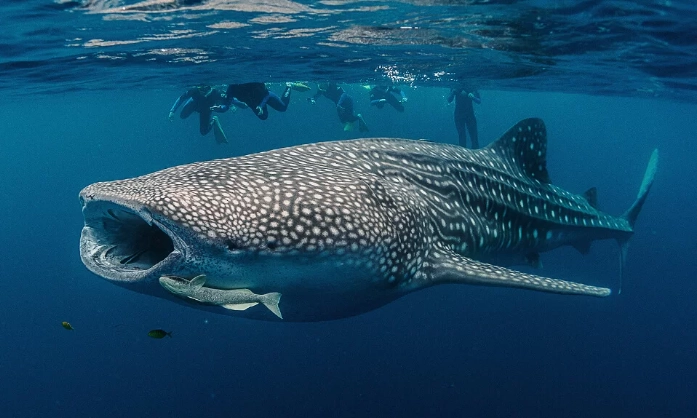
What if I can only travel in the "off-season"?
Your options shrink, but don't disappear. The Maldives is your most reliable year-round bet. Southern Philippines (Oslob) is also year-round, but with the ethical caveats we discussed. It's worth checking if any new research points to emerging, lesser-known spots.
How many whale sharks will I see?
This is the million-dollar question with no guaranteed answer. In peak season in Mexico or Ningaloo, seeing 10-20 in a day is possible. Sometimes you'll see 3 or 4. In Donsol, it's a true safari—you might see 15, you might see zero. Manage your expectations. You're going to see wild animals, not a zoo exhibit.
Is it safe?
Yes. Whale sharks are filter feeders. They have thousands of tiny teeth, but no interest in biting you. The real risks are typical ocean risks: sunburn, seasickness, getting bumped by another swimmer or a boat. Listen to your guide.
What about weather messing up the season?
Ah, the wild card. A late-season hurricane in the Caribbean, an unusual cyclone in the Indian Ocean—these can disrupt plankton blooms and shark movements. This is why travel insurance that covers "adverse weather" or "operator cancellation" is non-negotiable. I never book a major trip without it.
The Bigger Picture: Swimming With Them Responsibly
Look, this isn't just about getting the perfect Instagram shot. Whale sharks are endangered. Our desire to see them has to be balanced with their need to just exist without stress.
When you're figuring out what months you can swim with whale sharks, also think about how you'll swim with them.
Choose operators who put the animal first. Don't chase the shark. Don't touch it. Use reef-safe sunscreen. Your actions directly impact whether this incredible experience remains available for future generations. The WWF's page on whale sharks is a sobering reminder of the threats they face, from ship strikes to plastic pollution.
It's a privilege, not a right.
Pulling It All Together: Your Decision Checklist
- Lock in your travel window first. What months are you free?
- Match your window to the destination map above. Does July mean Mexico? Does January mean Tanzania?
- Research 3-5 operators in that destination. Read recent reviews, not just the shiny ones on their website. Ask them direct questions about group size and ethics.
- Book the tour early, then book flights/lodging. The tour is the critical, non-negotiable piece.
- Pack for success: A dark-colored wetsuit or rash guard (sharks see contrast), a GoPro with a floaty handle, seasickness pills just in case, and a ton of patience and respect.
So, what months can you swim with whale sharks?
You now have the full map. It's a year-round possibility if you're willing to follow the migration. The magic happens when your calendar, your destination, and a bit of oceanic luck all line up. Do your homework, book responsibly, and go in with an open mind. You're not just ticking off a bucket list item—you're visiting the gentle giants of the sea on their own terms, in their own time.
And trust me, when you're in the water with one, time will stop anyway.
Reader Comments