Quick Navigation
- Why Snorkel Cozumel on Your Own? (The Real Reasons)
- Getting Started: The Pre-Trip Homework You Can't Skip
- The Best Spots for Snorkeling Cozumel on Your Own
- The Safety Talk: Currents, Navigation, and Common Sense
- Logistics: Getting Around, Eating, and Making a Day of It
- Answering Your Big Questions (FAQ)
- Wrapping It Up: Your DIY Snorkeling Day Checklist
So you're thinking about skipping the crowded tour boat and exploring Cozumel's underwater world by yourself. Good for you. I had the same thought a few years back. Tired of being herded around with twenty other people, all splashing at the same time, I decided to figure out how to do it solo. Let me tell you, snorkeling Cozumel on your own is a completely different experience. It's quieter, more personal, and on your own schedule. But it's not without its hiccups. You need to know where to go, what to watch out for, and how to not be "that tourist" who causes a scene. This guide is everything I wish I'd known before my first independent foray into Cozumel's reefs.
The idea of DIY snorkeling can be intimidating. The ocean is big, and Cozumel's currents are no joke. But with a bit of planning and the right info, it's not only doable, it's often way more rewarding. You're not just a passenger; you're the captain of your own little aquatic adventure. This isn't about reckless independence. It's about informed, responsible exploration. We'll cover the spots you can actually access from shore, the gear you really need, the safety rules you absolutely must follow, and yes, even where to find a decent fish taco afterwards.
Why Snorkel Cozumel on Your Own? (The Real Reasons)
Everyone talks about saving money, and sure, that's a perk. A decent snorkel tour can run you $50-$80 per person. Renting gear for a day might cost you $15. The math is simple. But the real reasons go deeper than your wallet.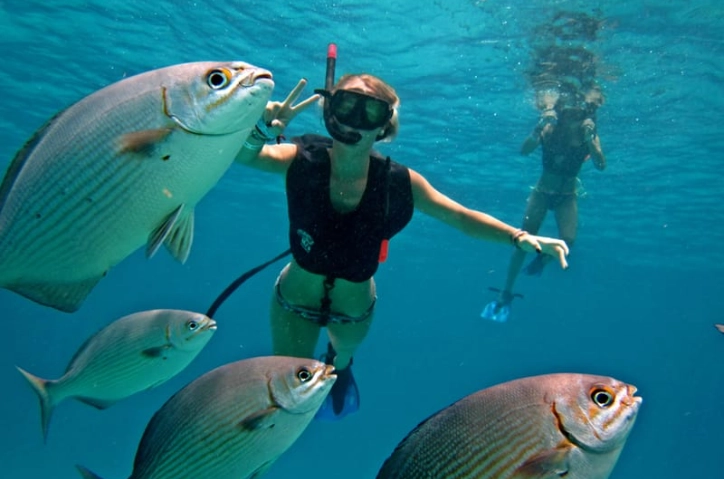
Freedom is the big one. Want to spend an hour following a single angelfish? Go ahead. Found a quiet corner of a reef you love? Stay as long as you want. No guide is blowing a whistle to tell you it's time to move on. Your pace, your rhythm. That's priceless. The second reason is intimacy. Without the noise and bubbles from a herd of snorkelers, you hear more—the crunch of parrotfish eating coral, the distant crackle of the reef. You see more too. Wildlife is less skittish. On my last solo trip to Dzul Ha, I floated peacefully for twenty minutes while a hawksbill turtle munched on sponge barely an arm's length away. On a tour, that turtle would have been long gone.
Of course, it's not all serene turtle encounters. The responsibility is all yours. Navigating, checking your position, managing your energy, assessing conditions. That can feel heavy if you're not prepared. But that's what we're here for.
My Personal Take: I've done both. The tours are great for a stress-free, social day. But when I truly want to connect with the ocean, I go alone. The first time I successfully planned and executed a full day of snorkeling Cozumel on my own, the sense of accomplishment was almost as good as the snorkeling itself. Almost.
Getting Started: The Pre-Trip Homework You Can't Skip
Jumping in without a plan is a surefire way to have a bad time. This is the boring but essential part.
Understanding Cozumel's Marine Park & Rules
Cozumel isn't a free-for-all. Most of the famous reefs are part of the Cozumel Reefs National Marine Park. This is a good thing—it means the ecosystem is protected. As an independent snorkeler, you must respect these rules. You'll need to pay a park fee if you access the water from certain points (like Chankanaab). The fee is small and funds conservation. Think of it as your contribution to keeping the reef alive for your next visit. The park's website has current fee info and maps, which are worth a glance. The key rules? No touching or standing on coral. No feeding fish. No taking anything (shells, coral, sand) from the park. Simple, common-sense stuff that some people still ignore, unfortunately.
Gearing Up: Rent or Bring?
Unless you're a gearhead, I recommend renting on the island. Lugging a mask, snorkel, and fins through airports is a pain. Cozumel has dozens of dive shops that rent quality gear. My advice? Go to a dedicated dive shop, not a random beach shack. The fit and maintenance are better. A proper mask seal is the difference between a magical experience and a frustrating, leaky one. Test the mask before you leave the shop—press it to your face without the strap, inhale slightly through your nose. It should stick. If it doesn't, try another.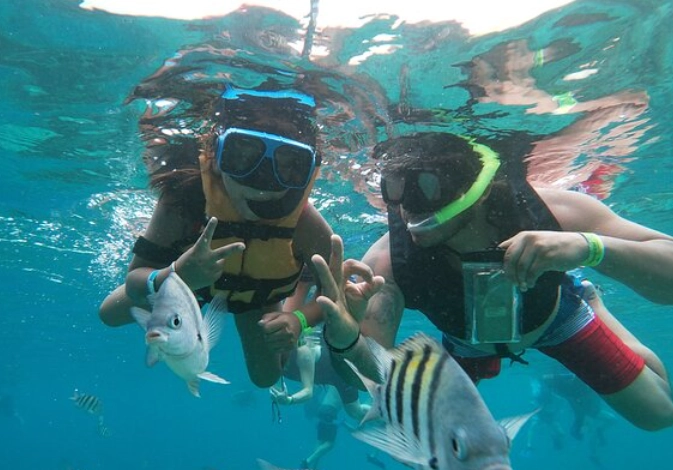
Here's my essential gear list for a DIY day:
- Mask, Snorkel, Fins: Obvious. Get open-heel fins with adjustable straps if possible; they're more comfortable for walking on shore.
- Rash Guard or Snorkel Vest: This is non-negotiable for me. A thin rash guard protects your back from sunburn (the worst kind of souvenir) and offers a tiny bit of buoyancy and warmth. A snorkel vest, even if partially inflated, is a fantastic safety net for tired swimmers.
- Waterproof Dry Bag: For your keys, phone, wallet, and a towel. Leave passports in the hotel safe.
- Reef-Safe Sunscreen: Please. The stuff that says "oxybenzone-free" and "reef-friendly." Apply it at least 30 minutes before getting in the water. Your skin and the coral will thank you. The National Park Service has good info on why this matters.
- Water Shoes: Many entry points are rocky. Trust me on this.
Gear Mistake I Made: I once rented fins that were too small because "they'll do." After an hour, I had blisters that ruined the next two days of snorkeling. Don't be like me. Take the time to get gear that fits perfectly.
The Best Spots for Snorkeling Cozumel on Your Own
Not every amazing reef is accessible from shore. Some require a boat. But don't worry, the shore-accessible spots are spectacular in their own right. Here’s a breakdown of the top contenders.
| Spot Name | Location (South/North) | Key Features & Marine Life | Best For | Access Notes & Cost |
|---|---|---|---|---|
| Playa Palancar | Southwest Coast | Sandy beach entry, shallow reef close to shore, lots of sergeant majors, parrotfish, occasional rays. | Beginners, families, a relaxed day combining beach and snorkel. | Free public beach. Palms for shade. Restaurants/bars nearby. Can get crowded on weekends. |
| Playa San Francisco | Southwest Coast | Wide, beautiful beach. Rocky areas at the northern end host coral heads with good fish diversity. | Beach lovers who want a quick, easy snorkel without much effort. | Small entrance fee (covers facilities). Loungers, bathrooms, food service. More developed. |
| Playa Corona | Southwest Coast (near Dzul Ha) | Small, local-feeling beach. Reef starts very close to shore. Known for turtles, especially in the seagrass beds. | Snorkelers prioritizing wildlife sightings (turtles!) in a low-key setting. | Free entry. Small restaurant/bar. Limited shade. Popular with locals. |
| Dzul Ha (The Money Bar) | Southwest Coast | Not a beach—a rocky, ladder entry. But arguably the best shore snorkeling on the island. Deep wall starts close, incredible coral formations, huge variety of fish, frequent turtle and ray sightings. | Serious snorkelers comfortable with deeper water and ladder entries. The underwater payoff is huge. | Free water access if you buy a drink/food at the Money Bar restaurant. Excellent facilities, showers, secure area. |
| Sky Reef | Southwest Coast | Similar setup to Dzul Ha—ladder entry off a dock. Beautiful, healthy coral gardens in relatively shallow water. Very reliable spot. | Those who want a guaranteed good snorkel with easy in/out access and good amenities. | Small fee or food/drink purchase at the beach club. Showers, lockers available. |
| Playa Azul (North) | Northern Hotel Zone | Sandy beach with a long, shallow sandbar leading to a rocky reef area. Calmer waters on leeward side. | Beginners or those staying in the northern hotels looking for convenient access. | Access may be through hotel (as a guest or day-pass). Calmer waters than west coast. |
My personal favorite for snorkeling Cozumel independently is Dzul Ha. The entry is a bit awkward (climbing down a ladder with fins on is a skill), but the second you put your face in the water, you forget all that. It's a vertical wall covered in sponges, gorgonians, and hard corals. Schools of grunts, solo trumpetfish, and always the chance of something bigger cruising by. I've had better consistent sightings here than on some boat tours.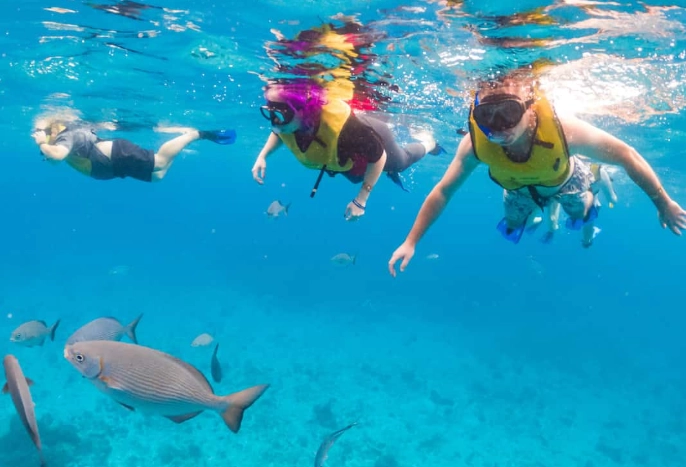
Playa Corona is a close second for its turtle probability. Just swim out over the seagrass, go slow, and look. They're often there, munching away.
The Safety Talk: Currents, Navigation, and Common Sense
This is the most important section. Cozumel's reefs are on the western side, which means they're exposed to the open Caribbean. The prevailing current runs north to south. It can be strong. This isn't a gentle lake.
Respecting the Current
On a tour, the boat follows you. On your own, you have to plan for it. The classic strategy for snorkeling Cozumel on your own is the "drift and walk" method. Enter the water at an upstream point (north), let the current carry you south along the reef, then get out and walk back up the beach/road to your starting point. This takes zero energy and lets you cover ground. Never fight the current. If you feel yourself being pulled, go with it. Swim diagonally towards shore, not directly against the flow. Always know your exit point before you get in.
The Buddy System (Even Solo)
I know, the whole point is to go alone. But tell someone. Tell your hotel concierge which beach you're going to and when you expect to be back. Or text a friend. "Headed to Dzul Ha, back by 3." It takes ten seconds. If you're traveling with others, use the buddy system in the water. The ocean doesn't care how experienced you are.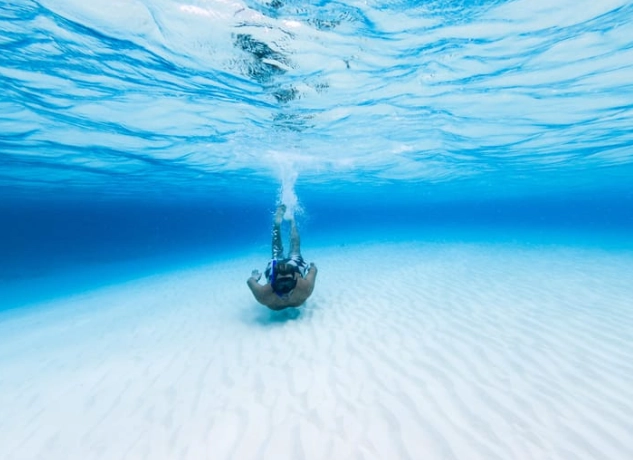
Pro Tip: Watch the tour boats. They're not just for envy. Where they drop snorkelers is usually a prime spot. More importantly, observe how the snorkelers drift. It gives you a live map of the current's strength and direction.
Weather and Conditions
Check the forecast. Wind from the north or west can churn up the water on the west coast, reducing visibility. A little chop is okay, but if it's white-capping, maybe save your DIY snorkeling Cozumel adventure for another day and visit the east side beaches instead. The Mexican National Commission of Natural Protected Areas (CONANP) sometimes posts advisories, but local dive shop staff are your best real-time resource. Pop in and ask, "How's the vis on the west side today?"
Logistics: Getting Around, Eating, and Making a Day of It
You've got your gear, you've picked your spot. Now how do you make it happen smoothly?
Transportation: Rent a car or a scooter. A car is safer and more comfortable for carrying gear. The main road along the west coast (Carretera Costera Sur) is easy to drive and has all the beaches listed above. Taxis are plentiful but getting from spot to spot adds up. With a car, you can do a multi-stop snorkel safari.
The Daily Rhythm: Start early. The water is calmer, the light is better for seeing colors, and you beat the cruise ship crowds (and the midday heat). Snorkel for an hour or two. Get out, hydrate, reapply sunscreen. Relax. Go back in. Listen to your body. Cramps and exhaustion are real dangers.
Sustenance: Pack water. More than you think you need. Dehydration sneaks up on you. Many of the beach clubs (Money Bar, Sky Reef, Playa Palancar) have great, affordable food. A cold cerveza and some ceviche after a morning in the water is a ritual for a reason.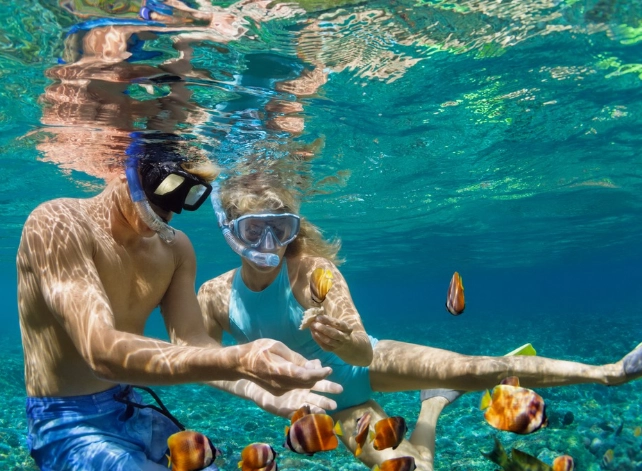
"The freedom of snorkeling Cozumel on your own isn't just about avoiding a schedule. It's about creating your own perfect day: a morning dive on the reef, a long lunch in the shade, an afternoon nap to the sound of waves, and maybe one more sunset swim if you're feeling it. That's the magic."
Answering Your Big Questions (FAQ)
Is it safe to snorkel alone in Cozumel?
It can be, if you are a competent swimmer, respect conditions, stay close to shore, and use common sense. It is inherently riskier than being with a guide or buddy. The main risks are currents, boat traffic (stay within swimming areas marked by buoys), and overexertion. If you have any doubts about your swimming ability, stick to the very shallow, protected areas like Playa Palancar or take a tour.
Can I see turtles and rays snorkeling from shore?
Absolutely. Turtles are frequently seen in seagrass beds, which are common near shore. Playa Corona and Dzul Ha are probably your best bets. Rays, especially southern stingrays and spotted eagle rays, are also common but more of a lucky sighting. I've seen more rays at Dzul Ha than anywhere else.
What's the one thing most people forget?
A hat and a long-sleeve shirt for after you get out. Your back will be toast after floating face-down for hours, even with sunscreen. A dry, loose shirt is heaven.
Is the DIY approach hurting the reef?
If done responsibly, no. In fact, a mindful independent snorkeler can have a lower impact than a large tour group. The key is the "responsible" part: no touching, reef-safe sunscreen, no littering, and paying required park fees that fund conservation. You're a guest in their home.
Wrapping It Up: Your DIY Snorkeling Day Checklist
Let's condense this all into a final action list. Print this, screenshot it, whatever.
The Morning-Of Checklist for Snorkeling Cozumel on Your Own:
- Check Conditions: Look at the water from your hotel or ask a local. Windy? Choppy?
- Pick Your Spot: Based on conditions and your mood. Calm? Go Dzul Ha. Want beach time? Palancar.
- Pack the Bag: Gear (mask, snorkel, fins, vest), towel, DRY BAG with phone/cash/keys, WATER (2 liters), reef-safe sunscreen, water shoes, hat & cover-up.
- Tell Someone: Quick text or note about your destination and ETA.
- On Site: Observe current (flags, other swimmers). Identify your exit point DOWNSTREAM. Pay any fees.
- Enter & Enjoy: Gear up, wade in, relax. Breathe. Look. Don't touch.
- Exit & Reset: Get out before you're tired. Hydrate. Eat. Reapply sunscreen. Repeat if desired.
- Log Out: Let your contact know you're back. Rinse your gear with fresh water later.
Snorkeling Cozumel on your own is an adventure that rewards preparation. It gives you a deeper connection to the place, both above and below the water. It's not the easiest way, but in my opinion, it's the best way. You trade a bit of convenience for a whole lot of soul. Just be smart about it, respect the ocean, and you'll come home with stories—and photos—that are entirely your own.
See you out there.
Reader Comments