Quick Navigation
Let's be real. When you think of Arizona, you picture saguaro cacti, red rocks, and a whole lot of dry heat. Snorkeling? Not exactly the first activity that springs to mind. I used to think the same thing, staring out at the Phoenix asphalt shimmering in the summer, wondering if the closest I'd get to a fish was the tilapia at the grocery store.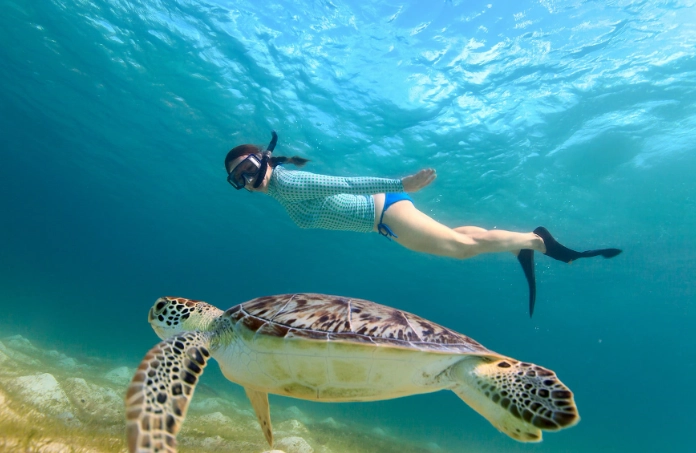
But here's the secret that took me a while to discover: you don't have to get on a plane to Hawaii or Mexico to find fantastic snorkeling. There are some genuinely incredible underwater worlds waiting just a few hours' drive from the heart of the desert. Planning snorkeling day trips near Arizona is not only possible, it's one of the best ways to beat the heat and experience something completely different without a huge time commitment.
This guide is born from my own trial and error, sunburns, and a few surprisingly amazing discoveries. We're going to break down the real, viable options for a day of snorkeling when you're based in Arizona. We'll look at the obvious coastal choices, the hidden desert gems most people overlook, and everything you need to know to plan a smooth, memorable adventure. Forget the generic lists you see elsewhere; this is the practical, from-the-ground (or should I say, from-the-water) perspective.
Your Top Destinations for a Snorkeling Day Trip from Arizona
The big question: where do you actually go? The drive time is the main constraint for a true day trip. For me, anything over 5-6 hours one way starts to feel less like a day trip and more like a marathon. So let's focus on spots you can realistically reach, snorkel for a few glorious hours, and get back home without needing a hotel.
The California Coast Contender: La Jolla Cove, San Diego
For Phoenicians, this is the classic choice. The drive from Phoenix to San Diego is about 5.5 to 6 hours, which makes for a very long but doable day. You'll need an early start—think 4 AM—but the payoff is one of Southern California's most famous snorkel spots.
La Jolla Cove is a protected marine reserve, part of the San Diego City Parks system. The water is often clearer than other beach areas, and the underwater landscape is a maze of sandstone canyons and kelp forests. I've seen garibaldi (California's bright orange state fish), leopard sharks (harmless!), bat rays, and huge schools of bass. The cove itself is small and can get insanely crowded on weekends, especially in summer. Parking is a nightmare and often expensive. My personal strategy? Aim for a weekday, get there by 9 AM at the latest, and be prepared to walk a bit from your car.
Is it worth the long haul for a snorkeling day trip near Arizona? If you've never done it and crave that classic Pacific Ocean experience, absolutely. But the long drive back after a day in the sun is no joke.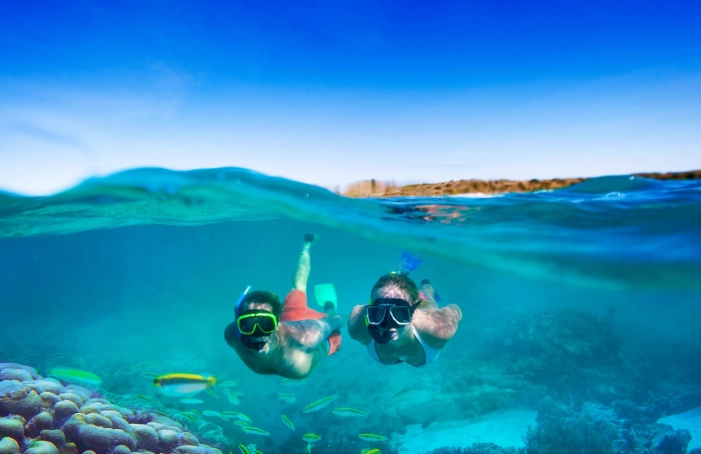
The Surprising Inland Oasis: Lake Pleasant
Wait, snorkeling in a lake? Near Phoenix? Hear me out. For a quick, no-fuss dip to practice or beat the heat, Lake Pleasant Regional Park is a legitimate option. The visibility is, well, lake visibility—don't expect Caribbean clarity. It's often 5-10 feet on a good day. But on calm mornings, especially around the rocky coves and old submerged structures (remnants from before the lake was raised), you can see largemouth bass, sunfish, and carp.
It's not about vibrant coral reefs. It's about convenience, freshwater buoyancy practice, and the novelty of snorkeling with a backdrop of desert hills. It's also significantly cheaper than driving to California. Just be mindful of boat traffic; stick close to shore in designated areas and use a dive flag. This is the most accessible option for a last-minute snorkeling day trips near Arizona, especially if you live in the Valley.
The Hidden Gem: Blue Water Springs (and Similar Desert Springs)
This is where the adventure ramps up. Scattered across Arizona and neighboring states are a handful of precious, spring-fed bodies of water. Their clarity can be astounding—like swimming in an aquarium. Places like the now-closed (and sorely missed) Montezuma Well or certain springs require research, permits, and a strong commitment to Leave No Trace ethics.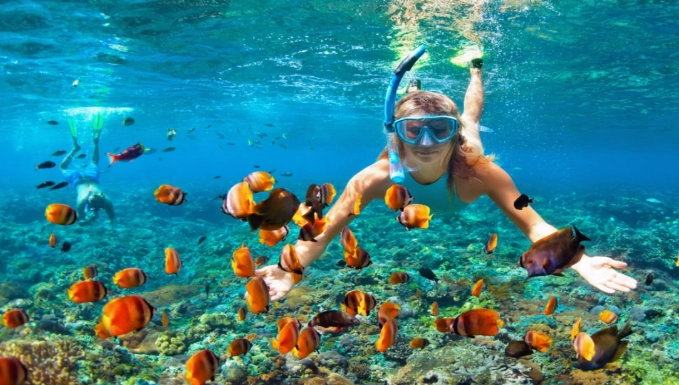
The water is cold, often around 70°F year-round. The ecosystems are fragile. Finding specific, accessible locations for snorkeling is tricky because many are protected to prevent damage. My advice? Do deep research on forums and official sites like the Bureau of Land Management (BLM) or US Forest Service. These spots aren't for large groups or partying; they're for quiet, respectful appreciation of a rare desert aquatic environment. The payoff is an experience almost nobody else associates with Arizona.
Pro Tip: When researching these desert springs, look for terms like "first-magnitude spring" or contact local ranger districts. Access rules change frequently to protect these sensitive areas.
Head-to-Head: Comparing Your Day Trip Options
Choosing the right spot depends on what you're after. Are you a hardcore ocean enthusiast, or just want to get wet? This table breaks down the key factors to help you decide.
| Destination | Drive from Phoenix (One Way) | Water Type & Visibility | Marine Life & Environment | Best For... | The Big Catch |
|---|---|---|---|---|---|
| La Jolla Cove, CA | ~5.5 - 6 hours | Saltwater. Good to excellent (15-40 ft). Cold Pacific water. | Kelp forests, garibaldi, leopard sharks, rays, diverse fish. | The classic ocean experience. Serious snorkelers. Wildlife lovers. | Extremely long day. Crowds & parking are brutal. Can be chilly. |
| Lake Pleasant, AZ | ~45 min - 1 hour | Freshwater. Low to fair (5-12 ft). Warmer in summer. | Freshwater fish (bass, carp), submerged structures. | Convenience. Practice. A quick escape from the heat. Families on a budget. | Low visibility. Boat traffic. Not a "tropical" experience. |
| Desert Springs (Research Required) | Varies (1-4 hours) | Fresh spring water. Often exceptional clarity (30+ ft possible). Cold. | Unique endemic species, aquatic plants, geological formations. | Adventurers. Unique experiences. Crystal clear water lovers. Solitude. | Hard to find/access. Fragile environment. Permits often needed. Very cold water. |
| Rocky Point (Puerto Peñasco), MX | ~3.5 - 4 hours | Saltwater (Sea of Cortez). Variable (can be good near reefs/rocks). | Reef fish, occasional sea lions, interesting rock formations. | A shorter international trip. Combining snorkel with beach time. | Visibility highly wind-dependent. Need passport. Best with a guide/boat. |
See? It's all about trade-offs. The ocean has the best life, the lake is easiest, and the springs are the most magical (and challenging).
How to Actually Plan Your Arizona Snorkeling Adventure
Okay, you've picked a spot. Now what? A successful day trip hinges on logistics. Trust me, forgetting something simple like water shoes can ruin your day.
The Gear You Absolutely Need (And What You Can Skip)
You don't need a $500 setup, but don't just grab the cheap drugstore mask either. A leaky mask is misery.
- Mask, Snorkel, Fins: Invest in a decent mask that seals well on your face (try it without the strap, inhale gently—it should stay put). A dry-top snorkel prevents water intake when you dive under. Fins should be snug but not cut off circulation. For lake/spring snorkeling, shorter, more flexible fins are often better for maneuvering.
- Exposure Protection: This is critical, even in Arizona summer. Pacific water is cold. Desert springs are cold. A 3mm wetsuit top or full shorty makes a massive difference in comfort and stamina. For Lake Pleasant in peak summer, a rash guard for sun protection might be enough.
- Safety & Extras: A brightly colored dive flag on a float is non-negotiable in any area with boat traffic (lakes, some coastal areas). A waterproof bag for keys/phone. A gallon of fresh water per person for rinsing off and drinking afterward. Zinc oxide or reef-safe sunscreen for your back and ears.
Heads Up: Many marine protected areas, including some in California, now mandate the use of reef-safe sunscreen (mineral-based, without oxybenzone and octinoxate). Do your part and pick some up—it's better for the environment and often gentler on your skin anyway.
Timing and Seasonality: It's Everything
You can't just go anytime. For coastal snorkeling day trips near Arizona, target late spring through early fall. Why? The water is at its warmest (relatively speaking), and the weather for the drive is predictable. Summer mornings in San Diego are often overcast (“June Gloom”), which can mean calmer water but less underwater light. By afternoon, the sun usually burns through.
For desert springs, late spring to early fall is also ideal because the air temperature is warm, making the cold water more refreshing than shocking. Always, always check conditions the day before. Wind ruins visibility, especially in shallow areas like La Jolla's near-shore reefs.
I learned the wind lesson the hard way. Drove all the way to the coast only to find churned-up, murky water. Total letdown.
Logistics: The Unsexy But Vital Details
- Fuel & Tolls: Calculate your gas. The California trip is a tank-plus each way. Have cash/change for potential toll roads in San Diego (like the SR-73 if you take that route).
- Parking Intel: For La Jolla, research paid lots or be prepared to hunt for street parking blocks away. The lot at the Cove fills by 9 AM. For lakes, have your park entry fee ready ($7 per vehicle at Lake Pleasant as of this writing).
- Sustenance: Pack more food and water than you think you need. A post-snorkel meal is a great reward, but having snacks on hand prevents hanger-induced arguments on the drive home.
Answering Your Big Questions About Snorkeling Near Arizona
Let's tackle the common doubts and curiosities head-on.
Making the Most of It: Final Thoughts from Experience
Planning snorkeling day trips near Arizona has taught me to appreciate the contrasts of the Southwest. One minute you're in arid desert, the next you're floating over a forest of kelp or peering into the impossibly clear eye of a desert spring. It's a special kind of magic.
The key is matching your expectations to reality. Don't expect Bora Bora five hours from Phoenix. Do expect unique, rewarding, and refreshing experiences that will make you see the region in a whole new way.
Start small. Try Lake Pleasant on a weekday morning. If you catch the bug, plan that epic dawn-to-midnight dash to San Diego. And if you're feeling truly adventurous, start digging into the world of desert springs—just promise to treat them with the reverence they deserve.
So grab your mask, check the wind forecast, and hit the road. An underwater escape from the desert heat is closer than you think.
Reader Comments