Let's get this out of the way first: the idea of snorkeling with jellyfish scares most people. And for good reason. We've all seen the photos of painful welts, heard the horror stories. But what if I told you that swimming amidst thousands of pulsating, golden jellyfish can be one of the most serene and magical experiences on Earth—and it can be done with near-zero risk? I've been guiding snorkel trips for over a decade, and the single biggest mistake I see is people painting all jellyfish with the same dangerous brush. The secret isn't just courage; it's knowing exactly which jellyfish are safe, where to find them, and how to prepare. This guide strips away the fear and gives you the actionable, step-by-step plan you need.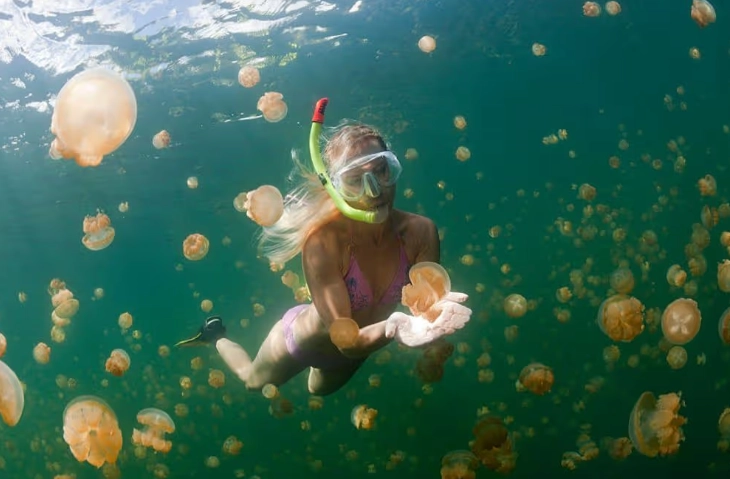
In this article, you'll discover:
Not All Jellyfish Are Created Equal: Your First Lesson in Safety
This is the non-consensus cornerstone. Most generic articles talk about "avoiding jellyfish." That's useless advice. The key is identification and context. The jellyfish you snorkel with in purpose-built destinations are almost always species with stingers so weak they cannot penetrate human skin. Think of them as sea butterflies.
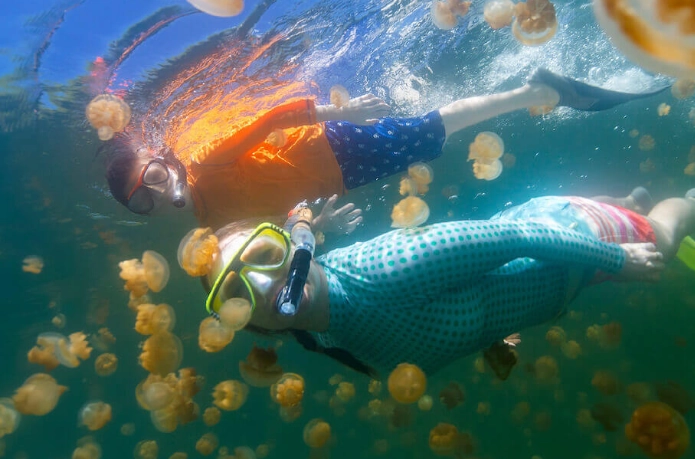
The classic example is the Golden Jellyfish (Mastigias papua etpisoni) of Palau's Jellyfish Lake. They've evolved in isolation with no predators. Their sting is vestigial—a biological relic. Swimming through a swarm of them feels like floating in a galaxy of living, warm marmalade. You feel gentle bumps, not stings.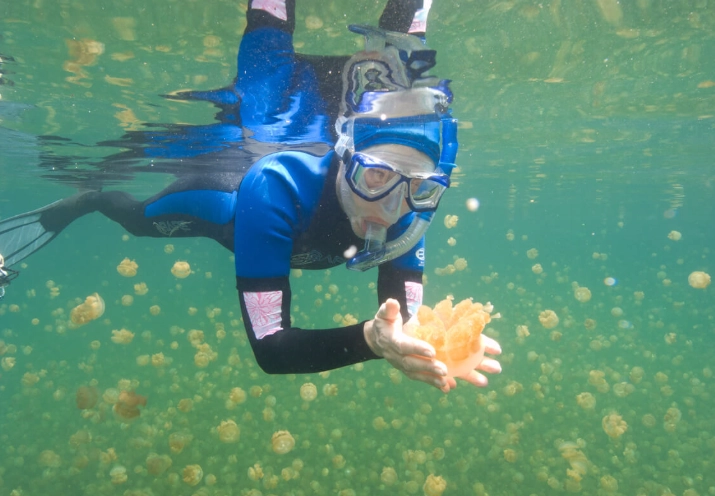
Other common safe species include the Moon Jellyfish (Aurelia aurita), often found in calm bays, and the Lagoon Jellyfish (Mastigias sp.) in various Pacific lakes. Your mission is to confirm the destination's star species is one of these harmless varieties.
How to Prepare for Your Safe Jellyfish Snorkel Adventure
Preparation is what separates a nervous dip from a transcendent experience. It's not complicated, but skipping steps is where people get complacent.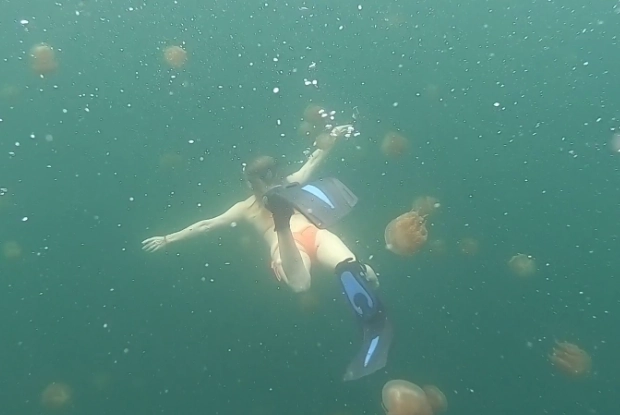
The Non-Negotiable Gear Checklist
You need more than just a mask and snorkel. Here’s the breakdown:
| Gear Item | Why It's Critical | Pro Recommendation |
|---|---|---|
| Full-Coverage Lycra Suit or Rash Guard & Leggings | This is your primary barrier. Even harmless jellyfish tentacles can sometimes cause a slight rash on sensitive skin. Full coverage eliminates 99% of any skin interaction worry. | Don't just get a shorty. Get a long-sleeve top and full-length bottoms. Brands like O'Neill or Rip Curl make great, affordable options. The peace of mind is worth it. |
| Fins with Full Foot Pockets | Protects the top of your feet, a common sting area if something drifts by. Open-heel fins with booties also work. | I prefer closed-foot fins for simplicity. They also prevent sand from getting in. |
| Defogging Solution | You want clear, uninterrupted vision to see the jellyfish and navigate calmly. Fumbling with a foggy mask breaks your focus. | Baby shampoo in a small bottle works better than most commercial products. A tiny drop, rinse slightly, and you're good for hours. |
| Waterproof Camera or Case | You'll want photos. But more importantly, a camera makes you move slowly and deliberately, which is perfect for safe snorkeling. | GoPro or a phone in a reliable case like from DiCAPac. Avoid bulky setups that make you clumsy. |
Notice I didn't list "jellyfish sting lotion" as a must-have. Products like Safe Sea can be an extra layer for peace of mind, but they are not a substitute for physical barriers. Relying on them alone is a mistake I see tourists make.
Mindset and In-Water Technique
Your behavior in the water is your final layer of safety.
- Move Like a Slow-Motion Tai Chi Master: Sudden, jerky movements startle marine life and can cause you to accidentally bump into things. Gentle, fluid fin strokes are the key.
- Practice Buoyancy Control: Before you head to the jellyfish area, practice floating horizontally without kicking up sand or flailing. This keeps you above delicate lakebeds and prevents you from sinking into a cluster.
- Hands to Yourself, Always: This isn't a petting zoo. Never grab, hold, or try to lift a jellyfish out of the water. Their bodies are fragile. Observe with your eyes, not your hands.
- The Entry and Exit: Find the designated entry point, usually a rocky platform or sandy beach. Wade in slowly, checking the immediate area. Don't just jump off a boat blindly.
Where to Go: The Top 3 Safe Jellyfish Snorkeling Destinations
Location is everything. These spots are famous specifically for their safe, predictable populations.
1. Jellyfish Lake (Ongeim'l Tketau), Palau
This is the holy grail. A marine lake separated from the ocean for millennia.
Best Time to Visit: Year-round, but peak numbers are typically during dry season (Nov-Apr).
How to Get There: Access is part of a Rock Islands tour from Koror. You'll need a Palau permit (approx. $100) valid for 10 days, which covers Jellyfish Lake and other sites. Tours cost around $80-150.
The Experience: A 10-minute hike up and over a limestone ridge leads to the lake. The jellyfish migrate across the lake daily with the sun. Snorkeling is permitted, but scuba diving is banned to protect the delicate layer of bacteria that sustains them.
2. Kakaban Lake, Derawan Islands (Indonesia)
A huge brackish lake on Kakaban Island, home to four species of stingless jellyfish, including the upside-down jellyfish.
Best Time to Visit: April to October for calmer seas during the boat trip.
How to Get There: Fly to Balikpapan or Berau, then a boat trip from Derawan or Maratua Island. It's a remote adventure.
The Experience: Less crowded than Palau. The lake is larger, and you can often find yourself in quiet corners with hundreds of jellies. The water is slightly less clear but teeming with life.
3. Honaunau Bay (Two Step), Hawaii (USA)
This one's different—it's an open ocean site. But on calm days, especially in summer, large numbers of harmless spotted jellyfish (often called lagoon jellies) can gather.
Best Time to Visit: Summer months (May-Sept) for calmest water and highest chance of sightings.
How to Get There: Easy drive south of Kona on the Big Island. Park at Two Step, a famous lava rock entry point.
The Experience: This is a classic coral reef snorkel with the bonus of jellies. You'll also see turtles, tropical fish, and maybe dolphins offshore. Always check with local dive shops for recent jellyfish reports before going.
What If Something Goes Wrong? A Realistic Sting Response Plan
Even in safe zones, an unexpected stinging cell (nematocyst) can connect. Panic is your worst enemy. Here's the drill:
- Stay Calm & Exit the Water Safely: Don't thrash. Signal to your buddy and swim calmly to your exit point.
- Rinse with Seawater, NOT Fresh Water: This is critical. Freshwater can cause any remaining unfired stingers to discharge, making it worse. Use seawater to rinse the area.
- Remove Tentacles with a Card, Not Fingers: Use the edge of a credit card, driver's license, or the flat side of a dive knife to gently scrape off any visible tentacle fragments. Do not rub.
- Apply Heat, Not Ice: For most tropical jellyfish stings (like from minor nuisance species), heat deactivates the venom protein. Apply a hot pack or soak the area in hot water (as hot as you can tolerate without burning, 45°C/113°F max) for 20-45 minutes. Research from the University of Hawaii supports this method.
- Seek Medical Attention If: The pain is severe, the rash spreads rapidly, you have difficulty breathing, or you feel nauseous/dizzy. This indicates a potential allergic reaction or a more serious sting.
Carry a small safety kit in your day bag: a credit card, a zip-lock bag (to make a hot pack with warm water), and a basic antiseptic cream.
Your Questions, Answered by a Guide
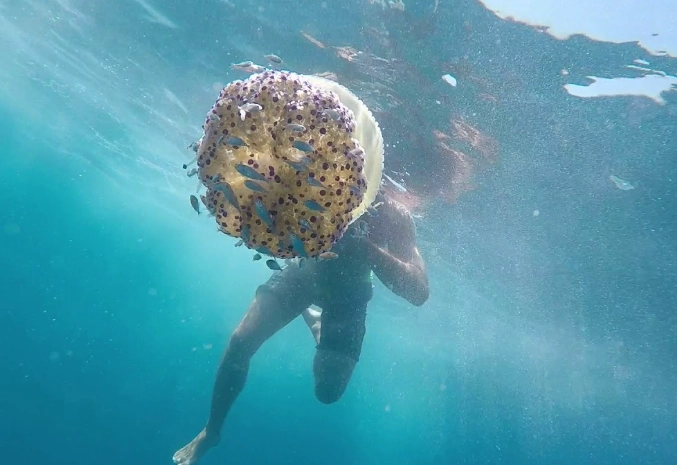
Snorkeling with jellyfish safely isn't about luck. It's a formula: Harmless Species + Correct Location + Proper Gear + Calm Behavior. When you get it right, you're not just swimming with jellyfish. You're floating in a living, breathing piece of planetary history. It’s quiet, it’s strange, and it’s profoundly beautiful. Do your homework, pack that rash guard, and go see for yourself.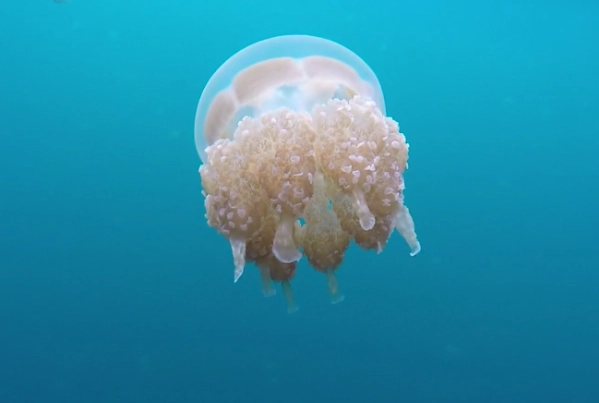
Reader Comments