Quick Guide
- Before You Even Get Wet: The Pre-Snorkel Prep
- The Big Day: From Shore to Sea (Without the Panic)
- Navigating Common First-Time Snorkeling Problems
- Beyond the Basics: Snorkeling Etiquette & Ocean Respect
- Answering Your First-Time Snorkeling Questions
- Making the Decision: Tour vs. DIY for Your First Time
- Wrapping It Up: Your First Time Snorkeling Checklist
Let's be honest. The idea of snorkeling for the first time is equal parts thrilling and terrifying. You've seen the pictures—crystal clear water, colorful fish gliding past, maybe even a sea turtle if you're lucky. It looks magical. But then your brain kicks in. What if I can't breathe? What if my mask fills up? What if I look like a complete idiot flailing around? I remember my first time vividly. I was in Hawaii, so excited I barely slept. Then, standing in waist-deep water, I put my face in and immediately panicked. The breathing sounded like Darth Vader on helium, my mask fogged up instantly, and I swallowed what felt like a gallon of seawater. Not exactly the serene National Geographic moment I'd imagined.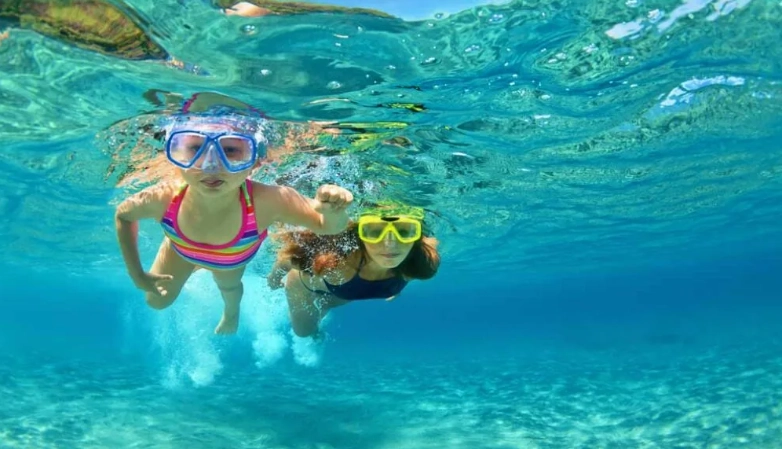
But here's the thing. I got through it. And after that clumsy, slightly embarrassing start, I saw a school of yellow tangs, and it was all worth it. That's why I'm writing this. Not as some expert who's done it a thousand times, but as someone who remembers the awkward first steps and wants to help you skip the worst of them. Snorkeling for the first time doesn't have to be a struggle. With a bit of know-how, the right mindset, and some surprisingly simple prep, you can go from anxious newbie to confident explorer faster than you think.
The Core Idea: Snorkeling is just floating and breathing while looking down. It's not scuba diving. There's no complex certification, no heavy tanks. It's the most accessible way to peek into the underwater world. Your goal for your first time snorkeling isn't to free dive 30 feet or photograph rare species. It's simply to get comfortable breathing through a tube while floating peacefully. Master that, and everything else is a bonus.
Before You Even Get Wet: The Pre-Snorkel Prep
Most people's mistake is thinking the adventure starts at the water's edge. It doesn't. It starts days or weeks before, with planning and familiarization. Rushing this part is a surefire way to have a stressful first time snorkeling experience.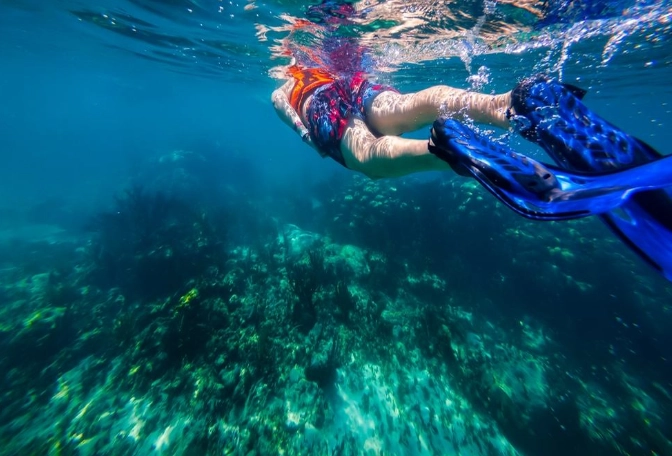
Gear: To Rent or to Buy?
This is the big first question. Renting gear from a tour operator or beach shop is convenient, especially if you're just trying it out. But for your first time snorkeling, I'd actually lean towards buying your own mask and snorkel. Hear me out. A rental mask that leaks or fogs constantly can ruin the entire experience. A snorkel that doesn't have a comfortable mouthpiece will make your jaw ache. Having your own kit that you know fits and works is a huge confidence booster.
Here’s a quick breakdown of what you need:
- The Mask: This is your window. Fit is everything. Press the mask to your face without using the strap. Inhale gently through your nose. If it stays suctioned to your face for a few seconds, the seal is good. If it falls immediately, try another shape. Look for a silicone skirt (softer, better seal) and tempered glass lenses. Don't cheap out here.
- The Snorkel: For beginners, a dry snorkel or semi-dry snorkel is a game-changer. These have a mechanism at the top that blocks water from entering when you dive under or a wave splashes over you. A simple J-tube will just fill up with water, which you then have to forcefully clear. Not fun when you're learning. My first snorkel was a basic one, and I spent more time clearing it than looking at fish. Get a dry snorkel.
- Fins: These provide propulsion and safety, helping you move efficiently without tiring your legs. For beginners, full-foot fins (like big slippers) are easier than open-heel fins (which require booties). Make sure they're snug but not painfully tight. You shouldn't have massive gaps at the heel.
My Gear Mistake: I once bought a mask online because it was a cool color. Big mistake. It pinched my nose bridge so badly I got a headache after 10 minutes. Lesson learned—always, always try on a mask in person if you can. A proper fit is non-negotiable.
Choosing Your First Snorkeling Spot
Not all beaches are created equal for a first-timer. You want calm, protected, and shallow. A roiling ocean with big waves and strong currents is a hard no. Look for these features: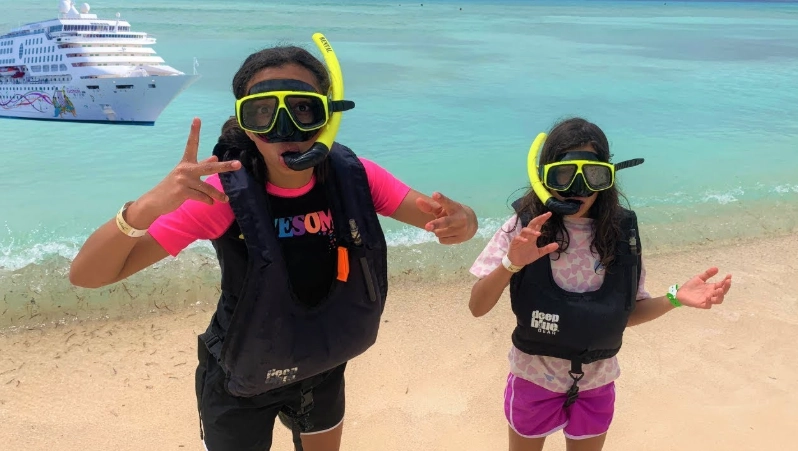
- Protected Bays or Lagoons: Natural barriers like reefs or rock walls break the wave energy.
- Sandy Entry Points: Walking in over sand is easier and safer than over sharp coral or rocks.
- Clear, Shallow Water (3-10 feet deep): This lets you stand up if you need to, and the sunlight penetrates easily, making everything bright and visible.
- Presence of a Lifeguard: An extra layer of safety is priceless for peace of mind.
Do some research. Read recent reviews on travel sites. Look for phrases like "great for beginners," "calm water," or "kids loved it." Reputable organizations like NOAA often have resources on marine conditions and protected areas. A good first time snorkeling location is half the battle won.
The Big Day: From Shore to Sea (Without the Panic)
Okay, you've got your gear, you've found a calm bay. Now it's go time. Let's break down the process step-by-step, because doing things in the right order makes a massive difference.
Step 1: The Land Rehearsal
Do not, I repeat, do NOT go straight into the ocean. Find a spot on the beach, or even better, sit in the shallow water where you can still touch the bottom.
Practice Breathing: Put your mask and snorkel on. Just breathe in and out through your mouth. Slow, deep, deliberate breaths. In through your mouth, out through your mouth. Get used to the sound. It will be loud and weird. That's normal. Practice this for a good 5 minutes. This single exercise reduces 80% of first-time anxiety.
Next, practice putting your face in the water while breathing. Start in just a few inches of water. Bend over, face in, breathe. Look around. Get comfortable with the sensation of seeing underwater while your airway is above the surface. This is the core skill of snorkeling for the first time.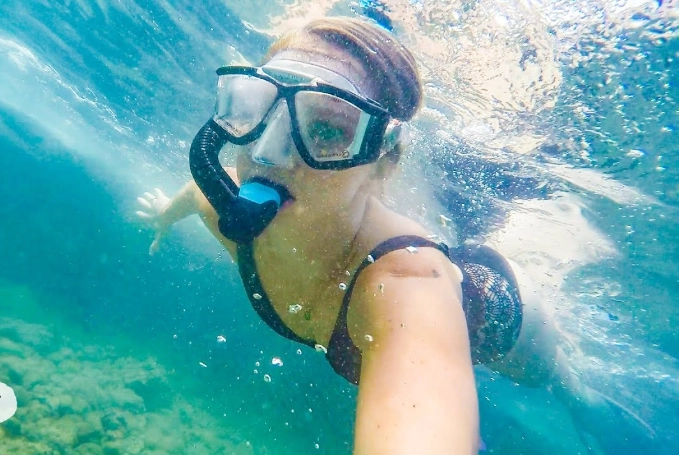
Step 2: The Entry
Walk backwards into the water if you're wearing fins. It sounds silly, but walking forward in fins is a great way to trip and fall. Once you're deep enough to float (usually waist to chest deep), lean forward into a horizontal position. You can use a gentle flutter kick with your fins to move forward.
A common fear: sinking.
You won't. Salt water is incredibly buoyant. Relax your body, and you'll float. Tensing up makes you sink. If you need extra help, consider a snorkeling vest or even a pool noodle. There's zero shame in it. Many tour operators provide flotation belts for beginners. The goal is enjoyment, not proving your buoyancy.
Step 3: The Art of Relaxed Exploration
You're floating, you're breathing. Now what? Keep your movements slow and fluid. Fast, jerky motions scare fish and tire you out. Use slow, steady fin kicks from the hip, not the knee. Keep your hands at your sides or clasped behind your back—using your arms to paddle is inefficient and splashes water into your snorkel.
Look down and around, but also remember to look up occasionally to check your position relative to the shore, boat, or other snorkelers. This is called situational awareness, and it's a key safety habit.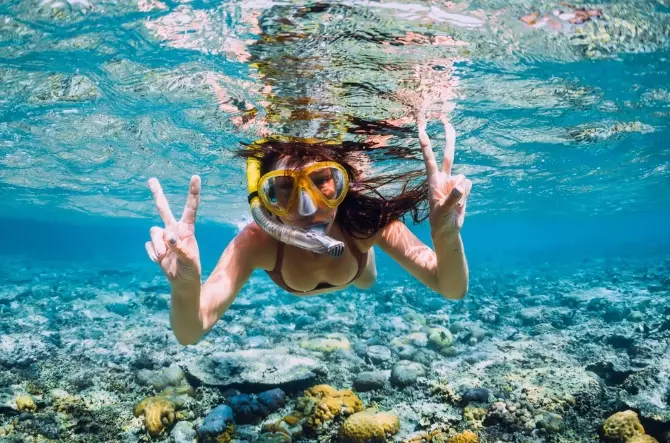
Sunburn & Dehydration are Real Threats: You're floating on your back in the water, feeling cool, but the sun is reflecting off the water and hitting you from all angles. Apply a reef-safe, waterproof sunscreen (mineral-based with zinc oxide or titanium dioxide) liberally and at least 30 minutes before entering the water. Reapply as directed. Drink water before and after your session. A bad sunburn can ruin the rest of your trip.
Navigating Common First-Time Snorkeling Problems
Things will go wrong. It's not a matter of if, but when. Knowing how to handle them turns a potential crisis into a minor hiccup.
| Problem | Likely Cause | Quick Fix |
|---|---|---|
| Mask Fogging Up | New mask has a factory coating; moisture from your skin/breath. | Pre-treat the lens: Rub a tiny bit of toothpaste (not gel) or baby shampoo on the inside, rinse well. Spit in it, rub it around, rinse. Yes, spit. It's the old-school, proven method. |
| Mask Leaking | Hair in the seal; strap too tight/loose; wrong fit. | Ensure no hair is under the skirt. Adjust strap so it's snug but not digging in. Press the top of the mask to your forehead and exhale gently through your nose to seat it properly. |
| Water in Snorkel | Wave went over top; you went too deep. | With a dry snorkel, just breathe normally—the valve should block it. To clear a standard snorkel: Take a deep breath, blast a short, sharp exhale into the tube. This forces the water out the top or bottom valve. |
| Swallowing Water / Gagging | Breathing too fast/panicked; mouthpiece not seated well. | Stop. Stand up or float on your back. Calm your breathing. Re-seat the mouthpiece comfortably. Remember: slow, deep breaths in and out through the mouth only. |
| Leg Cramps | Over-exertion; cold water; dehydration. | Float on your back, point toes of the cramped leg towards your knee, and gently massage the muscle. Stretch it out. Head back to shore if needed. |
See? All solvable.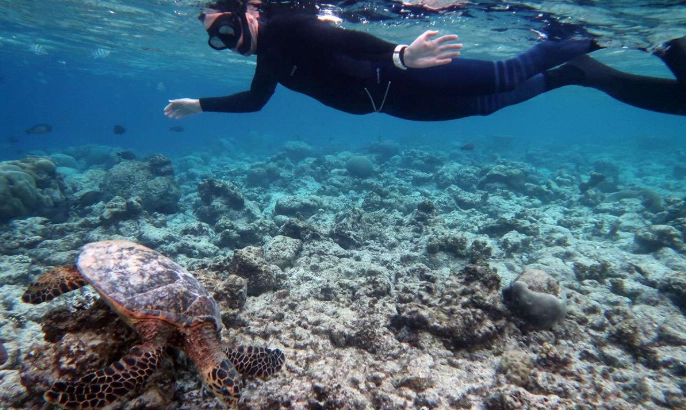
Beyond the Basics: Snorkeling Etiquette & Ocean Respect
This is where a lot of guides stop. But being a good snorkeler isn't just about technique; it's about respect. The ocean isn't a theme park. It's a fragile, living ecosystem.
The Golden Rule: Look, Don't Touch
I can't stress this enough. Coral is a living animal. A single touch can kill the polyps, leave it vulnerable to disease, and destroy decades of growth. The same goes for sea turtles, fish, and everything else. Your sunscreen chemicals can also kill coral. That's why reef-safe sunscreen is crucial. Organizations like The Reef-World Foundation run the Green Fins initiative, which has fantastic guidelines for responsible tourism.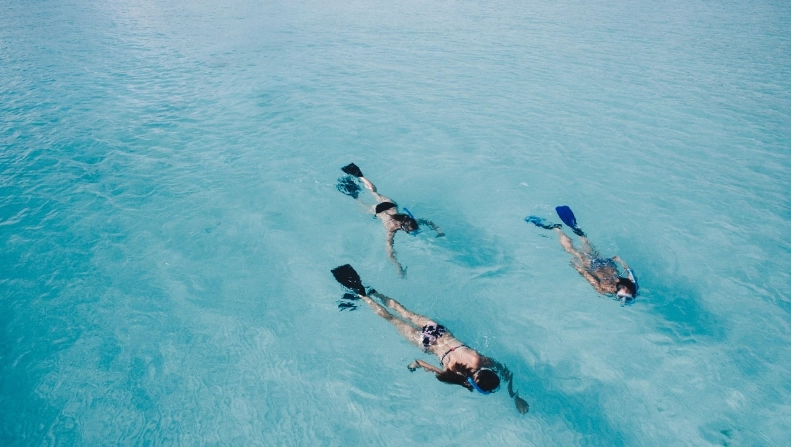
- Never stand on coral. Even if it looks like a rock. If you need to stand, find a sandy patch.
- Maintain buoyancy. Good fin control keeps you from accidentally kicking the reef.
- Don't chase or harass marine life. You are a visitor in their home.
- Take nothing but pictures, leave nothing but bubbles. No shells, no coral fragments.
Answering Your First-Time Snorkeling Questions
Making the Decision: Tour vs. DIY for Your First Time
This is a big one. Should you book a guided snorkeling tour or just head to the beach yourself?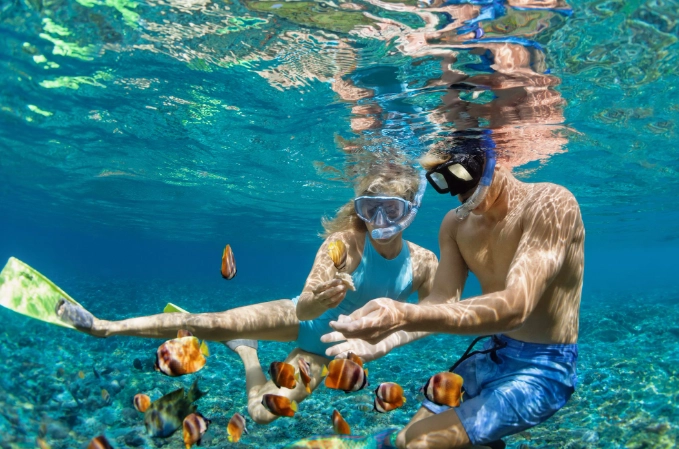
For your very first time snorkeling, I highly recommend a reputable guided tour. Here's why:
- Safety: They provide briefings, watch the group, and know the conditions.
- Gear: They provide well-maintained gear (though you can often use your own mask/snorkel).
- Location: They take you to proven, calm, fish-filled spots you might not find on your own.
- Instruction: A good guide will give you a thorough briefing and stay with beginners.
- Flotation: They almost always provide flotation aids.
The downside is cost and less flexibility. A DIY approach is cheaper and more free, but places all the responsibility for safety, location scouting, and problem-solving on you. For a confident second or third time, DIY is great. For the first plunge, let the pros handle the logistics.
Look for tours with small group sizes and explicit mentions of being beginner-friendly. Read reviews focusing on how they treated nervous first-timers.
Wrapping It Up: Your First Time Snorkeling Checklist
Let's condense everything into a simple pre-departure list. Run through this before you head to the beach or boat.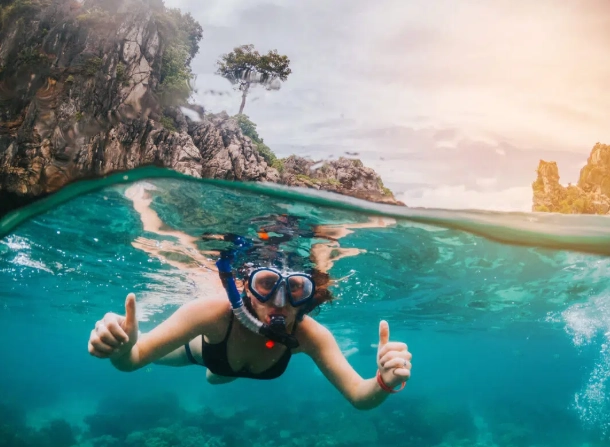
✓ Gear Check: Mask fits and is defogged? Snorkel (preferably dry) attached? Fins fit?
✓ Protection: Reef-safe sunscreen applied? Rash guard/UV shirt? Hat for before/after?
✓ Hydration: Water bottle filled and ready for after?
✓ Knowledge: Checked weather and water conditions? Chosen a calm, protected site?
✓ Buddy System: Have a snorkeling buddy? Discussed hand signals (e.g., "okay," "problem," "go back")?
✓ Mindset: Remembered the goal is to relax and breathe, not perform? Ready to take it slow and stand up/take a break whenever needed?
The thought of snorkeling for the first time is a mix of excitement and nerves, and that's perfectly normal. The underwater world is a different planet, and it takes a minute for your brain and body to adjust. But by focusing on the fundamentals—breathing, buoyancy, and a good spot—you set yourself up for success.
Don't get discouraged if your first few minutes are awkward. Mine certainly were. Everyone you see gliding effortlessly started exactly where you are. The payoff—the weightless silence, the darting fish, the sunlight filtering down—is worth every bit of the initial learning curve. So take a deep breath (through your mouth!), lean forward, and look down. A whole new world is waiting.
And trust me, you'll be planning your next snorkeling trip before you've even dried off.
Reader Comments