Skip to What Matters
I bought my first snorkel on a whim during a beach vacation. It was cheap, looked fine, and I thought, "How hard can it be?" Two hours into snorkeling, my jaw ached from biting down on a hard mouthpiece, water kept sloshing into the tube, and I spent more time clearing it than enjoying the fish. That experience taught me that picking a snorkel isn't just about grabbing any tube—it's about comfort, function, and avoiding headaches literally and figuratively. Let's cut to the chase: when buying a snorkel, focus on the mouthpiece fit, tube design, and whether you need a dry or traditional model. But there's more nuance than that, and I'll walk you through it all, based on years of trial and error.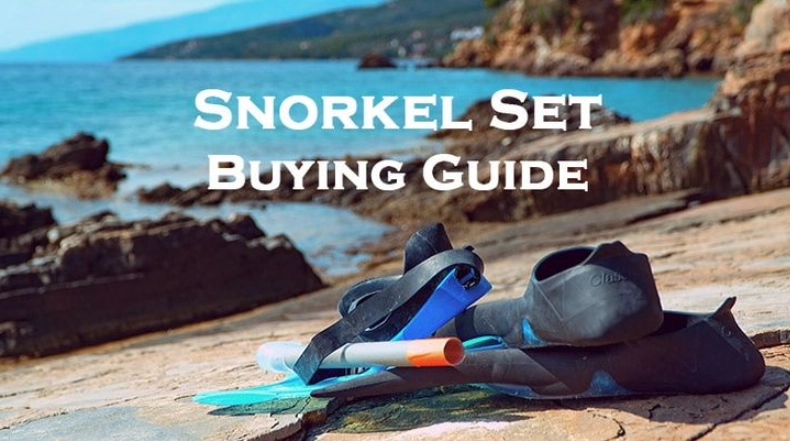
The Anatomy of a Good Snorkel: Features That Actually Matter
Forget the flashy colors or brand names for a second. A snorkel's performance boils down to a few key components. Get these right, and you'll have a gear that feels like an extension of your body, not a nuisance.
Mouthpiece Comfort: It's All in the Bite
The mouthpiece is where you'll interact with the snorkel most. A poor fit leads to jaw fatigue, gagging, or even sores. Look for silicone mouthpieces—they're soft, flexible, and hypoallergenic. Avoid hard plastic; it might be cheaper, but it's a recipe for discomfort. The shape matters too. Some are contoured to fit the roof of your mouth, reducing strain. I once tried a snorkel with a flat mouthpiece, and after 30 minutes, my teeth felt like they'd been clenched in a vise. Test it by gently biting; it should feel secure without forcing your jaw open wide.
Tube Diameter and Length: Not Too Big, Not Too Small
Tube diameter affects breathing resistance. A wider tube (around 1-1.5 inches) allows easier airflow, but it can increase drag and water volume if submerged. A narrower tube might be more streamlined but require more effort to breathe. For most recreational snorkelers, a medium diameter works best. Length is another factor. Standard snorkels are about 12-16 inches long. Too short, and you might inhale water from waves; too long, and it can bump against your head or back, causing annoyance. I've seen snorkels that are overly long, marketed as "advanced," but they just get in the way for casual use.
Purge Valve: Your Best Friend for Clearing Water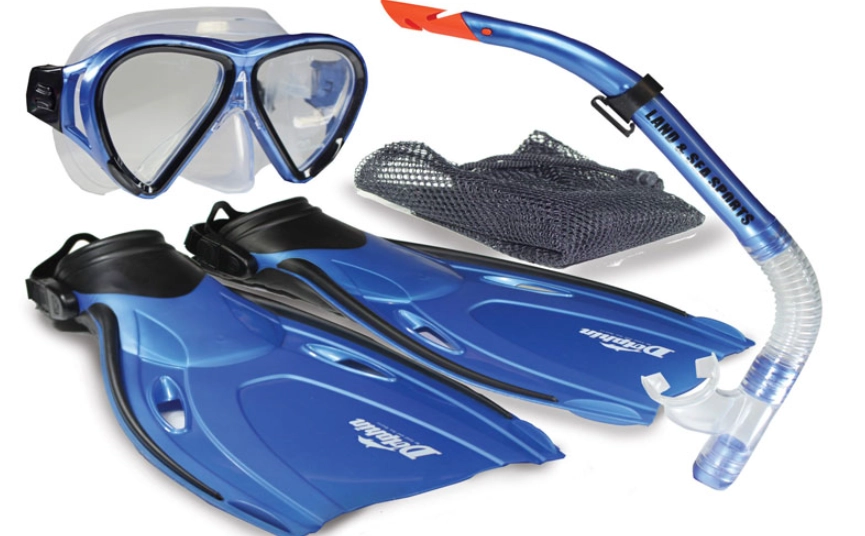
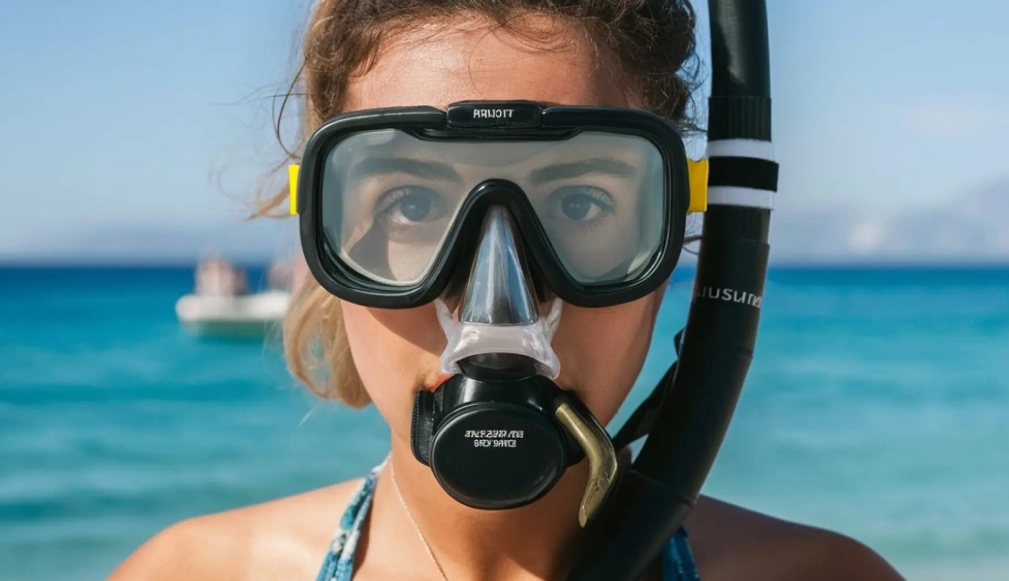
A purge valve is a one-way valve at the bottom of the tube that lets you blow out water easily. Without it, you have to exhale forcefully to clear the tube, which can be tiring. With a purge valve, a gentle exhale does the trick. But not all purge valves are created equal. Some cheap models have flimsy valves that stick or leak. Look for a silicone valve that's easy to clean. In my experience, a well-designed purge valve saves energy and keeps you focused on the marine life, not on spitting out water.
Mask Attachment: Clip vs. Strap, and Why It's Not Just About Convenience
Snorkels attach to your mask either with a clip or a strap. Clips are quick to detach and adjust, but they can snap off if bumped. Straps are more secure but might require fiddling to get the angle right. I prefer clips for their simplicity, but I've had one break during a dive, leaving me holding the snorkel awkwardly. Ensure the attachment is robust and doesn't interfere with the mask seal. A loose attachment can cause the snorkel to dangle, hitting your face—a small detail that becomes a big irritation over time.
Dry Snorkel vs. Semi-Dry vs. Traditional: The Real Differences
This is where many beginners get confused. Let's break it down without the marketing hype.
| Type | How It Works | Best For | Downsides |
|---|---|---|---|
| Dry Snorkel | Has a float valve at the top that seals when submerged, preventing water entry. | Beginners, rough waters, or those who hate clearing water frequently. | Can be bulkier, more expensive, and the valve might fail if not maintained. |
| Semi-Dry Snorkel | Features a splash guard to reduce water entry but doesn't fully seal. | Intermediate users, calmer conditions, offering a balance of protection and simplicity. | Not fully waterproof; some water might still get in during heavy waves. |
| Traditional (Wet) Snorkel | Basic open tube; water enters freely and must be cleared manually. | Experienced snorkelers, freedivers, or those on a tight budget. | Requires skill to clear water, can be exhausting for novices. |
I started with a traditional snorkel because it was cheap, but after swallowing a mouthful of seawater, I switched to a dry snorkel. It made a world of difference for my confidence. However, dry snorkels aren't perfect—the float valve can get stuck with sand or debris, so regular cleaning is crucial. Semi-dry snorkels are a good middle ground, but I've found their splash guards sometimes limit airflow if you're breathing heavily.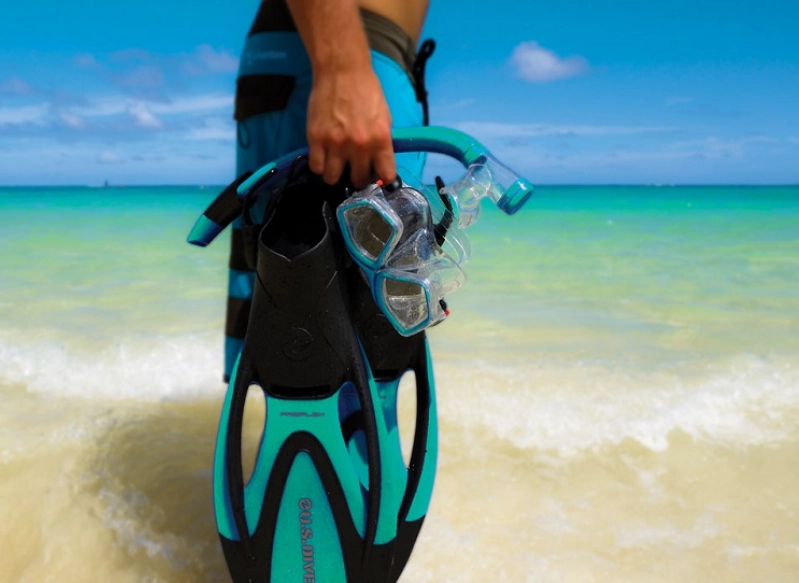
Don't Make These 5 Snorkel Buying Blunders
Here are mistakes I've seen—and made—that can ruin your snorkeling experience.
Ignoring Mouthpiece Fit for Price. A bargain snorkel might save you $10, but if the mouthpiece is uncomfortable, you'll regret it. Always prioritize fit over cost.
Choosing Based on Color Alone. Bright colors are fun, but they don't affect performance. Focus on function first; aesthetics come second.
Overlooking the Purge Valve Quality. A purge valve that leaks or jams is worse than having none. Test it by blowing air through; it should close smoothly and reopen easily.
Assuming One Size Fits All. Snorkels come in different sizes for adults and kids. Using an adult snorkel for a child can be dangerous due to increased breathing resistance.
Neglecting Mask Compatibility. Not all snorkels attach well to every mask. If you have a full-face mask, for example, you might need a specific snorkel model. Check the attachment system before buying.
I once bought a snorkel online without checking the mouthpiece material, and it turned out to be a rigid plastic that caused blisters. Lesson learned: always read reviews or test in person if possible.
How to Test a Snorkel Before You Commit
If you're buying in a store, here's a quick checklist to assess a snorkel on the spot. For online purchases, rely on detailed reviews and return policies.
Bite Test: Gently bite the mouthpiece. It should feel soft and conform to your teeth without pressure points. If it's painful or too hard, move on.
Breath Test: Hold the snorkel up and breathe through it normally. There shouldn't be significant resistance. Some snorkels have baffles or bends that restrict airflow—avoid those.
Purge Valve Check: Blow into the bottom of the tube; the purge valve should open and close without sticking. You can also shake it to see if any parts rattle loosely.
Attachment Inspection: Clip or strap it to a mask (or simulate it). Ensure it stays secure and doesn't wobble. A flimsy attachment is a red flag.
When I test snorkels, I also look at the overall build. Flexible tubes are better for packing, but rigid ones might last longer. It's a trade-off based on your travel habits.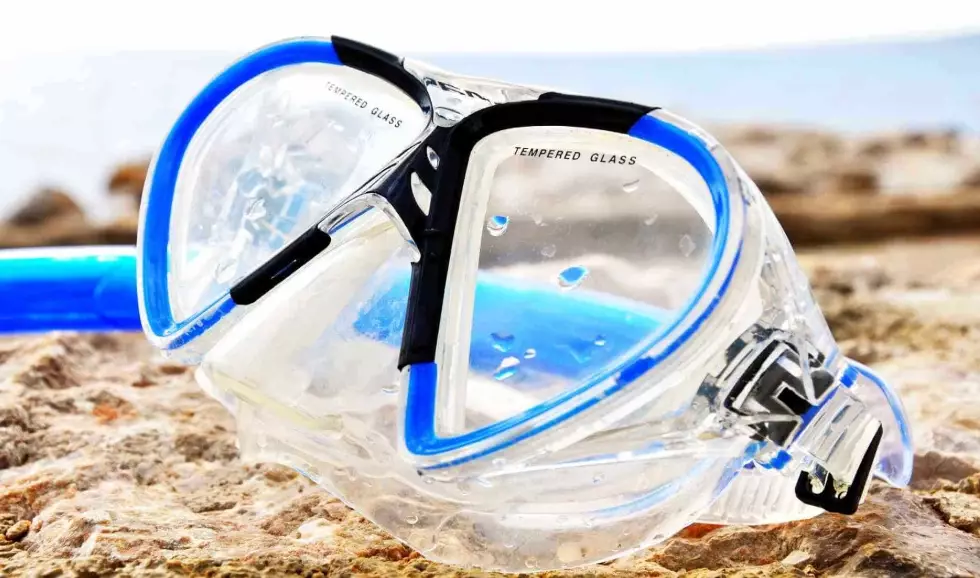
Snorkel Care 101: Keeping Your Gear in Top Shape
A well-maintained snorkel lasts longer and performs better. Here's what I do after every use.
Rinse with fresh water immediately after snorkeling, especially if you've been in saltwater or chlorinated pools. Salt can corrode parts, and chlorine degrades silicone over time.
Dry it thoroughly before storing. Moisture promotes mold growth, which can cause odors or health issues. Hang it in a well-ventilated area, away from direct sunlight that might warp the plastic.
Inspect the purge valve and mouthpiece regularly for cracks or debris. A clogged valve is a common reason for dry snorkels failing. Use a soft brush to clean hard-to-reach spots.
Store it in a protective case or bag to prevent bending or crushing. I've seen snorkels left loose in a gear bag get tangled and damaged.
For deep cleaning, soak in a mild soap solution occasionally. Avoid harsh chemicals that can break down materials. Refer to guidelines from organizations like PADI for best practices in dive gear maintenance.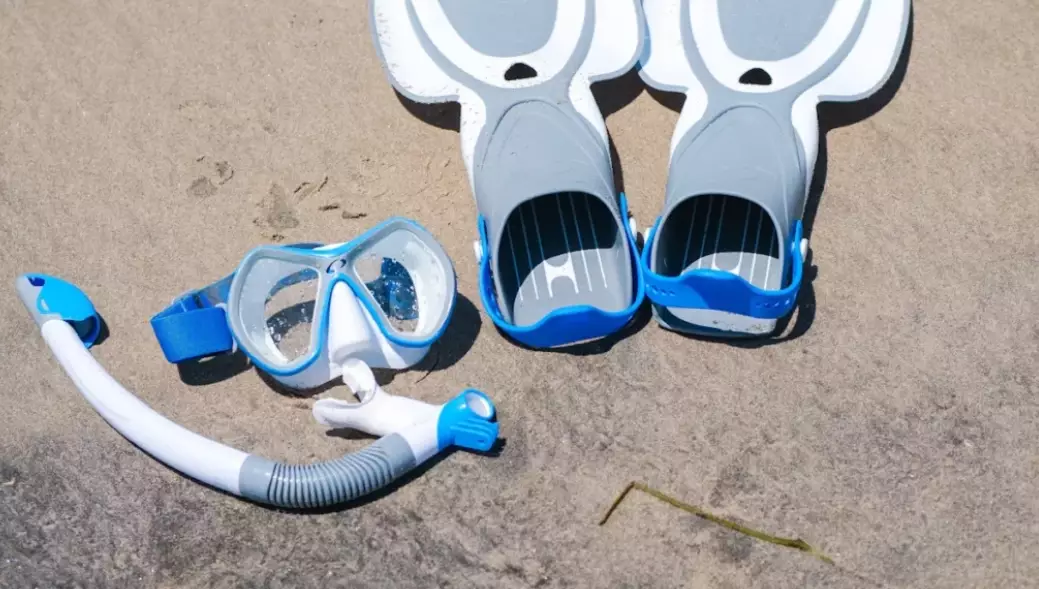
Your Snorkel Questions, Answered
 How often should I replace my snorkel, and what are signs it's time for a new one?
Reader Comments