Your Quick Snorkeling Guide
Let's be honest. When you picture snorkeling in Bahamas Nassau, you probably see those impossibly clear turquoise waters, schools of neon-colored fish, and maybe a sea turtle gliding by. And you know what? That image isn't wrong. It's just... incomplete. Having spent more time floating face-down in Nassau's waters than I care to admit (it's a tough job), I can tell you the experience is incredible, but it's the details that make or break your trip. This isn't just another list of spots. It's the guide I wish I had before my first trip—packed with the good, the overrated, and the secret gems most tour boats zoom right past.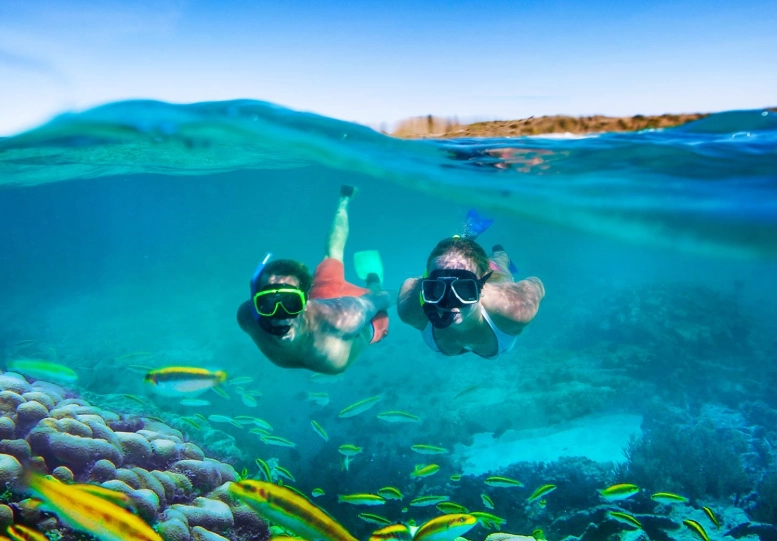
Why is snorkeling around Nassau so special, anyway? It sits on the edge of the Great Bahama Bank, this massive underwater plateau. The water is shallow for miles, which means sunlight penetrates deeply, warming the water and fueling the growth of incredible coral reefs. You're not dealing with the deep, dark, cold waters of some other destinations. Here, the underwater world is bright, warm, and teeming with life just a short swim from shore or a quick boat ride away. The variety is staggering—from vibrant shallow reefs perfect for beginners to dramatic walls and mysterious blue holes for the more adventurous.
Top Spots for Snorkeling in Nassau: From Tourist Favorites to Local Secrets
Everyone will tell you to go to the famous spots. And you should, maybe once. But the magic often happens where the crowds thin out. Here’s my breakdown of where to go, who it's for, and what you'll really find.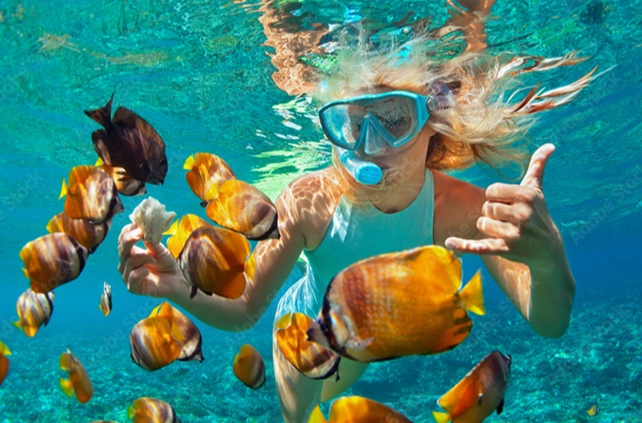
The Must-Sees (Yes, They're Popular for a Reason)
Goulding Cay: This is the classic Nassau snorkeling spot, and for good reason. It's a remote cay accessible only by boat, usually as part of a tour. The reef system here is extensive and healthy. I've seen enormous schools of sergeant majors, elegant angelfish, and the occasional friendly grouper here more times than I can count. The current is usually mild, making it fantastic for families or nervous swimmers. The downside? It can get busy with multiple tour boats around midday. My advice? If you're on a tour, try to be the first group in the water.
Rose Island Reefs: Rose Island is that long, picturesque strip of land you see from Nassau's beaches. The reefs along its sheltered southern side are a snorkeler's playground. Sites like "The Aquarium" live up to their name—the density of fish is almost unreal. It's shallow, calm, and the colors are mind-blowing. A great option for a half-day trip. You can sometimes find smaller, private charters that go here instead of the bigger cattle-mar boats, which is worth the extra few bucks for a more peaceful experience.
A Personal Mishap: On my first trip to Rose Island, I was so excited I forgot to reapply sunscreen on my back. Big mistake. A painful, peeling reminder for the rest of the week. The Bahamian sun is no joke, even through the water's surface. Reef-safe sunscreen is your best friend—and not just for you, but for the corals too.
The Hidden Gems (Where the Locals Go)
Love Beach & The Caves: West of the big resorts, Love Beach offers surprisingly good shore snorkeling. You can just walk in from the beach. Swim out towards the rocky areas, and you'll find small caves and overhangs filled with life. It's not a vast reef, but it's intimate and fascinating. I've spent hours here just watching the behavior of smaller critters in the nooks and crannies. Parking can be tricky, and it's not always well-marked, which keeps the crowds away.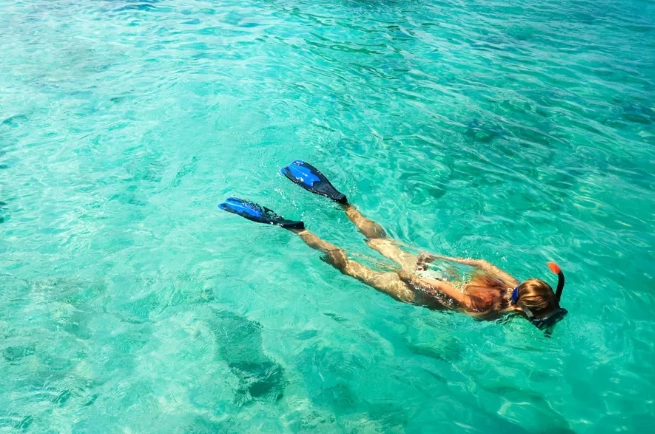
Southwest Corner of Paradise Island: Most people on Paradise Island are at the casino or the mega-resort pools. But the ocean side, near the rocky point, has some interesting structure. It's more for the exploratory snorkeler—you won't find organized tours here. The surge can be stronger, so it's not for absolute beginners, but on a calm day, you can see some impressive coral formations and larger pelagic fish cruising by. It feels wild and untouched.
Here’s a quick comparison to help you choose based on your style:
| Snorkeling Spot | Best For | Access | What You'll See | My Honest Take |
|---|---|---|---|---|
| Goulding Cay | Families, first-timers, classic reef views | Boat tour only | Large coral heads, big schools of tropical fish, occasional rays | Consistently great, but can feel a bit "packaged." |
| Rose Island Reefs | Fish diversity, calm waters, photography | Boat tour or private charter | Incredible fish density, brain corals, sea fans | Feels more immersive. The "Aquarium" spot is aptly named. |
| Love Beach | DIY explorers, budget travelers, short sessions | Shore access (free) | Small caves, juvenile fish, interesting textures | Charming and low-key. Don't expect a massive reef. |
| Private Charter to Secret Sites | Adventurers, small groups, avoiding crowds | Private boat hire | Pristine coral patches, bigger marine life, unique formations | Pricey but unforgettable. You call the shots. |
Speaking of tours, that's a big question. Should you book one? For your first time snorkeling in Bahamas Nassau, absolutely. A good operator knows the daily conditions, provides gear, and gets you to the prime spots safely. But not all tours are created equal. Look for smaller operators with good environmental practices. I've been on a few of the giant catamaran trips—they're fun for a party, but the snorkeling portion often feels rushed and crowded.
Your Practical Guide: Not Just What to See, But How to Do It Right
This is where most guides stop. But knowing where to go is only half the battle. The other half is execution. Let's talk logistics, gear, and those little things that ruin a perfect day.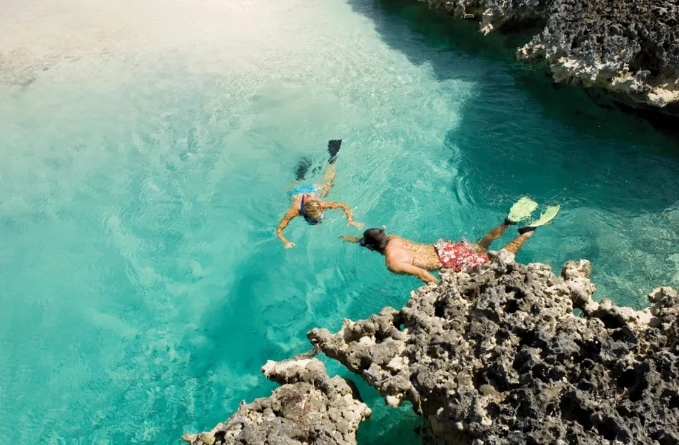
When to Go & What to Bring
The best time for snorkeling in Nassau is from late November through April. The weather is drier, the sun is out, and the water is still warm (around 77-80°F). Summer is hotter, more humid, and has a higher chance of afternoon thunderstorms. Hurricane season runs June to November—always check forecasts. That said, I've had some of my most crystal-clear visibility days in September, right after a storm passed. It's a gamble.
Pro Packing Tip: Beyond your swimsuit, pack a rash guard or long-sleeved sun shirt. It protects you from the sun and from accidental scrapes on coral. A waterproof case for your phone is non-negotiable. And bring a reusable water bottle—hydration is key, and single-use plastics are a huge problem for the ocean.
Gear. You can rent it everywhere, but if you're serious about snorkeling in Bahamas Nassau, consider bringing your own mask. A mask that fits perfectly makes all the difference. Rental fins are usually fine, but if you have sensitive feet, bring your own snorkel socks. Defogger? A tiny bottle of baby shampoo works better than spit and lasts forever.
Safety & Etiquette: Don't Be *That* Snorkeler
Safety first, always. Even in calm-looking water, conditions can change. Never snorkel alone. Tell someone on shore your plan. Be aware of boat traffic—if you're snorkeling from shore, stay in designated areas. Watch for currents, especially around channel openings or points of land.
Serious Warning: Do NOT touch, stand on, or kick the coral. It's a living animal, and it's incredibly fragile. A single touch can kill a coral polyp that took years to grow. It also protects you—coral cuts are nasty and get infected easily. Also, please don't chase or harass marine life, especially sea turtles. Observe quietly.
This brings us to a critical point: sustainable snorkeling. The reefs are under immense pressure. Choose operators who are members of the Bahamas National Trust or who advertise eco-friendly practices. Use reef-safe sunscreen (look for non-nano zinc oxide or titanium dioxide as the active ingredient). Avoid feeding the fish—it disrupts their natural behavior and diet.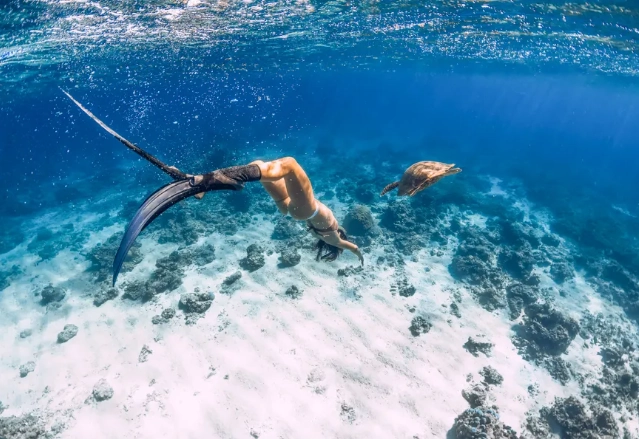
Capturing the Moment (Without Ruining It)
You'll want photos. I get it. The underwater world of Nassau is photogenic. GoPro-type cameras are the standard for a reason. For beginners, set it to "Photo" mode and take a burst of shots every time you see something cool—one of them will be sharp. Don't use the flash unless you're a pro; it often just lights up the particles in the water, creating a snowy effect. Natural light is your best friend in these clear, shallow waters.
If you're dreaming of that perfect shot of a sea turtle, remember: patience. Float still. Let the animal come to you. Darting after it will only scare it away. Some of my best shots came from just hovering above a coral head and waiting for the scene to unfold naturally.
Answering Your Burning Questions About Snorkeling in Bahamas Nassau
Beyond the Snorkel: Making the Most of Your Nassau Trip
Snorkeling might be the main event, but Nassau has more to offer. After a morning in the water, consider exploring the historical streets of downtown, visiting the Ardastra Gardens & Conservation Centre, or just finding a quiet beach like Saunders Beach to relax on. The food scene is fantastic—don't leave without trying fresh conch salad (a ceviche-style dish) at a local shack like Arawak Cay ("The Fish Fry").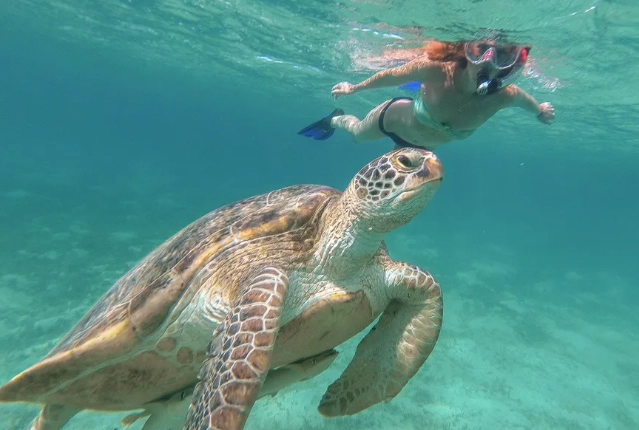
Accommodation ranges from all-inclusive mega-resorts on Paradise Island (like Atlantis, which has its own snorkeling lagoons) to smaller boutique hotels and vacation rentals on the main island. Staying on the main island often gives you easier access to local restaurants and quieter beaches.
So, is snorkeling in Bahamas Nassau worth it? Unequivocally, yes. It's one of the most straightforward, rewarding, and beautiful underwater experiences you can have in the Caribbean. The key is to go in with the right expectations: expect stunning beauty, but also expect some crowds at the famous spots. Do a little homework, choose your operator wisely, respect the ocean, and you're in for an absolute treat. The memory of that first time you float over a bustling coral city, surrounded by silent, graceful fish, is one that sticks with you long after your tan fades.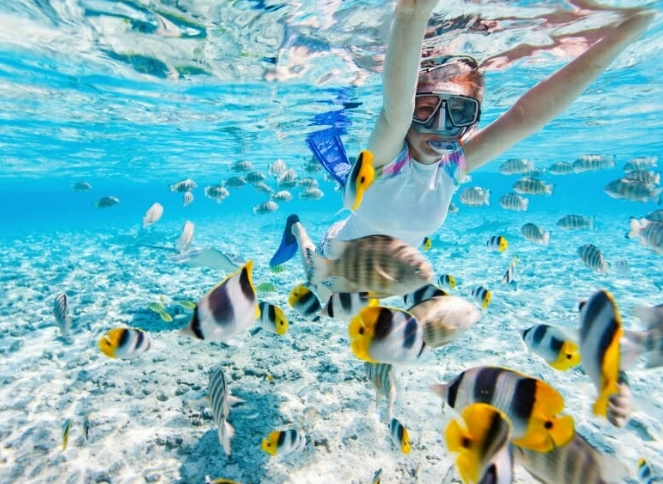
Just remember to reapply that sunscreen.
Reader Comments