Quick Navigation
- Top Regions for Snorkeling in Egypt: A Quick Breakdown
- The Contenders: Best Snorkeling Spots, Ranked and Explained
- Comparison at a Glance: Where Should You Go?
- The Practical Stuff: Gear, Seasons, and Not Screwing Up
- Planning Your Trip: Boat Tour vs. Shore Snorkel
- Answering Your Burning Questions (FAQ)
- Wrapping It Up: Making Your Choice
Let's cut straight to the point. You're dreaming of crystal clear water, coral walls exploding with color, and fish so bright they don't look real. You've heard the Red Sea in Egypt is the place. But where exactly? The coast is long, the resorts are many, and every tour operator claims they have the "best" spot.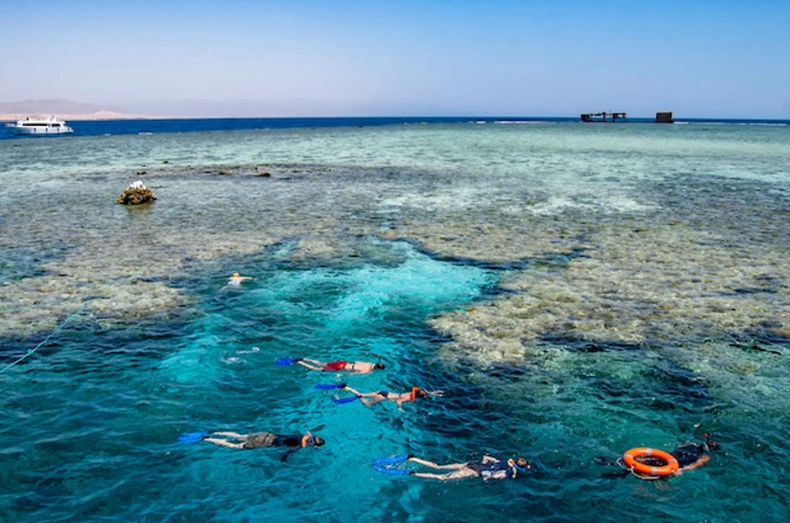
I've spent weeks bobbing around in that salty water, from the well-trodden piers of Sharm to the remote bays near the Sudanese border. I've had days of pure magic and a few... well, let's call them learning experiences. This guide isn't a list copied from a brochure. It's the real, practical, nitty-gritty info you need to plan a trip for the best snorkeling in Egypt you can possibly have.
We're going to break down the top regions, site by site. We'll talk about who each spot is good for (because a nervous first-timer and a seasoned snorkeler want different things). We'll get into the boring-but-essential stuff like seasons, currents, and how to not be "that tourist" damaging the reef. By the end, you'll know exactly where to go for your kind of adventure.
Why is the Red Sea so special for snorkeling? It's a perfect storm of geography and climate. It's isolated, warm year-round, and has minimal freshwater runoff, meaning incredible visibility often exceeding 30 meters. It's a biodiversity hotspot, home to over 1,200 species of fish and 300 types of coral. It's not just good; it's world-class.
Top Regions for Snorkeling in Egypt: A Quick Breakdown
Before we dive into specific sites, let's get our bearings. Egypt's Red Sea coast is mainly divided into a few key resort areas. Your choice of base will define your experience.
- Sharm El Sheikh & Naama Bay: The most famous. Developed, tons of hotels and boat trip options. The reefs right off the coast (the "house reefs") are shockingly good. It's convenient, but can feel busy.
- Dahab: An hour's drive north of Sharm. A totally different, laid-back, bohemian vibe. More of a town than a resort complex. Famous for its shore-access snorkeling sites like the Blue Hole (more on that later).
- Hurghada & Surrounds: On the mainland coast. Generally more affordable than Sharm. The reefs are a bit further out, requiring more boat rides, but places like Giftun Island are stellar.
- Marsa Alam & the Deep South: The new frontier. Further south, less developed, and arguably where you find the most pristine reefs and unique encounters (like dugongs!). Requires more travel time and commitment.
So, which one is for you? If you want ease and reliability, Sharm. For a chill vibe and epic shore dives, Dahab. For budget and big boat trips, Hurghada. For wilderness and wildlife, Marsa Alam.
The Contenders: Best Snorkeling Spots, Ranked and Explained
Alright, here's the main event. I'm ranking these based on a mix of reef health, accessibility, marine life diversity, and that intangible "wow" factor. This is subjective, of course, but it's a starting point.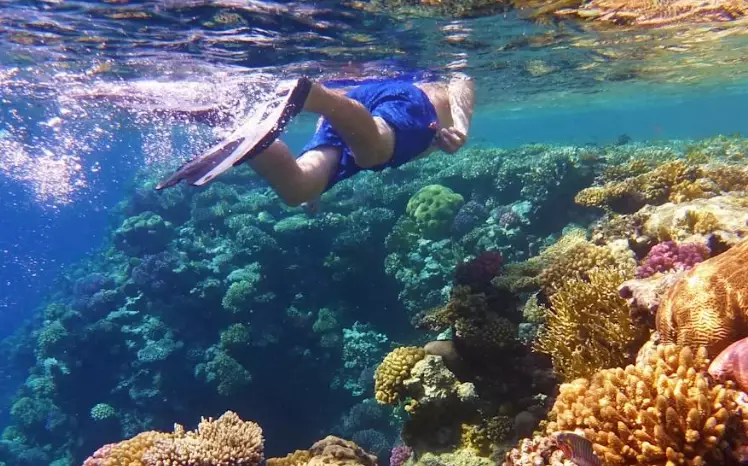
Ras Mohammed National Park (Near Sharm El Sheikh)
This isn't just a park; it's the crown jewel. Egypt's first national park, and for good reason. The reefs here are protected, vibrant, and teeming with life. You can only visit by boat tour from Sharm El Sheikh. The two main snorkeling areas are Shark Reef and Yolanda Reef, often done as a drift snorkel between the two.
What you'll see: It's a sheer wall dive. One moment you're in shallow water, the next the bottom drops away into the deep blue. Schools of jackfish, barracuda, napoleon wrasse, and if you're lucky, reef sharks cruising in the depth. The coral formations are massive and ancient. The current can be strong here—it's not a place for absolute beginners who aren't comfortable in the water. But for confident snorkelers, it's arguably the single best snorkeling spot in Egypt.
My take: The boat ride can be long and the park fees add up, making it a pricier day trip. But the moment you jump in and see that wall of life, you forget all that. It's worth every penny and minute. Just listen to your guide about the currents.
The Blue Hole & The Canyon (Dahab)
This is legendary, but it comes with a massive warning label. The Blue Hole itself is a deep submarine sinkhole famous (and infamous) in the diving world. Snorkeling around its perimeter is fantastic—the coral gardens are healthy and fishy. But the real snorkeling gem in Dahab is a minute's walk south: The Canyon.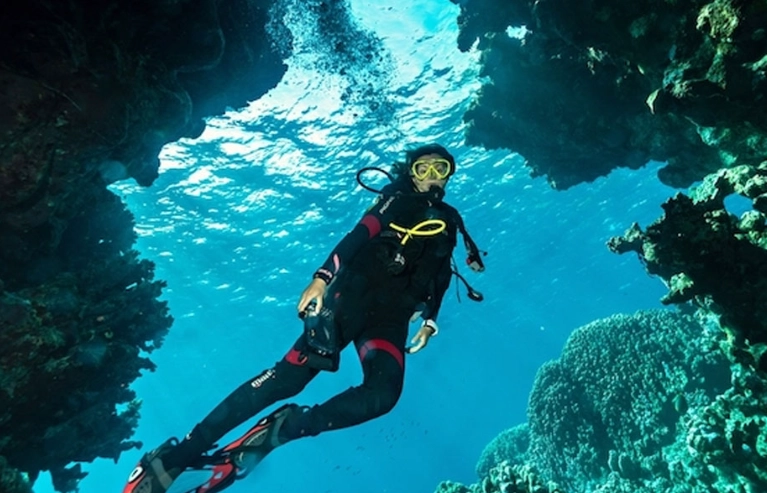
You enter through a narrow, sandy channel that opens into a beautiful lagoon. Swim out towards the sea, and you'll find a stunning coral garden on a gradual slope. It's perfect. Easy entry, deep enough to feel adventurous but shallow enough to see everything in sunlit detail. I saw a huge turtle grazing here for a good twenty minutes. It's accessible from shore, free (just respect the local cafes whose facilities you might use), and suitable for all levels. This combination makes Dahab a top contender for the title of best snorkeling in Egypt for accessibility.
WARNING ABOUT THE BLUE HOLE: Do NOT, under any circumstances, be tempted to free dive deep into the Blue Hole or try to swim through the "Arch" at depth. This is for technical divers with specific training. It has claimed many lives. Enjoy its beauty from the safe, shallow edges.
Tiran Island & the Straits (Sharm El Sheikh)
Another boat-trip destination from Sharm, Tiran Island sits at the mouth of the Gulf of Aqaba. The snorkeling here is around four named reefs sunk as shipwrecks: Gordon, Thomas, Woodhouse, and Jackson. The currents bring in nutrient-rich water, which means big fish action.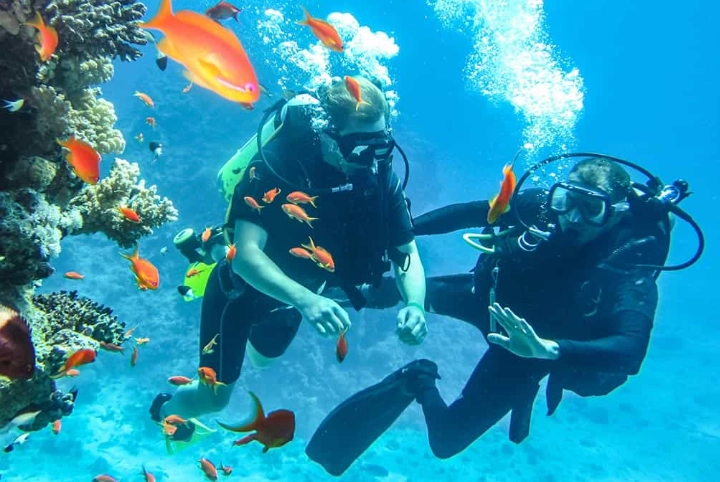
Jackson Reef is often the highlight. The remains of the wreck sit in shallow enough water to see from the surface, now covered in soft corals and home to massive schools of anthias. You might see larger pelagics like tuna or even the odd dolphin pod. The currents can be variable, so it's another spot for confident swimmers. The boat ride is usually calmer than going to Ras Mohammed.
Abu Dabbab (Marsa Alam)
This is the place for a unique encounter. Abu Dabbab Bay is a protected area famous for its resident dugong (sea cow), a gentle, massive marine mammal related to manatees. Seeing one is never guaranteed, but the bay itself is a stunning, shallow, sandy-bottomed lagoon fringed by seagrass beds and coral patches.
It's incredibly safe and calm, making it perfect for families, beginners, or anyone who wants a relaxed snorkel. Even if the dugong is shy, you're almost guaranteed to see numerous large green sea turtles munching on seagrass. The vibe is peaceful and wild, a stark contrast to the busier northern sites. If your dream is a gentle snorkel with mega-fauna, this might be your personal best snorkeling in Egypt spot.
Giftun Island (Hurghada)
This is the classic Hurghada day trip. A fleet of boats heads out daily to the Giftun Island National Park. The main spot is often "Orange Bay" for its beach, but the snorkeling is at specific reefs around the island.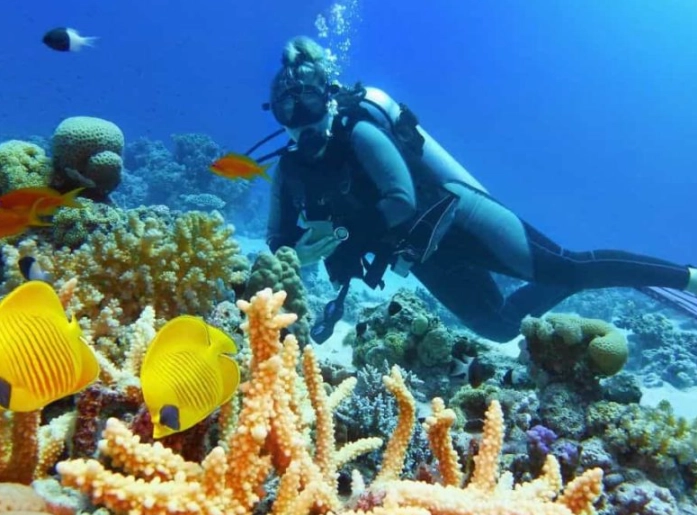
The pros: It's organized, social, and the reefs are pretty good with lots of colorful fish. The cons: It can feel crowded, both on the boats and in the water at the popular moorings. The coral here has seen more pressure than in Ras Mohammed. That said, for a fun, all-inclusive day out with decent snorkeling, it delivers. If you're based in Hurghada, it's your best easy option.
See the pattern? North = accessible, sometimes crowded, but reliably excellent. South = more remote, wilder, chance for unique sightings.
Comparison at a Glance: Where Should You Go?
| Snorkeling Spot / Region | Best For | Access | Marine Life Highlights | Considerations |
|---|---|---|---|---|
| Ras Mohammed (Sharm) | Confident snorkelers, dramatic walls, big fish | Boat trip only (1-2 hrs) | Sharks, barracuda, big schools, pristine hard corals | Can have strong currents, most expensive trip |
| The Canyon (Dahab) | All levels, families, shore access, value | Shore (free) | Turtles, vibrant coral gardens, reef fish | Limited facilities on shore (use local cafes politely) |
| Tiran Island (Sharm) | Wreck & reef combo, pelagic sightings | Boat trip (45-90 mins) | Wreck sites, tuna, dolphins, soft corals | Weather/current dependent |
| Abu Dabbab (Marsa Alam) | Beginners, families, unique wildlife | Shore or short boat ride | Dugong, sea turtles, seagrass ecosystem | Dugong sighting not guaranteed; remote location |
| Giftun Island (Hurghada) | Social boat trips, all-inclusive days | Boat trip (30-60 mins) | Colorful reef fish, occasional rays | Can be crowded; coral shows more wear |
The Practical Stuff: Gear, Seasons, and Not Screwing Up
Knowing where to go is half the battle. The other half is being prepared so you can actually enjoy it.
What Gear Do You Really Need?
Most boat trips and hotels provide basic, often low-quality masks, snorkels, and fins. If you snorkel more than once a year, bring your own mask. A leaky mask ruins everything. Get one that fits your face perfectly (suck in through your nose, it should stay on without the strap). A dry-top snorkel is a nice luxury to prevent water intake. Fins are less critical, but comfortable ones help.
Pro-Tip: Invest in a snorkel vest. Not the bulky orange life jacket, but a slim, inflatable one you wear around your waist or as a vest. It gives you unbelievable confidence, saves energy, and lets you float comfortably to look down. Boat operators usually require you to have some form of flotation anyway.
When is the Best Time to Go?
Egypt's Red Sea is a year-round destination. But there are nuances.
- Peak (April-May, October-November): Perfect air and water temps (24-28°C/75-82°F), minimal wind, best overall conditions. Also the most crowded and expensive.
- Summer (June-September): Very hot on land (35°C+/95°F+), but water is bathtub warm (28°C+/82°F+). Great for long snorkels. South (Marsa Alam) can be very humid. Sea can be glassy calm or have morning breezes.
- Winter (December-March): Cooler air (18-22°C/64-72°F), cooler water (21-24°C/70-75°F). You'll want a wetsuit top or shorty. Far fewer tourists, lower prices. Wind can be stronger, occasionally affecting boat schedules, especially in Hurghada.
My personal favorite is late October. Crowds thin, water's still warm, prices drop.
Respecting the Reef (This is Non-Negotiable)
The reefs are fragile and under pressure. The best snorkeling in Egypt will only stay the best if we protect it.
- NO STANDING: Never stand on coral. It kills it. If you need to rest, float on your vest or go to sandy areas.
- NO TOUCHING: Don't touch anything. Not the coral, not the "cute" sea urchin, not the starfish. Your touch can remove protective coatings or stress animals.
- NO FEEDING: It disrupts natural behavior and diet.
- Sunscreen: Use a reef-safe, mineral-based sunscreen (zinc oxide/titanium dioxide). Many chemicals in regular sunscreen bleach coral. Apply it at least 20 minutes before entering the water.
It's simple: look with your eyes, not your hands.
Planning Your Trip: Boat Tour vs. Shore Snorkel
This is a key decision that affects your budget and experience.
Shore Snorkeling: Places like Dahab (The Canyon, Lighthouse), many Sharm hotels (with their house reefs), and Marsa Alam bays offer incredible snorkeling straight from the beach. It's free (or included in your hotel stay), flexible, and you can go at your own pace. The downside? You're limited to that specific coastal area.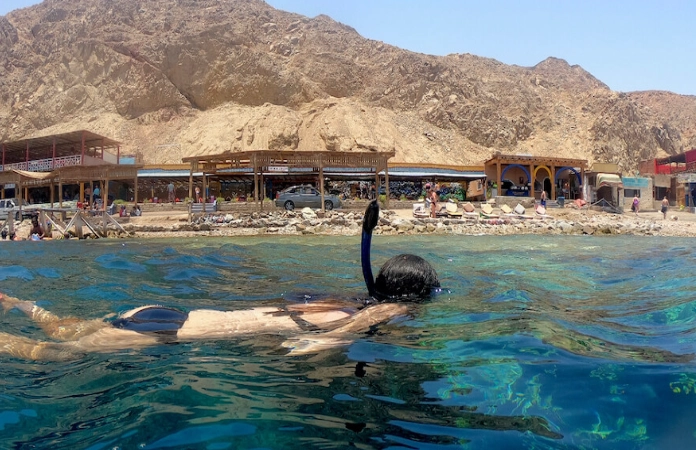
Boat Tours: This is how you reach the iconic offshore sites—Ras Mohammed, Tiran, Giftun. You pay for the trip, which usually includes gear, lunch, and soft drinks. You get to visit 2-3 different sites, see more variety, and often have a guide pointing out cool stuff. Research operators. Look for smaller boats (less crowded) and those with good environmental practices (proper mooring buoys, briefings on reef protection).
A word on "safari" boats: For a multi-day trip, consider a liveaboard snorkeling safari. You sleep on a boat that travels between remote reefs. It's not cheap, but it's the ultimate way to access untouched sites far from any resort. I did a 4-day trip from Port Ghalib south, and the reefs were on another level of pristine. Food for thought if you're truly obsessed.
Answering Your Burning Questions (FAQ)
Do I need a diving license to see good stuff snorkeling in Egypt?
Absolutely not. Some of the most breathtaking coral and fish life is in water shallow enough to stand up in (but please don't!). The reefs start right at the surface. A good snorkeler can see 95% of what a diver sees on a typical reef, just from above. The main difference is time—you can't stay down for an hour at a time.
Is it safe? What about sharks?
Snorkeling in the Red Sea is very safe. The sharks you're likely to see (reef sharks, maybe the occasional oceanic whitetip far offshore) are not interested in you. They're shy and will avoid you. The real risks are sunburn, dehydration, currents, and boat traffic. Always listen to your guide, snorkel with a buddy, and use a surface marker (a float) if you're away from the group or boat.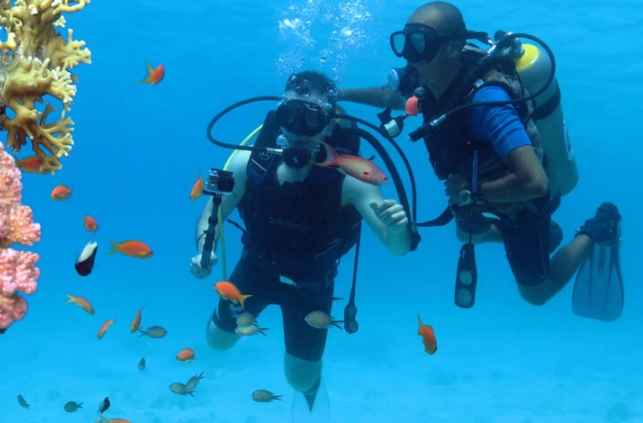
Can I snorkel if I'm not a strong swimmer?
Yes, but you must choose your site carefully and use a flotation vest. The calm, protected bays like Abu Dabbab or the lagoons of many hotel house reefs are perfect. Avoid sites known for currents like certain points in Ras Mohammed. Always inform your guide about your comfort level.
What's the deal with the "house reef"?
Many resorts, especially in Sharm El Sheikh, are built right on a fringing reef. You can literally walk from your sunbed into the water and be over a coral garden. The quality varies, but some, like at the Sharm Old Vic area or certain Naama Bay hotels, are spectacular. It's the ultimate convenience for finding the best snorkeling in Egypt right outside your room.
Wrapping It Up: Making Your Choice
So, where is the best snorkeling in Egypt? It depends on you.
For the overall pinnacle of reef health and drama, it's hard to beat Ras Mohammed National Park. For the best combination of quality, accessibility, and cool vibe, Dahab's The Canyon is a personal favorite. For a chance at a magical animal encounter in a gentle setting, head south to Abu Dabbab near Marsa Alam.
The beauty is, you can't really go wrong. The Red Sea delivers. Pack a well-fitting mask, a reef-safe sunscreen, and a sense of wonder. Do a bit of planning based on what you've read here, respect the underwater world, and you're guaranteed an unforgettable experience.
It's all out there waiting. Now go plan your trip.
Reader Comments