I ruined a snorkeling trip in Hawaii because of my fins. Not because they broke, but because they were a torture device for my wide feet. After 20 minutes, the cramping was so bad I had to float back to shore while my friends explored. The problem? I bought my fins based on my shoe size, not my foot shape. It's the number one mistake snorkelers make.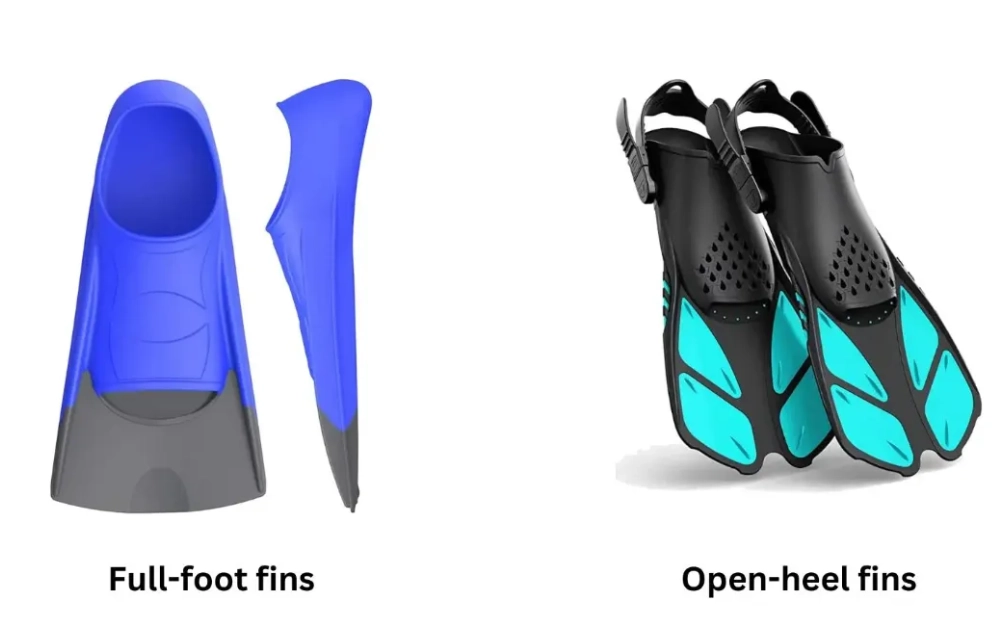
Your foot type—wide, narrow, high-arched, flat—is the single most important factor in choosing comfortable, effective fins. Get it wrong, and you get blisters, cramps, or a fin that slips off. Get it right, and you get effortless power and forget you're even wearing them.
What You'll Learn
Forget Shoe Size. What's Your Actual Foot Type?
Look at your bare foot right now. Is it wider than it is long proportionally? Does your arch leave a big gap when you stand on a flat surface? Most people have never categorized their foot beyond "big" or "small." Let's fix that.
Wide Feet / High Volume: Your foot is broad across the ball and the toes splay out. You often have a high instep (the top of your foot is tall). Shoes that fit in length are usually too tight across the top or sides. This is the most underserved foot type in snorkeling.
Narrow Feet / Low Volume: Your foot is slender. Shoes often feel loose or slip at the heel even when the length is correct. You might have trouble getting straps tight enough without creating pressure points.
High Arches: The middle of your foot doesn't touch the ground much. This can create a high instep and make the top of your foot sensitive to pressure from fin straps or a tight foot pocket.
Flat Feet / Low Arches: Your entire sole makes contact with the ground. You may be more prone to foot fatigue and need a fin with a supportive footbed.
Most of us are a mix. I'm wide with a medium arch. My partner has narrow feet with high arches. The goal is to identify your dominant trait.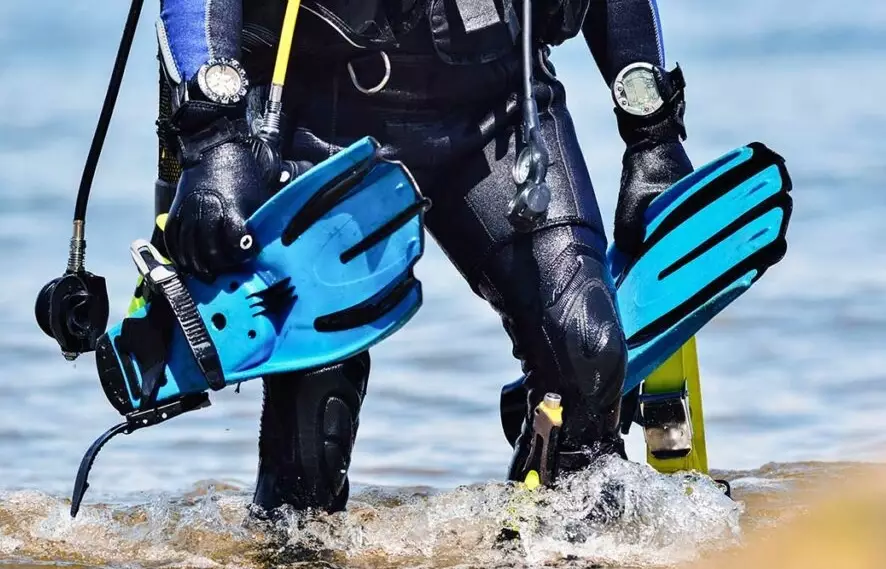
Open-Heel vs. Full-Foot Fins: The Core Choice
This isn't just about warm vs. cold water. The design dictates how the fin accommodates your foot shape.
| Feature | Open-Heel Fins (Adjustable Strap) | Full-Foot Fins (Slipper Style) |
|---|---|---|
| Foot Shape Fit | Superior for odd shapes. The strap adjusts pressure independently of the pocket width. Best for wide feet, high insteps. | Very shape-specific. Must match the exact volume of your foot. Best for "average" or narrow, low-volume feet. |
| Comfort & Protection | Require neoprene booties. This adds a layer that can customize fit and prevent blisters. | Worn barefoot or with thin socks. Less protection, direct contact with rubber. |
| Adjustability | High. Can be loosened/tightened during use. Multiple people can sometimes share. | None. It's a fixed size. What you buy is what you get. |
| Primary Use Case | Colder water, rocky entries, long sessions, and anyone with non-standard foot dimensions. | Warm, tropical water with sandy entries, travel (more compact), and effortless slip-on convenience. |
Here's the expert take most blogs miss: The foot pocket shape varies wildly within these categories. Some open-heel fins have naturally wide pockets (Cressi, some Mares). Some full-foot fins are cut surprisingly generously (the Atomic Aquatics Smoke is known for this). You have to dig into model-specific reviews.
The Wide Foot & High Instep Savior Guide
If you have wide feet, your default search should be for open-heel fins with a reputation for a wide foot pocket. Trust me, going down this path saves hours of pain.
My go-to recommendation is the Cressi Pro Light. Why? The foot pocket is famously roomy across the metatarsal area (the ball of your foot). The plastic is also softer, so it molds rather than fights. Pair it with a 3mm neoprene bootie, and you've got a forgiving, powerful system.
The Mares Avanti Quattro+ is another legend. Earlier Avanti Quattro models (pre-2015 or so) had narrower pockets, but the current "+" version and the "Quattro Power" line have addressed this. They offer tremendous thrust and a more accommodating fit.
What about full-foot fins for wide feet?
It's the hard mode. You must size up, often by two full sizes. This means the fin will be longer than your foot, which can cause drag and fatigue. Brands like Leaderfins (a European brand) offer some models in specific "wide" versions. The Scubapro Go Sport full-foot fin is also cut a bit fuller than most. Always, always check the brand's size chart in centimeters and buy from a retailer with a good return policy.
Narrow Feet & Heel Slippage: The Lockdown Strategy
Your challenge is the opposite. The fin pocket feels cavernous, and the heel strap won't tighten enough to secure your foot without gaping.
First, full-foot fins are often your best friend. They eliminate the heel strap problem entirely. Look for models with a snug, performance fit. The Scubapro Seawing Nova full-foot version is popular for this. The key is finding one where your toes don't crunch at the end, but the sides hug your foot.
For open-heel fins, the secret weapon is neoprene booties with a sturdy sole and fin keepers. The bootie adds volume to your foot, filling the space. Fin keepers are those little rubber loops you attach to the heel strap. They pull the strap downward with more mechanical advantage, locking your heel in place without needing the main buckle to be uncomfortably tight. It's a game-changer.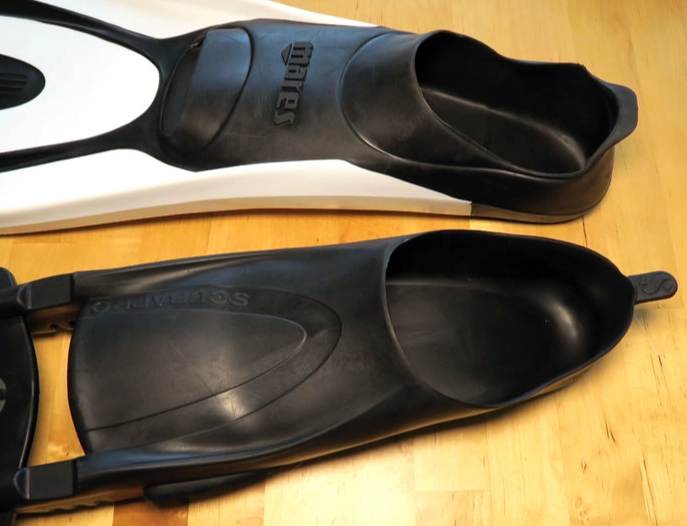
Addressing High Arches and Flat Feet
These are often secondary considerations but important for long-term comfort.
High Arches: Your main issue is pressure on the top of your foot (the instep). A stiff fin strap over a bony instep hurts. The solution is a padded neoprene bootie (at least 3mm) and fins with a wide, padded heel strap. Avoid thin, razor-like straps. Some fins, like certain Oceanic models, have a strap that's almost a wide cushion. This distributes pressure beautifully.
Flat Feet / Pronation: Your foot may want to roll inward (pronate) during the kick cycle. This wastes energy. Look for fins with a channeled blade or stabilizing rails on the sides (like the Mares Avanti Quattro or many split fins). These help keep the fin tracking straight, compensating for the foot's natural tendency to roll. A firm footbed in your neoprene bootie can also provide extra support.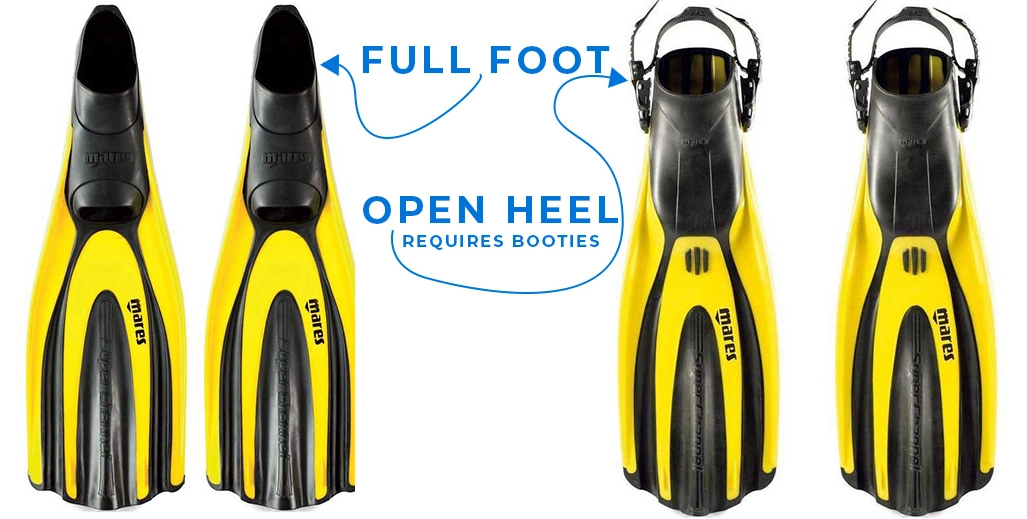
Your 3-Step Fitting Protocol Before You Buy
Don't just order online and hope. Follow this.
Step 1: The Home Audit. Identify your foot type using the descriptions above. Measure your foot in centimeters. Gather your best-fitting athletic shoe and your worst-fitting one. Note why the bad one fails (tight across top? loose heel?). This tells you your fit priority.
Step 2: The Research Shortlist. Based on your foot type: - Wide/High Instep: Shortlist open-heel fins known for wide pockets (Cressi Pro Light, Mares Avanti Quattro+, Scubapro Go Travel). - Narrow/Low Volume: Shortlist snug full-foot fins or open-heels with good strap systems (Atomic Aquatics Smoke, many split fin models). Search for those model names plus "wide foot" or "narrow heel" in scuba and snorkel forums. Read the negative reviews—they reveal fit issues.
Step 3: The Live Test (or Simulate It). If you can try in a store, bring the socks you'll wear. Put the fin on. It should feel snug but not painful. For open-heel, buckle it over the bootie. Point your toe. There should be no pinching on the sides or top. For full-foot, walk around. Your toes should not be jammed or curled. They should lie flat. If between sizes, size up for full-foot, size for your bootie for open-heel.
Can't test live? Buy from a site with free returns (like LeisurePro or directly from some manufacturers). Order two sizes. Try them with the exact booties you own. Keep the one that works.
Frequently Asked Questions
Are open-heel fins better for wide feet?
Generally, yes. Open-heel fins with adjustable straps are the top recommendation for wide feet. The strap system allows you to customize the fit across the top of your foot without squeezing the sides, which is the main issue with full-foot pockets. Look for models with wide foot pockets specifically, like the Cressi Pro Light or some Mares Avanti Quattro variations. Avoid any full-foot fin that feels tight across the ball of your foot, even if the length seems right.
My heels slip in adjustable fins. What's the fix?
This is a common issue with narrow heels or low-volume feet. First, ensure you're wearing proper neoprene booties, which fill out space. Second, look for fins with a heel strap that has multiple adjustment points or a bungee-style retention system, which applies even pressure. Many divers overlook fin keepers (little rubber straps that go behind the heel strap). They cinch the strap down tighter without creating pressure points on your Achilles tendon. It's a cheap and effective solution.
Can I use my regular shoe size for full-foot fins?
This is the most common mistake. Never assume your shoe size translates directly. Foot shape and volume matter far more. A US size 9 running shoe (narrow) and a US size 9 hiking boot (wide) are completely different. Always refer to the manufacturer's size chart, which often includes foot length in centimeters. Measure your bare foot from heel to longest toe. More critically, consider your foot's width and height. If you're between sizes or have a high instep, always size up for a full-foot fin to avoid cramping and numbness.
Do I need booties with open-heel fins for warm water?
Almost always, yes. Even in warm water, a thin 1-2mm neoprene sock or bootie is crucial. It protects your feet from blisters caused by the fin straps rubbing, provides insulation from the fin's rubber (which can get surprisingly cold), and offers protection when walking on rocky shores or boat decks. The only exception might be in perfectly calm, sandy-entry locations where you can don the fins while already floating. For 95% of snorkelers, booties are non-negotiable for comfort and safety with open-heel fins.
Reader Comments