Let's get this out of the way first: buying budget snorkeling equipment for adults doesn't mean you're doomed to leaky masks and floppy fins. Not at all. I've been snorkeling for over a decade, from cheap package tours to remote atolls, and I've learned that spending more doesn't automatically mean a better experience. The real trick is knowing where to save and where to never, ever compromise. You can absolutely assemble a reliable, comfortable kit for under $100 that will last for years of tropical vacations. This guide cuts through the marketing noise and shows you exactly how.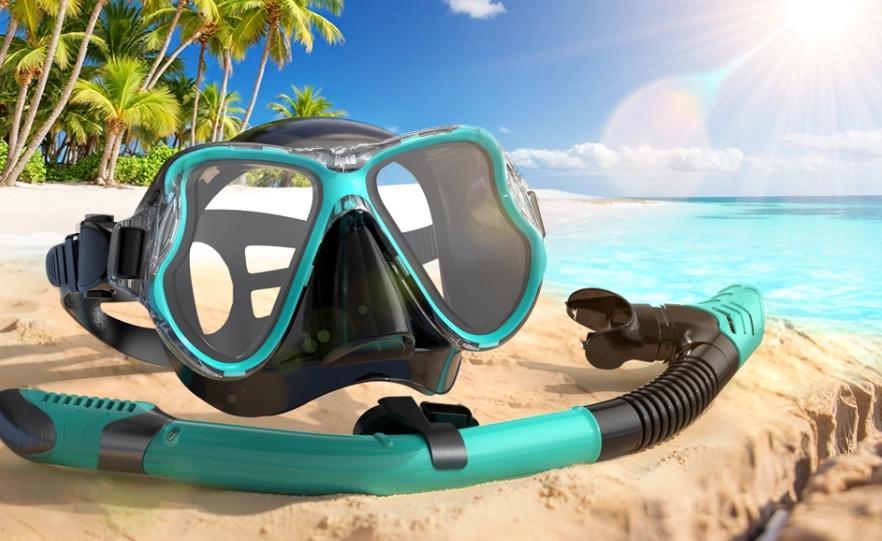
In This Article
- Why Budget Gear Makes Sense (And When It Doesn't)
- How to Choose a Budget Snorkeling Mask That Actually Fits
- How to Choose a Budget Snorkel That Won't Flood
- How to Choose Budget Snorkeling Fins That Work
- Are Budget Snorkel Sets Worth It? A Detailed Breakdown
- Non-Obvious Advice from a Decade in the Water
- Your Budget Snorkeling Questions, Answered
Why Budget Gear Makes Sense (And When It Doesn't)
Think about it. The average adult goes snorkeling maybe once or twice a year on vacation. Dropping $300+ on premium gear from brands like Scubapro or Atomic Aquatics is overkill. Budget gear is perfect for the casual, warm-water snorkeler.
Where does the money go in expensive gear? Often it's for materials that withstand extreme pressure (for scuba diving), ultra-wide panoramic views (which can actually distort vision for beginners), or hyper-technical features you simply don't need floating on the surface. A $40 mask from a reputable budget brand uses the same tempered glass and silicone skirt as a $120 mask. The difference is often in the precision of the mold, the buckle system, and the brand name on the frame.
However, "budget" has a floor. I'm talking about the $25-$80 range per item, not the $9.99 junk from a random online seller. That floor exists for a reason: safety and basic functionality. A mask that doesn't seal is useless. Fins that fall apart can strand you. The goal is to find the sweet spot of value.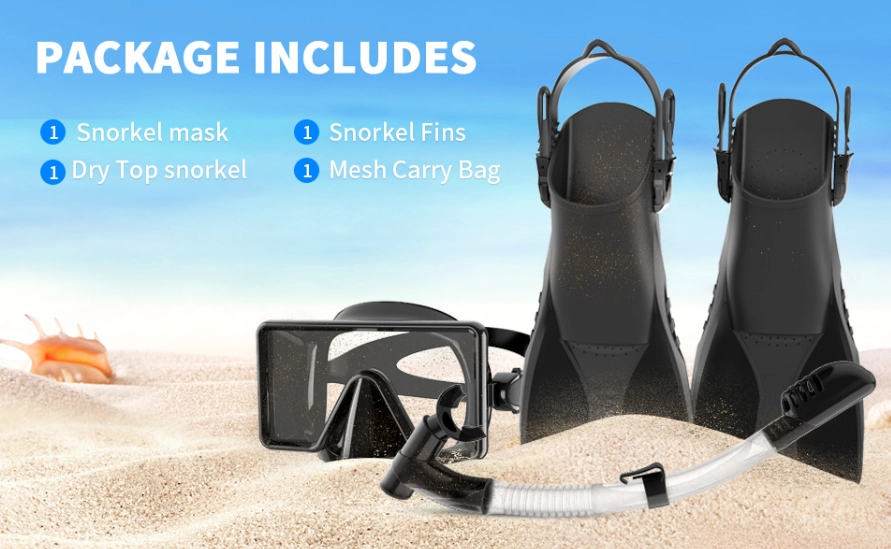
How to Choose a Budget Snorkeling Mask That Actually Fits
This is the single most important piece. A leaking, foggy mask ruins everything. Forget brand loyalty for a second; fit is king.
The Suction Test is Everything. If you can buy in person, do it. Place the mask on your face without using the strap. Inhale gently through your nose. The mask should stick to your face by suction alone for a few seconds. No air should seep in. Now check the skirt (the soft part). It should sit comfortably across your brow, along your cheekbones, and over the bridge of your nose without pinching.
Common fit problems? A gap under the nose often means the mask is too big or your nose bridge is high. Pressure points on the forehead mean the frame shape is wrong for you. I have a relatively narrow face, and I've found masks from Cressi and U.S. Divers often fit me better than wider Italian brands.
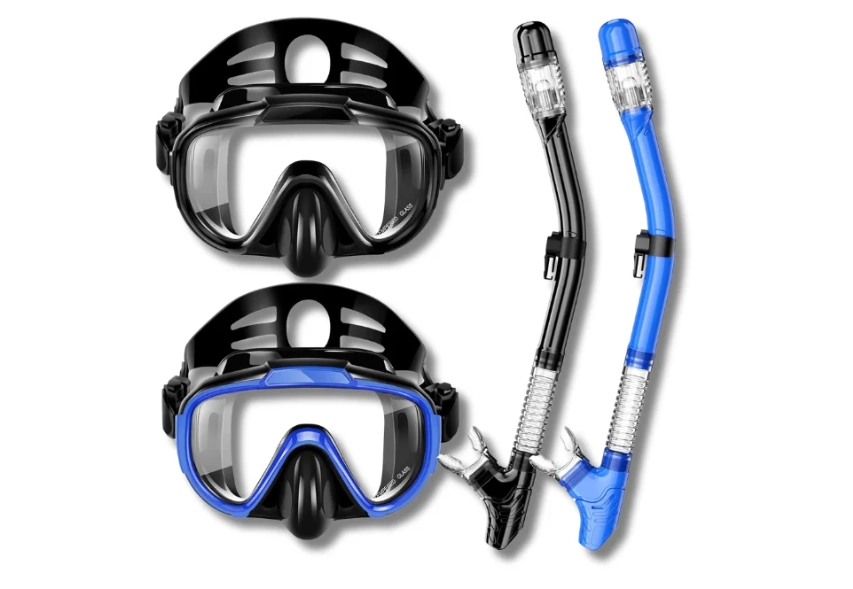
For budget masks, look for these non-negotiable features:
- Tempered Glass Lens: This is a safety standard. It won't shatter into sharp pieces. Any mask without it is an immediate no.
- Silicone Skirt: Not PVC. Silicone is softer, more durable, and hypoallergenic. Clear or translucent silicone lets in more light and feels less claustrophobic.
- An Adjustable Strap with Easy Buckles: The strap should have wide, quick-adjust buckles. The cheap, thin straps with fiddly sliders are a constant annoyance.
Top Budget Mask Picks to Research
Based on consistent user reviews and my own experience:
- Cressi F1 Frameless Mask: Often around $35-$50. A classic. The frameless design contours well to many face shapes. Super simple, reliable.
- U.S. Divers Proflex V2: Usually $30-$45. Popular for its dual-seal skirt, which can help with tricky fits. The purge valve at the nose is a gimmick for snorkeling, ignore it, but the basic fit is good.
- SeaVision Elite Snorkel Mask: A budget-friendly option in the $40-$60 range from a brand known for prescription masks. Good for a standard, no-fuss fit.
How to Choose a Budget Snorkel That Won't Flood
The snorkel is simple, but bad design leads to a mouthful of saltwater. You want a semi-dry snorkel. Not a basic J-tube, and not necessarily a full "dry" snorkel (which can be bulky and have reliability issues at the budget end).
A semi-dry snorkel has a simple splash guard at the top—a little plastic cover that deflects waves from pouring directly down the tube. It's effective and has no moving parts to break. The mouthpiece is critical. It should be soft silicone, not hard plastic. Look for a rotatable bite piece so you can angle it comfortably in your mouth.
Flexible tube or rigid? I prefer a flexible lower section. It allows the snorkel to move with your head, reducing jaw fatigue and preventing the mask from being tugged. Avoid snorkels with complex purge valves at the bottom; they're another thing to clog with sand.
My go-to for years was a basic Cressi Supernova Dry or similar semi-dry model. They retail around $20-$30 and just work.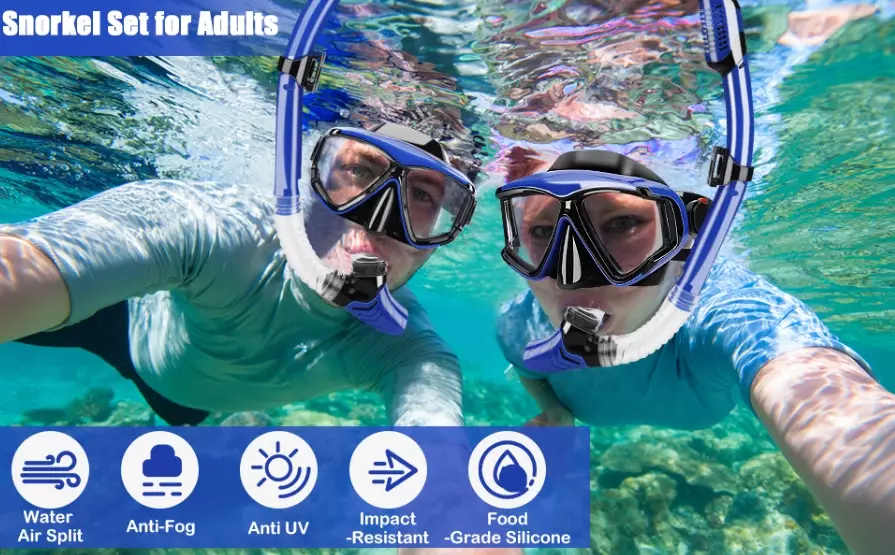
How to Choose Budget Snorkeling Fins That Work
Here's where you can save the most, but also where a terrible choice can ruin your day. The goal is efficient propulsion without leg cramps.
Full-Foot vs. Open-Heel: For warm-water, beach-entry snorkeling, full-foot fins are the budget winner. They're lighter, simpler, and cheaper. Just slip them on like shoes. Get them with a closed toe to protect your feet from rocks. Sizing is crucial—they should fit snugly with your dive skin or barefoot, but not cut off circulation. If your feet are between sizes, size up.
Open-heel fins require booties, which is an extra cost and are really for colder water or rocky shores. Avoid that complexity on a budget.
Material Matters: Budget fins are usually all rubber or a rubber/plastic composite. All-rubber blades are more flexible and better for beginners—they require less leg strength. Stiffer, composite blades are more efficient but can tire you out faster. For the casual snorkeler, softer is usually better.
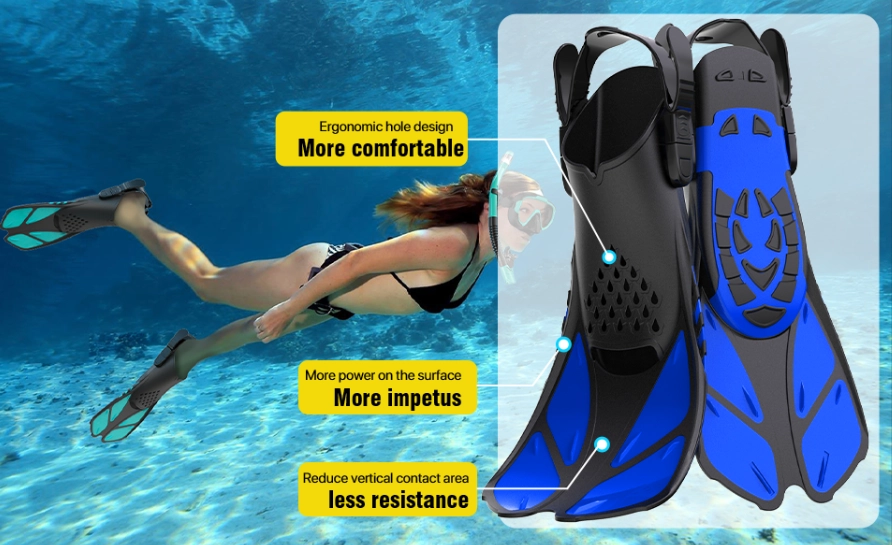
A good budget fin will have vented sides (holes near the foot pocket). This makes the kick easier on the upstroke. Brands like Leaderfins or Cressi's Pro Light offer excellent value in the $30-$50 range.
Are Budget Snorkel Sets Worth It? A Detailed Breakdown
This is the big question. A set (mask, snorkel, fins, often a bag) can seem like a steal. Sometimes it is. Often, it's a compromise. Let's break down what you're really getting.
The main risk with a cheap set is that one component will be sub-par, usually the mask. The set is only as good as its weakest link. A great fin and snorkel paired with a leaky mask is a bad deal.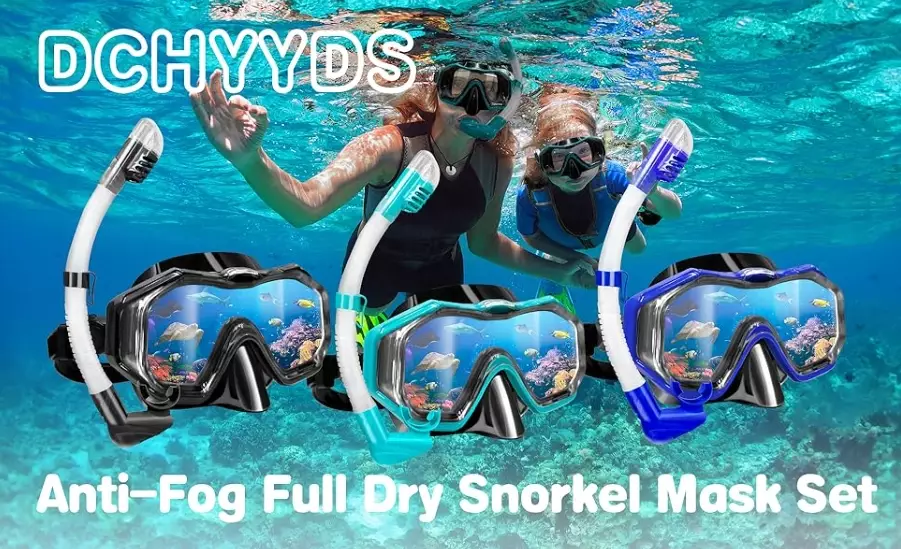
| Set Brand/Model (Example) | Typical Price | Pros | Cons & Watch-Outs | Verdict |
|---|---|---|---|---|
| Cressi Palau Set | $70 - $90 | All Cressi-branded, decent quality control. The mask is a basic but serviceable model. Fins are good beginner full-foot fins. Bag included. | The mask is a one-size-fits-most; may not suit unique face shapes. It's an entry-level mask. | Good Value. A safe bet from a known brand. The components are balanced. |
| U.S. Divers Luxe Set | $60 - $80 | Often includes a dry-top snorkel. Proflex-style mask. Looks comprehensive. | The "dry" snorkel mechanism can be finicky. The fins can be on the stiffer side. | Decent, but try the mask first. If the mask fits you, it's a solid kit. |
| Generic "XYZ Sports" Set on Amazon | $30 - $50 | Extremely low cost. Comes with everything, even a tube of anti-fog. | Unpredictable quality. Masks often use lower-grade silicone and poor seals. Fins can be floppy or stiff in the wrong way. High risk of disappointment. | AVOID. You'll likely need to replace it after one trip, making it more expensive in the long run. |
My advice? If you're a standard face shape and just want simplicity, a set from Cressi, U.S. Divers, or SeaVision is a perfectly reasonable starting point. If you've ever had trouble with glasses or goggles fitting, buy the mask separately and then get a snorkel/fin combo.
Non-Obvious Advice from a Decade in the Water
This is the stuff you won't find in most product listings.
The Strap Adjustment Nobody Talks About: Don't just crank the mask strap tight. That causes leaks by rolling the skirt. Put the mask on, then tighten the strap just enough to hold it. Now, press the skirt against your face with your fingers and inhale to get a perfect seal. Then secure the strap. The strap's job is to stop the mask from falling off, not to create the seal. That's the skirt's job.
Anti-Fog is a Crutch for a Dirty Lens. New masks have a factory coating that will fog instantly. You must scrub it off with a tiny bit of toothpaste (non-gel) or dedicated mask scrub. Rinse thoroughly. After that, a light spit-and-rinse before each entry works better than most cheap anti-fog liquids. Commercial defog is fine, but the pre-cleaning is 90% of the battle.
Bag Choice Matters. The mesh bag that comes with sets is for drying, not for packing in your suitcase. Pack your mask somewhere it won't get crushed. A fin stepping on the lens in transit can crack it, even if it's tempered glass.
Finally, consider a rash guard or dive skin (a thin, full-body Lycra suit) as part of your "budget gear." For $30, it prevents sunburn (sunscreen kills coral), protects from minor scrapes and jellyfish, and provides warmth. It's the most cost-effective comfort and safety upgrade you can buy.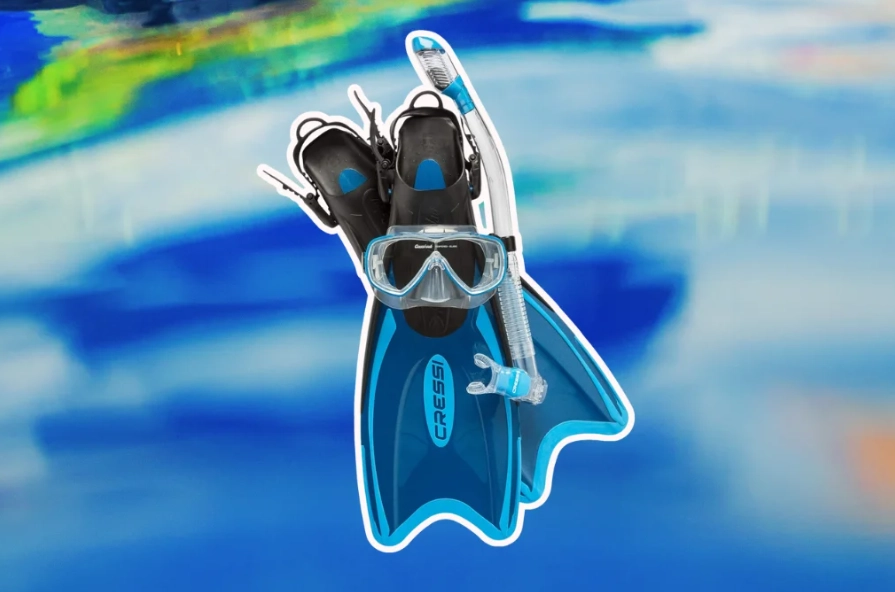
Your Budget Snorkeling Questions, Answered
 I'm going to Hawaii once. Should I just rent gear?
Putting together your own budget snorkeling kit is empowering. It takes a little research, but the payoff is huge: comfort, familiarity, and the freedom to explore whenever you see inviting water. Skip the rental counter, ignore the overpriced resort shops, and invest in a setup that works for you. Your future self, floating over a coral garden, will thank you.
Reader Comments