Let's cut to the chase. The best type of snorkeling mask isn't a single model you can just buy online. It's the one that fits your face perfectly and matches how you snorkel. A mask that leaks or fogs up can ruin an entire trip. I've seen it happen—people spending a fortune on a tropical vacation only to spend half the time fighting with their gear, clearing water, or squinting through a foggy lens.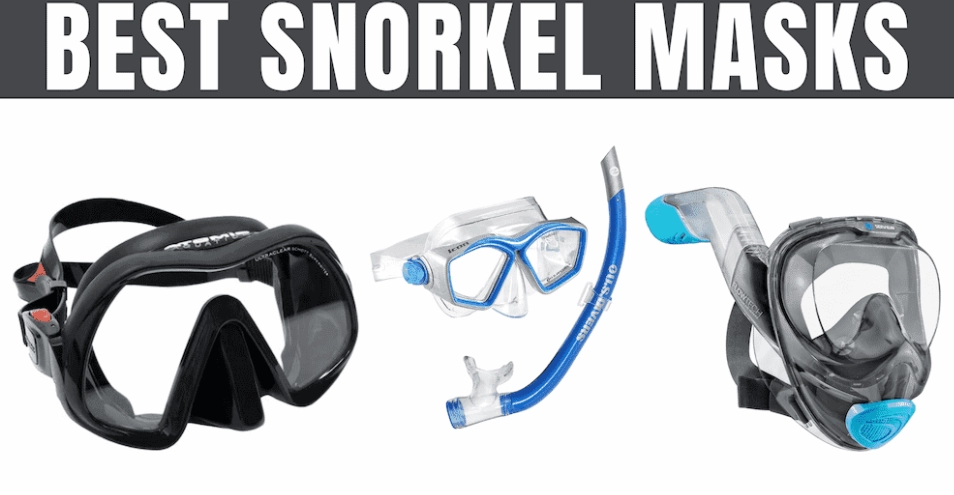
After years of guiding trips and testing gear, I can tell you the choice boils down to three main types: the popular full-face mask, the reliable traditional mask, and specialized options like prescription masks. The "best" one depends entirely on your needs, face shape, and snorkeling goals.
Your Quick Snorkel Mask Guide
- The Great Mask Showdown: Full-Face vs. Traditional
- The Non-Negotiables: How to Test a Mask for Perfect Fit
- Beyond the Skirt: Lens Shapes, Materials & Key Features
- For Specific Needs: Prescription, Optical & Freediving Masks
- 5 Common Mistakes New Snorkelers Make (And How to Avoid Them)
- Your Snorkel Mask Questions, Answered
The Great Mask Showdown: Full-Face vs. Traditional
This is the biggest debate in snorkeling. Let's break it down without the marketing hype.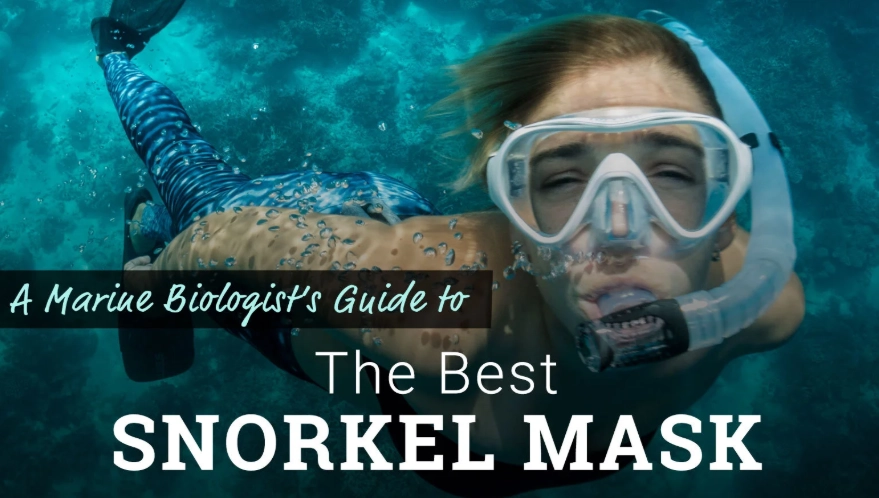
The All-in-One: Full-Face Snorkeling Masks
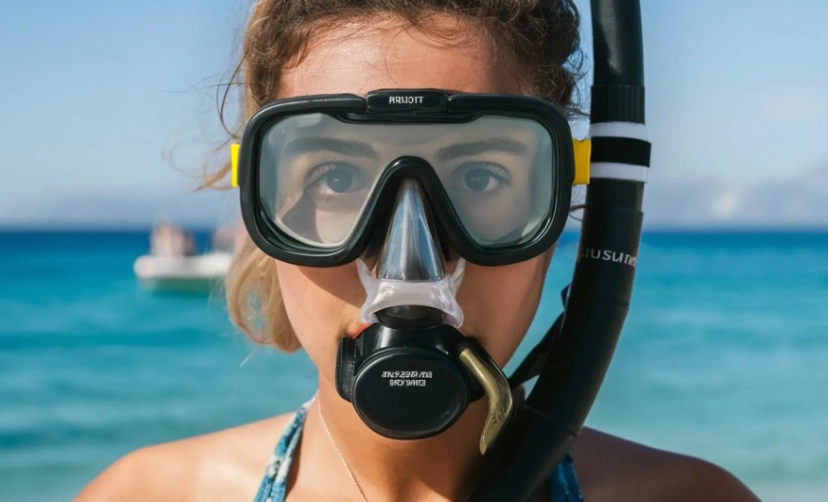
Full-face masks cover your eyes, nose, and mouth in one unit. Breathing feels more natural because you can breathe through both your nose and mouth. The view is often panoramic. Sounds perfect, right? Not always.
I used one in Hawaii. The first ten minutes were amazing—easy breathing, wide view. Then, problems started. The seal around my jawline felt inconsistent. A tiny leak meant water pooled in the chin area, which is harder to clear than in a traditional mask. The bigger issue was CO2 buildup. On a calm swim, it was fine. But when I kicked a bit harder to follow a turtle, I started feeling lightheaded and short of breath. That's a real risk, especially for beginners who might not recognize the symptoms. The U.S. Coast Guard has issued warnings about potential safety concerns with some designs.
Best for: Very casual, surface-only snorkelers who prioritize easy breathing and get anxious with a separate mouthpiece. Not ideal for: Anyone who plans to dive down even a few feet, has facial hair, or wants a guaranteed, leak-proof seal.
The Tried-and-True: Traditional Two-Piece Masks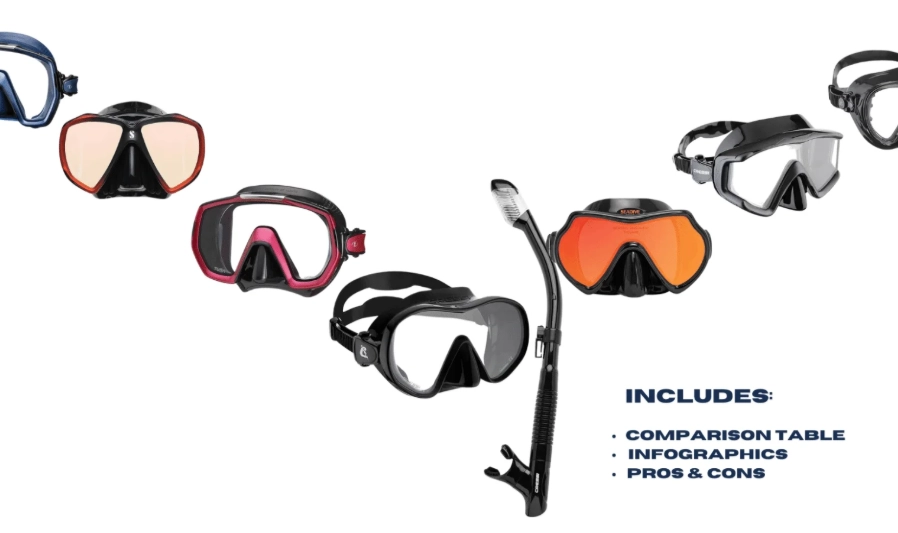
This is the standard: a separate mask for your eyes and nose, and a detachable snorkel for your mouth. It's what most dive shops provide and what experienced snorkelers and divers use universally.
The advantage is control and reliability. You learn a simple technique to clear water from the mask with an exhale through your nose. You can easily equalize pressure in your ears if you dive down. The skirt (the soft part that seals to your face) comes in countless shapes and sizes to fit unique facial structures—something full-face masks struggle with.
The learning curve is slightly steeper. Getting used to breathing only through your mouth takes a few minutes. But once you do, it's second nature. For versatility, safety, and a guaranteed fit, a well-fitted traditional mask is, in my professional opinion, the superior choice for most people.
| Feature | Full-Face Mask | Traditional Mask |
|---|---|---|
| Breathing | Natural (nose & mouth) | Mouth-only (via snorkel) |
| Field of View | Often wider, panoramic | Standard or wide (depends on lens) |
| Fogging Risk | Lower (separate breathing chamber) | Higher (requires anti-fog) |
| Diving Down | Not Recommended / Dangerous | Easy & Safe (allows equalization) |
| Fit Customization | Limited (few sizes/styles) | High (many skirt shapes & sizes) |
| Water Clearing | More difficult (must tilt head back) | Simple (exhale through nose) |
| Best User | Absolute beginner, surface-only | Most snorkelers, aspiring divers |
The Non-Negotiables: How to Test a Mask for Perfect Fit
Forget brand names for a second. Fit is everything. A $50 mask that fits is better than a $200 mask that leaks. Here's the real-world test, the one we use in dive shops.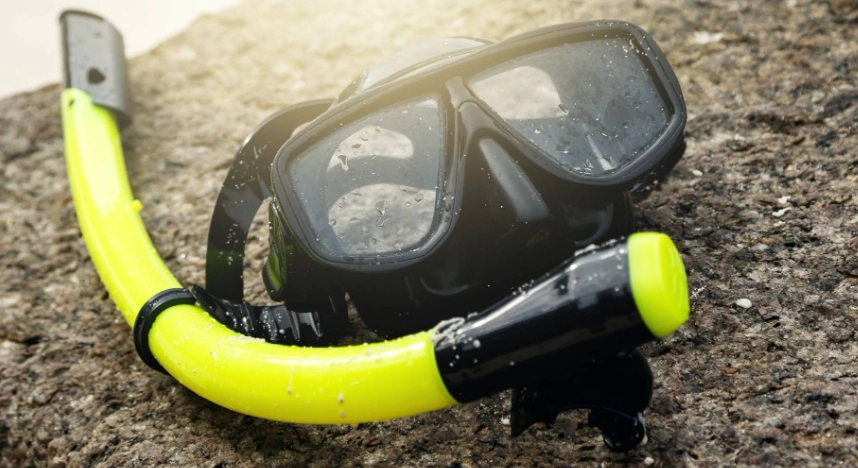
1. The Suction Test (No Strap): Place the mask gently on your face. Don't put the strap over your head. Inhale slightly through your nose. The mask should suction to your face and stay put without you holding it. If it falls immediately, the seal is bad.
2. The Skirt Check: The silicone skirt should sit flat against your skin. Run your finger along the edge. Pay special attention to the bridge of your nose and the indentations beside your nose—these are major leak points. There should be no gaps or hair caught under the seal.
3. The Field of Vision Test: While the mask is suctioned to your face, look down toward your feet, left, and right. You shouldn't see the black frame of the mask in your central vision. Low-volume masks (which sit closer to your face) typically offer a better field of view.
Beyond the Skirt: Lens Shapes, Materials & Key Features
Once you know it fits, look at the details.
- Single Lens vs. Dual Lenses: Single lenses (one big piece of glass) offer an unobstructed view. Dual lenses (separate glasses for each eye) often allow for prescription inserts. There's no "better" option—it's about preference and need.
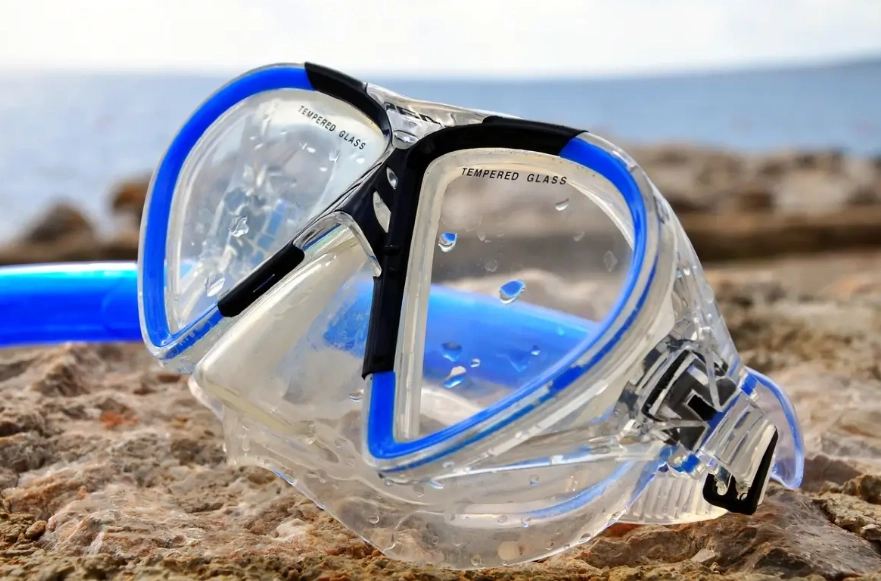
- Tempered Glass vs. Plastic: Always choose tempered glass. It's scratch-resistant and safety-tested. Plastic lenses scratch if you so much as look at sand wrong and can fog permanently.
- Color Tints: This isn't just for looks. Amber or rose-tinted lenses enhance contrast in green/blue water, making coral and fish pop. Clear or blue tints are for low-light conditions. I prefer a light amber tint for tropical snorkeling.
- Purge Valve: A one-way valve at the bottom of the mask to let water out. Useful for beginners, but an extra point of potential failure. Most experienced snorkelers find a basic mask easier to clear without one.
- Skirt Color: Black skirts reduce internal light reflection, minimizing glare. Clear skirts let in more light and can feel less claustrophobic. For bright, sunny conditions, I always go black.
For Specific Needs: Prescription, Optical & Freediving Masks
What if you wear glasses? Or want to dive deeper?
Prescription Masks: If your vision is worse than -4.00, you need a custom mask. Companies like Prescription Dive Masks or SeaVision bond your actual prescription to mask lenses. It's an investment ($150-$300) but transforms the experience from a blur to HD.
Optical (Diopter) Masks: These have built-in corrective lenses in standard increments (-1.0, -2.0, etc.). They're a cheaper, off-the-shelf solution if your prescription is simple and similar in both eyes. The fit is still paramount.
Freediving/Low-Volume Masks: These sit incredibly close to your face, minimizing the air space. Why does this matter? When you dive down, water pressure compresses the air in your mask. The smaller that air space, the less you have to exhale from your nose to equalize the pressure, saving precious breath-hold air. They're not just for pros—anyone who likes duck-diving will appreciate them.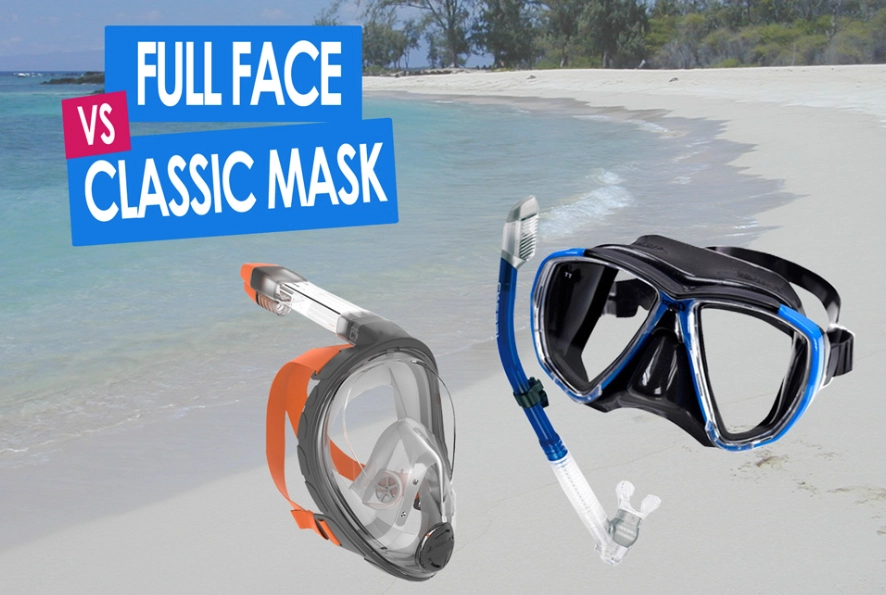
5 Common Mistakes New Snorkelers Make (And How to Avoid Them)
- Buying Online Without Trying: Your friend's favorite mask probably won't fit you. If you must buy online, choose retailers with excellent return policies.
- Overtightening the Strap: The strap's only job is to keep the mask in place. The seal is created by the skirt and water pressure. A strap cranked too tight curls the skirt and causes leaks.
- Using Toothpaste as Anti-Fog: Modern toothpaste often has moisturizers that leave a film. Use a proper, gel-based anti-fog product. Spit works in a pinch, but it's not as reliable or hygienic.
- Not Rinsing After Use: Saltwater and sand destroy silicone and mechanisms. Rinse your mask thoroughly with fresh water after every single use, especially the skirt.
- Storing it in Direct Sunlight: UV rays degrade silicone, making it brittle and prone to cracking. Dry your mask in the shade and store it in a protective case.
Your Snorkel Mask Questions, Answered
Can I wear glasses with a snorkel mask?
Why does my new mask keep fogging up, and how do I stop it?
Is a purge valve on a mask worth it for a beginner?
How often should I replace my snorkeling mask?
My mask fits in the store but leaks in the water. What's wrong?
Reader Comments