Quick Guide to Snorkeling in Cayman
- Why the Cayman Islands Are a Beginner Snorkeler's Dream
- Gearing Up: What You Really Need (and Don't Need)
- Top Snorkeling Spots in Cayman for Beginners: Where to Start
- Your First Time in the Water: A Step-by-Step Mindset
- Marine Life 101: What You're Actually Looking At
- Safety & Etiquette: Don't Be That Person
- Answering Your Big Questions (FAQ)
- Beyond the Basics: When You're Ready for a Bit More
- Making It Happen: Final Practical Tips
So you're thinking about trying snorkeling in Cayman Islands for beginners? Good call. Really, it's one of the best places on the planet to dip your toes into the underwater world. The water is so clear it feels like you're floating in a giant swimming pool, and the marine life? Forget about it. It's like swimming in a National Geographic documentary, but without the scary parts (mostly). I remember my first time off Seven Mile Beach, just floating there, watching a parade of colorful fish go by like I wasn't even there. It's a special feeling.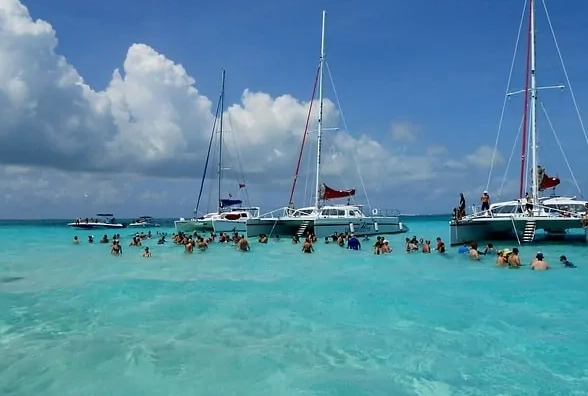
But let's be real. The idea can also be a bit nerve-wracking if you've never done it before. What if you swallow water? What if you can't figure out the gear? Where do you even go that's safe and easy? This guide is here to answer all of that. We're going to walk through everything, step-by-step, from picking your first spot to what to do when you see a stingray up close. Consider this your friendly, no-BS handbook for snorkeling in Cayman Islands for beginners.
Why the Cayman Islands Are a Beginner Snorkeler's Dream
Not all snorkeling destinations are created equal. Some have rough waves, or murky water, or require a boat ride just to see anything good. The Caymans are different. The three islands—Grand Cayman, Cayman Brac, and Little Cayman—sit on massive underwater walls. This geography does something magical: it creates incredibly calm, shallow areas near shore that are teeming with life. The visibility is routinely over 100 feet. That means you can see everything clearly without having to dive down deep.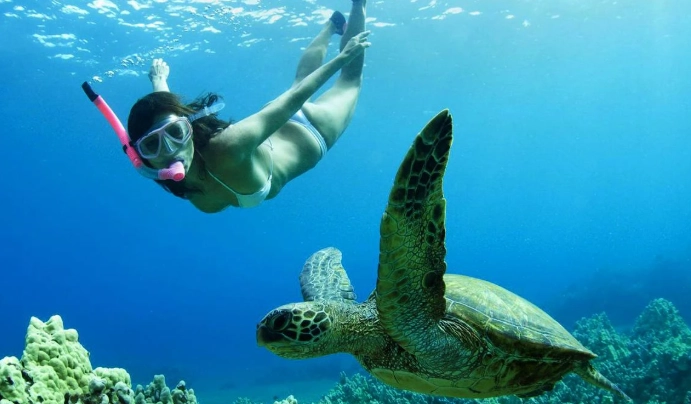
The government also takes marine protection seriously. The Cayman Islands Department of Environment manages a network of Marine Parks and Environmental Zones. What does that mean for you? More fish, healthier coral, and a better overall experience. It's a system that works, and you'll notice the difference. You can learn more about their conservation efforts and rules on the official Department of Environment website—it's good to know the "look but don't touch" rules before you go.
And the vibe is just... easy. You can often just walk off a beautiful beach and be in a snorkeling paradise. No drama. That's the biggest win for a beginner.
Gearing Up: What You Really Need (and Don't Need)
Alright, let's talk gear. This is where most first-timers get tangled up, literally. You don't need to buy the most expensive stuff, but you do need things that fit.
The Essential Kit
Mask & Snorkel: Go to a dive shop, even at home, and try masks on. Press it to your face without the strap, inhale slightly through your nose, and let go. If it stays suctioned on for a few seconds, you've got a good seal. No mustache interference! For the snorkel, a simple J-shaped tube is fine. Fancy purge valves and dry-top snorkels (which stop water from entering when you dive under) are nice but not essential for your first few times in calm water.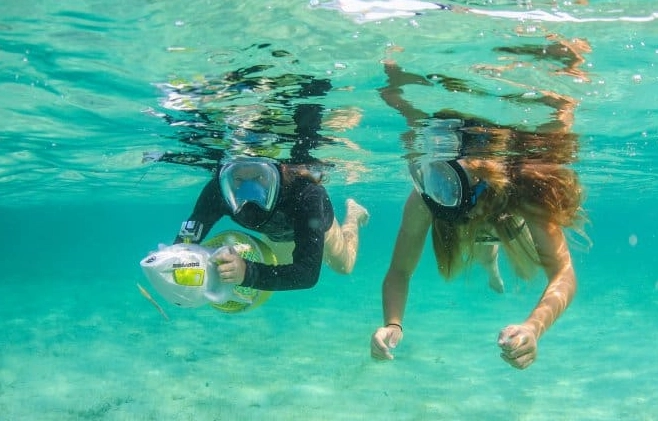
Fins: You want full-foot fins (like slippers) for shore snorkeling. They're easier to walk in on the beach. Open-heel fins (with straps) are for scuba diving with boots. Get fins that are snug but not tight. Blisters ruin the fun.
The Extras: A rash guard or a thin, long-sleeved shirt is a game-changer. It protects your back from the sun—you'll be floating face down for a long time—and can prevent minor scrapes. Don't rely on sunscreen alone; it washes off and can harm the coral. Speaking of which, if you must use sunscreen, make sure it's reef-safe and mineral-based (zinc oxide/titanium dioxide). Many shops on island sell it.
Rental vs. Buying
For your first trip, renting is totally fine and cost-effective. Most hotels and dedicated snorkel shops have decent gear. The advantage? You can try different styles. The disadvantage? Hygiene and fit can be hit or miss. If you know you'll catch the snorkeling bug, investing in your own mask is worth every penny for the comfort and clarity alone.
Top Snorkeling Spots in Cayman for Beginners: Where to Start
This is the good stuff. Where should you, as a newbie, actually go? The Caymans are full of spots, but some are friendlier than others. Here’s a breakdown of the best places to start your snorkeling in Cayman Islands for beginners journey.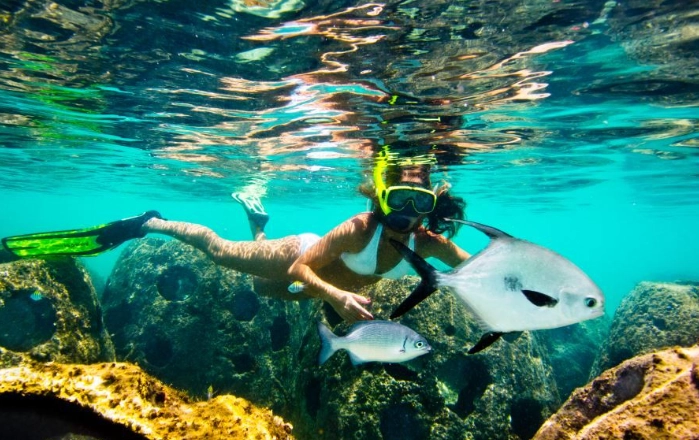
| Spot Name | Island | Why It's Great for Beginners | What You'll See | Access & Notes |
|---|---|---|---|---|
| Stingray City Sandbar | Grand Cayman | Waist-deep water, amazing animal interaction. | Southern stingrays, sometimes other fish. | Boat trip only (many tours). Can get crowded. |
| Starfish Point | Grand Cayman | Extremely shallow, calm, sandy bottom. | Large red cushion sea stars (starfish). | By car/boat. Please look, don't lift them out of water. |
| Smith's Cove | Grand Cayman | Protected cove, easy entry from small beach. | Colorful fish, coral formations, turtles. | Free public access. Popular, so go early. |
| Cemetery Reef | Grand Cayman | Swim from shore at Cemetery Beach. Gradual slope. | Spectacular coral, huge variety of fish, tarpon. | Public beach. Some currents possible on windy days. |
| Bloody Bay Wall Marine Park | Little Cayman | For the adventurous beginner. Wall starts shallow. | Unbelievable drop-off, big sponges, eagle rays. | Usually a boat trip from resort. Supervised is best. |
A Closer Look at Two Classics
Stingray City: It's famous for a reason. You take a boat out to a sandbar in the North Sound. The water is so shallow you can stand. Dozens of wild but friendly southern stingrays glide around, used to visitors. Guides will often help you hold one (safely). It's surreal. Is it a bit touristy? Yes. Is it still absolutely magical, especially for a first-timer? 100%. It's a core memory kind of place. Just book a morning tour to avoid the biggest crowds.
Smith's Cove: This is my personal favorite for a chill afternoon. It's a picture-perfect little cove with limestone steps leading into the water. You put your face in and bam—schools of blue tangs, parrotfish, maybe a turtle munching on seagrass. The area is protected by rocks, so the water is almost always calm. It's the ideal spot to practice your snorkeling skills without any pressure. Parking is tight, though.
Your First Time in the Water: A Step-by-Step Mindset
You've got your gear, you've picked your spot. Now what? Let's walk onto the beach.
Find a calm spot in waist-deep water. Put your fins on last, walking backwards or sitting in the water. Secure your mask—not too tight, straps above the ears. Put the snorkel in your mouth and bite gently on the mouthpiece. Lie forward on the water. Just float. Breathe slowly and deeply through your mouth. Listen to the sound of your breath. It's loud at first, then it becomes peaceful.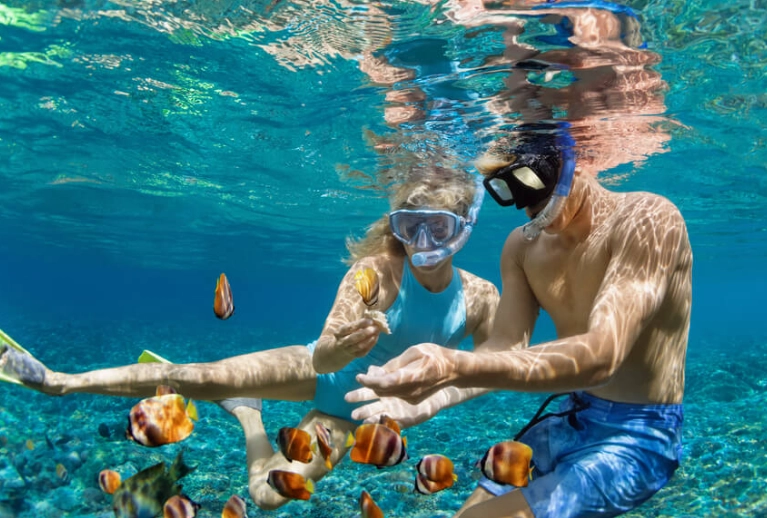
Now, look down. Welcome to the other 70% of the planet.
If water gets in your snorkel, don't panic. Just give a strong, sharp exhale through your mouth to blast the water out the top. That's what the tube is for. If your mask fogs, spit in it (yes, really), rub it around, and rinse it quickly. It creates a temporary anti-fog layer. Works better than most commercial sprays.
What if I'm not a strong swimmer?
This is the #1 fear. First, use a flotation device. Many tour operators provide foam noodles or buoyancy belts—ask for one, no shame at all. Second, stick to the spots in the table above where you can stand or are very shallow (Starfish Point, Stingray City Sandbar). Third, never snorkel alone. Go with a buddy or a guided group. Your confidence will build fast.
Marine Life 101: What You're Actually Looking At
It's more fun when you know who the neighbors are. The Cayman waters are bustling. Here's a quick who's who.
- Parrotfish: These are the loud, colorful characters. They're often bright blue, green, or purple with beak-like teeth. You'll hear them crunching on coral. They're essential for creating the white sand you're lying on.
- Blue Tangs: The little royal blue fish that swim in groups. Think Dory from Finding Nemo. They're everywhere in the shallows.
- Sergeant Majors: Small, yellow-striped fish that are bold and might check you out.
- Southern Stingrays: The gentle giants of the sand flats. They look like underwater pancakes with a tail. They're graceful and harmless if you respect their space (don't touch the tail).
- Green Sea Turtles: You might get lucky. They're often in seagrass beds near reefs. If you see one, float still and watch. Don't chase them.
You might also see barracuda (they look scary but are just curious), tarpon (big, silvery fish), and an incredible variety of coral and sponges in purples, yellows, and reds.
Safety & Etiquette: Don't Be That Person
Having fun also means being safe and not wrecking the place for others. This is crucial.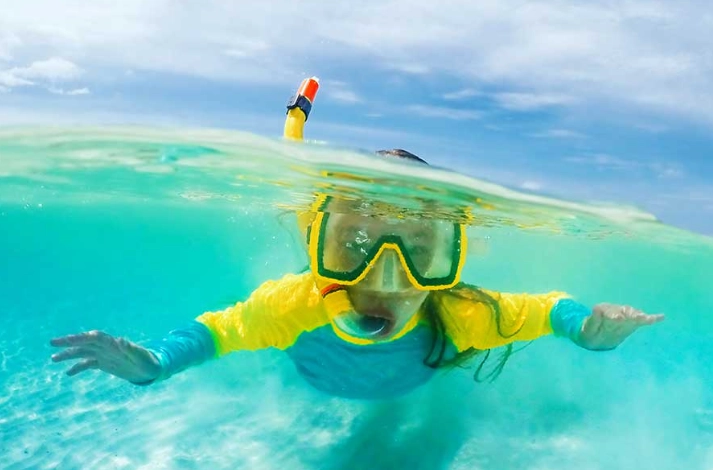
The Golden Rules of Snorkeling
- Never Touch Anything: Coral is a living animal. A single touch can kill a polyp that took years to grow. Marine life can be stressed or defensive. Look with your eyes, not your hands.
- Don't Stand on Coral: If you need to stand, find a sandy patch. Coral is fragile.
- Check Conditions: Look at the water. Is it choppy? Is there a strong current pulling you along? If it looks rough, it is. Try another day or a more protected spot.
- Buddy System: Always have someone with you and keep an eye on each other.
- Hydrate: Snorkeling is exercise, and the sun is dehydrating. Drink lots of water before and after.
For comprehensive safety guidelines and best practices from a leading training agency, the Professional Association of Diving Instructors (PADI) has excellent resources for snorkelers on their official website. It's smart reading.
Answering Your Big Questions (FAQ)
Beyond the Basics: When You're Ready for a Bit More
Once you've done a few shore snorkels and feel like a pro, you might want to level up. The next step is a boat snorkel trip. These take you to reefs that are further out and often even more pristine. Sites like the Kittywake Shipwreck (a sunken warship in shallow water) or the Barrier Reef off Grand Cayman's east end are incredible. You jump off the boat, follow a guide along a reef line, and see a greater density of life. It's the natural progression from beginner snorkeling in Cayman Islands.
Some operators even offer guided shore snorkels at less-visited spots, which is a great way to learn more about the ecosystem from a local expert.
Making It Happen: Final Practical Tips
Let's wrap this up with some brass tacks.
- Book Tours in Advance: Especially for Stingray City and during peak season. It guarantees your spot.
- Pack Smart: Reef-safe sunscreen, a hat, sunglasses, a reusable water bottle, and a waterproof case for your phone.
- Respect the Wildlife: I know I said it before, but it's that important. We're visitors in their home.
- Leave No Trace: Take everything you brought with you back off the beach.
Snorkeling in Cayman Islands for beginners isn't just an activity; it's a doorway to a whole new way of seeing the world. It's accessible, it's awe-inspiring, and it's something you'll remember forever. The islands are set up perfectly for you to succeed. All you have to do is take that first step (or float).
So go on. The water's fine. The fish are waiting. And trust me, you've got this.
Reader Comments