Let's be honest. The dream of spontaneous snorkeling on a tropical trip often crashes into the reality of airline baggage limits and crammed suitcases. You know you need good fins – those floppy rental things are a recipe for calf cramps and wasted energy. But hauling around bulky, full-sized scuba fins? That's a hard no for the savvy traveler. The good news is, the market for travel snorkel fins has exploded, offering real power in a packable form. But not all are created equal. After a decade of stuffing fins into duffels and testing them from the Caribbean to Southeast Asia, I've learned what truly makes a fin great for travel. This isn't just a list; it's a framework to help you choose.
Your Quick Guide to Finding the Perfect Fins
What Makes a Fin 'Travel-Friendly'?
It's more than just being short. A true travel fin balances three things: performance, packability, and comfort. Ignore one, and you'll regret it.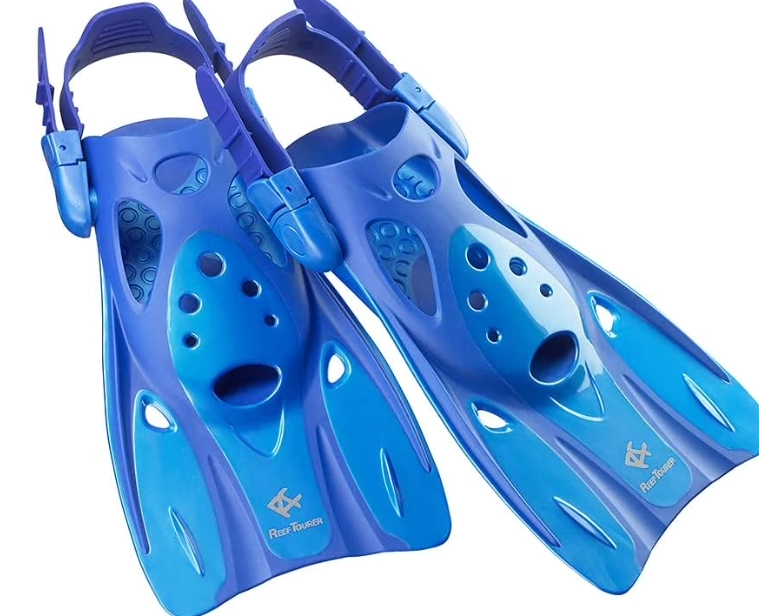
Packability is the obvious one. We're talking length, but also flexibility. Can they bend to fit the odd corners of your bag? Do they have a dedicated bag that doesn't add bulk? I once bought a pair that claimed to be "compact" but came with a rigid case bigger than my shoe. Instant fail.
Performance is where many budget options fall short. A shorter blade needs clever design – like splits, channels, or specific materials – to move water efficiently. You shouldn't have to kick twice as hard.
Comfort is the silent deal-breaker. A rub on the first swim turns into a blister by day three. The foot pocket material, strap system, and fit are non-negotiable. A common mistake? Choosing an open-heel fin for travel because it's adjustable. Unless you're wearing booties (which add more bulk), a full-foot pocket is almost always more comfortable for warm-water snorkeling.
How to Choose Travel Snorkel Fins: The 4-Step Framework
Forget just reading specs. Think through your actual trip.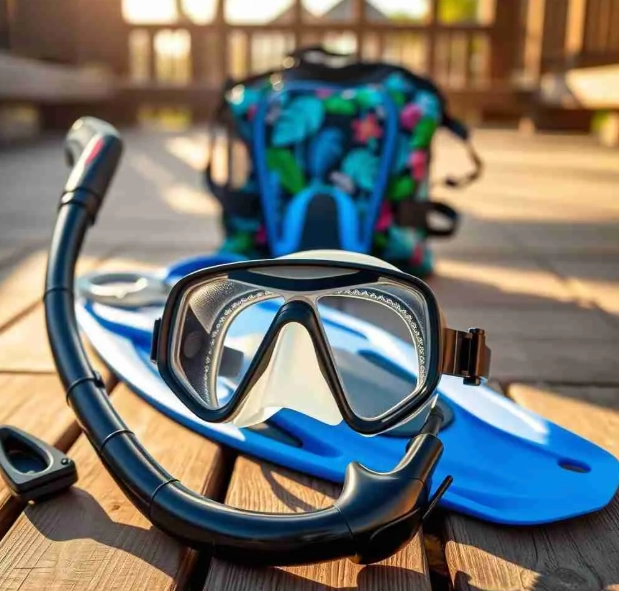
Step 1: Assess Your Travel & Snorkel Style
Are you a "resort beach, straight out from the shore" snorkeler, or a "chase boats to remote reefs" enthusiast? For mostly calm, easy swimming, a flexible, lightweight fin is perfect. If you anticipate stronger currents or longer surface swims, prioritize stiffness and propulsion. My trip to Cozumel involved some channel crossings; I was grateful for my stiffer, channeled fins that day.
Step 2: Get the Fit Right (It's Not Your Shoe Size)
This is critical. Fins fit snugly, not loosely. For full-foot pockets, try them on with the socks you'll snorkel in (or barefoot if that's your plan). Your toes should brush the end, but not be painfully crunched. Heel should be secure. A size chart is a starting point, but brands vary wildly. Mares and Cressi often run true to size, while some Asian brands run small.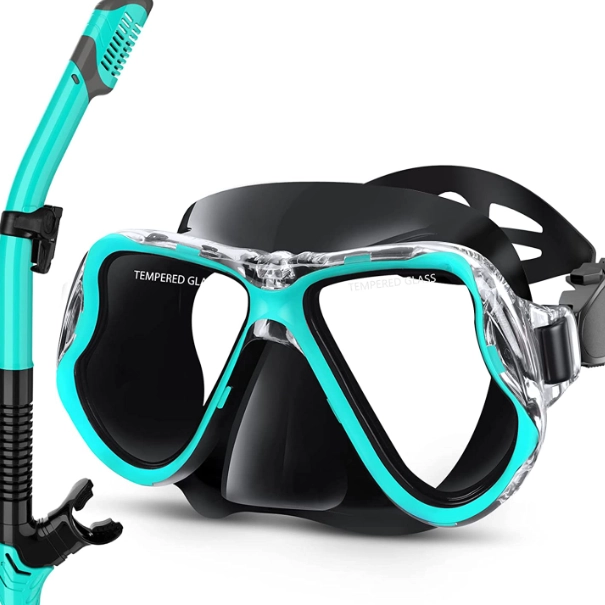
Step 3: Material & Feature Trade-Offs
- Blade Stiffness: More stiffness = more power, but also more leg fatigue. Beginners should lean medium-soft.
- Split Fins vs. Paddle Fins: Splits (like the famous Apollo Bio-Fin) are easier on the knees and efficient for a flutter kick. Paddle fins offer more immediate power and maneuverability. There's no "best," only "best for your kick."
- Vented Blades: These holes reduce resistance on the up-kick, saving energy. Great for beginners or those with less leg strength.
Step 4: The Pack Test
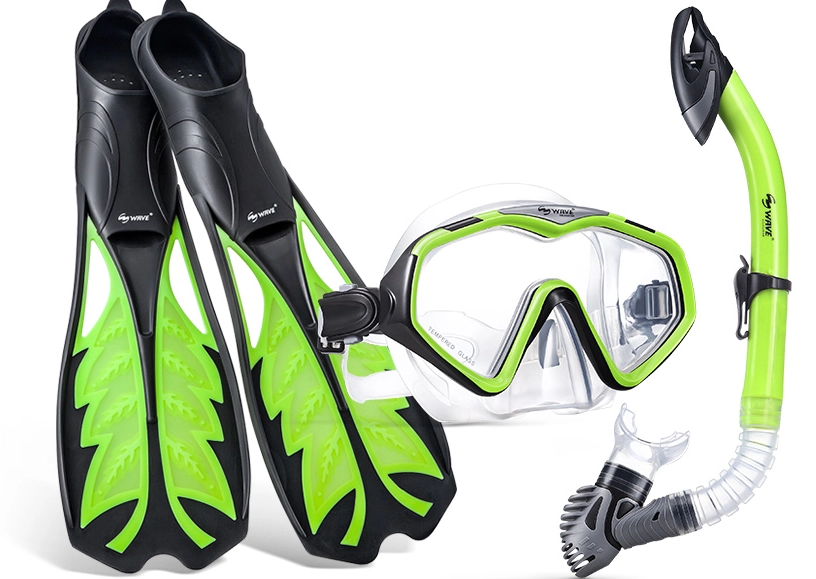
Before you buy, visualize packing them. Long, rigid fins destroy suitcase space. The holy grail is a fin that can wrap around other items. Some, like the ODYSSEY Travel Fins, even fold in half. But watch out – the hinge mechanism can be a weak point if not well-made.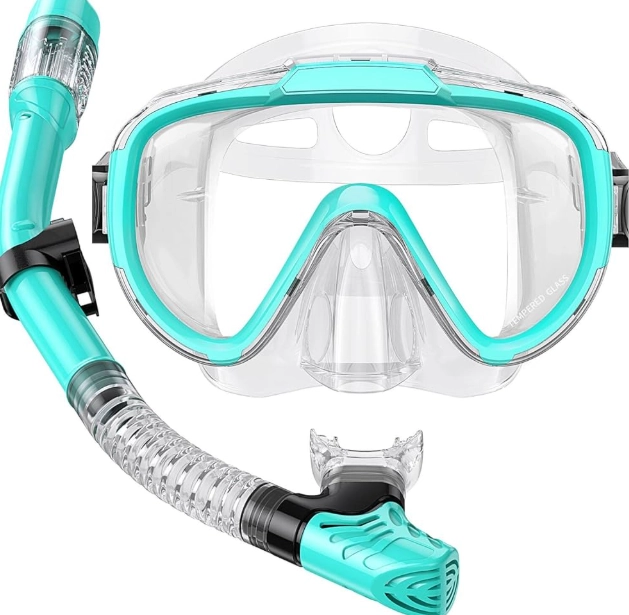
Top Travel Fin Models Compared
Based on extensive personal use and community feedback, here are the top contenders. I've included a mix of types to suit different preferences.
| Model | Type & Key Feature | Best For | Packability | My Take / Caveat |
|---|---|---|---|---|
| Cressi Palau Short | Paddle Fin. Lightweight, soft blade. | Beginners, casual snorkelers, warm calm waters. | Very Good. Short & flexible. | The "go-to" for a reason. Reliable, comfy, affordable. Lacks power for currents. |
| Mares Avanti Quattro+ | Paddle Fin. Four channels for thrust, medium stiffness. | Swimmers wanting more power, mild currents. | Good. Shorter than standard, but less flexible than others. | A performance powerhouse in a shorter frame. The foot pocket runs snug; consider sizing up. |
| Apollo Bio-Fin Pro | Split Fin. Renowned knee-friendly efficiency. | Those with knee issues, efficient long-distance kicking. | Fair. The split design doesn't bend easily. Bag is decent. | You either love the split-kick feel or hate it. Try before you buy. Not the most packable. |
| ODYSSEY 3K Travel Fins | Folding Paddle Fin. Literally folds in half. | Ultra-minimalist packers, backpackers. | Excellent. The most compact option here. | The hinge feels less robust. A potential single point of failure. Great concept, check build quality yearly. |
| Scubapro GO Travel Fin | Paddle Fin. Vented, lightweight composite. | A balanced mix of power and reduced fatigue. | Very Good. Light and reasonably flexible. | A superb all-rounder. The venting really works to save energy. A premium price, but premium feel. |
Quick Verdict: If you're buying your first pair and want no fuss, the Cressi Palau Short is a safe bet. If you want a significant upgrade in power for travel, the Mares Avanti Quattro+ is hard to beat. For the absolute smallest pack size, you gamble a bit on the ODYSSEY 3K.
Pro Care & Packing Tips Most People Miss
Rinsing with fresh water is obvious. Here's what isn't.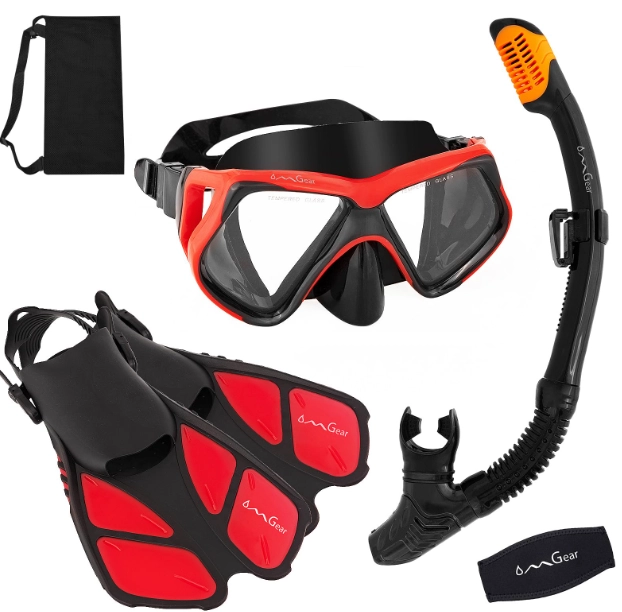
Never pack them wet. I mean, really dry. Trapped moisture breeds mildew that you'll smell forever. Dry them in the shade, stuff the foot pockets with a dry t-shirt or newspaper to absorb last bits of moisture.
Pack them last, on top. Or use them as a buffer between fragile items. Their shape is perfect for lining the perimeter of your suitcase or backpack.
Strap management. Tuck the buckles and straps inside the foot pocket to prevent snagging on everything else in your bag.
Check your airline. Most consider snorkel gear standard sports equipment, but it's always smart to check if there are any odd restrictions on "sporting goods." I've never had an issue, even with carry-on only, if they fit the size dimensions.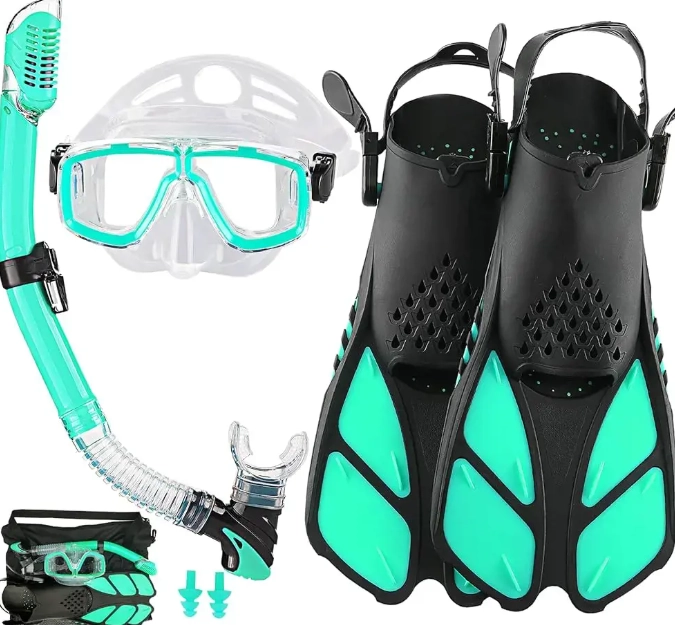
Your Travel Fin Questions, Answered
The right travel fins don't just fit in your bag; they fit your adventure. They're the difference between fighting the water and gliding through it. By focusing on the blend of fit, function, and form, you can find a pair that makes every snorkel spot, from a resort cove to a remote atoll, infinitely more accessible and enjoyable. Skip the rental line, save your energy for the turtles, and pack the power.
Reader Comments