Your Snorkeling Gear Roadmap
- Before You Buy: The Snorkeling Gear Mindset
- Deep Dive: Mask Reviews & The Fit Test
- Snorkel Reviews: Simple vs. Feature-Packed
- Fin Reviews: The Engine Room
- Beyond the Big Three: Essential Accessories
- Common Questions & Pain Points (The FAQ We All Need)
- Putting It All Together: A Sample Setup for Different Snorkelers
- Final Thoughts: Trust Your Face, Not Just the Hype
Let's be honest, buying snorkeling gear can feel overwhelming. You're staring at a wall of masks, a tangle of snorkels, and fins that all look pretty much the same. The marketing promises crystal-clear views and effortless floating, but how do you know what actually works? That's where solid snorkeling gear reviews come in – not the fluff pieces, but the real talk from people who've been there, fogged up, and leaked.
I've spent more time than I'd like to admit swimming with gear that was just okay. A mask that needed constant clearing, fins that rubbed blisters, a snorkel that made me sound like Darth Vader. It can turn a magical experience into a frustrating one. So I made it a point to try, test, and compare over the years. This isn't about pushing the most expensive brand. It's about matching you with gear that fits your face, your swimming style, and your budget. Think of this as a long chat with a friend who's made all the mistakes so you don't have to.
The Core Idea: The best snorkeling gear isn't the one with the most features or the highest price tag. It's the gear you forget you're wearing because it just works. A perfect seal, comfortable fit, and intuitive design beat fancy gimmicks every single time.
Before You Buy: The Snorkeling Gear Mindset
Jumping straight to product names is tempting, but it's a shortcut to disappointment. You need a filter, a way to think about what matters.
First, fit is king. Actually, fit is emperor, president, and CEO all rolled into one. A $300 mask that doesn't seal on your face is a $300 paperweight. A fin that's the wrong size will ruin your day. This is the most common mistake I see – people prioritizing color or brand over the fundamental question: does this form a seal with my skin?
Second, consider your snorkeling style. Are you a once-a-year vacation snorkeler who wants simplicity and ease? Or are you a frequent beachgoer who doesn't mind a bit more gear for better performance? Your answer changes everything.
The Non-Negotiables: What Every Piece Must Do
Let's break down the absolute basics. Every piece of core gear has a primary job.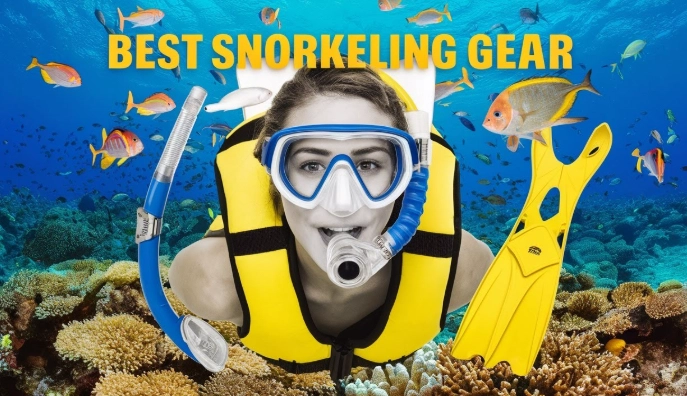
- Mask: Create a watertight air pocket in front of your eyes and nose. That's it. Clarity, field of view, and low volume (less air inside to clear) are bonuses stemming from this core function.
- Snorkel: Provide a clear airway from your mouth to the air above while your face is in the water. Purge valves and dry-top mechanisms are helpers, but the tube must feel natural in your mouth and not cause jaw fatigue.
- Fins: Translate leg power into efficient forward motion with minimal effort. Fit and blade stiffness are the key variables here.
If a product fails at its core job, no number of extra features will save it. I've seen snorkels with cameras and lights that are miserable to breathe through. Pointless.
Deep Dive: Mask Reviews & The Fit Test
This is where your journey starts. A good mask makes the world magical. A bad one makes it blurry and wet.
The single most important piece of advice I can give you: Learn and perform the suction test. It's simple. Place the mask gently on your face without putting the strap over your head. Inhale slightly through your nose. If the mask stays stuck to your face by suction alone for a few seconds, you've got a potential winner. If it falls off immediately, the skirt isn't sealing. Do this with every mask you consider. The Professional Association of Diving Instructors (PADI) emphasizes this as a fundamental step for both divers and snorkelers.
Now, let's talk types and specific models that consistently come out on top in real-world snorkeling gear reviews.
Top Performer: The All-Rounder Frameless Mask
For most people, a frameless or low-profile mask is the sweet spot. They're lightweight, offer a great field of view, and tend to seal well on a variety of face shapes because the soft silicone skirt is the main structure.
Why People Love Them:
- Superb Field of View: Minimal frame means you can see more peripherally.
- Great Seal: The flexible skirt conforms easily.
- Low Volume: Less air inside means easier clearing if water gets in.
- Compact: Packs down easily for travel.
Potential Drawbacks:
- Less Rigid: Can feel flimsy compared to framed masks.
- Skirt Clarity: The silicone can yellow slightly over many years (a cosmetic issue, not functional).
Champion in this Category: Cressi F1 Frameless Mask. It's a legend for a reason. I've used mine for five years across three oceans. The view is panoramic, it passes the suction test on my face perfectly, and it's never fogged up once I treated it properly (more on that later). Is it the most stylish? Maybe not. But it's relentlessly reliable. The only minor gripe some have is the nose pocket can feel a bit narrow for people with very broad noses.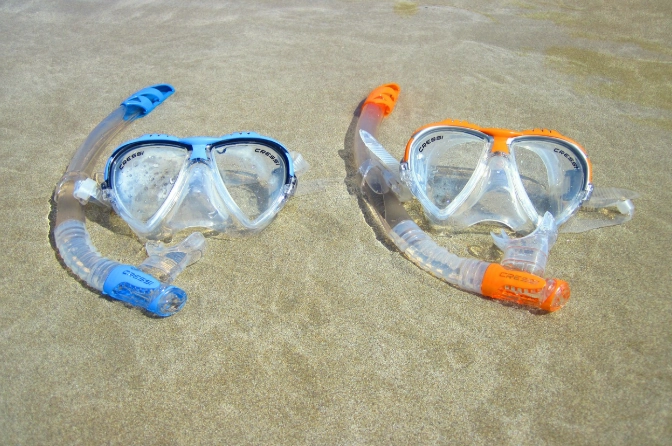
The Full-Frame Contender: For Those Who Want Structure
Some folks just prefer the solid feel of a traditional framed mask. They can be more durable in the long run and often have more robust buckles and strap systems.
Solid Choice: TUSA Liberator Plus. This mask often appears in detailed snorkeling gear reviews for its exceptional clarity and comfortable fit. The "parabolic" lens shape is designed to reduce distortion at the edges. The frame feels solid without being heavy. It's a fantastic option if the frameless style doesn't appeal to you. I found the seal to be excellent, though it didn't quite suction to my face as tenaciously as the Cressi F1.
The Prescription & Optical Lens Option
If you wear glasses, don't struggle. You have choices.
- Stick-On Lenses: Companies like Prescription Dive Masks make custom adhesive lenses that bond to the inside of your mask's glass. Effective and a good mid-price solution.
- Custom Mask: Getting a mask with bonded prescription lenses is the premium, permanent solution. It's more expensive but offers perfect optical clarity.
- Reader Masks: Masks with built-in magnified lenses (like +1.5 to +3.0 diopters) are great for those who just need help reading a gauge or seeing small details up close. Scubapro and others make good ones.
Watch Out: Avoid generic "universal" clip-in lenses. They rarely align perfectly with your eyes, causing distortion, headaches, and a worse experience than just being slightly blurry. Invest in a proper solution.
Snorkel Reviews: Simple vs. Feature-Packed
The snorkel seems simple, but design choices matter a lot for comfort. The big debate: Dry Top or Simple J-Style?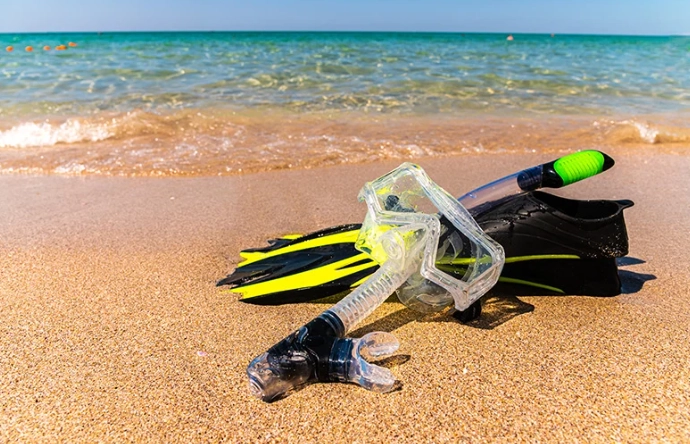
A dry-top snorkel has a floating valve mechanism that seals the tube when you dive under, preventing water from rushing in. A simple J-style or semi-dry snorkel (with just a splash guard) is, well, simpler.
| Snorkel Type | Best For | Biggest Pro | Biggest Con | Our Top Pick |
|---|---|---|---|---|
| Dry Top Snorkel | Beginners, casual snorkelers, choppy water. | Keeps water out if you submerge completely. Less clearing needed. | More parts can fail. Can be bulkier. Slightly harder to breathe through for some. | Cressi Supernova Dry: Reliable valve, comfortable mouthpiece. |
| Semi-Dry (Splash Guard) | Confident swimmers, those who want minimal hassle. | Simpler, fewer failure points. Easier, less restricted breathing. | Water will enter if the top goes under. You need to clear it. | Aqua Lung Impulse 3: Great purge, super soft mouthpiece. |
| Flexible Tube / J-Style | Experienced snorkelers, freedivers, purists. | Ultra-simple, nothing to break. Lowest drag in water. | No protection from waves or submersion. Requires good clearing technique. | Basic J-tube from a reputable brand. |
My personal take? I've migrated back to a good semi-dry. I found I disliked the slight "click" and airflow feel of some dry-top mechanisms. The Aqua Lung Impulse 3 has been my go-to for years. The purge valve at the bottom is massive and clears water with the tiniest exhale. The mouthpiece is the softest I've ever used – zero jaw fatigue. For most people reading snorkeling gear reviews, a reliable semi-dry is the perfect balance.
Fin Reviews: The Engine Room
Fins are your engine. Good ones make you feel like a dolphin. Bad ones make you feel like you're running in sand.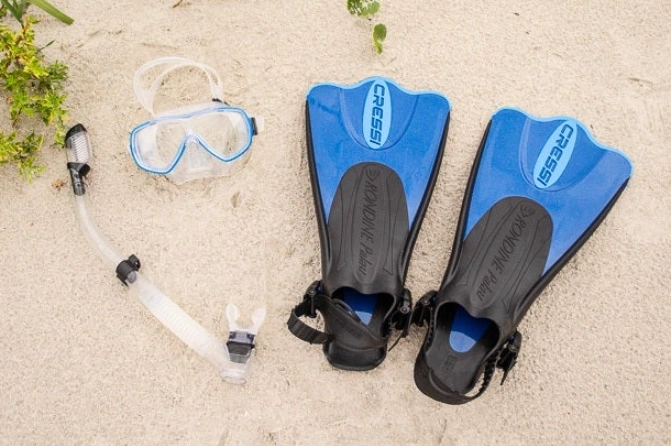
The main choice is between full-foot fins (you wear them like shoes, usually with a neoprene sock) and open-heel fins (with an adjustable strap, worn over a bootie).
Quick Rule: For warm, sandy beaches and from-the-shore snorkeling, full-foot fins are usually best. For rocky entries, cooler water, or if you need to walk any distance, open-heel fins with booties are the way to go.
Top Full-Foot Fin: The Cressi Pro Light
These are ubiquitous for a reason. They're lightweight, have a moderately flexible blade that's efficient without being tiring, and fit a wide range of foot sizes. They're the Toyota Camry of snorkeling fins – not flashy, but incredibly competent and dependable. I've recommended these to dozens of first-timers and never had a complaint. They just work.
Top Open-Heel Fin: Mares Avanti Superchannel
If you want more power and plan to snorkel in varied conditions, this is a stellar choice. The blade is split, which supposedly reduces drag and effort. Whether or not you buy the physics, the result is a fin that provides a lot of thrust with a comfortable, easy kick. They're durable and the foot pocket is well-padded. Pair them with some 3mm neoprene booties, and you can handle almost any entry.
A word on stiffness: Softer fins are easier on your legs and good for beginners. Stiffer fins transfer more power but require stronger legs. The Pro Light is mid-soft, the Superchannel is mid-stiff. Try to test the flex if you can.
Beyond the Big Three: Essential Accessories
Your mask, snorkel, and fins are the core, but a few extras can elevate your experience from good to great.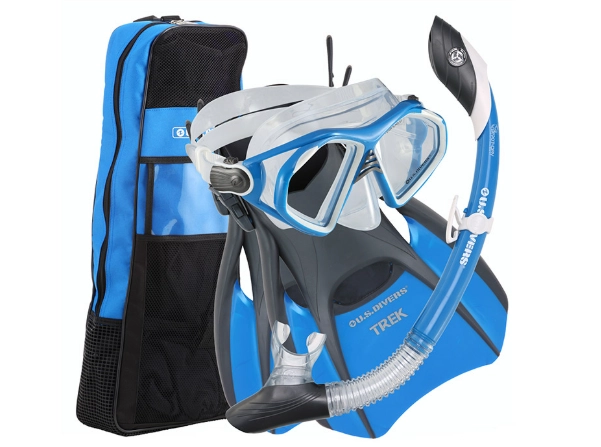
- Defogger: Forget spit. A proper defogging solution or gel is a game-changer. Sea Gold or McNett Sea Drops are excellent. Apply, rinse lightly, and you're good for the day.
- Anti-Fog Wipes: Even easier for travel. Just wipe the inside lens and rinse.
- Mesh Gear Bag: Lets sand and water drain out. A must-have.
- Rash Guard or Snorkel Vest: Sun protection and a bit of extra buoyancy for confidence. The National Oceanic and Atmospheric Administration (NOAA) emphasizes sun protection as critical for all water activities.
Common Questions & Pain Points (The FAQ We All Need)
You're probably not cleaning it properly when it's new. New masks have a silicone coating from manufacturing that must be removed. Take a small dab of non-gel toothpaste (the plain white kind) or use specific mask scrub, and gently rub it all over the inside of the lens for a minute. Rinse thoroughly. This micro-abrasion removes the coating. Then, always use a proper defogger.
First, redo the suction test. If it fails, it's the wrong mask for your face. If it passes, check for hair caught in the skirt (a big culprit). Also, are you smiling or grimacing underwater? Facial movements can break the seal. Try relaxing your face. Finally, ensure the strap isn't too tight. It should be just tight enough to hold the mask in place when you inhale. Overtightening warps the skirt and causes leaks.
Go back to the where and how. Sandy beach in the tropics? Full-foot. Rocky shore, kelp forest, or cooler water? Open-heel with booties. If you can only buy one set and travel to different places, open-heel/bootie combos are more versatile.
For a true beginner who is nervous about water and may submerge accidentally, yes, it can boost confidence. For most others, a high-quality semi-dry snorkel is a better investment. It's simpler, more reliable, and often more comfortable to breathe through. The best snorkeling gear reviews often note that experienced users tend to migrate away from complex dry tops.
You can get a fantastic, durable setup (mask, snorkel, fins, bag) for between $150 and $250. Spending less often means compromising on materials, comfort, and durability. Spending more gets you marginal improvements, special features, or specific performance characteristics. The $80 all-in-one sets from big-box stores are almost always a false economy – poor fit, cheap materials, and they'll need replacing quickly.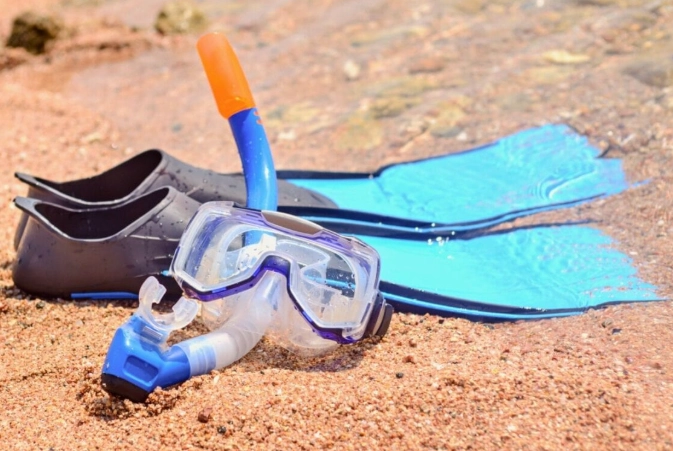
Putting It All Together: A Sample Setup for Different Snorkelers
Let's translate these snorkeling gear reviews into actionable packages.
The First-Timer / Vacation Snorkeler
Goal: Simple, reliable, easy to use on a sandy resort beach.
Mask: Cressi F1 Frameless (perform the test!).
Snorkel: Cressi Supernova Dry (for peace of mind).
Fins: Cressi Pro Light Full-Foot.
Extras: Defog gel, mesh bag.
Why it works: This combo is low-hassle, highly reliable, and packs easily. The dry snorkel reduces a common beginner anxiety.
The Enthusiast / Frequent Traveler
Goal: Versatile, high-performance gear for varied conditions.
Mask: TUSA Liberator Plus or similar framed mask.
Snorkel: Aqua Lung Impulse 3 Semi-Dry.
Fins: Mares Avanti Superchannel Open-Heel.
Extras: 3mm neoprene booties, defog wipes, rash guard.
Why it works: This kit can handle rocky entries, cooler water, and longer snorkels comfortably. The performance fins make swimming easier, and the open-heel system is adaptable.
Final Thoughts: Trust Your Face, Not Just the Hype
Reading snorkeling gear reviews is a fantastic starting point. It points you toward reliable brands and models with good track records. But the final judge is you. Your face, your feet, your comfort.
If possible, try before you buy. Many local dive shops will let you test a mask for fit. Support them if you can. They're a wealth of knowledge. If buying online, choose retailers with good return policies for items that just don't fit.
The ocean is waiting. It's full of quiet wonders. The right gear doesn't get in the way of that experience; it becomes an invisible partner, letting you focus on the fish, the coral, the light dancing on the sand. Don't settle for gear that fights you. Invest once in pieces that fit and function. You'll thank yourself on every single snorkel for years to come.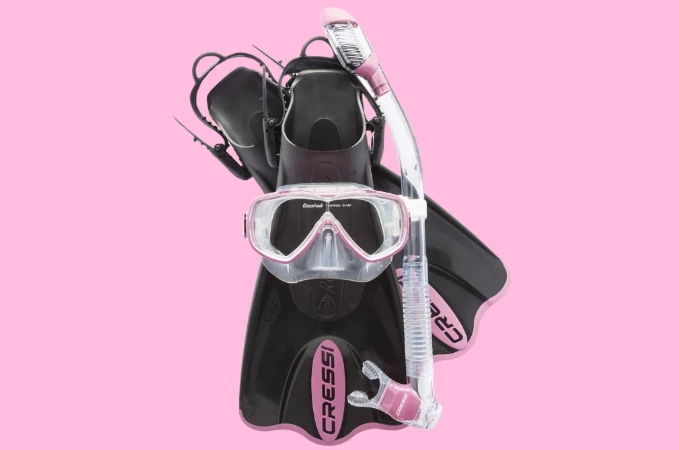
And remember, the most important piece of gear is respect for the marine environment. Look, don't touch. Float gently. Take nothing but pictures, leave nothing but bubbles. Resources from organizations like the Reef Environmental Education Foundation (REEF) can teach you more about being a responsible snorkeler.
Now go get fitted.
Reader Comments