You’re standing there, a pile of snorkeling gear on one side and a shiny new scuba certification card on the other. The question hits you: can I use this snorkel gear for diving? It’s a smart one to ask. Diving gear isn’t cheap, and if you’re just starting out or are an occasional vacation diver, the idea of a single, versatile kit is incredibly appealing. The answer isn't a simple yes or no. It's a strategic sometimes, with caveats. Getting this combination right means saving money without cutting corners on safety. Getting it wrong can range from a miserable dive to a genuinely hazardous situation. Let's break down exactly what works, what doesn't, and how to build a setup that seamlessly bridges the world of surface snorkeling and underwater exploration.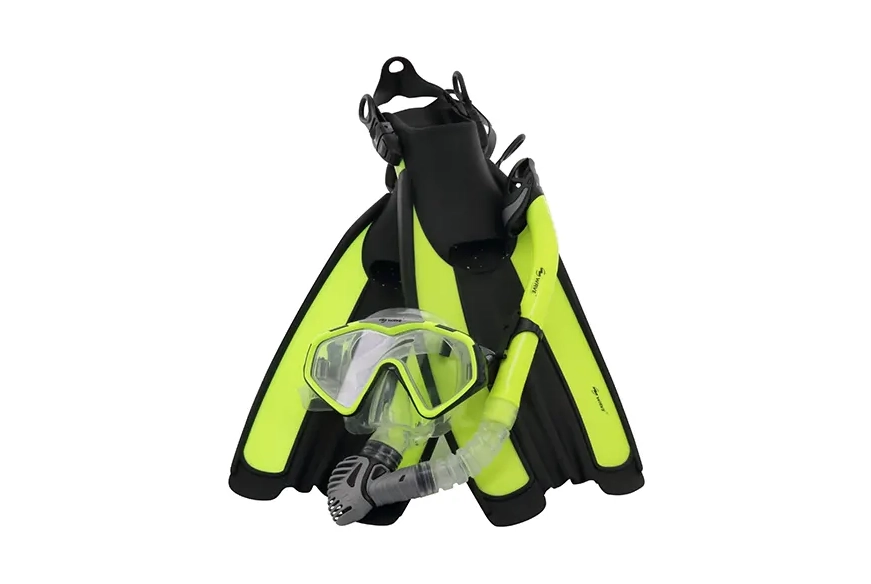
What You'll Learn in This Guide
The Gear Breakdown: What Transfers, What Doesn't
Let’s get granular. Not all snorkel gear is created equal, and scuba diving introduces pressures and protocols that surface gear never has to consider.
| Gear Piece | Snorkeling Use | Scuba Diving Use | Verdict on Combination |
|---|---|---|---|
| Mask | Wide view, often colorful, may have purge valves. | Low internal volume, tempered glass, secure seal under pressure. | Mostly Yes. A good snorkeling mask with low volume works great. Avoid overly complex purge systems meant only for surface clearing. |
| Snorkel | Primary breathing tube on the surface. Dry-top, flex, or simple J-style. | Largely irrelevant underwater. Sometimes carried for surface swims. | No (underwater). Do not breathe from it while submerged. It can be a carried item but is not dive gear. |
| Fins | Shorter, more flexible, often full-foot for warmth. | Longer, stiffer for power, often open-heel with booties. | Maybe, with limits. Okay for calm, shallow dives. Inefficient and tiring in current. Not suitable for technical diving. |
| Exposure Suit (Rash Guard/Shorty) | Sun protection, minor warmth, sting protection. | Thermal protection, buoyancy, physical protection. | Contextual Yes. Perfectly fine for warm-water (28°C/82°F+) diving. For cooler water, you need a proper wetsuit. |
| Weight System | Rarely used, maybe a weight belt for freediving. | Integrated BCD system or weight belt. Critical for buoyancy. | No. Use the system integrated with your BCD. Never use a standalone snorkeling belt with quick-release buckles not designed for scuba. |
I remember my first dive after years of snorkeling. I used my trusted, full-foot snorkeling fins. The dive was in Cozumel with a mild current. By the end of the 40-minute dive, my calves were screaming. My air consumption was terrible because I was finning twice as hard as everyone else to move the same distance. That was the lesson: fins are propulsion, and weak propulsion costs you air and enjoyment.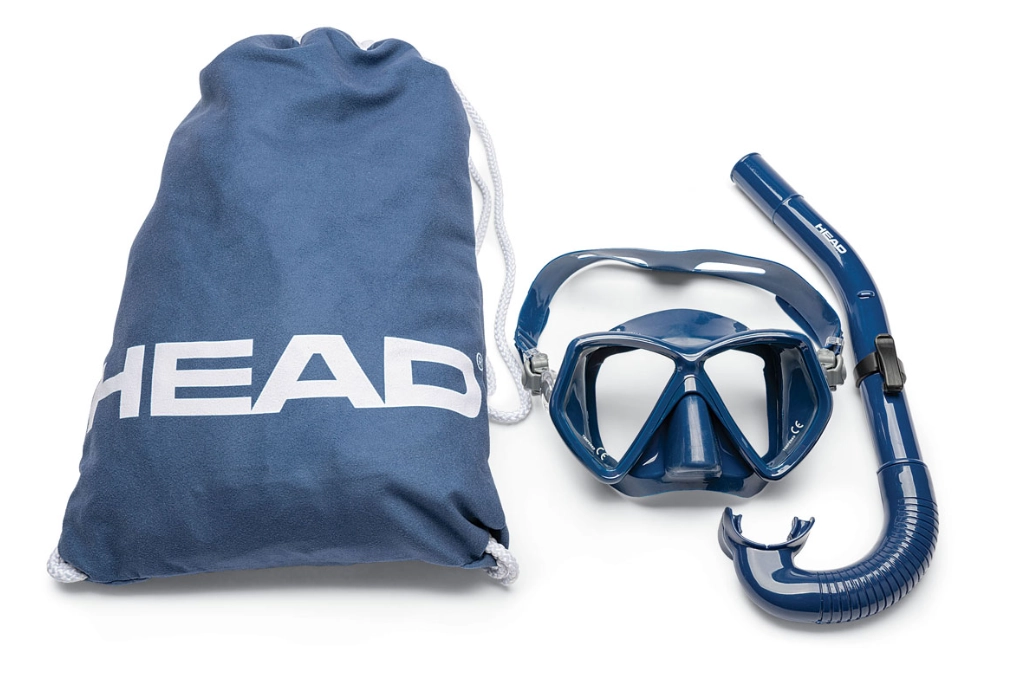
The Snorkeler-to-Diver Transition: Common & Costly Mistakes
This is where experience talks. The gear is one thing, but the mindset is another. New divers coming from a strong snorkeling background often carry over habits that don't translate safely underwater.
The Big One: The Snorkel During Safety Stop. This is the most dangerous crossover error. A diver, wanting to conserve the last bit of air in their tank during a safety stop at 5 meters, might think, "I'll just use my snorkel." They switch, put their head up, and inhale a lungful of water. The snorkel has been full of water since they descended. It's not a backup air source. Your regulator is your only breathing apparatus underwater. Period. Organizations like DAN have case studies on incidents stemming from this confusion.
Other subtle mistakes:
- Over-reliance on the snorkel vest for buoyancy: A snorkeling vest is for surface flotation, not for managing buoyancy at depth. It can create an uncontrolled ascent if inflated accidentally.
- Mask clearing technique: Snorkelers often tilt their head back and exhale hard. Divers need to press the top of the mask frame and exhale through the nose, often while in a horizontal trim. It’s a different muscle memory.
- Breath-holding tendency: Freediving and snorkeling involve breath-holds. In scuba, you must never hold your breath. This neurological shift is critical.
Building Your Budget Combo Kit: A Practical Approach
Let’s say you have $500 to build a kit that works for both snorkeling and casual, warm-water resort diving. Here’s how I’d prioritize the spend, based on guiding dozens of new divers through this process.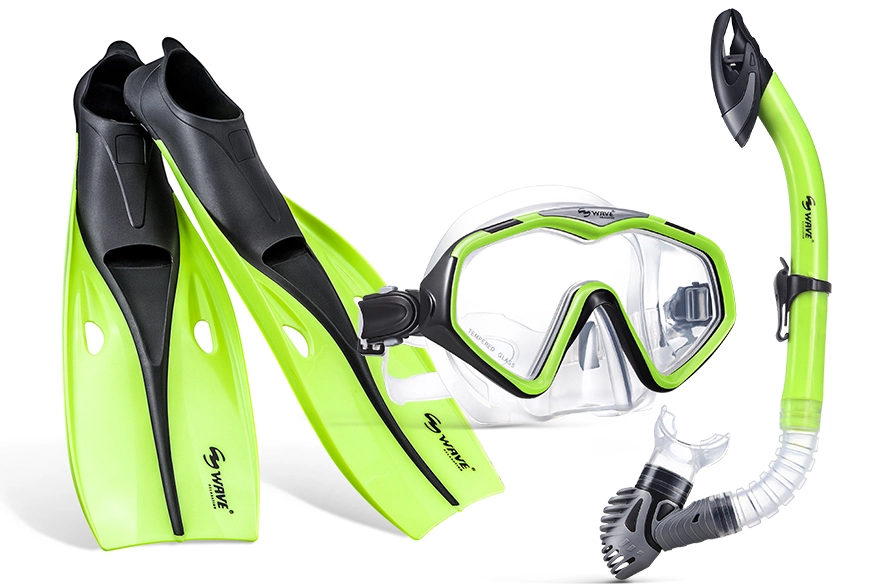
Step 1: Invest in a Fantastic Mask (Your #1 Priority). This is the most personal piece of gear and the easiest to transfer. Go to a shop, try on every mask. Find one that seals perfectly when you gently inhale through your nose without the strap. Ignore color and fancy features. A simple, low-volume, double-skirt silicone mask from a reputable brand is ideal. This is your forever piece for both activities. Cost: $60-$120.
Step 2: Acquire a Basic Regulator/BCD Package. This is your non-negotiable scuba-specific core. Rent at first, but for frequent diving, owning a well-serviced, entry-level package from a major brand (like Aqualung, Cressi, or Mares) is wise. This is where the bulk of your budget goes. Do not buy used unless you can have it professionally inspected. Cost: $800-$1200 new, but consider it a long-term investment separate from your "combo" kit.
Step 3: Evaluate Your Fins. Try a dive or two with your snorkel fins on an easy reef. Were you lagging behind? Were your legs exhausted? If yes, upgrade. Look for open-heel fins with adjustable straps and dive booties. The booties protect your feet on shore entries and are a game-changer for comfort. A mid-range paddle fin is versatile. Cost for fins + booties: $100-$200.
Step 4: Exposure Protection. Your 2mm snorkeling shorty or rash guard is fine for the tropics. If you dive cooler waters, a 3mm or 5mm full wetsuit is a scuba necessity. It provides buoyancy and protection beyond warmth.
The Snorkel Itself: Buy a simple, flexible silicone snorkel that can fold or clip to your BCD. Don’t waste money on a high-end dry snorkel for diving. Its primary job is to be stowed away. I often dive without one if I know I’m doing a boat-to-reef descent with no surface swim.
How to Safely Transition from Snorkeling to Scuba Mindset
Before your first dive with your combo kit, do a mental reset.
1. The Pre-Dive Snorkel is for Recon, Not Habit. Use your snorkel to check out the entry point or look for marine life from the surface. The moment you deflate your BCD to descend, mentally and physically ditch it. Tuck it away, let it dangle, but do not put it in your mouth.
2. Practice Regulator Recovery and Clearing on the Surface. While floating on the surface before descent, intentionally flood your mask and clear it using your regulator, not your snorkel. Switch regulators from your mouth and back. Make your regulator your default, comfortable mouthpiece.
3. Brief Your Buddy. If you’re diving with a new buddy, just mention it: "Hey, I’m coming from a lot of snorkeling, so call me out if you see me doing anything surface-ish, like grabbing for my snorkel." A good buddy appreciates the heads-up.
Your Top Gear Combination Questions Answered
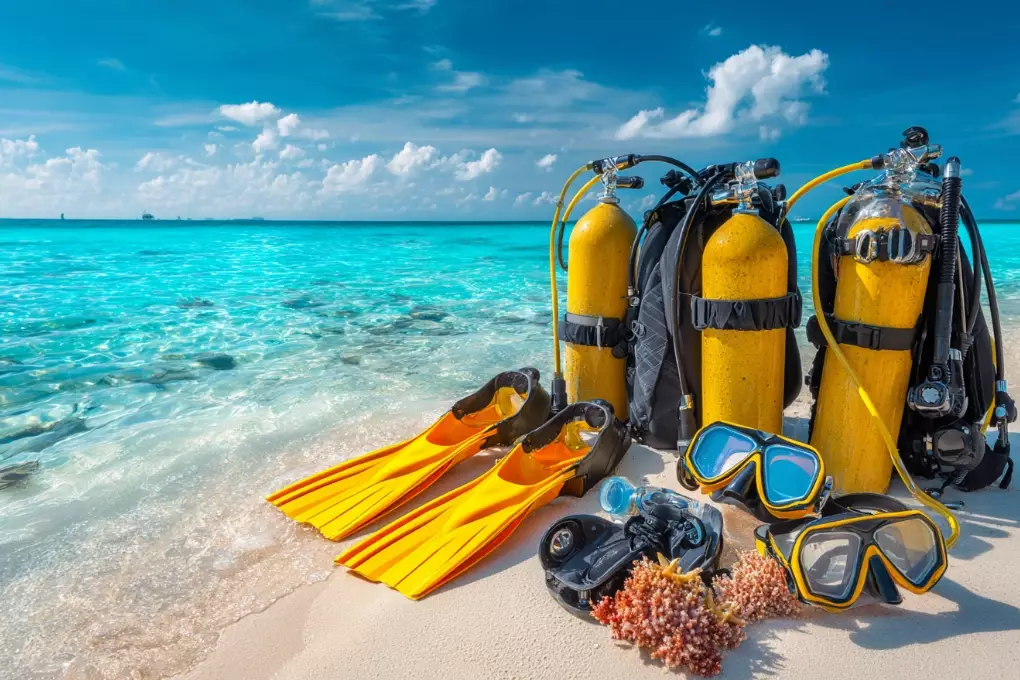 Combining snorkel gear for diving isn't about cutting corners. It's about intelligent overlap. Your mask and maybe your exposure suit can do double duty beautifully. The snorkel itself transitions from a primary tool to an optional accessory, and your fins are the first item you should consider upgrading as your diving progresses. The real key is resetting your instincts. Respect the different environments. The surface is for snorkels; the underwater world belongs to your regulator. Master that distinction, and you'll have a kit—and a mindset—that lets you safely enjoy every part of the ocean, from the top down.
Reader Comments