Quick Guide to Snorkeling Safety
Let's cut right to the chase. When you type "Is snorkeling in Turks and Caicos safe" into Google, you're probably feeling a mix of excitement and that little pinch of pre-trip anxiety. I get it. You've seen the pictures—water so clear it looks edited, coral gardens bursting with color, stingrays gliding over pure white sand. It's a dream. But you're also a responsible traveler. You're thinking about kids, or maybe you're not the strongest swimmer. You're wondering about currents, jellyfish, or if that reef shark in the brochure is something to lose sleep over.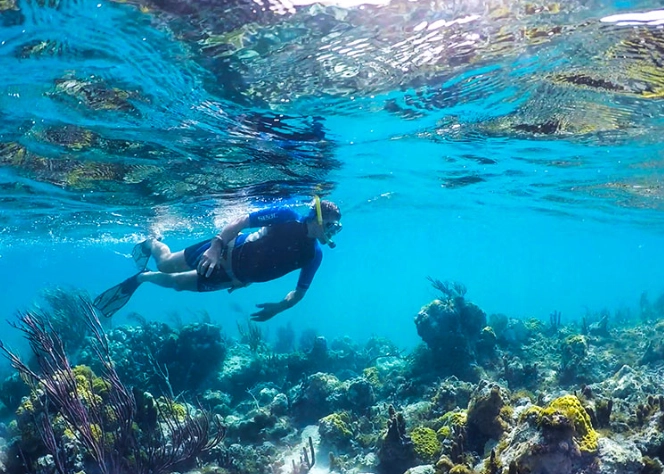
The short, honest answer is yes, snorkeling in Turks and Caicos is overwhelmingly safe—but with a massive, non-negotiable asterisk. That asterisk stands for knowledge, preparation, and respecting the ocean. This isn't a swimming pool. The safety of your experience hinges almost entirely on your choices: where you go, when you go, who you go with, and how you behave in the water.
I've spent a lot of time in these islands, floating face-down and mesmerized. I've also seen people make silly, avoidable mistakes. This guide isn't just a list of tips; it's the full context. We'll break down the real risks (and debunk the myths), map out the safest spots for every skill level, and give you the local-knowledge checklist that makes the difference between a good day and a great, secure one. We're going to answer that core question—is snorkeling in Turks and Caicos safe?—by making sure you have all the tools to make it safe for yourself.
The Safety Breakdown: What Actually Makes Snorkeling Safe (or Risky)?
Safety doesn't come from a single fact. It's a combination of the environment and your actions. Let's peel back the layers.
1. The Natural Environment: Calm Waters & Predictable Conditions
This is Turks and Caicos's biggest safety advantage. Unlike some Caribbean islands with wild Atlantic coasts, the TCI's legendary snorkeling happens primarily on the south side of Providenciales ("Provo") and around the cays, which are protected by the world's third-largest barrier reef system. This reef acts as a giant breakwater, taming ocean swells.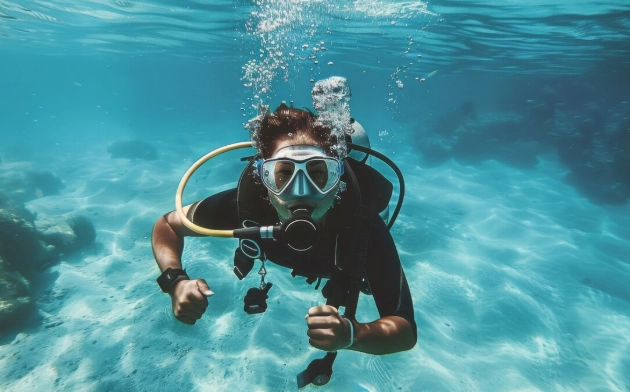
The result? Waters are typically calm, clear, and shallow for a long way out. We're talking waist-to-chest depth for hundreds of feet at many sites. This dramatically reduces the physical challenge and the risk of being caught in powerful currents. You can often just stand up if you get tired or need to adjust your mask. For beginners or families, this is a game-changer. It's a major reason why the answer to "is snorkeling safe in Turks and Caicos?" is so positive.
2. Marine Life: Understanding What's in the Water
This is the big fear factor for many. Let's demystify it.
- Coral: The main risk here is you hurting it, and then it hurting you back. Fire coral (which isn't true coral) can give a nasty sting. The rule is simple: look, don't touch. Float above the wonder. Not only is touching coral ecologically destructive, but it can also cut you or cause irritation.
- Fish: Virtually all are harmless and more scared of you. You might see barracuda—they look intimidating but are merely curious and pose no threat if left alone. Don't wear shiny jewelry (it mimics fish scales and can attract investigative nibbles).
- Stingrays: The famous stingray encounters (like at Gibbs Cay) are incredibly safe when guided by professionals. The rays are accustomed to people. The danger, which is minimal, only comes from stepping on one buried in the sand. The famous Shuffle Shuffle technique (shuffling your feet in the sand as you walk in) alerts them to move away.
- Sharks: Nurse sharks and reef sharks are common. I've seen them on almost every reef snorkel. They are shy, uninterested in humans, and an absolute privilege to observe. They are not a safety concern. In fact, seeing one is often the highlight of a trip.
- Jellyfish & Sea Urchins: Jellyfish are rare in these waters, but not impossible. Sea urchins are present, often in crevices in the reef. Again, the "don't touch anything" and "don't stand on the reef" rules keep you safe from urchin spines.
Honestly, the most aggressive creature you're likely to meet is the opportunistic snapper hoping for a snack.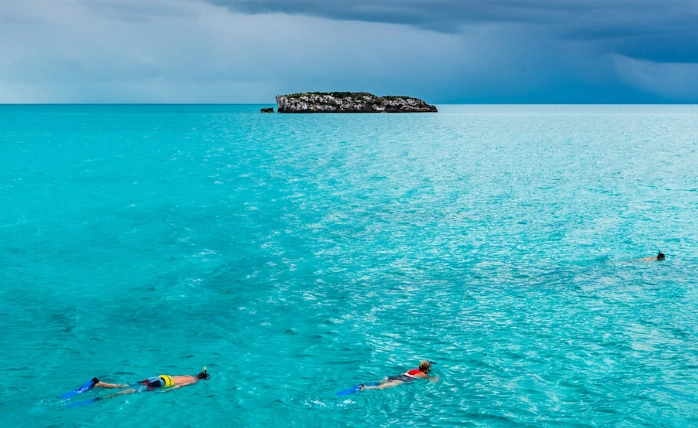
3. Human Factors: Your Preparation & Choices
This is where safety is truly made or broken. Nature provides a relatively benign setting; human error causes most incidents.
So, is snorkeling in Turks and Caicos safe for you? Ask yourself:
- Can you swim comfortably? You don't need to be an Olympian, but you must be able to tread water and move yourself around confidently without panic.
- Are you comfortable in deep water? Even if a spot is shallow, the mental factor matters.
- Do you have any heart, respiratory, or other medical conditions that could be triggered by exertion?
If you're unsure, a guided tour from a reputable operator is your best and safest bet. They know the conditions, provide supervision, and have safety equipment on hand.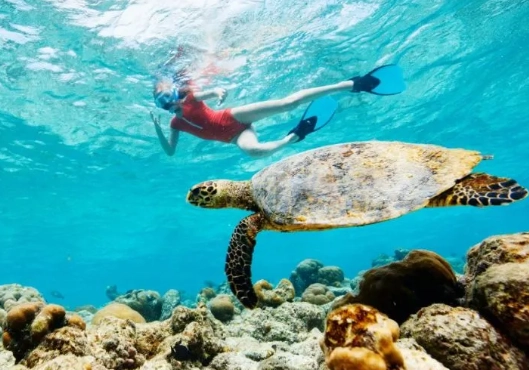
The Best & Safest Snorkeling Spots in Turks and Caicos: A Ranked Guide
Not all spots are created equal. Your safety and enjoyment depend hugely on picking the right location for your group's experience level. Here’s my personal breakdown.
| Spot Name | Best For | Safety Highlights | Key Notes & Access |
|---|---|---|---|
| Smith's Reef (Provo) | Beginners, Families, Shore Snorkelers | Very calm, protected water. Mostly shallow (3-10 ft). Easy entry from sandy beach. Can stand up almost everywhere. Lifeguard sometimes present. | The #1 answer for "safe snorkeling Turks and Caicos." Park at Turtle Cove. Follow the path. Reef is close to shore. Best at high tide. Can get crowded. |
| Bight Reef (Coral Gardens) | Beginners, Families, Easy Access | Protected marine park. Calm, clear, shallow waters. Marked snorkel trail with buoys. Very gradual entry. | Right off Grace Bay, accessed between two resorts. Impossible to miss. Perfect for first-timers. Lots of fish due to protection. |
| Malcolm's Road Beach (Provo) | Intermediate, Seclusion, Variety | Long, shallow sandy entry leads to extensive reef system. Calm on most days. Less crowded. | A local favorite. Requires a short drive down a dirt road. More reef to explore than Smith's. Watch for sea urchins near coral heads. |
| Grace Bay (Boat-Access Reefs) | Intermediate/Advanced, Boat Tours | Deeper water (15-25 ft), stronger currents possible. Incredible coral walls & bigger marine life. | NOT for beginners from shore. Access via guided boat tour only. Operators choose sites based on daily conditions. Where you see reef sharks & eagles rays. |
| Gibbs Cay / Stingray City | All Levels (with guide), Animal Encounters | Supervised interaction. Sandy bottom, clear waist-deep water. Guides manage the encounter. | 100% a guided tour activity. The safety is in the guide's expertise. A unique, controlled experience. Great for non-swimmers (can stand). |
| Little Water Cay (Iguana Island) | Combination Trip, Calm Waters | Very calm channel between cays. Sandy bottom with scattered coral heads. Minimal current. | Often combined with kayaking/eco tours. Snorkeling is secondary to seeing the rock iguanas. Safe, easy, and fun for a dip. |
My personal go-to for a stress-free afternoon? Smith's Reef. It's just so forgiving.
The Non-Negotiable Safety Checklist: Before You Get Wet
Print this. Save it. Do it.
Your Pre-Snorkel Safety Drill
- Weather Check: Never snorkel if rain is obscuring visibility or if winds are high (creating chop and currents). Check resources like the National Weather Service for the Turks and Caicos area. Most hotels and tour operators are also excellent sources for local, real-time advice.
- Buddy System: This is not optional. Always go with someone and keep them in sight. Agree on a hand signal for "I'm tired, let's head back."
- Equipment Fit: A leaking mask or a fin that falls off ruins the fun and creates panic. Test your gear in a pool or calm, shallow water first. Can't clear your mask? Practice in the hotel pool until you can.
- Defog: Use proper defog gel, baby shampoo, or a good spit-and-rinse. A foggy mask is disorienting and unsafe.
- Sun Protection: A rash guard or wetsuit top is 1000% better than sunscreen on your back. You'll burn in minutes. Reapply reef-safe sunscreen (required by law in TCI) to exposed areas like your neck and legs. Protect your scalp.
- Hydration & Fuel: Snorkeling is exercise. Dehydration leads to cramps and fatigue. Drink water beforehand and bring some for after.
- Floatation: If you're not a strong swimmer, use a snorkel vest. Even the cheap, inflatable ones provide huge peace of mind and conserve energy. No shame in it—it's smart.
Season & Weather: When is Snorkeling in Turks and Caicos Safest?
Timing matters. The islands have a dry season (Dec-Apr) and a wet/hurricane season (Jun-Nov).
- Best Conditions (Dec - May): This is peak season for a reason. Consistent trade winds from the east-southeast keep the leeward (south) side calm. Rain is rare, visibility is often 100+ feet. Water is slightly cooler but refreshing. This is the most reliably safe time for snorkeling in Turks and Caicos in terms of predictable weather.
- Shoulder & Summer Months (May - Aug): Warmer water, less wind. Can be fantastic, but be more vigilant about afternoon thunderstorms that can pop up quickly, reducing visibility and creating surface chop.
- Hurricane Season (Sep - Nov): This is the riskiest period statistically. The water is warmest, and crowds are gone, but you must be hyper-aware of weather forecasts. Storms can develop rapidly. Many operators halt tours. If you go, have flexible plans and good travel insurance. That said, I've had some of my clearest, calmest days in October—it's a roll of the dice.
The key takeaway: there's no "bad" month, but your margin for error is smaller in the late summer and fall. Always, always check the forecast the morning of your snorkel.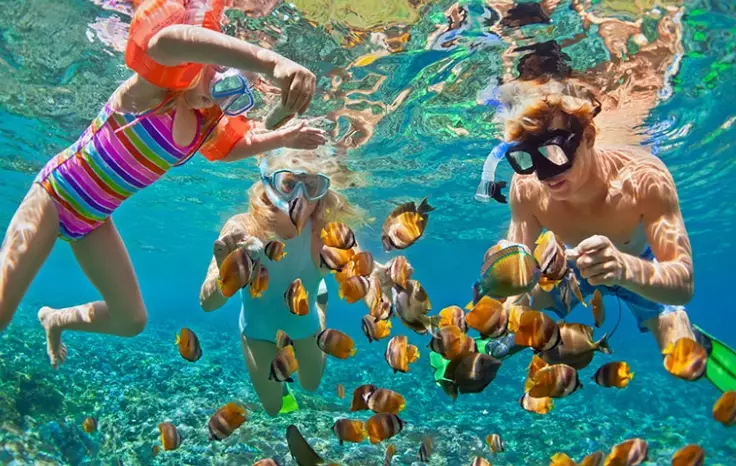
Guided Tour vs. DIY: Which is Safer for You?
This is a fundamental decision.
Choose a Guided Tour If: You're a first-timer, not a confident swimmer, have kids, want to see specific sites (like the wall or stingrays), or simply want the security of an expert. Operators like those affiliated with the Turks and Caicos Tourism Board vet their captains and guides for safety. They provide equipment, briefings, and a safety boat following the group. It removes the guesswork. The cost is worth the peace of mind.
DIY Shore Snorkeling is Fine If: You're experienced, a strong swimmer, have your own well-fitting gear, and are sticking to the protected, shallow sites like Smith's or Bight Reef. You are responsible for your own risk assessment and safety. Tell someone on land your plan and expected return time.
For most people asking "is snorkeling safe in Turks and Caicos," a half-day guided tour is the perfect, worry-free introduction.
Answering Your Top Safety Questions (The Real Stuff You Google)
Let's tackle the specific worries head-on.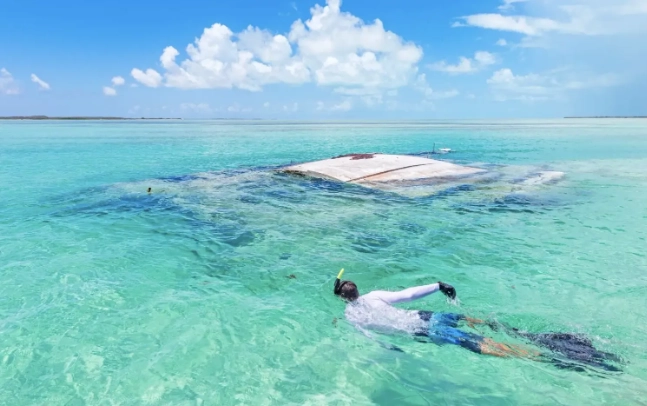
For the easily accessible shore reefs (Smith's, Bight), no. For anything involving a boat, deeper water, or animal encounters (stingrays), absolutely yes. A guide isn't just a navigator; they're your safety monitor and contingency plan.
No. Full stop. It's bad for them, illegal in many cases (turtles are protected), and can be dangerous for you. Observe with respect. The Project AWARE conservation principles are a great guide for responsible interaction.
First, don't panic and exhaust yourself fighting it. Swim parallel to the shore until you're out of the current flow, then swim back in. This is why staying close to shore at recommended sites is critical—you can often just stand up. If you're on a tour, signal your guide immediately.
In very controlled environments, yes. A guided stingray encounter where you stand in waist-deep water is fine. A boat tour that offers floatation noodles and stays in a tight group in calm coves can work. Do not venture into water where you cannot touch the bottom if you cannot swim. Always inform your guide.
Providenciales has a modern hospital (Cockburn Town Medical Centre) and several clinics. For serious emergencies, medical evacuation to Florida may be required. This underscores the need for comprehensive travel insurance that covers water sports and medical evacuation.
The Final Verdict: So, Is Snorkeling in Turks and Caicos Safe?
After all this, my final answer is a resounding yes—with informed preparation.
Turks and Caicos offers one of the most benign and spectacular snorkeling environments in the Caribbean. The natural setup—protected reefs, calm shallow bays, generally clear weather—is inherently safer than many other destinations. The marine life is not a significant threat if you follow basic etiquette.
But the ocean demands respect. The safety of your snorkeling adventure in Turks and Caicos is not guaranteed by the islands; it's crafted by you. It's in your choice to snorkel at Smith's Reef instead of venturing out alone on Grace Bay. It's in your decision to book that guided tour for your first day. It's in the time you take to fit your mask properly and slather on that rash guard.
Come prepared, choose wisely, and respect the environment. Do that, and you're set for an unbelievably safe and magical experience. You'll stop asking "is snorkeling in Turks and Caicos safe?" and start planning your next trip back before you've even dried off.
Now go enjoy that incredible water.
Reader Comments