Quick Snorkeling Guide
- How Does a Prescription Dive Mask Actually Work? The Simple Science
- The Three Main Types: Which One is Your Perfect Fit?
- Your Step-by-Step Guide to Choosing the Right Mask
- What About Astigmatism? Bifocals? Complex Prescriptions?
- Caring for Your Investment: It's Not Just a Regular Mask
- Answering Your Burning Questions (The Real FAQ)
- Beyond the Mask: A Quick Note on Snorkels & Fins
- Making the Decision
Let's be honest. If you wear glasses or contacts, snorkeling can be a beautiful blur. You hear everyone gasping at a sea turtle, and you're squinting at a greenish-brown smudge. You paid for this trip, you're floating in this incredible blue water, and the main event is just... fuzzy. It's frustrating.
That's where a snorkel mask with prescription lenses comes in. It's not some niche gadget anymore. It's a game-changer. Think of it like getting glasses for the ocean. Suddenly, coral polyps have definition, fish have distinct stripes, and that turtle? You can see every scute on its shell. The difference isn't just visual; it transforms the entire experience from passive floating to active, awe-inspiring exploration.
I remember my first time using one. I'd always used my regular mask and just accepted the blur. A friend lent me his prescription snorkel mask in Hawaii. Putting it on and looking down was a revelation. It was like someone had wiped a foggy window clean. I spent an hour just watching a parrotfish crunch on coral, seeing details I never knew existed. That's the moment I became a believer.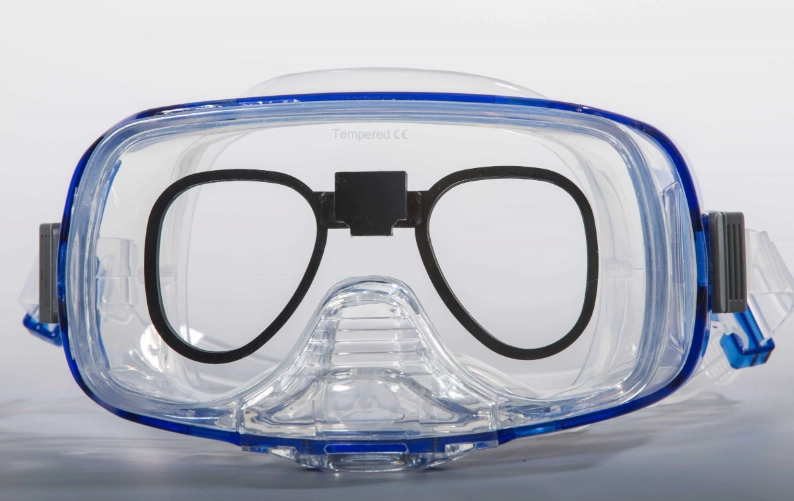
Here's the core idea: These masks work just like your everyday eyeglasses, but the lenses are bonded or fitted inside a standard, watertight diving mask. The prescription corrects for nearsightedness (myopia), farsightedness (hyperopia), and sometimes even astigmatism, right there underwater.
How Does a Prescription Dive Mask Actually Work? The Simple Science
It's less complicated than you think. You're not inventing new physics here. You're taking the same principle of light refraction that your optometrist uses and applying it to a curved piece of tempered glass or polycarbonate that keeps water out.
The lens in your mask needs to correct your vision for the underwater environment. Wait, you say, doesn't water change how light bends? Absolutely. But the critical thing is the air space. Your mask creates an air pocket between your eyes and the water. You're looking from air (inside the mask), through the corrective lens, into the water. The lens corrects your vision for viewing objects through the water from this air pocket. The mask itself handles the water-to-air interface.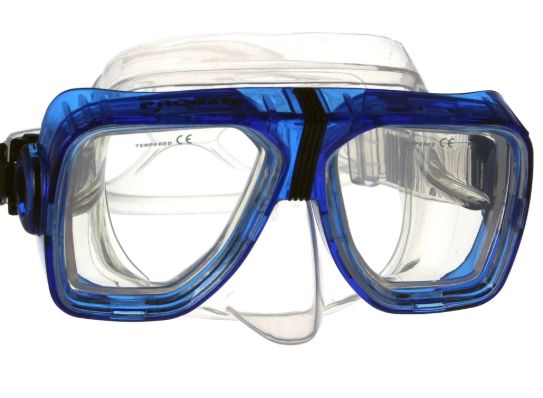
So the prescription isn't exactly the same as your land-based glasses prescription, but it's directly derived from it. A specialist or a good online calculator will adjust your standard prescription for this specific use case.
The Three Main Types: Which One is Your Perfect Fit?
Not all prescription snorkeling masks are created equal. Your choice depends on your budget, how specific your prescription is, and whether you want something ready-made or fully custom. Let's break them down. This table should make the differences crystal clear.
| Type | How It Works | Best For | Biggest Drawback |
|---|---|---|---|
| Bonded Lenses | Your prescription lenses are permanently glued onto the inside of the mask's standard flat lenses. | Most common solution. Good for a wide range of standard prescriptions. Often the most cost-effective ready-made option. | Can slightly reduce peripheral vision. The bond can (rarely) fail if poorly done. |
| Drop-In / Insert Lenses | A separate lens carrier with your prescription clips inside a specially designed mask frame, behind the main lens. | Versatility. You can often swap lenses if your prescription changes, or remove them for a non-prescription user. Great for high prescriptions. | The mask itself is usually a specific model, limiting your choice of frame. Can feel slightly bulkier. |
| Custom Ground Lenses | The mask's actual lenses are ground and polished to your exact prescription from a solid piece of material, just like regular glasses. | The gold standard for optics, clarity, and aesthetics. Perfect for complex prescriptions (high astigmatism, prism correction). | Price. This is the most expensive option by a significant margin. Also has the longest lead time. |
I've tried the bonded and drop-in types. The bonded ones felt more streamlined, like a regular mask. The drop-in system felt a tad heavier on my face, but being able to pop the inserts out to clean them separately was a nice perk.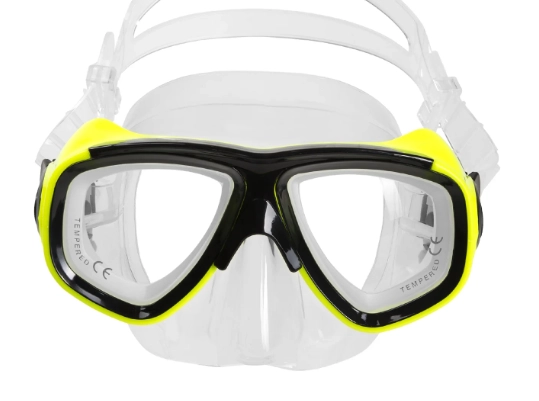
A word of caution on cheap "stick-on" lenses you might see online. These are adhesive diopter sheets you stick to the inside of any mask. In my experience and from talking to dive shops, they're notoriously problematic. They fog up incredibly easily, distort vision at the edges, and the adhesive often fails, leaving you with a blurry, bubbly mess. Saving $50 isn't worth ruining a $200 snorkeling trip. I'd steer clear.
Your Step-by-Step Guide to Choosing the Right Mask
Buying a prescription snorkel mask isn't like buying a regular one. You can't just pick it off the shelf and try it. You need a plan. Follow these steps to avoid headaches (both literal and figurative).
Step 1: Get Your Prescription (The Right Way)
This is non-negotiable. You need a current prescription from an eye doctor. Don't guess. Don't use a five-year-old one. Your eyes change.
Here's the pro-tip: When you get your exam, specifically ask for your PD (Pupillary Distance). This is the distance between your pupils in millimeters. It's crucial for aligning the optical centers of the lenses with your eyes. Some optometrists don't automatically include it on the prescription slip, but they'll measure and give it to you if you ask. It makes a huge difference in comfort.
Step 2: Find the Right Mask Frame First
Forget the lenses for a second. The most important thing is that the mask fits your face. A leaking mask with perfect prescription is useless. A prescription diving mask that doesn't seal will flood, and you'll be constantly clearing it.
How to test fit? If you can, go to a dive shop. Place the mask on your face without the strap. Inhale gently through your nose. If it stays suctioned to your face without you holding it, you've got a good seal. No hair in the skirt. Check the nose pocket—it should be comfortable. The skirt material (silicone) should feel soft.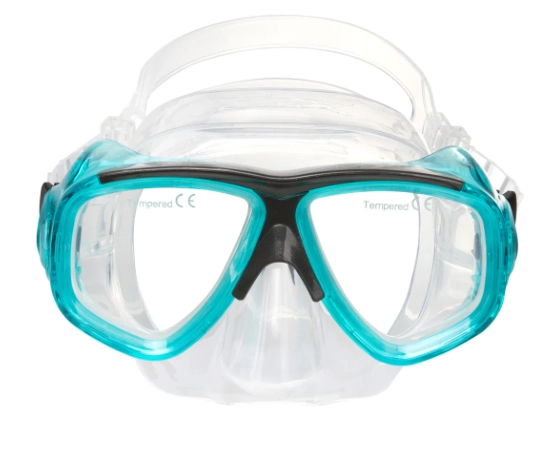
If you're buying online, research masks known for good fit across many face shapes. Low-volume masks are often more comfortable and easier to clear.
Step 3: Choose Your Lens Type & Provider
Now, match your prescription and budget to the lens types we discussed. Do you want a ready-made bonded mask from a big retailer? Or are you going for a custom solution from a specialist?
Look for providers with clear instructions. Reputable ones will ask for your full prescription (SPH, CYL, AXIS for each eye) and your PD. They should also ask which mask model you've chosen or offer a selection of frames they work with.
Read reviews. Look for comments about accuracy and customer service. A good provider will contact you if there's an issue with your prescription numbers (like an unusually high value that might be a typo).
Step 4: Consider the Extras
You're already investing in a custom piece of gear. Think about the other features.
- Lens Tint: Do you want clear lenses for low-light conditions (caves, early dives) or mirrored/colored tints to reduce glare on bright, sunny days? I prefer a mild blue or green tint for general use.
- Purge Valve: Some swear by them for easy clearing, others find them an extra point of failure. For snorkeling, they're less critical than for scuba.
- Field of View: Some mask designs offer a wider panoramic view. This is fantastic for spotting marine life in your periphery.
It feels like a process, but doing it right the first time means you'll have a trusty piece of gear for years.
What About Astigmatism? Bifocals? Complex Prescriptions?
This is where a lot of generic advice falls short. Yes, you can get a snorkel mask with prescription lenses that corrects for astigmatism. It's not a problem for custom ground lenses. For bonded or drop-in systems, it depends on the supplier's capabilities. Many offer "standard" spherical corrections only. You must contact the provider and ask if they can accommodate your CYL and AXIS values.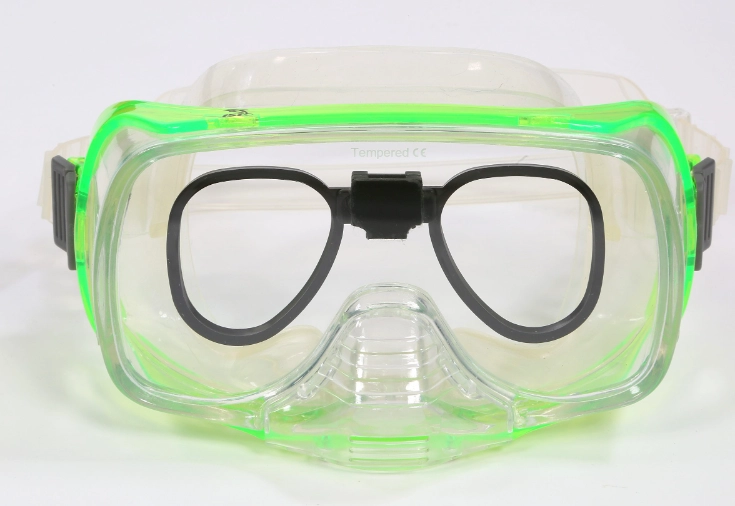
Bifocals or progressive lenses underwater? This is trickier. The underwater world doesn't have a "reading distance." You're generally focused at infinity or on objects a few feet to many feet away. Most people with presbyopia (needing reading glasses) find that a distance prescription in their mask is sufficient. Your eyes don't need to accommodate for close-up work like reading a book. You're looking at fish and coral, not a smartphone. A simple distance correction usually does the job beautifully.
My two cents: I have a mild astigmatism. I went with a bonded lens mask from a company that said they could handle it. The correction was good, but not quite as sharp as my daily glasses on land. For my next one, I'm saving up for a custom-ground set. For a simple nearsighted prescription, the bonded ones are fantastic. For anything more complex, talk to a specialist.
Caring for Your Investment: It's Not Just a Regular Mask
You spent good money on this. Treat it right.
- Cleaning: Never use abrasive cloths, paper towels, or harsh chemicals (like acetone or standard glass cleaner) on the lenses. Use the softest microfiber cloth you can find and mild soap (baby shampoo is the classic diver's choice) and water. Rinse thoroughly after every saltwater use.
- Anti-Fog: This is huge. Spit, baby shampoo, or commercial defog gel? Avoid spitting on prescription snorkel masks with bonded lenses—you don't want saliva getting behind the bond. A tiny drop of baby shampoo rubbed in and thoroughly rinsed is my go-to. Commercial defoggers work well too. The key is to apply, rub, and then rinse lightly with water before diving in. Never wipe the inside lens after applying defogger.
- Storage: Keep it in a hard protective case, not loose in a gear bag where the lenses can get scratched. Don't leave it baking in the sun on a boat dash. Heat can warp the skirt and potentially affect adhesives.
Answering Your Burning Questions (The Real FAQ)
Here are the questions I had, and the ones I see pop up constantly in forums and dive shops.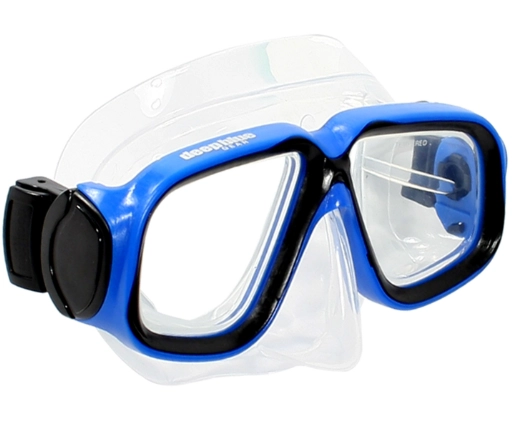
Beyond the Mask: A Quick Note on Snorkels & Fins
Since you're upgrading your vision, don't forget the rest of your setup. A dry-top snorkel (with a valve that prevents water from entering the tube when submerged) is a massive comfort upgrade over a basic J-tube. For fins, focus on fit above all else. Blisters ruin a day faster than anything. Go for open-heel fins with adjustable straps and booties if you'll be walking over rocky entries.
Making the Decision
Look, the ocean is one of the most spectacular places on Earth. It's full of color, life, and movement that you simply can't see anywhere else. To experience it in a blurry, indistinct haze is to miss the point entirely.
Investing in a proper snorkel mask with prescription lenses is an investment in the quality of your adventure. It removes a barrier between you and the experience. It turns a passive activity into an engaging, jaw-dropping exploration.
The bottom line? If you snorkel more than once every few years, or if you have a big trip planned to the Great Barrier Reef, the Galapagos, or any tropical paradise, it's worth every penny. Do your research, get your prescription, find a good fit, and order from a reputable source. The first time you look down and see the underwater world in perfect, crisp detail, you'll wonder why you waited so long.
It's not just about seeing better. It's about seeing everything.
Now go get fitted. The fish are waiting, and they're a lot more detailed than you think.
Reader Comments