I learned the hard way why you need a proper snorkel gear bag. Picture this: Hawaii, day one. I’d stuffed my mask, snorkel, and fins into a cheap duffel with my towels and sunscreen. By the time I got to the beach, my mask strap was wedged under a fin, the silicone skirt had a new crease, and everything was dusted with sand. It was a mess. That trip ended with me buying an overpriced bag from a resort shop. A dedicated snorkel gear bag isn't a luxury; it's a necessity for protecting your investment and saving your sanity. This review cuts through the noise to show you what actually matters.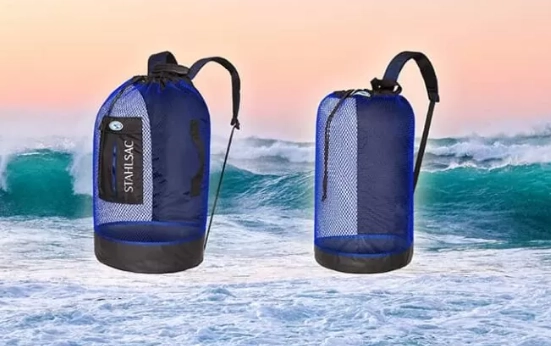
Your Quick Guide to This Review
Top Snorkel Bags: A Side-by-Side Comparison
Based on years of hauling gear from cold quarries to tropical reefs, here’s a breakdown of bags that consistently perform. This isn't just about specs; it's about how they feel on a long walk to a remote entry point.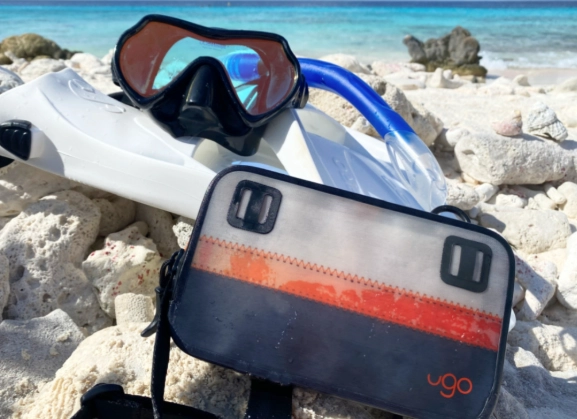
| Bag Name | Key Features | Best For | Price Range |
|---|---|---|---|
| Cressi Patrol Backpack | Dedicated fin pockets on sides, separate dry/wet compartments, padded back panel, mesh waist strap. | Organized packers who hike to snorkel spots. Keeps fins accessible. | Mid-Range |
| Mares Cruise Roll Bag | Roll-top closure for main compartment (great waterproofing), large capacity, durable tarpaulin material. | Boarding boats or situations where gear might get splashed. Max protection. | Mid-Range |
| Aqua Lung Explorer Travel Bag | Wheeled option available, fits a full set plus extras, multiple internal organizers, TSA-friendly for regulators. | Air travel where you're checking your gear. The "suitcase" for snorkelers. | Higher-End |
| Scubapro Seahawk 2 | Lightweight, simple design, mesh bottom for drainage, integrated gear loops inside. | Minimalists and warm-water travelers who need quick dry times. | Budget-Friendly |
The Cressi Patrol is my personal go-to for most trips. Having those external fin pockets is a game-changer—no more unpacking everything to get to one item. The Mares bag feels indestructible, but it's heavier. It's a trade-off.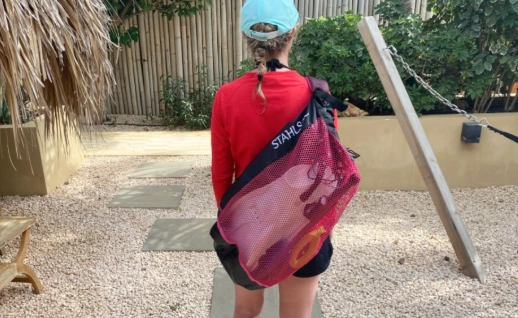
How to Choose the Right Bag: The 5 Factors That Actually Matter
Forget marketing fluff. When you're looking at snorkel gear bag reviews, focus on these five aspects. They’ll tell you more than any star rating.
1. Capacity & Size: Will It All Fit?
This seems obvious, but you need to think beyond just “mask, snorkel, fins.” What else are you carrying? A rash guard? A thin wetsuit? A GoPro and its accessories? A water bottle? Make a mental list of your typical loadout. A bag that’s too small forces you to strap fins to the outside, defeating the purpose. One that’s too large tempts you to overpack, making it heavy and disorganized.
Pro Tip: If you travel with a family’s worth of gear, consider one large, wheeled bag (like the Aqua Lung) for the bulk items and individual backpacks for each person's mask/snorkel. It distributes the weight.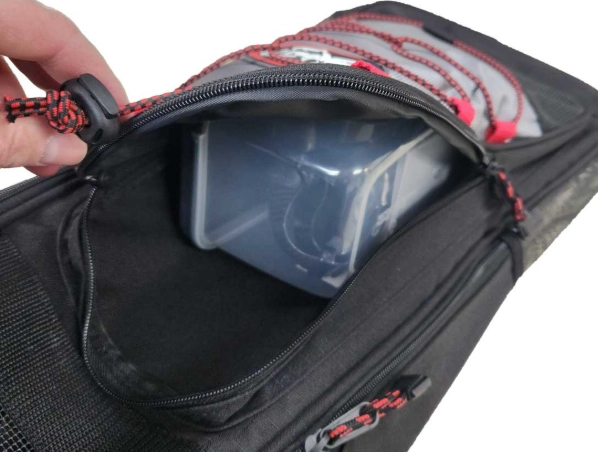
2. Material & Durability: Is It Built to Last?
You’ll see three main materials:
- Tarpaulin/Nylon (e.g., Mares): Tough, abrasion-resistant, often has a waterproof coating. Feels stiff at first but lasts forever. Downside: can be heavier and less flexible.
- Polyester (e.g., Cressi): Lighter, more flexible, often has a polyurethane coating for water resistance. Most common. Good balance of durability and weight.
- Mesh (e.g., Scubapro Seahawk): Super lightweight and dries incredibly fast. Offers almost zero protection from impacts or punctures. Best as a secondary bag or for purely boat-to-water use.
Check the denier rating (like 600D) if listed. Higher numbers generally mean thicker, tougher fabric. Reinforced stitching at stress points (shoulder straps, handles) is non-negotiable.
3. Organization & Compartments: The Secret to Sanity
This is where cheap bags fail. A single giant pocket is a nightmare.
You want at minimum:
- A padded, soft-lined pocket for your mask. This prevents lens scratches.
- A separate compartment for wet gear, preferably with mesh panels for drainage and airflow.
- External pockets for small, frequently needed items: defogger, sunscreen, car keys.
The holy grail is a bag with dedicated, shaped spaces for your fins so they don't flop around and crush everything else.
4. Waterproofing & Drying: Managing the Wet Stuff
Let's be clear: unless it's a fully sealed dry bag, your snorkel bag is water-resistant, not waterproof. The goal is to keep the rest of your stuff dry while containing the wet gear.
Look for:
- A separate wet compartment with a waterproof liner or material.
- Drainage grommets at the bottom of the wet section.
- Roll-top closures (like on dry bags) for the best seal against splashes.
After your snorkel, you can stash the wet mask and snorkel in the wet zone, and your dry towel and clothes stay safe in the main compartment.
5. Comfort & Carrying: Getting From A to B
If your bag is painful to carry, you'll hate it. Padded, adjustable shoulder straps are a must for backpacks. A chest strap helps stabilize the load on uneven trails. For duffel-style bags, consider if the handles are comfortable when the bag is full and heavy.
Think about your most common use case. Walking half a mile on a sandy path? A backpack is king. Tossing it in a truck or boat? A duffel might be fine.
Common Mistakes (And How to Avoid Them)
I've seen these errors a hundred times.
Mistake #1: Ignoring Internal Dry/Wet Separation. This leads to the "everything is damp" phenomenon. Always use the designated compartments.
Mistake #2: Overloading a Backpack. Just because it fits doesn't mean you should. A top-heavy bag will pull you backwards. Distribute weight evenly, with heavier items (fins) closer to your back.
Mistake #3: Forgetting About Post-Trip Drying. Never zip up wet gear and forget about it. Hang the bag open in a shaded, well-ventilated area. Mildew ruins gear and bags. Organizations like PADI emphasize proper gear care post-dive, and the same logic applies here.
Final Recommendation & Verdict
There's no single "best" bag, but there is a best bag for you.
- For most travelers who want a balance of organization, comfort, and protection, a backpack-style bag with external fin pockets and a wet/dry divide (like the Cressi Patrol) is incredibly hard to beat.
- For boat-based trips or rugged use where gear might get drenched, a roll-top duffel (like the Mares Cruise) offers superior peace of mind.
- For air travel with lots of gear, a wheeled bag is worth the investment for your back and convenience.
Skip the flimsy mesh bags unless you're only using them as a rinse bucket. Your gear is worth protecting.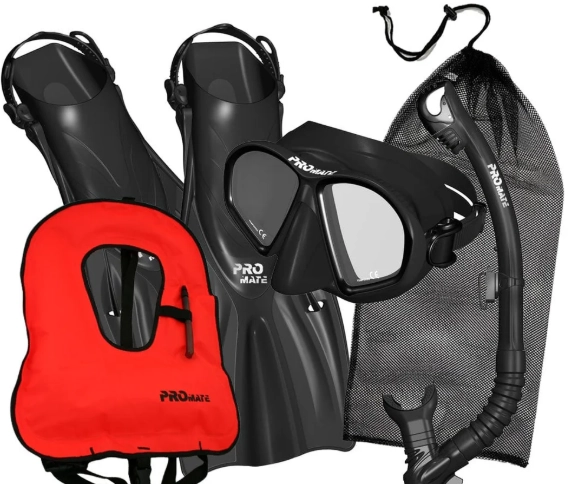
Your Snorkel Bag Questions Answered
What is the most common mistake people make when choosing a snorkel gear bag?
The biggest mistake is prioritizing a giant main compartment over smart internal organization. A massive, single-chamber bag becomes a black hole where your mask strap gets tangled with fin buckles, and everything gets scratched. Look for bags with dedicated, padded sleeves for your mask and a separate, structured compartment for fins. It saves you from frantic digging on the beach and protects your gear from damage.
How do I prevent my wet snorkel gear from soaking everything else in my travel luggage?
First, shake off as much water as possible. Then, use the separate wet/dry compartments that any good snorkel bag should have. Stow your wet mask, snorkel, and fins in the designated mesh or drainage-enabled section. Many bags have a waterproof liner or a roll-top seal for the wet zone. For extra security, wrap them in a dedicated microfiber towel or a reusable shopping bag before placing them inside the wet compartment. Never just toss sopping gear into the main bag with your clothes.
Can I machine wash my snorkel gear bag?
Almost never. The harsh agitation and heat of a washing machine can delaminate waterproof coatings, weaken seams, and warp plastic buckles or frames. The proper way to clean it is to empty all pockets, turn it inside out if possible, and hose it down or rinse it thoroughly in a tub with mild soap (like dish soap). Use a soft brush for stubborn sand or salt. Always air dry it completely in the shade—direct sun can degrade fabrics and plastics over time.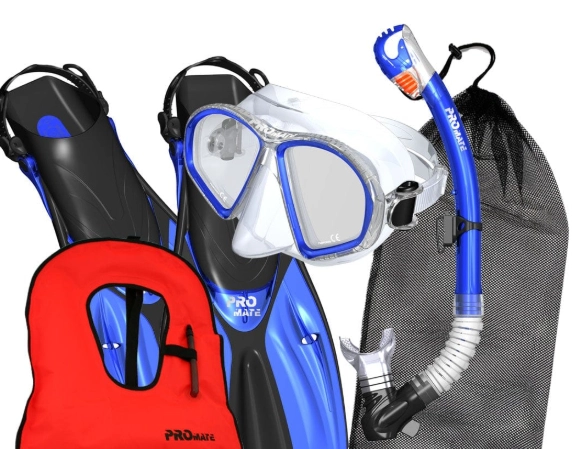
How do I choose a snorkel bag for a family trip?
Don't try to cram everything into one massive bag. It becomes unmanageably heavy. Instead, get one larger wheeled duffel for all the fins and bulky items. Then, get individual smaller backpacks for each person to carry their own mask, snorkel, and personal items. This lets kids carry their own (lighter) load and makes finding everyone's gear on the beach instantaneous.
Reader Comments