Let's be honest. The ocean is breathtaking, but it can be intimidating if you never learned to swim. You see those vibrant coral reefs on TV, the fish swirling around, and you think, "I'd love to try that." Then the reality hits: water over your head, waves, the feeling of sinking. That's where the snorkeling vest for non-swimmers comes in. It's not just a piece of gear; it's a ticket to a world you thought was off-limits. I've guided dozens of first-timers, and the right vest is the single biggest factor between a panic-filled flail and a magical, confident float. This guide cuts through the marketing jargon and tells you exactly what you need to know.
What You'll Discover in This Guide
How a Snorkeling Vest Actually Works for Non-Swimmers
It's not a life jacket. That's the first thing to get straight. A U.S. Coast Guard-approved life jacket, like a Type III PFD, is designed to roll you onto your back to keep your face out of the water—great for emergencies, terrible for looking down at fish. A snorkeling vest is designed for horizontal buoyancy. It keeps you comfortably afloat in a face-down swimming position.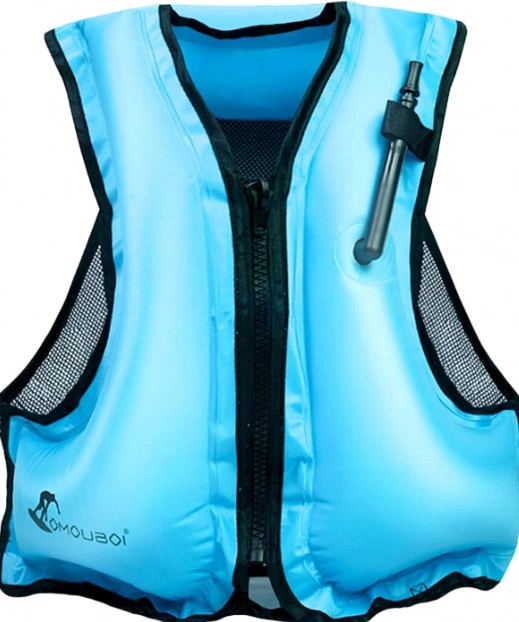
Think of it as a customizable floatation aid. Most models use an oral inflator—a tube you blow into—to add air. You control the buoyancy. A little air for a confident swimmer, a full inflation for someone who wants maximum "I am not sinking" reassurance. The best part? You can deflate it partially for easier diving below the surface to get a closer look, then reinflate with a few breaths when you're back at the top. This control is what builds real water confidence.
Key Difference: A life jacket saves you if you're unconscious. A snorkeling vest assists you while you're actively participating. It's an active safety tool, not a passive rescue device. For non-swimmers, this active assistance is exactly what you need to enjoy the activity without fear.
Choosing Your Vest: A 3-Point Checklist
Don't just grab the cheapest one on the rental rack. A bad fit ruins everything. Here's what matters.
1. Fit and Comfort is Everything
If it chafes your neck or rides up, you'll be miserable. Look for soft, neoprene-lined armholes and collar. The vest should feel snug but not restrictive when deflated. Do the "reach test"—if you can't comfortably extend your arms forward to swim, it's too tight. Most vests are sized by chest measurement. Measure yourself and follow the brand's chart, not your shirt size.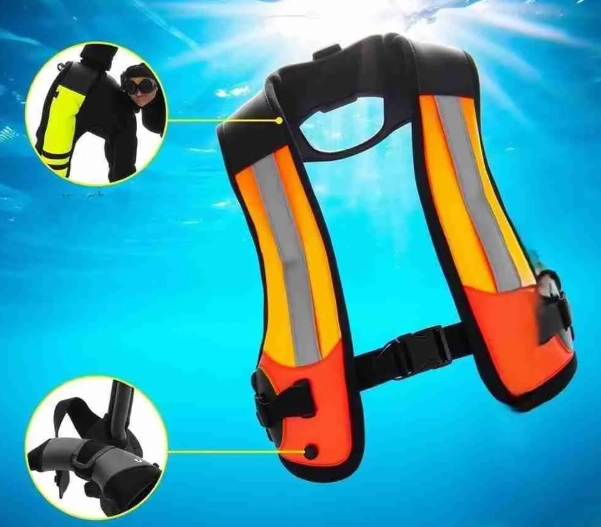
2. Buoyancy Capacity (It's Not Just a Number)
Measured in pounds or Newtons. For an average adult non-swimmer, look for a minimum of 30-40 lbs (133-178 N) of buoyancy. This is enough to keep your head and shoulders well above water when fully inflated. But here's the nuance everyone misses: distribution matters more than total capacity. A vest with buoyancy focused on the upper chest keeps you more stable and face-up than one where the foam is all around the waist. Read reviews that mention "stability."
3. Features That Matter (And One That Doesn't)
- Oral Inflator with Dump Valve: A must. The dump valve is a pull-cord that lets you release air quickly. Crucial for adjusting buoyancy on the fly.
- Safety Whistle: A small but vital feature to get your guide's attention.
- Material: Heavy-duty PVC or nylon. Avoid thin, pool-toy-like plastic.
- The "CO2 Cartridge" Gimmick: Many vests have a pocket for an emergency CO2 inflator. For non-swimmers, ignore this feature for primary use. It's for emergency backup only. Relying on it means you've failed to inflate orally, which is a basic skill you must master.
Top Snorkel Vests for Beginners: Hands-On Review
Based on guiding trips and seeing what works (and fails) in real conditions.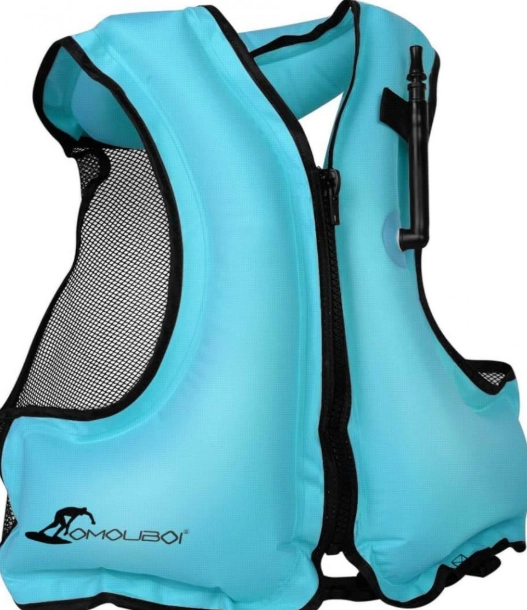
| Vest Model | Best For | Key Feature | My Take |
|---|---|---|---|
| Seavenger 1800 Voyager | The value-conscious first-timer | High 40-lb buoyancy, robust build | Surprisingly good for the price. The buckles feel a bit cheap, but the buoyancy is reliable and well-distributed. A solid "test the waters" option. |
| ODYSSEY Sport Snorkel Vest | Comfort seekers & longer tours | Full neoprene lining, mesh back | The neoprene prevents chafing completely. The mesh back allows some water flow, keeping you cooler. It's the most comfortable vest I've seen beginners use for 2+ hour sessions. |
| Cressi Travel Snorkeling Vest | Travelers & packability | Extremely compact, rolls into its own bag | Buoyancy is slightly less (~35 lbs), so it's better for lighter individuals or those with a bit more water comfort. The packability is unbeatable if you're flying to your snorkel spot. |
Rental vests are a gamble. Sometimes they're fine, often they're worn-out, low-buoyancy models with sticky valves. If you plan to snorkel more than once on a vacation, buying your own is a game-changer for hygiene and performance.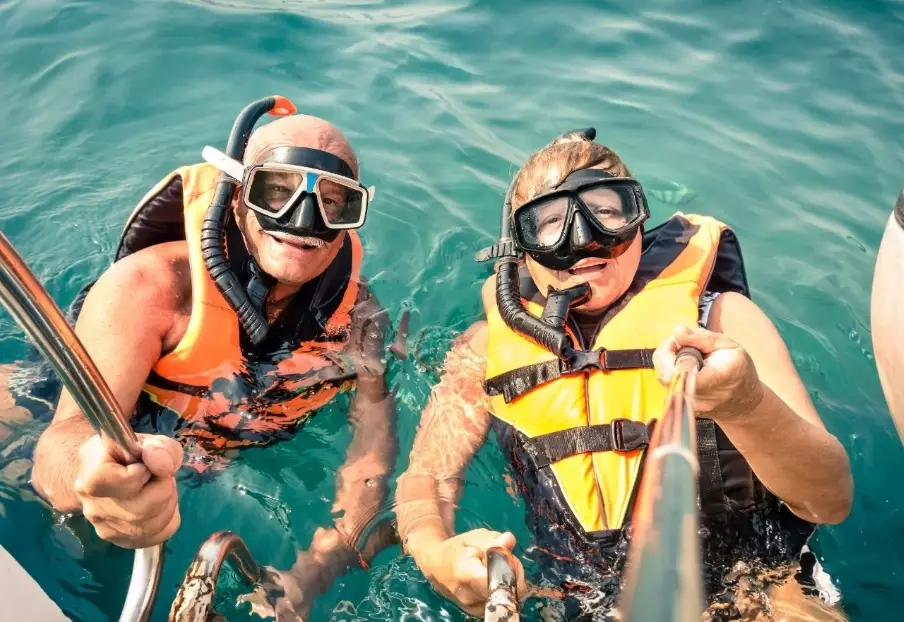
Using It Correctly: A Step-by-Step Walkthrough
Putting it on wrong is the #1 reason people struggle.
Step 1: Dry Fit. On land, with the vest fully deflated (open the dump valve and press out air), put it on like a jacket. Secure the waist buckle snugly. It should not slide up past your ribs if you lift your arms.
Step 2: Enter the Water. Get into shallow, calm water—chest deep is perfect. Do NOT inflate on land. You'll be as buoyant as a cork and struggle to get in.
Step 3: The Initial Inflation. Put your snorkel mouthpiece in. Take a deep breath from the air, remove the snorkel, then blow firmly into the oral inflator tube. Repeat 5-8 times. You should feel the vest getting tighter. Stop when you feel lifted but not squeezed.
Step 4: The Float Test. Lean forward into a swimming position. Let your feet come up. Your head and shoulders should be out of the water with zero effort. If you're too low, add a breath or two. If you feel like you're being pushed into a backfloat, let a little air out via the dump valve.
Step 5: The Snorkel Clear. With your vest supporting you, practice putting your face in the water and breathing through the snorkel. Focus on slow, deep breaths. The vest does the floating. You just breathe and look.
Common Mistakes New Snorkelers Make (And How to Avoid Them)
I've seen these a hundred times.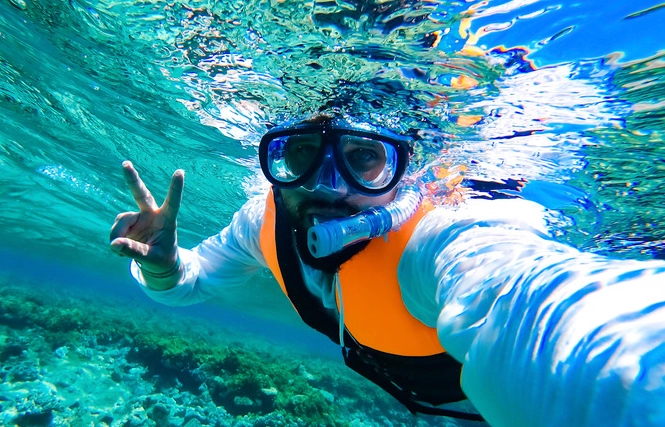
- Over-inflating: You become too buoyant and stiff. It's hard to get your face down, and any wave can tip you. You want neutral, easy buoyancy, not maximum.
- Ignoring the Waist Strap: If you don't buckle it, the vest will ride up to your armpits the moment you float. Instant panic.
- Fighting the Vest: The moment you feel supported, relax. Tense, frantic paddling defeats the purpose. Let the vest do its job. Your job is to breathe and observe.
- Not Practicing in Calm Water First: Never use a new vest for the first time on a boat trip straight to a deep reef. Find a hotel pool or a sheltered bay. Spend 30 minutes getting used to the feeling.
One personal story: I once took a friend who claimed she was "fine in water." She skipped the waist strap. In 10 feet of water, her vest ballooned up around her ears the second she stopped kicking. It was a 30-second scare that could have been avoided with one click. That buckle is non-negotiable.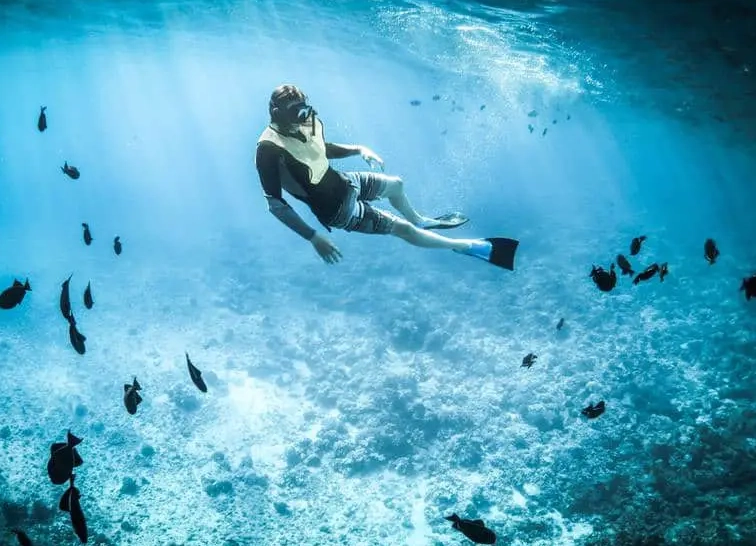
Your Snorkeling Vest Questions, Answered
Can I use a regular life jacket instead of a snorkeling vest?
You can, but you'll have a frustrating experience. Life jackets are designed to keep you vertical or on your back. Trying to swim face-down in one is like trying to run in a snowsuit—possible, but awkward and exhausting. The snorkeling vest's horizontal buoyancy design is purpose-built for the activity. It's the right tool for the job.
How do I stop my snorkel vest from feeling tight under my arms?
This usually means one of two things: the vest is too small, or it's over-inflated. First, check the sizing. If it's correct, try releasing a small amount of air via the dump valve while you're floating. You need less buoyancy than you think. The goal is to be high enough in the water to breathe easily, not to be squeezed like a sausage.
Is a snorkel vest safe for a complete non-swimmer in deep water?
It provides significant safety, but it does not replace supervision or common sense. A non-swimmer should always be within arm's reach of a competent buddy or guide, even with a vest. The vest prevents sinking and builds confidence, but panic can still occur. Always start in shallow, controlled conditions to build skills before venturing into deep open water. According to the Divers Alert Network (DAN), a leading diving safety organization, proper pre-activity familiarization with equipment is a critical safety step often overlooked.
My rental vest has a CO2 cartridge. Should I use that instead of blowing it up?
Absolutely not. The CO2 cartridge is for emergencies only—if you are incapacitated and cannot inflate orally. If you use it for normal inflation, you cannot adjust your buoyancy (you can't "deflate" a CO2 charge easily), and you have no backup in an actual emergency. Mastering the oral inflator is your first and most important task.
Will a snorkeling vest work if I'm a larger or heavier person?
Yes, but you must pay closer attention to the buoyancy rating. Look for vests specifically rated for higher weights, often labeled "XL" or "XXL" with buoyancy of 50 lbs (222 N) or more. The fit is even more critical—ensure the waist strap is long enough to secure properly. Brands like Body Glove and O'Neill often offer extended size ranges with appropriate buoyancy.
The right snorkeling vest transforms the ocean from a barrier into a playground. It's not about being a great swimmer; it's about having the right support to enjoy the incredible world beneath the surface. Focus on fit, practice the basics in calm water, and remember—the goal is to float, breathe, and marvel. Everything else is just details.
Reader Comments