Let's cut to the chase. You're packing for a snorkeling trip, and you're staring at your bag wondering if you should bother with gloves and socks. Most guys I've talked to skip them, thinking they're just for scuba divers or cold-water fanatics. I used to be one of those guys. Then I spent a day in the Caribbean with sunburned hands and scraped knuckles from a curious, slightly too-friendly reef. That was the day I became a believer.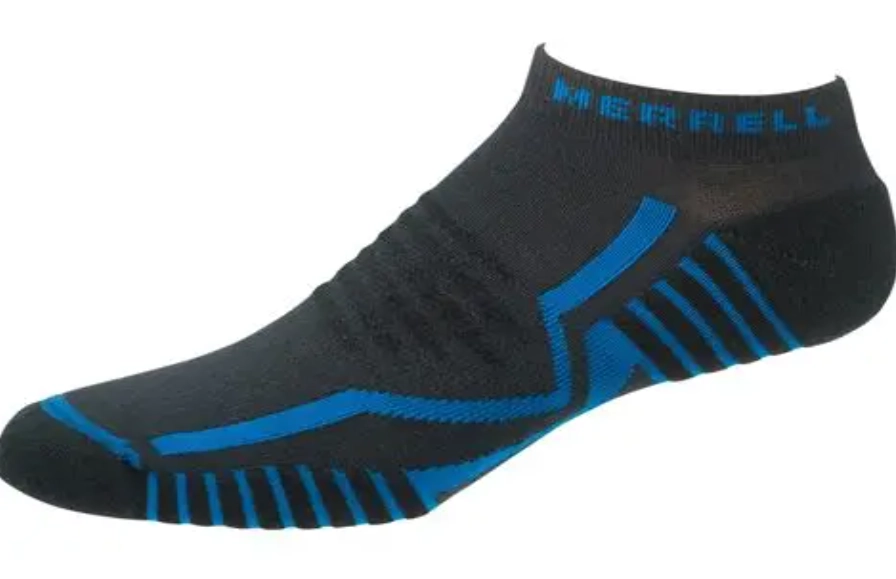
Men's snorkeling gloves and socks aren't just about warmth. They're a multi-tool for your extremities. Think of them as essential snorkeling accessories that solve problems you didn't even know you had—until you're treading water, trying to adjust a loose fin, or floating over a stunning coral garden you wish you could steady yourself to look at without touching.
Your Quick Snorkeling Gear Guide
Are Snorkeling Gloves and Socks Really Necessary?
It depends on your definition of "necessary." For survival? No. For significantly improving your comfort, safety, and enjoyment? Absolutely. Here’s the breakdown that most generic guides miss.
>| Feature | Gloves | Socks |
|---|---|---|
| Primary Function | Protection & Grip | Comfort & Thermal Layer |
| Key Benefit | Shields hands from coral, rocks, sun, and boat ladders. Provides traction. | Prevents fin blisters, adds warmth, improves fin fit. |
| Common Oversight | UV protection for hands (a major sunburn zone). | Allows you to buy fins based on foot pocket design, not just size. |
| Ideal For | Rocky entries, reef snorkeling, cooler water, photographers. | Long snorkels, anyone with fin rub issues, cold water, adjustable strap fins. |
The non-consensus view? Most beginners think warmth is the top reason. For men, especially, I find protection and fit-adjustment are the real game-changers. A small cut on your hand in salt water is a week-long annoyance. A fin that slips because it's slightly too big turns a fun float into a leg-cramping struggle.
How to Choose the Right Snorkeling Gloves for Men
Don't just grab any "dive glove." The wrong choice can make your hands feel clumsy and ruin the tactile experience of being in the water.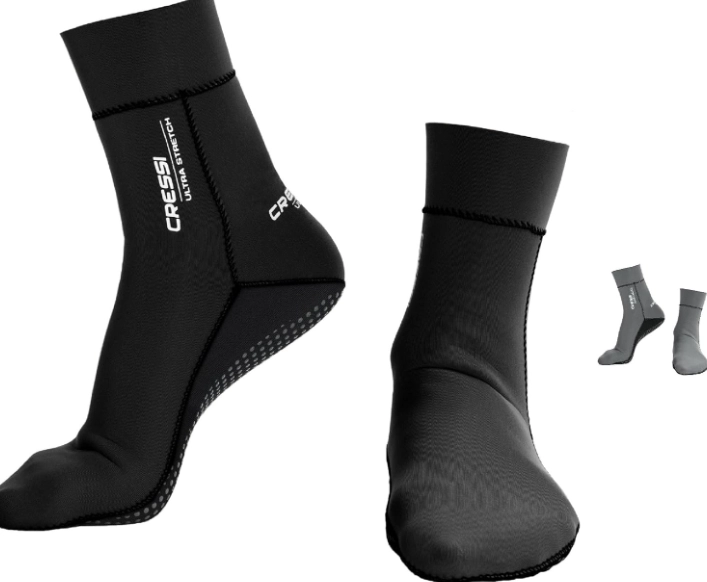
Material and Thickness: The Goldilocks Zone
Neoprene is the standard. The thickness dictates everything.
- 1-2mm (Tropical): My go-to for most warm-water snorkeling. Enough to prevent scrapes and offer sun protection without losing dexterity. You can still handle a camera or adjust a mask strap easily.
- 3mm (Temperate/Cool): Adds real thermal protection. You'll feel the bulk, but it's worth it if the water is below 75°F (24°C). Dexterity takes a hit.
- 5mm+ (Cold Water): For dedicated cold-water snorkeling. These are stiff and primarily for warmth. Overkill for a Caribbean vacation.
Key Design Features to Look For
Here’s where the details matter. A good men's snorkeling glove has:
Closure System: A simple pull-on is fine for 1-2mm. For 3mm+, look for a velcro wrist strap. It keeps cold water from flushing in and out, which is the main cause of heat loss.
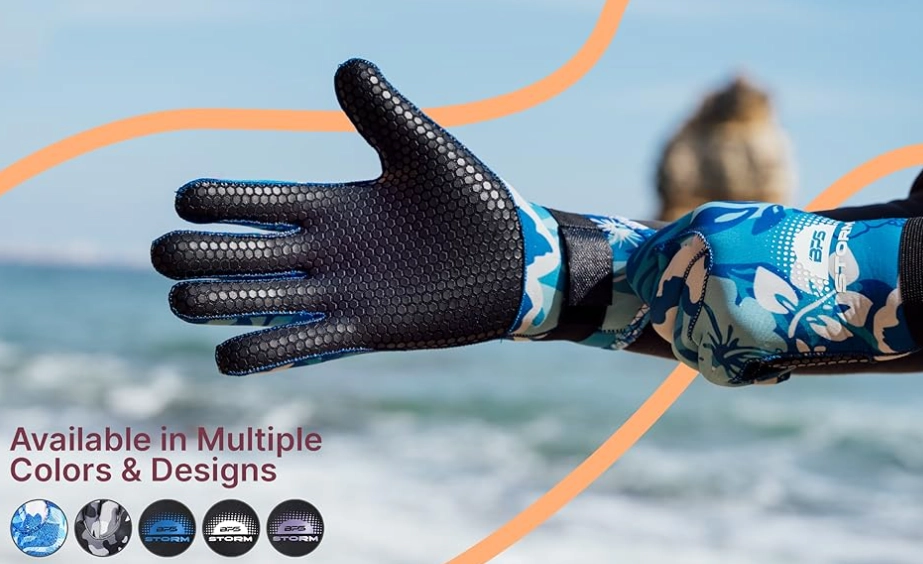
Palm Grip: Silicone or rubberized patterns on the palm and fingers are crucial. A smooth neoprene palm is useless when you're trying to hold onto a buoy line or steady yourself on a (safe) rock. Some have textured neoprene, which is better than nothing but wears out fast.
Finger Design: Full-finger is standard and recommended. "Half-finger" or "sailor" gloves leave your fingertips exposed to sun and scrapes, defeating half the purpose.
Pre-curved Fingers: A subtle feature in better gloves. They're shaped to a relaxed, slightly curled hand position. This reduces hand fatigue dramatically compared to flat-sewn gloves that fight your natural posture.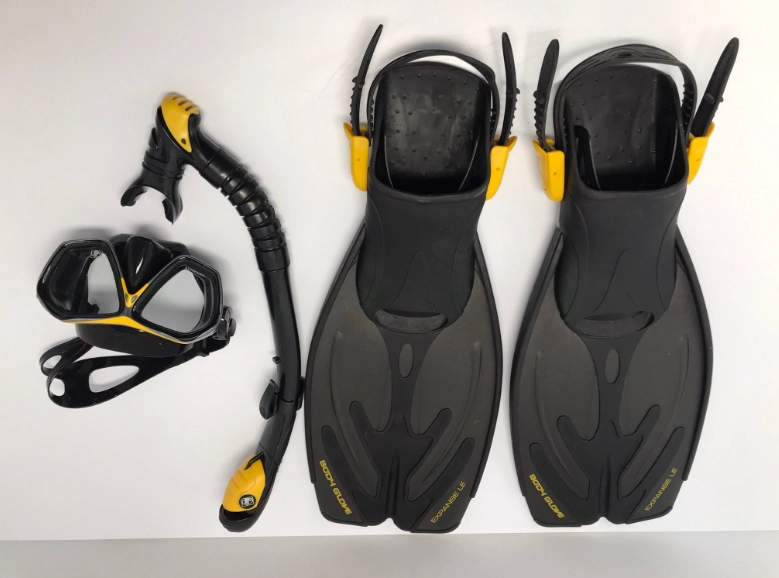
How to Choose the Right Snorkeling Socks for Men
Socks are less about the environment and more about the interface between you and your fins. Get this wrong, and your fins will own you.
Getting the Thickness Right for Your Fins
This is the most common mistake. You buy 3mm socks, then can't jam your feet into your fins.
Rule of thumb: Your snorkeling fin size should account for the sock thickness. If you wear a size 10 shoe and use medium-thickness socks, you might need a "Large" fin instead of a "Medium." Always, always try the fin with the sock if possible.
- 0.5-1mm Socks (Liners): Pure comfort play. For eliminating blister-causing rub in full-foot fins in very warm water.
- 2-3mm Socks (All-Purpose): The sweet spot. Adds warmth, solves most fit issues, and works with a wide range of fin sizes. This is what I pack 90% of the time.
- 5-7mm Socks (Cold Water): Serious thermal protection. You will need open-heel fins with adjustable straps to accommodate these. Do not try to fit them into full-foot pockets.
Why Socks Make You a Better Snorkeler
Beyond warmth, they solve two hidden problems: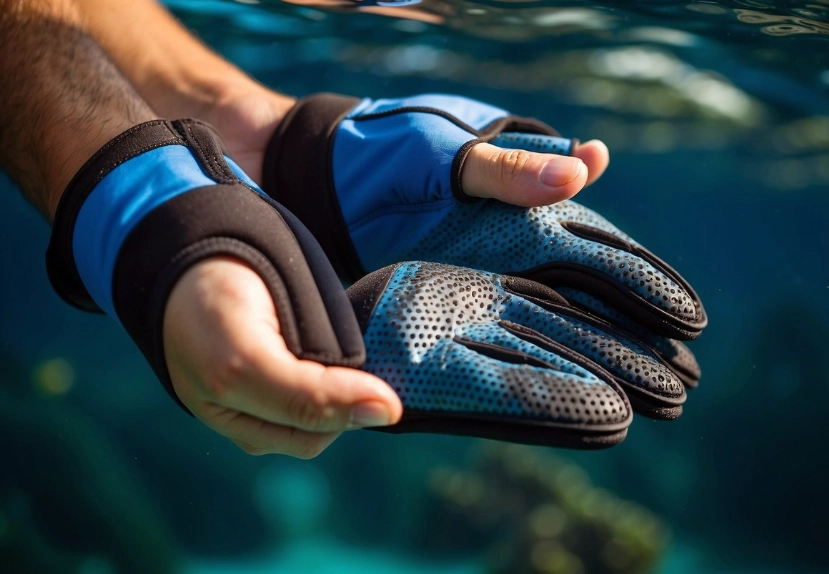
1. The Universal Fin Sizer: Have slightly narrow feet? Socks take up the extra space in the foot pocket, making the fin responsive and eliminating that sloppy, energy-wasting feeling.
2. The Land-to-Water Transition Hero: Walking across a hot sandy beach or sharp rocks in your fins is a nightmare. With socks, you can walk comfortably to the water's edge, then put your fins on. This alone is worth the price of entry.
Care and Maintenance: Making Your Gear Last
Neoprene is durable but hates three things: sun, heat, and bad smells. Here's the drill after every snorkel:
- Rinse: Dunk them in fresh water as soon as you can. Salt crystals degrade neoprene.
- Wash: Use a mild soap or specific gear cleaner like McNett MiraZyme every few uses. This kills the bacteria that cause that permanent "low tide" smell.
- Dry: Never dry in direct sunlight or on a radiator. Hang them in the shade, inside out, to air dry completely.
- Store: Once bone-dry, store them flat or loosely rolled in a cool, dry place. Don't crush them under heavy gear.
This routine adds years to their life. I've had my main pair of 2mm gloves for five seasons because of this.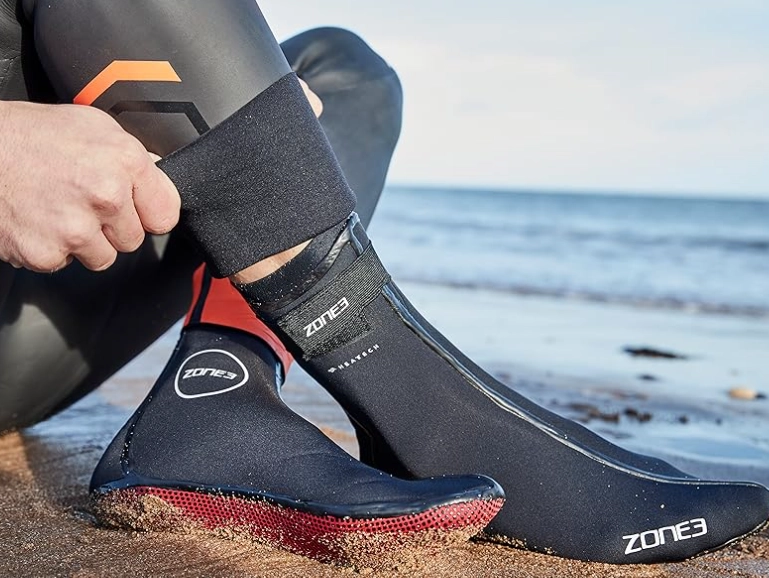
Your Snorkeling Gloves & Socks Questions Answered
 Are there eco-friendly concerns with touching coral while wearing gloves?
Reader Comments