What You’ll Find in This Guide
- Why Sharm El Sheikh is a Snorkeler's Dream (And Who It's For)
- Top Snorkeling Sites in Sharm El Sheikh: From Famous Bays to Hidden Gems
- What You'll Actually See: The Cast of Characters
- Gearing Up: What You Need (And What You Don't)
- Staying Safe & Being a Good Guest
- Booking Tours vs. Going Solo: How to Navigate
- When to Go & The Logistics
- Answering Your Burning Questions (The FAQ)
- The Final Word
Let's be honest. You've seen the pictures. That impossible blue water, coral reefs exploding with color, fish that look like they swam out of a cartoon. The Red Sea around Sharm El Sheikh in Egypt is one of those places that feels almost too good to be true. And if you're thinking about going, you probably have a million questions. Is it safe? Where exactly should I go? Do I need to be an expert swimmer? I remember asking myself all these things before my first trip.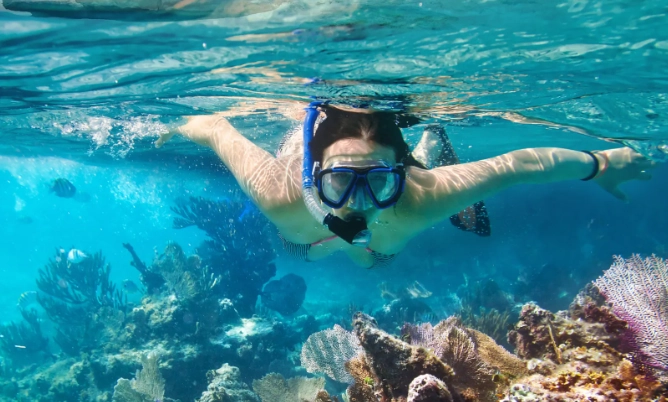
I've lost count of how many times I've floated face-down in those warm, salty waters. Sometimes the experience is pure magic—the kind of thing you remember for years. Other times, well, you learn what not to do (like forgetting to reapply sunscreen on your back. Ouch.). This guide isn't just a list of places. It's the collective wisdom from getting it right, and sometimes getting it wrong, so you can have more of those magical moments during your Red Sea snorkeling Sharm El Sheikh adventure.
The Core Idea: Sharm El Sheikh sits at the southern tip of the Sinai Peninsula, where the Gulf of Aqaba meets the Red Sea. This geography is everything. It creates sheltered bays with calm water, perfect for snorkeling, right off many beaches. The Red Sea itself is a unique marine environment—warm, super salty, and incredibly clear, allowing sunlight to reach deep and fuel the growth of spectacular coral reefs. It's often called one of the Seven Underwater Wonders of the World. Not bad for a day's swim.
Why Sharm El Sheikh is a Snorkeler's Dream (And Who It's For)
Not every great dive destination is a great snorkel destination. Sharm is special because the magic starts so close to shore. You don't need a boat to see amazing things, though boats open up even more possibilities. The reefs here are fringing reefs, meaning they grow directly from the shoreline or a short distance offshore. This creates a shallow, protected lagoon area (the "inner reef") before the reef edge drops away into the deep blue (the "drop-off"). As a snorkeler, you get to explore that vibrant, sun-drenched inner reef and peer over the dramatic wall.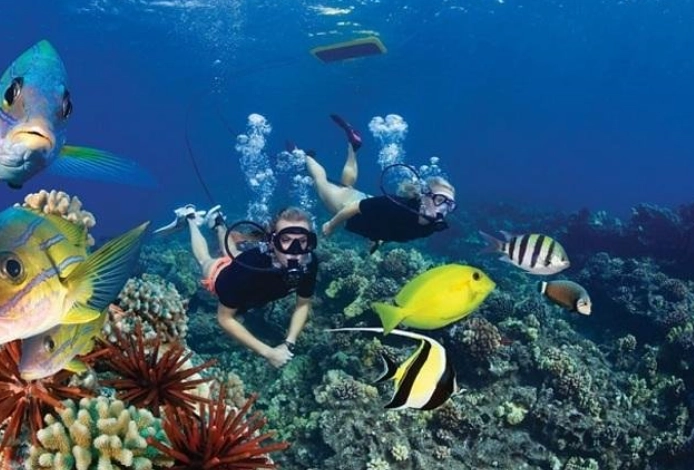
It's perfect for beginners and families. The calm bays mean you can get comfortable with your gear without fighting waves. It's a paradise for experienced snorkelers and divers-turned-snorkelers too, because the biodiversity is just staggering. You'll see things here you won't see anywhere else.
My personal take? The hype is real. But the sheer number of options can be overwhelming. Let's break them down.
Top Snorkeling Sites in Sharm El Sheikh: From Famous Bays to Hidden Gems
This is the meat of it. Where do you actually go? I've grouped them to make sense of the layout. Sharm's snorkeling is broadly in three areas: the Naama Bay/Sharm area, the Ras Mohammed National Park area, and the Nabq Bay/Dahab corridor.
The Classics: Easy Access & Guaranteed Action
These spots are famous for a reason. They're reliable, often have good facilities, and are great for first-timers.
- Ras Um Sid: This headland at the southern end of Sharm might be my favorite shore entry. The reef is literally steps from the rocky beach. The coral formations are massive and healthy, forming canyons and swim-throughs. I've seen giant moray eels, turtle cleaning stations, and huge schools of anthias here. It can get crowded, but the underwater scenery is worth it. Parking can be a pain.
- Naama Bay: The heart of the tourist action. The reef is a bit further out, so you might need to swim 100-150 meters. It's a long, sprawling reef with lots of life. The convenience is unbeatable—snorkel in the morning, have lunch on the promenade. The downside? It can feel a bit "busy" both above and below the water.
- Shark's Bay (also called Hadaba): A quieter, more local-feeling alternative to Naama Bay. The reef is accessed via hotel jetties or a few public entry points. The coral gardens are beautiful, especially in the northern section. I've had some of my most peaceful snorkels here, just drifting over fields of soft corals.
The Protected Majesty: Ras Mohammed National Park
This is the crown jewel. Ras Mohammed is Egypt's first national park, and the protection shows. The coral is in another league of health and size. You cannot access most of it from shore; you need a boat trip. It's a full or half-day commitment, but it transforms your Red Sea snorkeling Sharm El Sheikh experience from great to legendary.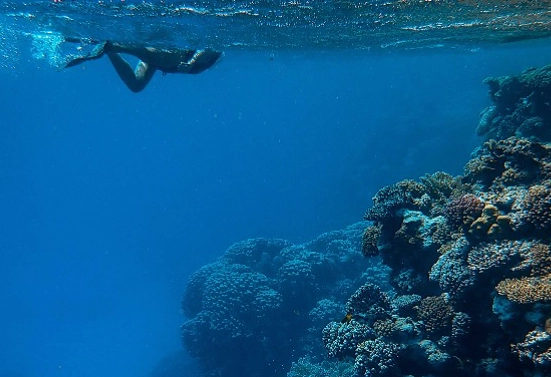
Key sites within the park include:
- Yolanda Reef & Anemone City: Famous for the shipwreck and an incredible concentration of anemones and clownfish.
- Shark Observatory: Don't let the name scare you—it's a stunning shallow reef plateau. The visibility is often mind-blowing.
The boat ride itself is part of the fun. Booking a trip is easy—every hotel and dozens of local operators offer them. Look for a reputable one that includes park fees, lunch, and multiple snorkel stops. The official park website, Ras Mohammed National Park, has good background info on conservation rules.
A word on the park: it's spectacular, but it's also exposed. The water can be choppier than in the sheltered bays of Sharm itself. If you're not a confident swimmer, stick to the classic sites first. On my first trip, the current was stronger than I expected, and it was a workout. Beautiful, but a workout.
Beyond the Main Drag: Tiran Island & The Straits
Another prime boat-trip destination. The Straits of Tiran are where the big currents flow, bringing nutrients and, consequently, bigger fish. The four famous reefs—Gordon, Thomas, Jackson, and Woodhouse—are all offshore. Snorkeling here often means drifting along the reef wall in a gentle current—an effortless way to cover a lot of ground. You're more likely to see larger pelagics like tuna, trevally, and even the occasional reef shark (harmless to snorkelers).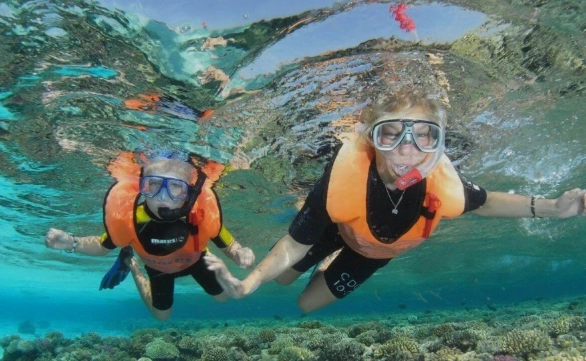
| Site Name | Access | Best For | My Personal Vibe Check |
|---|---|---|---|
| Ras Um Sid | Shore (rocky) | Experienced snorkelers, photographers | Dramatic, immersive, can be crowded. |
| Naama Bay | Shore (long swim) | Convenience, beginners who are strong swimmers | Reliable but busy. Good for a casual half-day. |
| Shark's Bay | Shore (via hotels/jetties) | Families, relaxed snorkeling | Chill, good coral variety, less crowded. |
| Ras Mohammed (Boat) | Boat Trip Only | Unmatched coral health, adventure | A must-do for enthusiasts. Feels wilder. |
| Tiran Island (Boat) | Boat Trip Only | Bigger fish, drift snorkeling | Exciting, blue water, for confident snorkelers. |
What You'll Actually See: The Cast of Characters
This is what you came for. The Red Sea has over 1,200 species of fish and 250 types of coral. You won't see them all, but you'll see a lot. Here's a non-scientific breakdown of who's who:
The Superstars (You'll Definitely See These):
- Clownfish (& Anemones): They're everywhere. Look for the wiggling anemones.
- Parrotfish: Big, colorful, and noisy. You can hear them crunching on coral.
- Angelfish (Emperor, Regal): Unbelievably graceful and patterned.
- Butterflyfish: Dozens of species, like living jewelry.
- Moray Eels: Peeking out of holes. Don't poke them.
The Lucky Sightings (Keep Your Eyes Peeled):
- Turtles (Green & Hawksbill): More common than you think, especially at cleaning stations like Ras Um Sid. Give them space.
- Napoleon Wrasse: A huge, friendly-looking fish with big lips. A real treat.
- Reef Sharks (White/Black Tip): Shy and uninterested in you. Seeing one is a thrill, not a danger. More likely at Tiran or Ras Mohammed.
- Dolphins: Sometimes seen on boat trips. Never try to swim with or chase them.
I still get a kid-like thrill when I spot a turtle. On my last trip to a Ras Mohammed site, a green turtle spent 10 minutes eating sea grass just below me, completely unfazed. Those are the moments.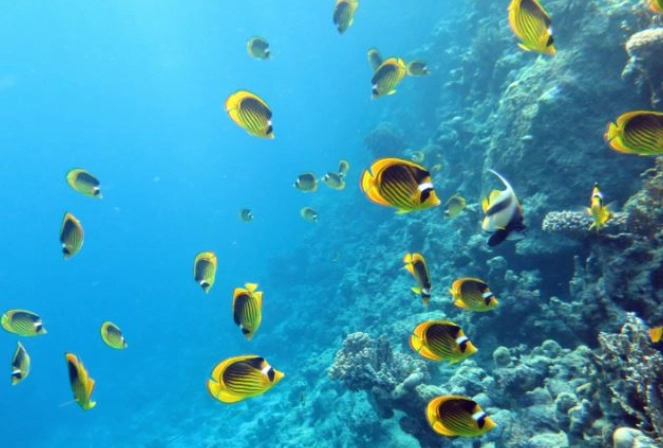
Gearing Up: What You Need (And What You Don't)
You can rent everything in Sharm. But quality varies wildly.
The Non-Negotiables: A well-fitting mask is everything. A leaky mask ruins the experience. If you're serious, consider bringing your own. Snorkels with a simple splash guard are better than dry snorkels, which can fail. Fins should be snug but not cramp your feet. Booties are a great idea if you're accessing rocky sites like Ras Um Sid.
My Gear Philosophy: I bring my own mask, snorkel, and anti-fog. I rent fins there to save space. That cheap, ill-fitting rental mask with foggy lenses? It's the difference between seeing a blurry blue world and seeing every detail on a tiny nudibranch.
Other Essentials:
- Reef-Safe Sunscreen: This is crucial. Chemicals in normal sunscreen kill coral. Look for zinc oxide or titanium dioxide-based formulas. Apply it 30 minutes before you get in the water. Better yet, wear a rash guard or UV shirt. I learned this the hard way after seeing bleached coral patches near popular entry points.
- UV/Lycra Rash Guard: Protects your back from sunburn, protects you from accidental coral scrapes, and keeps you warm. The single most useful item besides your mask.
- Waterproof Phone Case or Camera: For memories. GoPro-type cameras are ideal.
- Reef Hook/ Float (Optional): Some operators provide a small float for resting. Never stand on or touch the reef to rest.
Staying Safe & Being a Good Guest
Snorkeling is safe, but the ocean demands respect.
- Never Snorkel Alone: Use the buddy system. Always.
- Check Currents: Ask locals or your boat captain about conditions. Currents can be strong, especially around headlands and in the Straits of Tiran.
- Look, Don't Touch: This is rule number one. Coral is a living animal. A single touch can kill a colony that took decades to grow. Many creatures are venomous (stonefish, lionfish, fire coral). Admire with your eyes. This also applies to "feeding the fish"—don't do it. It disrupts their natural behavior.
- Hydrate & Re-apply Sunscreen: Dehydration and sunburn are the most common real problems.
- Fitness Level: You don't need to be an Olympic swimmer, but you should be comfortable in deep water and able to swim back to shore or the boat if tired.
The Egyptian government and local operators take reef protection increasingly seriously. Following these rules isn't just about safety; it's about ensuring this place remains incredible. The Hurghada Environmental Protection and Conservation Association (HEPCA) does great work on Red Sea conservation and has clear guidelines for tourists.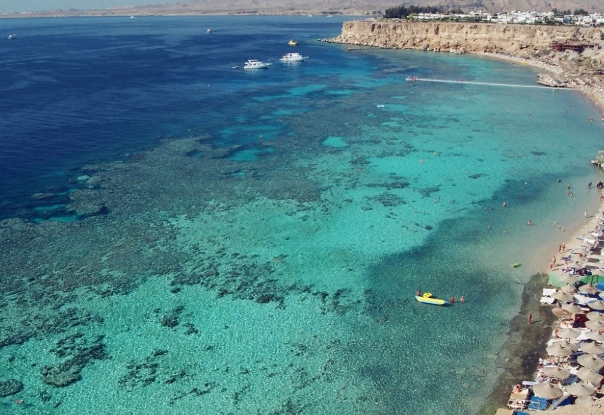
Booking Tours vs. Going Solo: How to Navigate
This is a big question. Should you book a fancy boat tour or just grab a taxi to a beach?
Going Solo (Shore Snorkeling): It's cheap, flexible, and perfect for a few hours. Taxis know the main spots (Ras Um Sid, Naama Bay, Shark's Bay). Some public beaches have entry fees (like $5). Hotels often have their own house reefs—if you're not a guest, you might pay a day-pass fee, which can include facilities like showers and loungers. This is my go-to for a relaxed morning.
Booking a Boat Tour: Essential for Ras Mohammed and Tiran. Also great if you want to hit multiple sites without driving. There's a huge range:
- Large Group Boats: Cheaper, social, can feel crowded.
- Small Group/Semi-Private Boats: More expensive, more personalized, better service.
- "Safari" Snorkel Boats: These go to multiple, sometimes less-visited reefs.
But with so many operators, how do you choose? I avoid the guys aggressively hustling on the street in Naama Bay. I look for operators with a clear focus on safety (life jackets, briefings) and environmental awareness (reef briefings, no-touch policies). Asking your hotel for a recommendation is a safe bet, but you might pay a small premium. Sometimes it's worth it for the peace of mind.
When to Go & The Logistics
Best Time: Year-round. Seriously. But there are nuances.
- Peak (Mar-May, Sep-Nov): Perfect air & water temps (24-28°C/75-82°F), calm seas. Also peak crowds and prices.
- Summer (Jun-Aug): Hot on land (35°C+/95°F+), but water is bath-like (28-30°C/82-86°F). Great for long snorkels. Sea can be glassy calm. Early morning is best to avoid heat.
- Winter (Dec-Feb): Cooler air (20-25°C/68-77°F), water dips to 21-23°C (70-73°F). You'll want a 3mm wetsuit or a very good rash guard. Far fewer crowds. I love it in January.
Getting There & Around: You'll fly into Sharm El Sheikh International Airport (SSH). Transfers to Naama Bay or other areas are easy. Once there, taxis are plentiful. Agree on a price before you get in. No Uber/Careem here.
Money & Language: Egyptian Pounds (EGP) or US Dollars/Euros are widely accepted. ATMs are everywhere. Basic English is spoken by almost everyone in the tourist sector.
Answering Your Burning Questions (The FAQ)
The Final Word
Planning your Red Sea snorkeling Sharm El Sheikh trip shouldn't be stressful. It should be part of the fun. The formula is simple: pick a calm bay for your first day to get your sea legs. Book a boat trip to Ras Mohammed for your mind to be blown. Remember your reef-safe sunscreen. And just look.
The real magic isn't in checking sites off a list. It's in that moment of weightlessness, hovering over a garden of coral, watching a parade of fish go about their day in a world that feels entirely separate from our own. Sharm El Sheikh delivers that magic more accessibly than almost anywhere else on Earth. So pack your sense of adventure (and that rash guard), and get ready to see the underwater world the way it's meant to be seen.
Any other questions? Drop them in the comments below—I read them and try to help out based on my own experiences bouncing around those beautiful reefs.
Reader Comments