Let's cut to the chase. You're looking at the Scubapro Cruiser snorkeling vest because you want something reliable, comfortable, and safe. You're tired of rental gear that chafes, leaks air, or feels like it's trying to escape your body the moment you jump in. I get it. After a decade of guiding snorkeling trips from the Great Barrier Reef to cenotes in Mexico, I've seen every vest malfunction imaginable. The Cruiser isn't just another piece of foam and nylon; it's a piece of engineering that solves specific problems snorkelers face. But it's not perfect for everyone. This review will walk you through exactly what makes it tick, who it's for, and the few quirks you need to know before buying.
What You'll Discover
What Makes the Scubapro Cruiser Special?
Most snorkeling vests are simple. The Cruiser is different. Scubapro, a brand trusted by professional divers for decades, applied real dive gear thinking to a snorkeling product. The result is a hybrid.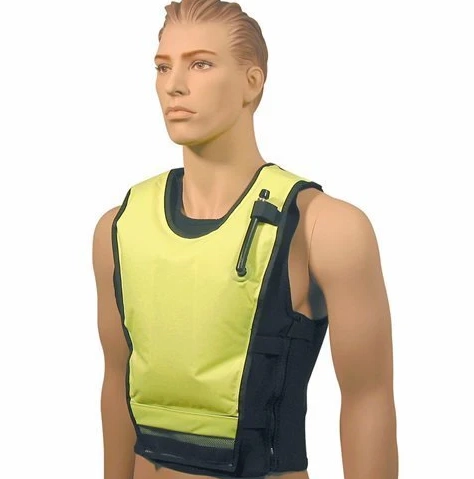
The core is a soft, flexible foam core. This is your primary buoyancy. It's always there, no air needed. Wrapped around it is an oral inflation bladder. This is the game-changer. You can add a bit of air for extra lift when you're tired, or to keep your chin perfectly above water while you're looking down. It's a two-stage system most cheap vests don't offer.
The construction feels substantial. The nylon shell is tough, the buckles are solid plastic (not flimsy metal), and the stitching is clean. It's heavier than a basic vest – about 2.2 lbs (1 kg). Some might see that as a negative for travel, but I see it as a sign of durability. It won't feel like a plastic bag in the water.
Key Features Broken Down
- Dual-Buoyancy System: Permanent foam + oral inflator. This redundancy is a major safety plus.
- Quick-Release Buckle: A single, large buckle across the chest. Easy to put on and take off, even with cold, slippery hands.
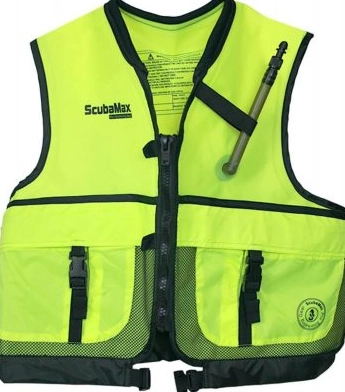
- Multiple D-Rings: You can attach a snorkel keeper, a whistle, or a small dive light. It's a small touch that shows they thought about how people actually use gear.
- Oral Inflator Hose: It's on a flexible hose, not fixed. You can position it for easy access.
Now, the elephant in the room. It's more expensive. A basic vest might cost $30. The Cruiser is typically between $80 and $120. You're paying for the Scubapro name, the design, and the materials. Is it worth it? For the right person, absolutely. For a casual user who snorkels once a year on vacation, maybe not.
Who is the Scubapro Cruiser Vest For?
This isn't a one-size-fits-all recommendation. Based on my experience, here’s who will get the most value from it.
The Frequent Snorkeler: If you own your mask and snorkel, you should own a vest like this. The comfort and reliability over dozens of trips justify the cost.
Anyone Anxious in Deeper Water: The sense of security from that permanent foam is tangible. It's not just a psychological crutch; it's a physical one. Knowing you have reliable buoyancy lets you relax and enjoy the fish, not fight to stay afloat.
Families with Older Kids/Teens: It's a great step up from pool noodles or bulky life jackets for kids who are confident swimmers but need a safety aid. The adjustability means it can fit them for several seasons. (Note: It is NOT a substitute for a certified life jacket for non-swimmers or in rough conditions).
The Traveler Who Hates Rental Gear: It packs flat, is easy to rinse and dry, and you know its history. No mysterious stains or questionable buckle integrity.
Who might want to think twice? Ultra-minimalist packers who count every ounce. While it packs well, it's not the lightest. Absolute beginners who just want to try snorkeling might be better off with a basic rental first to see if they like the activity.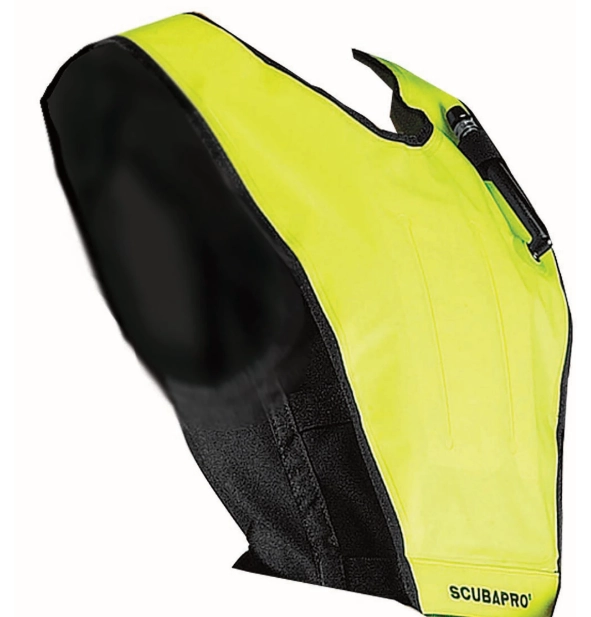
How to Choose the Right Snorkeling Vest Size
This is where most people mess up. A vest that's too big will float up around your ears. One that's too small won't provide enough lift and will be uncomfortable. The Cruiser comes in four sizes, and Scubapro's sizing is generally accurate if you measure your chest over a thin t-shirt or rash guard.
Don't guess. Use a soft measuring tape.
| Vest Size | Chest Size (inches) | Chest Size (cm) | Best For |
|---|---|---|---|
| XS/S | 28 - 38 | 71 - 97 | Smaller adults, older children (12+), teens |
| S/M | 34 - 44 | 86 - 112 | Most women, smaller-to-average men |
| M/L | 40 - 50 | 102 - 127 | Average-to-larger men, some women with broader build |
| L/XL | 46 - 56 | 117 - 142 | Larger men, those needing extra room over a wetsuit |
Pro Tip: If you're on the upper end of a size range, or if you plan to wear it over a 3mm wetsuit, size up. It's easier to tighten a slightly larger vest than to squeeze into one that's too small. The adjustable side straps give you a good amount of leeway.
I'm a 42-inch chest and use the M/L. It fits perfectly over a rash guard and has enough room to be comfortable over a thin wetsuit. The S/M would have been too snug.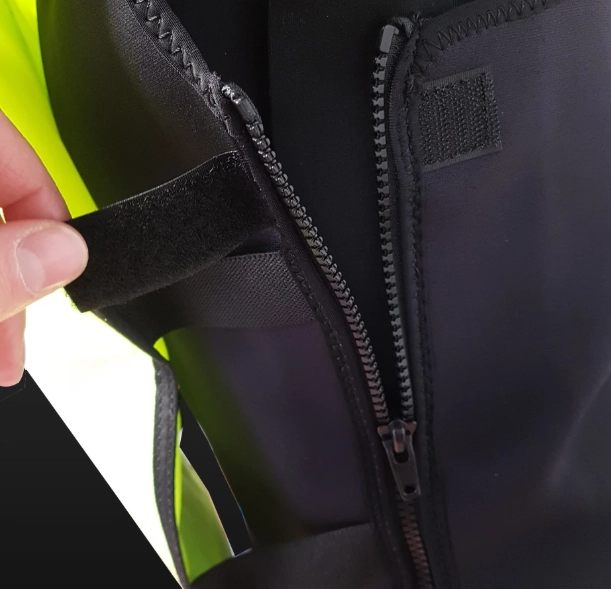
Using the Cruiser Like a Pro: Tips & Common Mistakes
Putting it on is straightforward. Slide your arms through, clip the chest buckle, and tighten the side straps so it's snug but not constricting. You should be able to slide a flat hand between the vest and your chest.
The Inflation Balancing Act
This is the most common user error. Do not over-inflate the oral bladder. The foam provides about 80% of the buoyancy you need. The oral inflator is for fine-tuning. Two or three breaths are usually plenty.
What happens if you blow it up like a balloon? The vest becomes rigid and uncomfortable. It can ride up. It can actually make it harder to duck-dive below the surface if you want to. The sweet spot is having just enough air so you float effortlessly with your face in the water, without having to kick or paddle.
To deflate, just press the oral inflator valve and squeeze the vest.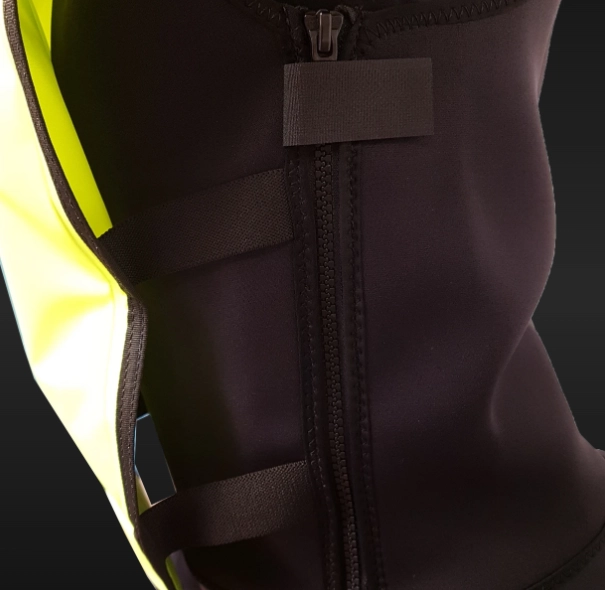
In the Water: Real-World Behavior
Once you're in, you'll notice it's stable. It doesn't twist or shift. The contoured design really shines here. When you're swimming face-down, it provides balanced lift across your chest and upper back.
If you roll onto your back to rest, it supports your head nicely. This is a huge advantage over simpler vests that only work in one position.
Remember, it's a snorkeling aid, not a life-saving device. You still need to know how to swim and be aware of your surroundings, currents, and boat traffic. For comprehensive safety guidelines, resources like the PADI website offer great advice on snorkeling and diving safety practices.
Care, Maintenance, and Making It Last
Salt, sun, and sand are the enemies of any gear. Here's how to keep your Cruiser in top shape for years.
- Rinse Immediately: After every use in salt or chlorinated water, give it a thorough rinse with fresh water. Don't forget the oral inflator – put the end in the water stream and press the valve to flush it out.
- Dry Fully: Hang it up in a shaded, well-ventilated area. Never store it damp or in a sealed bag. Mildew will ruin the foam and fabric.
- Storage: Lay it flat or hang it. Don't leave it crammed in a tight space for months, as this can permanently crease the foam.
- Inflation Check: Every few months, give the oral inflator a few puffs of air and let it sit for an hour. If it stays firm, the valve is good. If it slowly deflates, it might need a replacement valve – a cheap and easy fix.
With proper care, a vest like this can easily last 5-10 years. I have one that's 8 years old and still performs perfectly, though the nylon has faded a bit from the sun.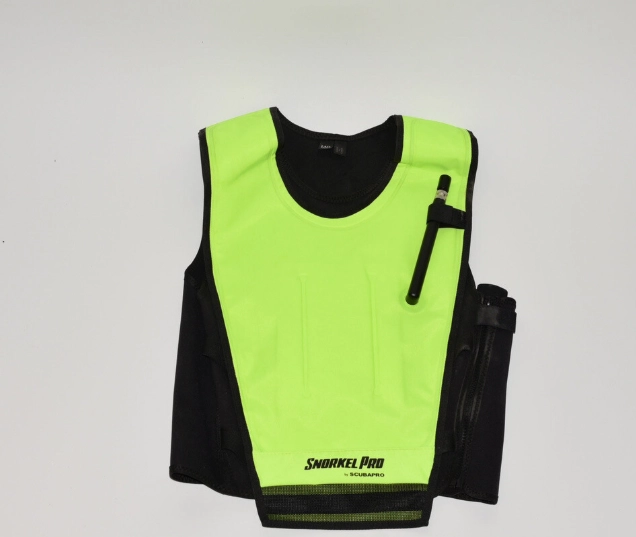
Your Questions, Answered (The Real Ones)
Can I use the Scubapro Cruiser for scuba diving as a backup buoyancy device?
No, absolutely not. This is a critical distinction. The Cruiser is a snorkeling vest (SNB – Snorkeling Buoyancy Aid). It is not rated or designed for scuba diving. Scuba diving requires a Buoyancy Control Device (BCD) with a low-pressure inflator connected to your tank and a dump valve system to manage buoyancy at depth. Using a snorkeling vest while scuba diving is extremely dangerous and can lead to uncontrolled ascents.
Is it suitable for young children or weak swimmers?
It depends. For a child who is a confident swimmer in calm, shallow, supervised water (like a protected cove), the XS/S size can be appropriate for added confidence. However, it is not a substitute for a proper, coast-guard-approved life jacket (PFD) for a non-swimmer, in a boat, or in any situation where constant flotation and the ability to turn an unconscious person face-up is required. For weak swimmers, a full life jacket is the only safe choice.
How fast does it inflate orally if I need buoyancy in a hurry?
The foam core provides instant buoyancy, so you're never starting from zero. The oral inflation is relatively fast—three or four full breaths will give you significant additional lift within 10-15 seconds. The key is not to panic and blow short, sharp breaths. Take deep, full breaths from your diaphragm into the hose for efficiency. Practice this in a pool first so the motion becomes familiar.
The vest feels stiff when new. Will it break in?
Yes, it will. The foam and fabric need a few uses to soften up and conform to your body shape. After 2-3 snorkeling sessions, it will feel noticeably more flexible and comfortable. Don't judge the comfort based solely on trying it on in your living room.
Can it be repaired if the bladder gets a puncture?
Yes, in most cases. Small punctures in the oral bladder can often be patched with a vinyl repair kit (the same type used for air mattresses). However, damage to the main foam core is more difficult to fix. The robust nylon shell makes punctures less likely than with thinner vests. Always check for sharp objects when handling or packing the vest.
Reader Comments