Let's cut to the chase. You're here because you've seen the pictures: crystal water, coral reefs exploding with color, turtles gliding past like underwater astronauts. The Philippines isn't just a good snorkeling destination; it's a top-tier global contender. But here's the thing most blogs don't tell you—it's easy to get it wrong. You can end up on a crowded boat, staring at bleached coral, or miss the hidden spots that make your jaw drop. I've spent years dipping my fins in these waters, from the chaotic party boats to the pristine marine sanctuaries. This guide is about getting it right.
Your Quick Dive Plan
Where to Go: The Philippines' Snorkeling Hotspots
Forget the vague "go to Palawan." You need specifics. The archipelago has over 7,000 islands, but your time is limited. These are the spots that consistently deliver magic.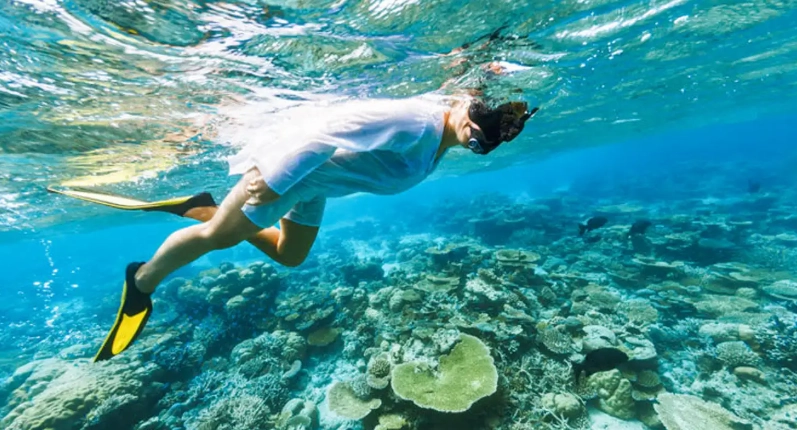
Coron, Palawan: The Wreck Diver's Playground
Yes, it's famous for World War II Japanese shipwrecks like the Irako and Okikawa Maru. The magic for snorkelers? Many wrecks sit in shallow enough water (5-10 meters) that you can see their eerie outlines clearly. The coral growth on them is spectacular. But Coron's secret weapon is Barracuda Lake. You hike up sharp limestone, then plunge into a thermally stratified lake. The top layer is warm, then you hit a sudden cold layer (the thermocline), and the water gets blurry. It's surreal. Most island-hopping tours (starting around 1,500 PHP / $27) include this.
Logistics: Fly to Busuanga (Francisco B. Reyes Airport). Tours leave from Coron town proper. The best wrecks require a boat ride of 30-45 minutes.
El Nido & Bacuit Bay, Palawan: The Postcard
This is the landscape you dream of: karst limestone cliffs jutting out of turquoise water. The standard Tours A, B, C, and D all include snorkeling stops. Secret Beach (Tour A) and Snake Island (Tour B) have decent coral. But the real gem is often Entalula Island or the reefs near Cadlao Island. The fish life is prolific. A common mistake? People focus only on the Instagram lagoons and rush through the snorkel spots. Don't. The marine life here is the main event.
Logistics: Fly to Puerto Princesa, then a 5-6 hour van to El Nido. Standardized tours cost 1,200-1,400 PHP ($22-$25) per person, including lunch. Book a day ahead from your hotel or a reputable operator like El Nido Paradise Tours.
Moalboal, Cebu: The Sardine Run
Imagine swimming through a swirling, silver galaxy of millions of sardines, right off the beach. That's Panagsama Beach in Moalboal. You can literally walk in from the shore. It's free, accessible, and utterly mind-blowing. Just 100 meters further out, you often find turtles munching on sea grass. It's a one-two punch that's hard to beat for convenience and wow factor. The coral along the house reef is recovering but still decent.
Logistics: Fly to Cebu City (Mactan-Cebu International). It's a 3-4 hour drive south to Moalboal. No tour needed for the main attraction—just rent gear from a shop (150 PHP / ~$3) and swim out.
Apo Island, Negros Oriental: The Turtle Sanctuary
This is a masterclass in marine conservation. Apo Island is a protected marine sanctuary, and it shows. The coral is healthy and dense. You are guaranteed to see sea turtles—not one or two, but dozens, going about their business. They're completely accustomed to snorkelers. I once counted seven in a single glance. The current can be strong, so going with a guide from the neighboring town of Dauin is mandatory (and worth it).
Logistics: Fly to Dumaguete City. Drive to Dauin (30 mins). Book a tour through your resort or a Dauin operator (around 1,800 PHP / $32 per person for boat, fees, guide). The boat ride is about 30 minutes.
Tubbataha Reefs Natural Park: The Ultimate Frontier
This is the big leagues. A UNESCO World Heritage Site in the middle of the Sulu Sea, accessible only by liveaboard boat during a short season (mid-March to mid-June). It's for serious snorkelers (and divers) due to the cost and remote nature. We're talking pristine reefs, sharks, mantas, and pelagic action you won't find anywhere else in the country. It's not a casual day trip; it's an expedition.
Logistics: Expensive and requires planning. Liveaboard trips start at around $1,500 for a 5-day trip from Puerto Princesa. Book a year in advance.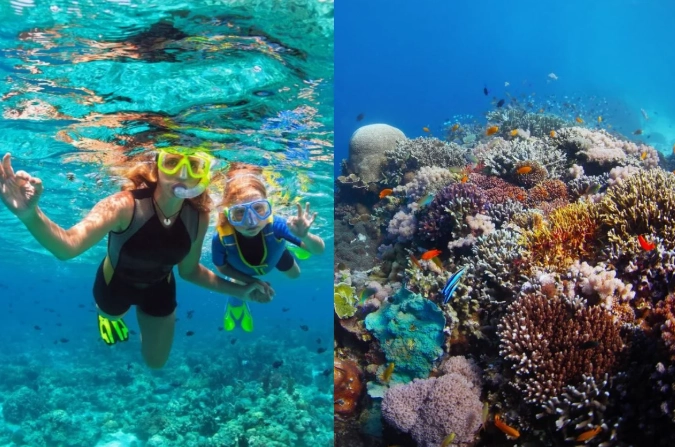
How to Choose Your Snorkeling Base
Picking the right island is more important than packing the right sunscreen. Your choice depends on your travel style.
| Destination | Best For | Vibe & Travel | Typical Snorkel Tour Cost |
|---|---|---|---|
| Coron, Palawan | Adventure, unique landscapes (wrecks, lakes), photography. | More rugged, less developed town. Tours involve some climbing/swimming through narrow passages. | 1,500 - 2,000 PHP ($27-$36) |
| El Nido, Palawan | Iconic scenery, first-timers, social travelers. | Busy, touristy town with nightlife. Well-organized but crowded tours. | 1,200 - 1,500 PHP ($22-$27) |
| Moalboal, Cebu | Budget travelers, flexibility, easy access, sardine spectacle. | Relaxed, backpacker-friendly. No tour needed for the main event. | Free (shore) or 1,500 PHP ($27) for nearby Pescador Island. |
| Apo Island (via Dauin) | Marine life purists, guaranteed turtle encounters, conservation focus. | Quiet, resort-based. Tours are eco-focused and structured. | 1,800 - 2,200 PHP ($32-$40) |
Gear Essentials: What to Bring (And What to Skip)
Rental gear in the Philippines is often low-quality, leaky, and foggy. For hygiene and a good experience, bring your core kit.
- Your Own Mask and Snorkel: This is non-negotiable. A proper fit is everything. Spend $50-80 on a comfortable silicone mask with a tempered glass lens. A dry-top snorkel prevents water intake when you dive down. This combo will improve your experience by 200%.
- Rash Guard / Long-Sleeve Swim Shirt: I mentioned this in the FAQ for a reason. Sunburn and life-vest chafing are trip-killers. A good rash guard is sun protection, a wetsuit liner, and a stinger suit all in one.
- Reef-Safe Sunscreen: Many places, like Apo Island and parts of El Nido, now mandate it. Chemicals in regular sunscreen bleach coral. Brands like Stream2Sea or Badger are reliable. Apply it 30 minutes before getting in the water.
- Aqua Shoes or Reef Booties: Not for swimming, but for getting in and out of boats on sharp limestone beaches or walking over rocky shores. Flip-flops will fail you.
- Waterproof Dry Bag: For your phone, wallet, and a spare shirt. Boat decks get wet.
- Skip Bringing Fins: They're bulky, and all tour boats provide them. The exception is if you have very small or very large feet.
Planning Tips for a Smooth Trip
A few logistical nuggets that save headaches.
Timing is Everything: Aim for the dry season (Nov-May). December-February can have cooler water and wind. April-May is hottest and calmest, but most crowded. Book domestic flights (Cebu Pacific, Philippine Airlines, AirAsia) early—they're cheap but fill up.
Booking Tours: You rarely need to book months ahead. Walk down the main street in El Nido, Coron, or Moalboal a day before and compare operators. Look for boats that aren't overcrowded. Ask: "How many people on the boat?" 15-20 is standard; anything over 25 is a party barge.
Money & Connectivity: Bring enough Philippine Pesos (PHP). Card acceptance is spotky on islands. ATM fees are high. Load up on cash in Manila or Cebu City. Mobile data (Globe or Smart SIM) is cheap and works in most tourist towns, but can vanish on boat trips.
Snorkeling Responsibly: It's Not Optional
The reefs are under immense pressure. Your behavior matters.
Never touch anything. Not the coral (it kills it), not the turtles (it stresses them and is illegal). Buoyancy control is key—practice floating horizontally without kicking the reef. If you're not a strong swimmer, use the life vest. Kicking frantically to stay afloat destroys more coral than you'd think.
Respect the guides. They'll point out cool things. If they say "don't go past that buoy," it's because of currents or fragile areas. Listen.
Choose operators wisely. Look for ones that mention "eco" or "sanctuary fees included." Their boats are more likely to use mooring buoys instead of dropping anchors on the reef. A report by the Coastal Conservation and Education Foundation highlights the damage from irresponsible anchoring.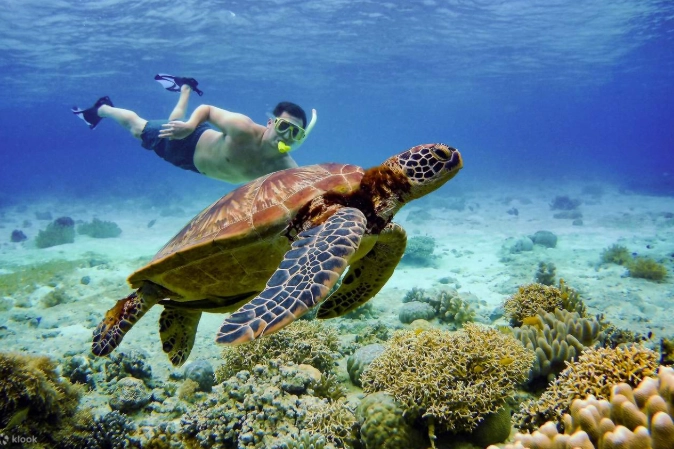
So there you have it. The Philippines' underwater world is waiting, but it asks for a little respect and some smart planning. Pack your sense of wonder, leave the heavy fins at home, and get ready to have your perspective shifted. That first moment you lock eyes with a turtle in the clear blue silence—that's what it's all about.
Reader Comments