What You'll Learn
- Why Does This Even Happen? The Science of a Wet Mask
- Mastering the Art: How to Clear a Snorkel Mask Step-by-Step
- Setting Yourself Up for Success: Prevention is Everything
- Beyond the Basics: Advanced Scenarios & Troubleshooting
- Your Top Questions on How to Clear Snorkel Mask Issues, Answered
- Maintenance: Keeping Your Mask Happy
- Final Reality Check
Let's be honest. Nothing ruins a perfect snorkeling trip faster than a mask full of water or one so fogged up you can't see the amazing coral right in front of you. You're floating there, trying to enjoy the underwater world, and instead you're wrestling with your gear, feeling more like you're in a DIY plumbing disaster than a tropical paradise. I've been there. I remember my first time snorkeling in Thailand, I spent more time treading water and clearing my mask than I did looking at fish. It was frustrating, and it almost put me off the whole activity.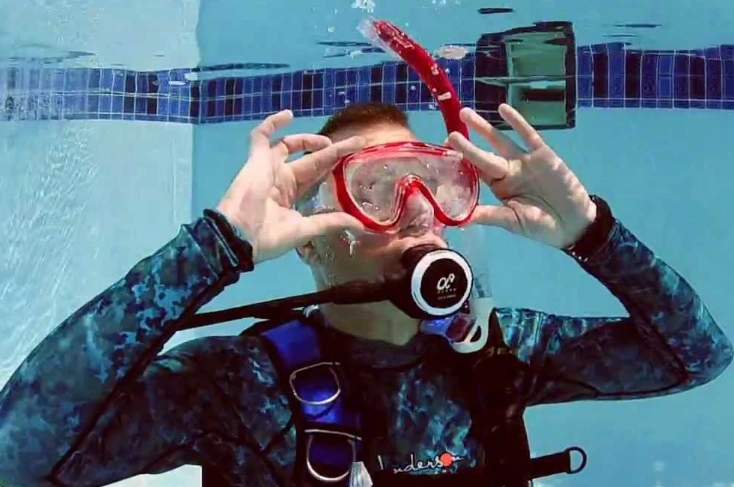
But here's the good news: learning how to clear a snorkel mask is a fundamental skill, and it's honestly not that hard once someone breaks it down for you without all the jargon. It's not about brute force or having superhuman lung capacity. It's about technique, understanding a bit of basic physics, and knowing how to prevent problems before they start. This guide is that breakdown. We're going to cover everything—from why water gets in and fog forms, to the step-by-step clearing techniques, to the pro tips that make it second nature. By the end, you'll know exactly how to clear snorkel mask issues for good.
The Core Idea: Mask clearing is simply using air from your nose to push water out of the bottom of the mask skirt. That's it. The rest is just perfecting that move and setting yourself up for success.
Why Does This Even Happen? The Science of a Wet Mask
Before we dive into the how to clear snorkel mask techniques, let's understand the *why*. Knowing the enemy makes it easier to defeat. There are two main villains: leaks and fog.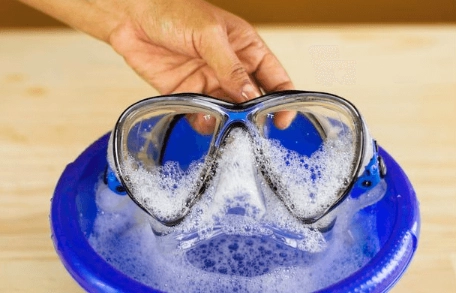
Leaks: Water Where It Shouldn't Be
Water leaks in primarily because of a poor seal. Think of the silicone skirt of your mask like a gasket. For it to work, it needs to press evenly against your skin. Any break in that seal is an invitation for the ocean to come visit.
- Hair in the way: This is the number one culprit for beginners. A single strand of hair under the skirt is enough to create a channel for water.
- Wrong fit: If the mask is too big, too small, or just the wrong shape for your face, it will never seal properly. More on finding the perfect fit later.
- Strap issues: Too tight, and you distort the skirt, creating leaks. Too loose, and... well, it's obvious. Also, a strap placed too high on the back of your head can tilt the mask.
- Facial movements: Smiling, laughing, or grimacing can break the seal temporarily, letting in a trickle of water.
Fog: The Invisible Menace
Fog isn't water leaking in from the outside; it's water condensing on the *inside* of your lens. It happens because the air inside your mask is warm and humid (from your face and breath), and the lens is cooled by the surrounding water. When warm, moist air hits that cool surface, it turns into tiny droplets—fog.
Manufacturers apply a protective film to new masks to preserve them during shipping. This film is a fog magnet. If you don't remove it properly, you'll be fighting a losing battle. We'll cover the definitive way to deal with this later.
A quick word of caution here. I see a lot of old-school advice about burning the lens with a lighter. Please, don't do this. It's easy to melt or warp the plastic or tempered glass, rendering your mask dangerous and useless. There are safer, more effective methods.
Mastering the Art: How to Clear a Snorkel Mask Step-by-Step
Alright, let's get to the meat of it. You're in the water, and your mask has water in it. Don't panic. Panic makes you breathe hard and waste air. Follow this sequence. Practice it in a pool or calm, shallow water first where you can stand up if you need to.
The Basic Mask Clear (The Foundation)
This is the essential skill every snorkeler and diver learns. The goal is to remove the majority of the water.
- Assume the Position: Keep your snorkel in your mouth and breathe normally through your mouth. Tilt your head back slightly. Look up towards the surface. This creates a pocket of air at the top of your mask and positions the water at the bottom, ready to be expelled.
- Seal the Top: Place the heel of one or both hands firmly on the top frame of the mask, pressing it against your forehead. This is crucial. You need to seal the top edge so the air you're about to add doesn't just escape upwards.
- Exhale Through Your Nose: This is the action step. Give a firm, steady exhale through your nose. Don't blast it like a rocket; a constant, forceful breath is better. You'll feel the air fill the mask and see bubbles escaping from the bottom skirt.
- The Water Exit: As you exhale, the increasing air pressure inside the mask pushes the water out from the bottom. You can gently lift the very bottom of the mask skirt with a finger to help it along, but a good exhale should do most of the work.
- Resume Normal Breathing: Once you see/feel the water is gone, stop exhaling, level your head, and check. A tiny bit of residual water is normal and can be cleared with a lighter puff or just tolerated.
That's the core move. Practice it until it feels natural.
The Partial Clear (For Just a Little Water)
Sometimes you don't get a full flood, just a annoying puddle in the bottom. You don't need the full head-tilt routine.
- Simply press the top of the mask to your forehead.
- Look straight ahead or even slightly down.
- Give a sharp, short exhale through your nose. The water should shoot out the bottom.
This is a handy quick-fix that saves energy and air.
What About Fog? Clearing vs. Defogging
This is a key distinction. You clear water. You prevent fog. If your mask is already fogged up underwater, the clearing technique often doesn't work well because the water droplets are stuck to the lens. The best solution is to flood the mask intentionally (let water in), give it a quick swish to wash the fog off the glass, and then perform a full mask clear. It's a bit counter-intuitive—adding water to solve a water problem—but it works.
Pro Tip from Experience: Before you even get in the water, spit in your mask, rub it all over the lens, and give it a quick rinse. Yes, spit. It's the original and surprisingly effective defogger. Commercial defog gels are just more polite versions of the same idea. The key is to only rinse it *lightly* so a thin film remains.
Setting Yourself Up for Success: Prevention is Everything
Honestly, the best way to deal with learning how to clear snorkel mask problems is to avoid them in the first place. 90% of the battle is won before you get wet.
Step 1: The Sacred Mask Prep (Non-Negotiable)
This is for a brand-new mask or one that's started fogging badly. That factory film must go.
- Toothpaste Method: Get a small tube of plain, white toothpaste (not gel, not whitening, not with beads). Smear a generous amount on the inside and outside of the lenses.
- Scrub: Using your fingers, scrub every millimeter of the glass for a good 2-3 minutes. You're using the mild abrasives in the toothpaste to microscopically scour off the film.
- Rinse & Repeat: Rinse thoroughly. Does the glass look perfectly clear and squeaky clean when wet? If it sheets off water evenly without droplets, you're done. If not, repeat. I've had masks that needed three rounds. It's a pain, but it's the single most important thing you can do.
Step 2: Finding Your Mask Soulmate (The Fit Test)
A good fit is everything. Here's how to test a mask dry, in a shop:
- Place the mask gently on your face without putting the strap over your head.
- Inhale softly through your nose.
- The mask should suction to your face and stay there without you holding it, as long as you maintain the slight inhale.
- If it falls off, it's not sealing. Try a different model. Face shapes vary wildly—what works for your friend may not work for you.
Check for pressure points on the bridge of your nose or your forehead. A little pressure is okay, but pinching or pain means it's wrong.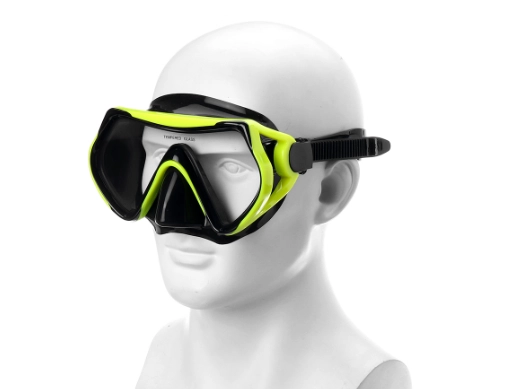
Step 3: Strap and Hair Management
The strap should sit low on the back of your head, just above the bump at the base of your skull. This pulls the mask into your face evenly. It should be snug, but not tight. You should be able to fit two fingers between the strap and your head.
For hair, run your fingers around the skirt before you put the mask on, tucking all hair away. For longer hair, a smooth, low ponytail helps. Some people use a dab of conditioner around their hairline to help the skirt seal, but be mindful of environmental impacts.
Beyond the Basics: Advanced Scenarios & Troubleshooting
So you've got the basic clear down and your mask is prepped. What about when things get a bit more... interesting?
Clearing with a Mustache or Beard
Facial hair is the arch-nemesis of a perfect seal. It creates thousands of tiny channels. You have options:
- Embrace the Leak: Accept that a small, constant trickle is inevitable and just clear more frequently using the partial clear method. It becomes a rhythm.
- Seal Aid: Products like mask seal wax (like those sold by diving retailers) can be applied to the mustache area to help fill the gaps. It's messy but works for some.
- Trimming: A very close trim can sometimes help without requiring full removal.
I have a friend with a full beard who is an excellent diver. He just accepts option one. He's so proficient at clearing his mask he does it without thinking.
What if Water Goes Up Your Nose?
This is a common fear and can trigger panic. Remember, you are breathing through your mouth via the snorkel. If a bit of seawater gets in your nose, just exhale gently through your nose to clear it. The sensation is strange but harmless. Focusing on your slow, steady mouth breathing is the key to overriding the discomfort.
The Comparison Table: Clearing Methods at a Glance
| Situation | Technique | Key Action | Best For |
|---|---|---|---|
| Full Flood (Mask half-full of water) | Basic Mask Clear | Head back, seal top, long exhale through nose. | Beginners, major leaks, practice. |
| Minor Leak/Puddle | Partial Clear | Press top, look forward, short sharp exhale. | Experienced users, quick fixes. |
| Fogged-Up Lens | Flood & Clear | Let water in, swish, then full clear. | When defogging fails underwater. |
| Constant Drip (e.g., from mustache) | Rhythmic Partial Clears | Incorporate small, frequent exhales into your breathing rhythm. | Snorkelers with facial hair. |
Your Top Questions on How to Clear Snorkel Mask Issues, Answered
My Take: These are the questions I had, and the ones I hear most often from people I've taught. The internet is full of conflicting advice, so I'm giving you the distilled version that actually works in the real world.
Maintenance: Keeping Your Mask Happy
Your mask is a simple piece of gear, but treat it right.
- Rinse: Always rinse your mask thoroughly with fresh water after every use, inside and out. Salt, sand, and sunscreen degrade silicone over time.
- Dry: Let it air dry in the shade, not in direct sunlight which can make the silicone brittle.
- Store: Keep it in a protective case or a soft cloth bag. Don't just throw it in a gear bag where the lens can get scratched.
- No Sunscreen on Skirt: Try to keep sunscreen off the silicone skirt. It can break down the material. Put your sunscreen on, let it absorb, then rinse your face before putting the mask on if possible.
Mastering how to clear your snorkel mask transforms the experience from a frustrating struggle into a non-issue. It turns you from someone who is constantly aware of their gear into someone who can forget about it and just enjoy the wonder below the surface.
Final Reality Check
Even with perfect prep and technique, you'll sometimes get water in your mask. A wave hits you just right, you laugh at a clownfish, your strap shifts. It's part of the sport. The goal isn't perfection; the goal is having the competence to handle it calmly, quickly, and with minimal disruption to your enjoyment.
That's the real secret.
So, to truly learn how to clear snorkel mask challenges, remember this order: Prep it right, fit it right, wear it right, clear it right. Start in a pool or calm shallow water. Practice the basic clear until it's boring. Deal with that factory film. You've got this.
Now go get your face wet and see some fish. Clearly.
Reader Comments