Coastal exploration snorkeling is a different beast from floating in a calm tropical bay. You're dealing with variable conditions—rocky entries, kelp forests, mild currents, and water temperatures that can change on a dime. The gear that works for a resort vacation often falls short here. Getting it right isn't about having the fanciest equipment; it's about having the right equipment for safety, comfort, and extending your time discovering what's beneath the surface.
I've learned this through trial and error over a decade, from the chilly Pacific Northwest to the surge zones of the Atlantic coast. The wrong mask floods constantly in the surge. The wrong fins leave your legs cramping when you need to kick against a current. Let's skip the mistakes and build a kit that lets you focus on the adventure.
Your Gear Guide at a Glance
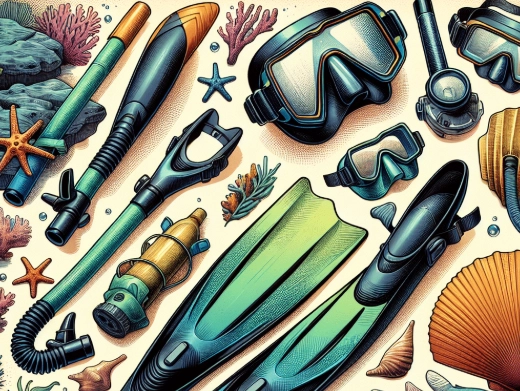
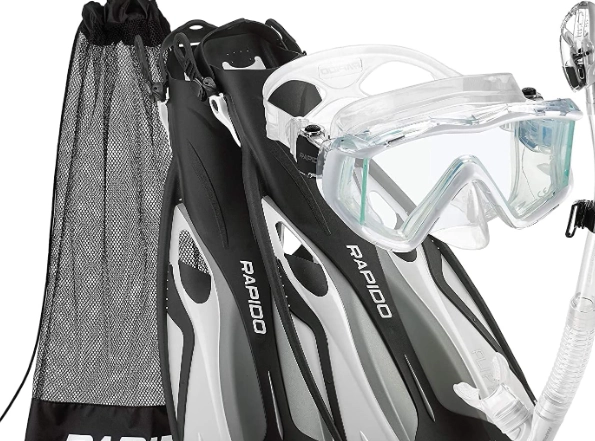
The Core Trio: Mask, Snorkel, Fins
This is your interface with the underwater world. Compromise here, and your whole experience suffers.
Finding Your Perfect Mask Fit
Forget brand loyalty. Fit is the only thing that matters. A mask for coastal exploration should have a low internal volume—it's easier to clear if a wave surprises you. Look for a silicone skirt that seals comfortably across your forehead and cheeks without pressing too hard. Here's a trick most shops don't tell you: place the mask on your face without the strap, inhale gently through your nose, and let go. A good-fitting mask will stay suctioned to your face for a few seconds as you tilt your head forward.
My go-to: The Cressi F1 or Scubapro Synergy Trufit. Both offer fantastic field of view and reliable seals. Expect to pay $50-$80 for a quality mask. Don't cheap out.
Snorkel Selection: Dry vs. Semi-Dry vs. Simple
The marketing pushes "dry" snorkels hard. They have a floating valve at the top that's supposed to seal when submerged. For calm water, they're great. For coastal exploration with waves slapping the surface? I'm less convinced. I've had the valve stick or get slow, leading to a gulp of water just when I didn't need it.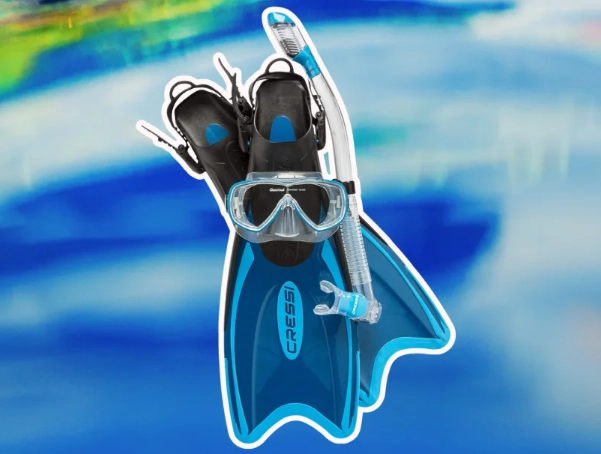
A semi-dry snorkel is often the better choice. It has a simple splash guard that deflects most water but no complex valve to fail. The mouthpiece comfort is more critical than the top mechanism. Look for a silicone mouthpiece that angles downward naturally.
Fins: Your Engine for Exploration
You'll be kicking more than you think. Exploring a coastline means covering ground, sometimes against a gentle current. Full-foot pocket fins (like the Cressi Pro Light) are light, efficient, and perfect if you're swimming from shore in warmish water. If you need booties for warmth or rocky entries, open-heel fins with adjustable straps (like the Mares Avanti Quattro+) are the way to go. The Quattros are a legend for a reason—they provide thrust from both the upstroke and downstroke, reducing fatigue.
Exposure Protection: Staying Warm is Everything
Cold is the fastest way to ruin a trip. Even in 75°F (24°C) water, after an hour, you'll lose enough heat to start shivering. That's when mistakes happen.
A wetsuit is non-negotiable for most coastal exploration. It provides warmth, buoyancy, and protection from sun, jellyfish, and scrapes against rocks. Thickness depends on your locale:
- 2mm Shorty or Springsuit: For very warm, tropical coasts (80°F+).
- 3mm Full Suit: The versatile workhorse for temperate waters (65-75°F). This is what I use 80% of the time.
- 5mm Full Suit with Hood: For cooler climates (below 65°F). A hood makes an unbelievable difference in comfort.
Brands like Xcel, Rip Curl, and Body Glove make excellent snorkeling-oriented suits. Focus on flexibility around the shoulders. For sun protection alone, a rash guard and swim leggings are a great lightweight option.
And on the topic of sun: use a reef-safe sunscreen. Regular sunscreen washes off and harms coral reefs. Look for non-nano zinc oxide or titanium dioxide formulas. Brands like Stream2Sea and Badger get it right.
Safety & Navigation: The Often-Forgotten Essentials
This is where the "exploration" mindset needs to kick in. You're not in a roped-off area anymore.
A Surface Marker Buoy (SMB) or Dive Float. This bright orange inflatable tube is towed behind you on a line. It makes you highly visible to boats, which is critical near any channel or popular coastal area. It's also a handy place to clip a small dry bag for your keys and phone.
A Whistle. Attach it to your mask strap or buoy. Your voice doesn't carry over water. A whistle does.
A Dive Knife or Line Cutter. Not for fighting sharks. It's for entanglement. Kelp, old fishing line, nets—coastal environments have them. A small, blunt-tipped knife or a dedicated line cutter on your calf can get you out of a sticky situation. I keep a Trilobite Line Cutter on my buoy line.
Visibility Aids. A bright-colored snorkel, fins, or wetsuit top helps your buddy and any surface support keep eyes on you.
Consider a basic dive computer or waterproof watch. It's not overkill. It tracks your time in the water, surface intervals, and—most importantly—can show you if you're accidentally drifting into deeper, colder water via a temperature readout. The Mares Puck Pro is an affordable, bulletproof option.
Accessories & Extras That Earn Their Space
Anti-Fog. Saliva works in a pinch, but dedicated gel (like Sea Drops) or spray lasts longer. Apply to a clean, dry mask, rinse lightly, and don't touch the inside again.
A Waterproof Bag. For your towel, water, snacks, and car keys. A simple 20-liter dry bag is perfect.
Hydration & Snacks. Snorkeling is dehydrating. Bring more water than you think you need and easy calories like nuts or a granola bar for afterwards.
Ear Drops. A 50/50 mix of rubbing alcohol and white vinegar helps dry out ears and prevent infections ("swimmer's ear"). A must if you're doing multiple days.
The Coastal Explorer's Packing Checklist
Here’s everything in one place. Print this.
| Category | Essential Item | Notes & Why It Matters |
|---|---|---|
| Core Gear | Well-Fitting Mask | Low volume, tempered glass. Test fit before you buy. |
| Semi-Dry Snorkel | Comfortable mouthpiece is key. Flexible tube. | |
| Full-Foot or Open-Heel Fins | Match to water temp/entry type. Medium length for power & maneuverability. | |
| Exposure | Wetsuit or Rash Guard | 3mm full suit is the sweet spot for most. Hood for cold water. |
| Reef-Safe Sunscreen | Apply 30 mins before entering water. Reapply after. | |
| Safety | Surface Marker Buoy (SMB) | Boat visibility is non-negotiable. Get an orange one. |
| Whistle | Attach to SMB or mask strap. | |
| Dive Knife/Line Cutter | Small, accessible. For entanglement, not drama. | |
| Accessories | Anti-Fog Solution | Keep it in your gear bag always. |
| Waterproof Dry Bag (20L) | For shore stuff. Can clip to SMB. | |
| Water & Snacks | More than you think. Dehydration leads to fatigue. | |
| Ear Drops (Alcohol/Vinegar) | Prevent infection after multiple days. |
Gear Questions Answered
Reader Comments