You're staring at a wall of snorkel sets online or in a shop, prices all over the place. What's the real difference between a $30 set and a $150 one? It's not just marketing. Choosing the right snorkel set is the difference between a magical hour watching fish and a frustrating fight with a leaky mask, a mouthful of seawater, and sore feet.
I've guided snorkel trips for years and seen it all—the good, the bad, the "I can't wait to get back on the boat." Let's cut through the noise. Here’s exactly what to look for in a snorkel set, piece by piece.
Your Quick Snorkel Gear Checklist
The Snorkel Mask: Your Window to the Underwater World
This is the most personal piece. A bad mask will ruin everything.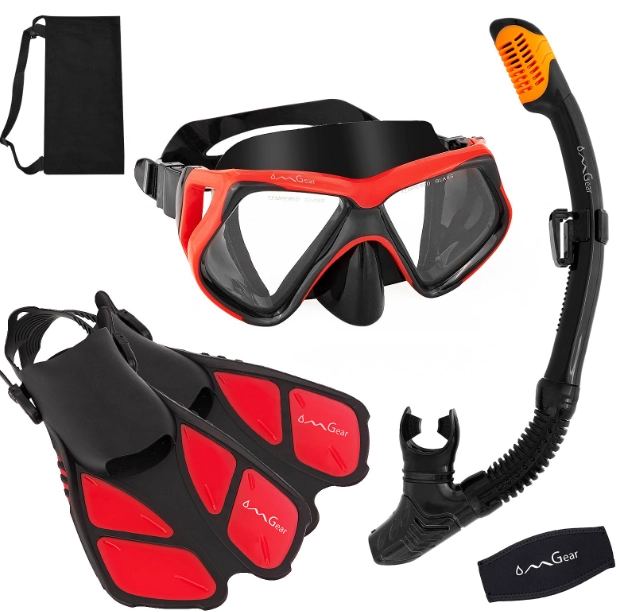
Fit is Everything (More Than You Think)
Forget just pressing it to your face. A proper fit test involves more. First, place the mask on your face without the strap. Inhale gently through your nose. It should suction and stay put for a few seconds without you holding it. That means the seal is good.
Now, check the skirt—the soft part that touches your face. It should sit flush against your skin, not pinching your nose bridge or resting on your forehead. A common mistake is choosing a mask that's too narrow. If you feel pressure on your temples or the bridge of your nose after just a minute, it's wrong. That pressure turns into a headache fast.
Lens Type: Single vs. Dual vs. Prescription
Single lens masks offer a wider, uninterrupted view. Great for general snorkeling. Dual lens masks are often easier to fit for varied face shapes and allow for prescription lens inserts if you need them. If you wear glasses, don't struggle. Get a mask with optical lenses or a custom insert. Blurry snorkeling is pointless.
Look for tempered glass lenses. Always. It's a safety non-negotiable. Plastic lenses scratch easily and fog constantly.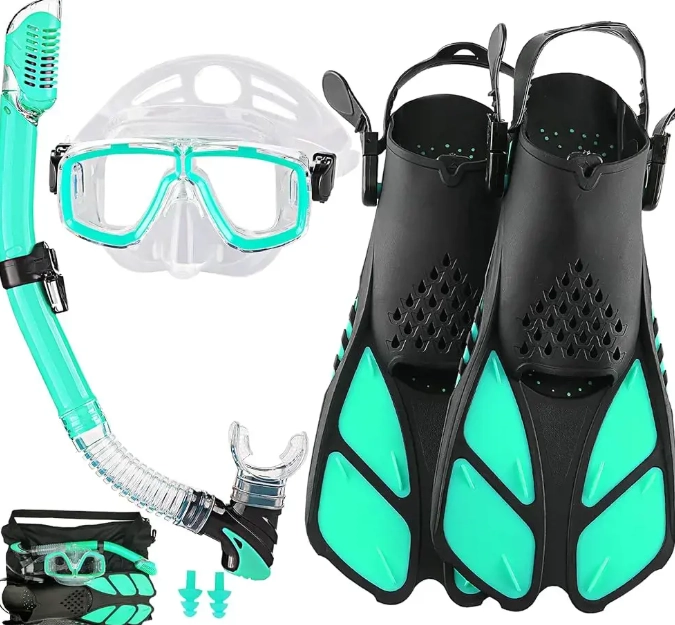
The Skirt: Silicone is King
High-quality, soft silicone is what you want. It's hypoallergenic, durable, and molds to your face. Avoid cheap PVC or rubber skirts. They degrade quickly, get stiff, and can cause skin irritation. A transparent or clear skirt lets in more light, brightening your view, while a black skirt reduces internal glare—a subtle but nice perk on sunny days.
The Snorkel Tube: Your Lifeline for Easy Breathing
The snorkel's job is simple: let you breathe while your face is down. Modern designs make it foolproof.
Dry, Semi-Dry, or Classic Wet Snorkel?
This is the big choice.
- Dry Snorkel: Has a floating valve at the top that seals shut when submerged. In theory, no water gets in. In practice, if a wave hits just right, the valve can stick or let a trickle in. They're bulkier and can be harder to clear if they do flood. I find them over-engineered for calm snorkeling spots.
- Semi-Dry Snorkel: My top recommendation for beginners. It has a simple splash guard (a deflector) at the top that keeps out most waves and spray, but it's still open. If it goes under, you just exhale sharply to clear it—a fundamental skill that's easy to learn. It's lighter, simpler, and more reliable.
- Classic J-Tube (Wet Snorkel): Just a simple tube. It will flood constantly. Only consider this if you're an experienced freediver who needs minimal gear.
For 95% of recreational snorkelers, a semi-dry snorkel is the sweet spot of performance and simplicity.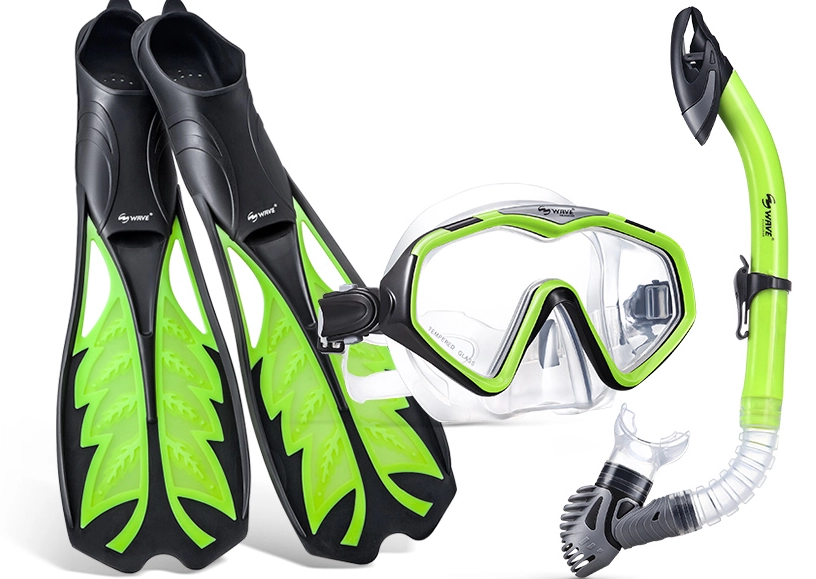
The Mouthpiece: Where Comfort Meets Function
You'll be biting down on this for an hour. It must be soft medical-grade silicone. A poorly shaped mouthpiece causes jaw fatigue known as "snorkeler's mouth." Look for one with a angled tube or a rotatable lower section. This lets you position the tube comfortably to the side of your head, reducing neck strain. Many cheap sets have the tube fixed straight on, forcing your neck into an awkward angle.
Fins: Your Underwater Engines for Effortless Gliding
Good fins make you feel like a dolphin. Bad fins make you feel like you're running in sand.
Full-Foot vs. Open-Heel Fins
Full-foot fins (like slip-on shoes) are the standard for warm-water snorkeling. They're lightweight, simple, and perfect for walking from the beach into the water. Get a pair that fits snugly with a thin neoprene sock if you're prone to blisters.
Open-heel fins have an adjustable strap and are meant to be worn with booties. They're for colder water, rocky entries, or scuba diving. For tropical beach snorkeling, they're usually overkill.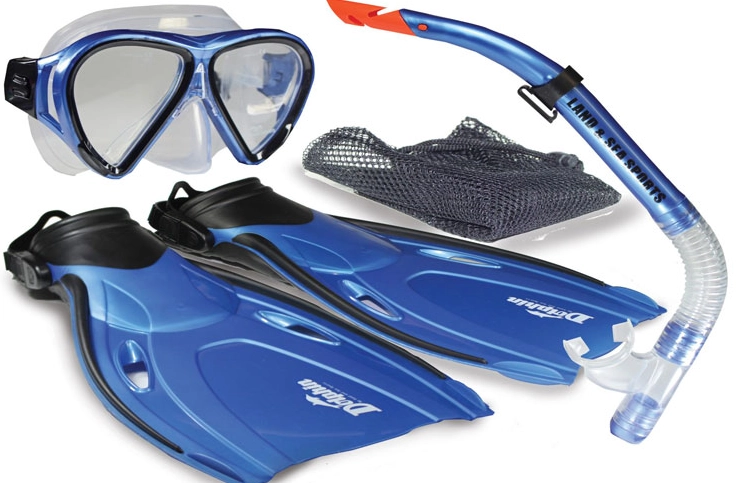
Material and Flexibility
Fins have a flex pattern. Too stiff, and your leg muscles will burn. Too floppy, and you get no propulsion.
- Rubber/TPR: Durable, good flex, common in mid-range sets. Offers a balanced feel.
- Plastic: Often found in cheapest sets. Can be brittle, stiff, and uncomfortable.
- Advanced Composites: In higher-end fins, these materials provide efficient power with less effort.
For beginners, a medium-flexibility, full-foot fin in a comfortable rubber compound is ideal. The length is important too—shorter fins (often called "travel fins") are easier to pack and maneuver in shallow water, while longer fins provide more power for stronger swimmers.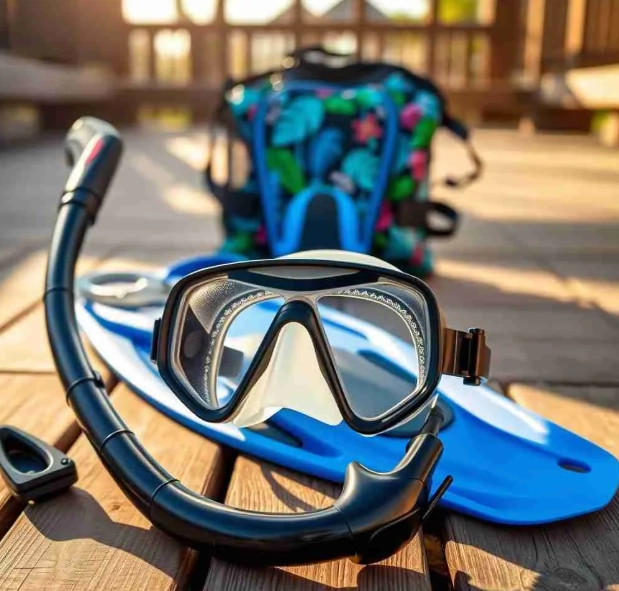
Putting It All Together: Fit, Travel & Final Checks
So, you know what to look for in each piece. Now, how do they work as a set?
Most snorkel sets sold are bundled for value, not necessarily for perfect compatibility. It's okay to buy a set, but prioritize the mask fit above all. If the mask in Set A doesn't fit, but the one in Set B does, choose Set B. You can always buy a better snorkel or fins separately later.
| Budget Level | What You Can Expect | Best For |
|---|---|---|
| Budget ($30-$60) | Basic PVC/rubber skirts, plastic lenses (avoid!), simple J-tube snorkels, stiff plastic fins. Often "one-size-fits-all." | Very occasional use, kids who will outgrow it, or as a backup. Check closely for tempered glass. |
| Mid-Range ($70-$150) | Soft silicone skirts, tempered glass lenses, semi-dry snorkels with comfortable mouthpieces, flexible rubber/TPR fins with proper sizing. | Most snorkelers. Offers the best balance of comfort, safety, and performance. This is the sweet spot. |
| High-End ($160+) | Premium silicone, wider field-of-view lenses, ultra-comfortable snorkel designs, lightweight high-efficiency fins. Often sold as separate components. | Frequent snorkelers, enthusiasts, or those with specific fit needs (e.g., prescription masks). |
Before you buy, ask: Is this easy to travel with? Some fins are bulky. Consider a mesh gear bag—it lets sand and water drain out.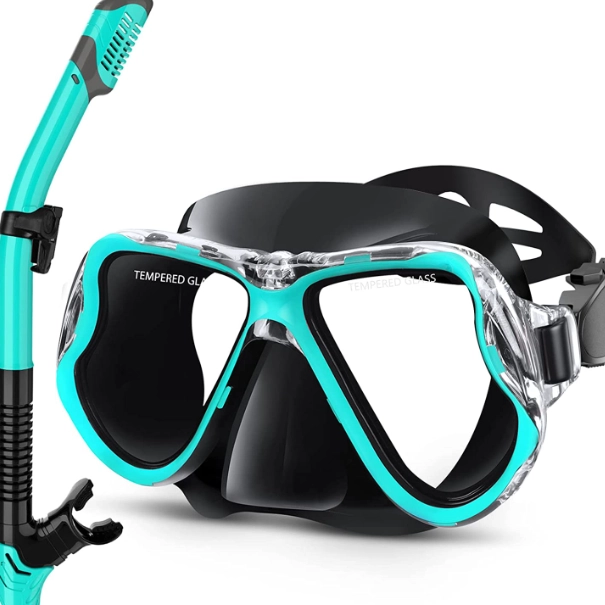
Finally, get defogging solution or learn the old spit-and-rinse trick. A foggy mask defeats the purpose of a great fit.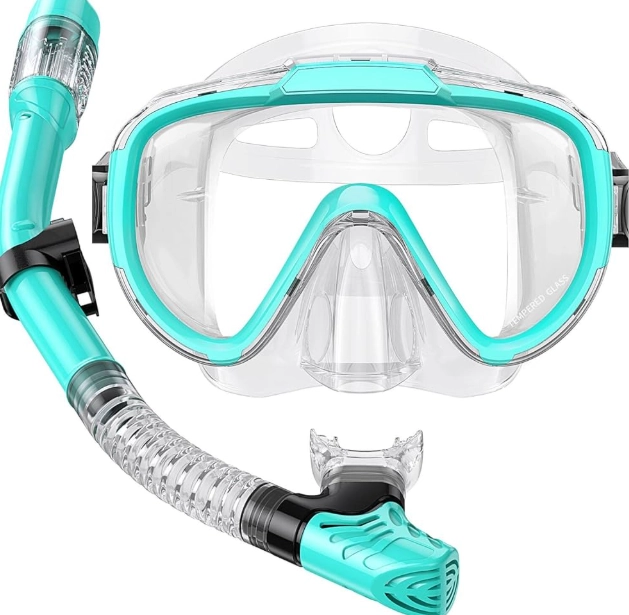
Snorkel Gear FAQs Answered by a Dive Instructor
The right gear removes barriers between you and the experience. It turns a struggle into a glide. Don't get overwhelmed by features. Start with the mask fit, choose a simple semi-dry snorkel, pick comfortable fins, and you're 90% there. Your underwater world awaits.
Reader Comments