I remember the first time I rolled off the side of a dhoni into the Indian Ocean. The water was so clear it felt like floating in air. Then I saw it—a shadow gliding beneath me, wings spanning four meters. A manta ray. It did a slow, graceful loop, eyeing me with what seemed like curiosity, before vanishing into the blue. That moment, right there, is why people fly halfway across the world. Snorkeling in the Maldives isn't an activity; it's a front-row seat to a living, breathing alien world, accessible with just a mask and a pair of fins.
But here's the thing most generic guides won't tell you: you can have a mediocre snorkeling trip here if you're not careful. Picking the wrong resort, going at the wrong time, or not understanding the basics can leave you disappointed, staring at bleached coral while others rave about turtle encounters. This guide is different. It's the distilled knowledge from multiple trips, conversations with local guides, and a few learned-the-hard-way mistakes. We're going beyond the postcard to give you the real, actionable intel.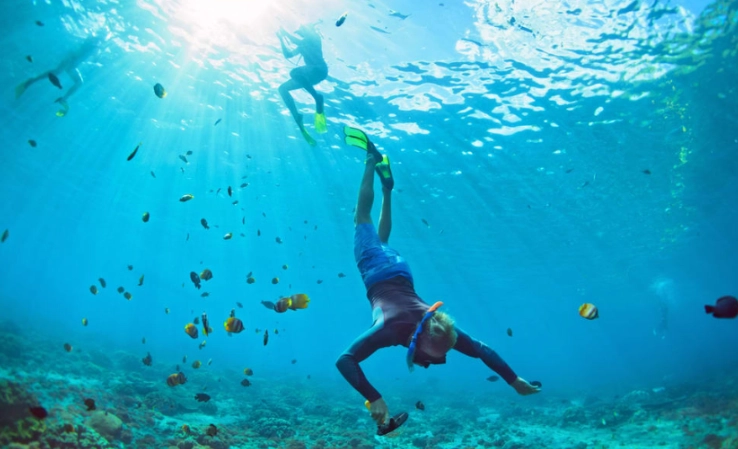
What's Inside This Guide
Why the Maldives is a Snorkeling Heaven (It's Not Just the Water)
Sure, the visibility is insane. But the magic is in the geography. The Maldives is a chain of 26 atolls—ring-shaped coral reefs enclosing a lagoon. This structure creates two distinct snorkeling environments, and understanding them is key.
The House Reef: This is the coral reef that surrounds your resort island. It slopes gently from the beach into the lagoon. It's your 24/7, free-access aquarium. Perfect for beginners, sunset snorkels, and spotting reef fish, baby sharks, and turtles. The calm lagoon side is where you start.
The Channel (Kandu) & Outer Reef: This is where the atoll wall drops into the deep ocean. Channels cut through the reef, and as tides move water in and out, they create nutrient-rich currents. This is the big league. Manta rays, eagle rays, schools of jackfish, and, seasonally, whale sharks come here to feed. This is usually accessed by boat trip.
This dual system means you can have a relaxed morning on your house reef and an adrenaline-filled afternoon drift snorkel in a channel. No other destination packages this diversity so neatly.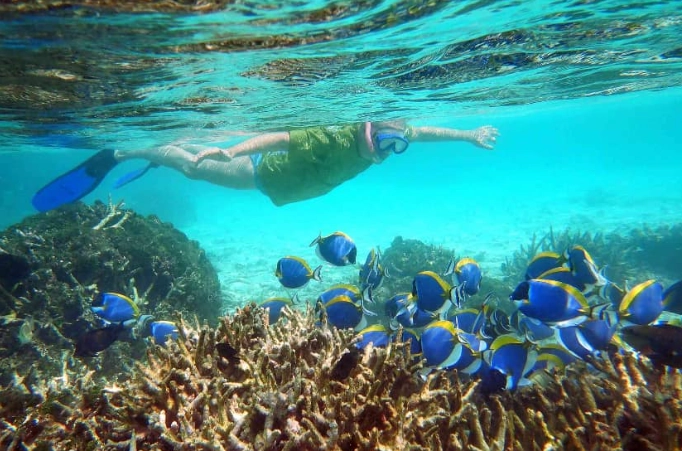
Top Snorkeling Atolls & Spots: Where to Aim For
Not all atolls are created equal. While you can find beauty anywhere, some are consistently phenomenal. Your choice will define your trip's wildlife highlights.
| Atoll | Best For | Key Spot & What You'll See | Best Time |
|---|---|---|---|
| Ari Atoll | Manta Rays & Whale Sharks | Hanifaru Bay (Baa Atoll): A UNESCO Biosphere Reserve. During the S.W. monsoon (May-Nov), plankton gets trapped, creating a feeding frenzy for dozens of mantas. It's regulated—only a limited number of snorkelers allowed with licensed guides. | May - November |
| Baa Atoll | Protected Biodiversity | Reethi Beach Resort House Reef: Consistently rated one of the best. Channels near Dhonfanu Thila are packed with fish. Expect turtles, Napoleon wrasse, and healthy hard corals. | Year-round, best visibility Nov-Apr |
| North & South Male Atoll | Accessibility & Variety | Banana Reef: A classic dive site also great for snorkeling the edges. Strong currents bring in big fish. Manta Point (near Lankanfinolhu Island) lives up to its name. | November - April |
| Lhaviyani Atoll | Pristine Walls & Sharks | Kuredu Caves: A stunning house reef system with swim-throughs and overhangs. The outer reefs here are less visited, often teeming with gray reef sharks and eagle rays. | Year-round |
My personal favorite for a balanced trip is Baa Atoll. You get the chance for the Hanifaru spectacle, but also have stunning, less crowded channels and gorgeous house reefs to fall back on. Ari is incredible for pelagic action, but some resorts there have less impressive house reefs, making you more dependent on boat trips.
Choosing Your Resort: The House Reef is Everything
This is the most critical decision for a snorkeler. A resort without a good house reef changes the entire rhythm and cost of your trip.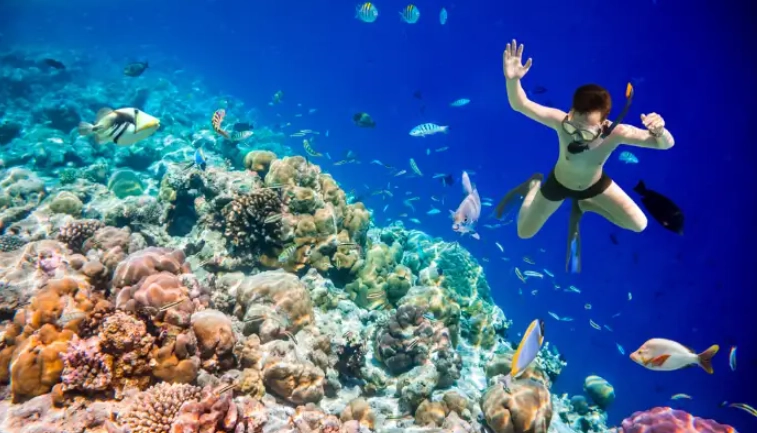
Here’s what to look for, beyond the glossy photos:
1. The Snorkeling Map & Access Points: A serious snorkeling resort will have a detailed map of its house reef. Look for marked entry/exit points, often with floating buoys and ladders. A resort that just says "great snorkeling" but provides no map is a red flag.
2. The Lagoon vs. Ocean Side: Resorts on the inner lagoon side of an atoll often have a sandy bottom and shallow, calm water—beautiful for swimming, terrible for snorkeling. You want a resort on the outer rim of the atoll, where the island's foundation is the reef itself. Water villa complexes are usually built on the calmer lagoon side, so don't assume a water villa equals reef access.
3. Ask Specific Questions: Email the resort before booking.
- "Is there a vibrant house reef directly accessible from the beach?"
- "Are there strong currents on the house reef, and are there clearly marked safe areas?"
- "Do you have a marine biologist on staff, and can you tell me about coral health?"
A Few Standouts (Based on Experience & Research):
- Reethi Beach Resort (Baa Atoll): The benchmark. A massive, thriving house reef with channels, drop-offs, and a resident turtle population. You can snorkel for a week and not see it all.
- Kudadoo Maldives Private Island (Lhaviyani): Luxury with purpose. Their house reef is a protected sanctuary, and it shows. Incredible coral formations and fish density right off the overwater suites.
- Huvafen Fushi (North Male Atoll): Surprisingly excellent house reef for an ultra-luxury resort. A short swim from your villa and you're over coral gardens and a resident Napoleon wrasse named "Wally."
- Guesthouses on Maafushi or Fulidhoo: The budget-friendly hack. Stay on a local island and book day trips to the best snorkel spots in South Male Atoll. You sacrifice the convenience of stepping off your porch, but gain affordability and access.
Gear, Etiquette & Pro Tips for a Better Experience
Your Personal Gear Shortlist
Renting is fine, but owning these two items changes the game:
- Mask: Get a low-volume silicone mask. Test the fit by placing it on your face without the strap, inhaling slightly through your nose, and letting go. If it stays put, it's a good seal. Prescription masks are a game-changer if you wear glasses.
- Snorkel: A simple J-shaped snorkel is best. Avoid complex dry-top snorkels with valves that can fail. The classic design is the most reliable.
- Fins: Open-heel fins with booties are more comfortable for walking on beaches and boats. Pack the booties, rent the fins if luggage space is tight.
- Rash Guard/Long-Sleeve Swim Top: Non-negotiable. It protects you from the equatorial sun and potential coral scrapes. A thin, UPF 50+ top is worth its weight in gold.
Respect the Reef (It's Not a Pool)
This should be obvious, but I've seen it too often. Never stand on, touch, or kick the coral. It's a living animal, and the oils from your skin or physical damage can kill it. If you need to adjust your mask, float vertically or swim to a sandy patch.
Practice buoyancy control. A little air in your lungs makes you float; exhaling makes you sink. Use this, not your fins, for small up-and-down movements near the reef.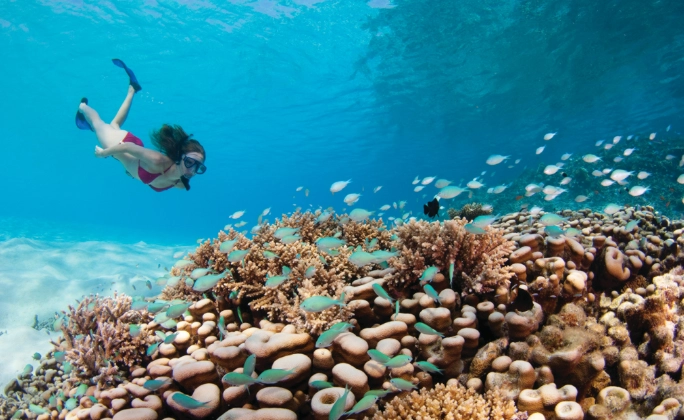
Feed fish? Just don't. It disrupts their natural behavior and diet.
The Photographer's Note
A GoPro or underwater housing for your phone is plenty. If you're serious, a compact camera like an Olympus TG-series with a basic underwater strobe will dramatically improve colors (reds and oranges are lost at depth). Pro tip: Shoot in the morning when the sun is behind you, lighting up the reef.
Your Snorkeling Questions Answered
Do I need to bring my own snorkeling gear to the Maldives?
Most resorts provide basic snorkeling gear (mask, snorkel, fins) for free or a small rental fee. However, the quality and fit can be hit or miss. For hygiene and comfort, bringing your own mask and snorkel is highly recommended, especially if you have a prescription mask or a specific face shape. Fins are bulkier to pack, so you might opt to rent those. A well-fitting mask that doesn't fog or leak is the single most important piece of gear for enjoying your time underwater.
What is the absolute best time of year for snorkeling in the Maldives?
The dry season, from November to April, offers the calmest seas and best visibility, often exceeding 30 meters. This is peak season. However, the wet season (May-October) has its unique advantages. While there may be more rain and occasional rough seas, the water is warmer, plankton blooms attract massive congregations of manta rays and whale sharks, particularly in places like Hanifaru Bay. Fewer crowds and lower prices are a bonus. You trade perfect blue skies for potentially epic marine life encounters.
As a beginner snorkeler, how do I stay safe in the Maldives' currents?
Respect the ocean. Always go with a buddy, even from your resort's beach. Before entering a channel or deeper water on a house reef, observe the current for a minute—look at how fish are swimming or toss a leaf in. If in doubt, ask the resort's dive center for advice on safe snorkeling areas and times. A common mistake is snorkelers exhausting themselves fighting a current. If caught in one, swim parallel to the reef or shore until you're out of its pull, never directly against it. Using a snorkel vest, even if inflated just a little, provides crucial buoyancy and peace of mind.
How do I budget for a snorkeling-focused trip to the Maldives?
Focus your budget on the resort, not just the flight. A cheaper resort with a poor or non-existent house reef will force you to pay $80-$150 per person for every boat snorkeling trip. A mid-range or luxury resort with a stunning house reef provides unlimited, free snorkeling right off your villa. Calculate: 5 days of boat trips can add $800+ for a couple. Sometimes, spending $100 more per night on a room with reef access saves money overall. Also, consider guesthouses on local islands like Maafushi for affordable stays, then book day trips to premier snorkel sites.
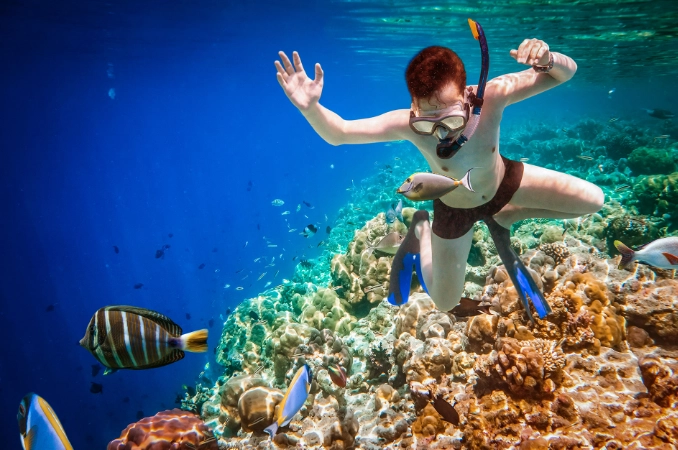 The final piece of advice? Slow down. Don't try to chase every fish. Find a nice coral head, hold onto a buoy (if available), and just watch. That's when the reef comes to life—a shrimp cleaning a moray eel's teeth, a clownfish peeking out from its anemone, a turtle coming up for a breath. Snorkeling in the Maldives is about immersion, not mileage. Get the logistics right with this guide, then let the ocean do the rest.
Reader Comments